12 Dermatologist Tips to Heal Sunburn Fast and Safely

Sunburn is a common concern for anyone spending time outdoors, even if sunscreen is part of your daily routine. UV rays can still reach missed areas of skin, triggering redness, heat, and discomfort. In dermatology, sunburn is viewed as an early sign of cellular damage caused by excessive ultraviolet exposure.
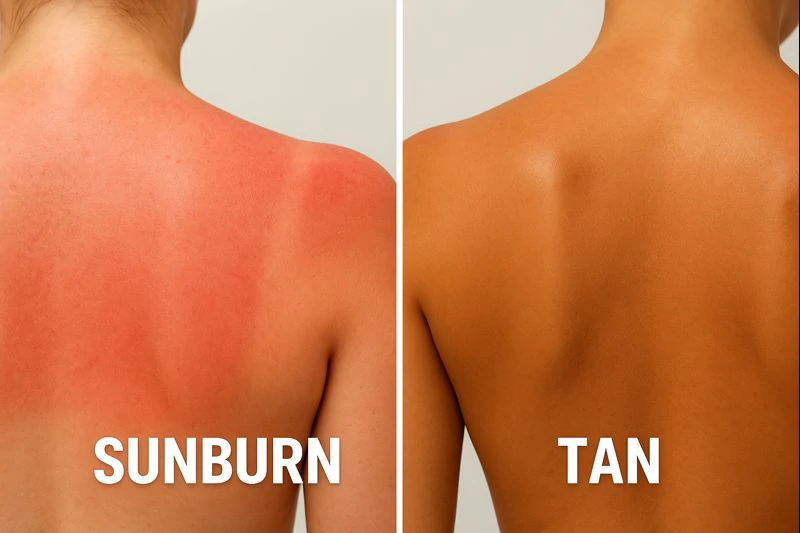
According to dermatologist Dr. Ranella Hirsch, sunburn occurs when UV radiation penetrates the skin’s outer layer and sparks inflammation. Melanin—the skin’s natural pigment—does offer protection, but only to a certain extent. Those with deeper skin tones may tan more quickly, while lighter skin tones tend to redden faster, yet both reactions signal stress on the skin cells.
UV exposure can also affect cellular DNA, leading to the classic symptoms of a burn. The good news: with the right care, you can soothe the skin and support faster recovery. Dermatologist-approved steps help reduce pain, calm inflammation, and prevent repeated sunburn—crucial for long-term skin health. By understanding what your skin needs after UV damage, you can manage discomfort more effectively and build better sun-protection habits moving forward.
12 Tips to Heal Sunburn Fast and Safely
1. Immediately Get Out of the Sun
The moment you feel stinging, heat, or tightness on your skin, the most important step is to remove yourself from direct sunlight. Moving to shade or an indoor space stops additional UV exposure from worsening the initial inflammation. As Dr. Ranella Hirsch emphasizes, any skin that appears pink, red, or slightly peeling should avoid sunlight entirely until it heals.
Dermatologist Dr. Henry adds that freshly burned skin becomes extremely vulnerable as it repairs UV-induced injury. Even brief additional exposure can deepen inflammation, delay recovery, and increase the risk of long-term damage. Taking immediate shelter protects the compromised skin barrier and helps your body focus on healing rather than fighting new UV stress. This simple but crucial step sets the foundation for a faster, safer recovery.
2. Cool the Skin Safely
Cooling the affected area is one of the quickest ways to ease sunburn discomfort. Lower temperatures help reduce inflammation, allowing pain, heat, and itchiness to subside more quickly. However, Dr. Henry warns against placing ice directly on the skin, which can trigger irritation or cold injury. Instead, wrap ice in a soft cloth or use a cool compress for 15–20 minutes, with breaks of 1–2 hours between sessions.
A cool shower can also rinse off chlorine, salt, and sweat—irritants that worsen the burning sensation. Keep the shower short and avoid scrubbing, which can strip moisture and aggravate sensitivity. Dermatologists recommend using gentle cleansers and skipping harsh soaps during recovery. When done correctly, cooling helps calm the skin, reduces swelling, and prepares the skin for the next steps in sunburn care.
3. Take a Milk or Oatmeal Bath
A soothing bath can significantly reduce sunburn discomfort. Many dermatologists recommend colloidal oatmeal, a finely milled form commonly sold in pharmacies. It contains anti-inflammatory compounds called avenanthramides that help ease redness, heat, and itching caused by UV exposure. A brief soak in cool water mixed with oatmeal also helps maintain moisture, supporting the skin’s natural repair process. This method may even help relieve “Hell’s itch,” the intense itching some people experience days after a sunburn.
If oatmeal isn’t available, a milk bath is a gentle alternative. The natural proteins and lactic acid in milk offer a calming, hydrating effect that can temporarily ease irritation. There’s no need for a long soak—just a few minutes can provide noticeable relief and help keep the skin cool without causing dryness. These simple, dermatologist-approved remedies give your skin a much-needed reset after sun damage.
4. Take Ibuprofen or Other NSAIDs
Oral pain relievers can help manage the inflammation and soreness associated with sunburn. Non-steroidal anti-inflammatory drugs (NSAIDs) such as ibuprofen (Advil, Motrin) or naproxen (Aleve) are commonly recommended because they reduce swelling and discomfort from the inside out. Dr. Henry notes that NSAIDs work best when taken soon after symptoms begin.
Start with the recommended dose on the label and continue only as needed. To protect your stomach, it’s best to take these medications with food. While they don’t replace topical care, NSAIDs can significantly improve comfort, making it easier for your skin to heal without constant pain or throbbing.
5. Rehydrate from the Inside Out
Sunburn increases your body’s fluid needs as your skin works to repair itself. UV-induced inflammation causes higher water loss, making hydration essential for recovery. Dermatologist Dr. Henry explains that adequate fluid intake helps stabilize inflammatory responses and accelerates healing.
Water is the first choice, but electrolyte drinks can restore balance faster. Options like Gatorade, Pedialyte, or electrolyte popsicles provide practical ways to replenish fluids. Dr. Ranella Hirsch also highlights the importance of water-rich foods—such as watermelon, oranges, and cucumber—to maintain optimal hydration from within.
Proper hydration supports skin elasticity, reduces stinging, and nourishes cells repairing sun-damaged tissue. Staying well-hydrated is a simple, highly effective step in a comprehensive sunburn recovery routine, making your skin more resilient and comfortable during the healing process.
6. Hydrate Externally as Well
External hydration is equally important for sunburn recovery. After bathing, gently pat the skin dry rather than rubbing, to avoid additional irritation. While skin is still slightly damp, apply a lightweight moisturizer to lock in moisture. Dermatologists often recommend ceramide-based creams, such as formulas from CeraVe, to strengthen the skin barrier.
UV-induced inflammation usually causes dryness, tightness, and discomfort. Consistent moisturizing helps reduce these sensations, even as the skin begins to peel. Dr. Henry emphasizes continuing hydration routines throughout regeneration to minimize irritation and support tissue repair.
By combining gentle moisturizing with non-abrasive care, you maintain the skin’s natural moisture, elasticity, and healing potential. This external hydration strategy complements internal fluids, ensuring your skin recovers faster and with less discomfort.
7. Wear Loose-Fitting Clothing
When skin is sunburned, even light friction can worsen irritation. Dermatologists recommend wearing loose, soft, breathable fabrics such as cotton or rayon to minimize pressure and allow airflow, letting the skin “breathe” as it heals.
Dr. Henry advises choosing clothing that not only fits loosely but also provides coverage to protect sunburned areas from additional UV exposure. Smooth fibers prevent rubbing, which can intensify stinging and sensitivity.
Prioritizing comfortable clothing enables the skin to focus on regeneration without unnecessary stress. This simple measure significantly improves comfort and supports a smoother healing process, particularly in the early, most sensitive days after sunburn.
8. Apply Aloe Vera
Aloe vera is widely recommended for soothing sunburned skin. Dermatologists note that its high water content and anti-inflammatory properties reduce heat, redness, and discomfort while promoting skin repair. Dr. Henry highlights that aloe vera’s cooling effect provides quick relief for irritated areas.
For best results, choose pure aloe vera products without alcohol, which can dry and irritate sensitive skin. Fragrance-free formulas are safest during recovery. Fresh gel from homegrown aloe leaves is an excellent alternative, offering a soft texture and immediate cooling sensation.
Regular application helps calm inflammation and hydrate damaged skin, making aloe vera a cornerstone in natural sunburn care.
9. Combine Hydrocortisone + Aquaphor
A simple, effective home approach for mild sunburn is combining 1% hydrocortisone cream with Aquaphor. Dermatologist Dr. Morgan Rabach explains that hydrocortisone reduces inflammation, while Aquaphor locks in moisture and creates a protective skin environment.
This combination alleviates tightness, heat, and itchiness commonly associated with UV damage. Apply a thin layer to sensitive areas, particularly where the skin feels most irritated. Note that this method is recommended for adults and should not be used long-term without professional guidance.
Using hydrocortisone with Aquaphor provides simultaneous anti-inflammatory relief and deep hydration, helping sunburned skin feel comfortable while supporting its natural repair process.
10. Look for Products With Peptides
Peptides are well-known in anti-aging skincare, but their benefits extend to sunburn recovery. Dermatologist Dr. Morgan Rabach explains that peptides are short chains of amino acids that form essential building blocks for skin cells. Their small size allows them to penetrate the dermis, promoting collagen production and supporting the repair of UV-damaged tissue.
Experts agree that peptide-based products can accelerate skin regeneration, reduce tightness, and restore natural elasticity. Dr. Rabach often recommends formulations like TNS Recovery from SkinMedica, which combines growth factors and peptides for synergistic skin repair.
For a more budget-friendly option, M-61 Hydraboost Collagen + Peptide Water Cream offers hydration and repair benefits while supporting recovery. Incorporating peptides into your sunburn care routine strengthens the skin’s structure from within, helping damaged areas heal faster and more effectively.
11. Don’t Pick or Peel
When sunburned skin begins to peel, letting it shed naturally is the safest approach. Dermatologists note that peeling is the body’s way of removing damaged UV-exposed cells. Dr. Henry warns that picking at peeling skin can slow healing, trigger new irritation, and increase scarring risks.
The same principle applies to blisters, which act as biological shields protecting underlying tissue. Popping or peeling them increases infection and inflammation risks. If a blister breaks on its own, gently cleanse with mild antibacterial soap and cool water, then apply a petrolatum-based ointment to lock in moisture. Cover with a non-stick sterile bandage.
This non-invasive method supports faster, safer healing, reducing discomfort while protecting sensitive areas during recovery.
12. Lastly, Prevent a Burn From Happening Again
Prevention is the most effective strategy against UV damage. Before heading outdoors, dermatologists recommend protective clothing such as long-sleeve shirts, pants, and wide-brimmed hats to minimize direct sun exposure. Physical barriers reduce the risk of repeat inflammation on previously burned skin.
Broad-spectrum sunscreen with at least SPF 30 is essential. Water-resistant formulas are preferred during swimming or sweating. Dermatologists emphasize reapplying every two hours and after any activity that removes sunscreen to maintain optimal protection.
Combining physical barriers with proper sunscreen use significantly lowers sunburn risk. These habits not only safeguard skin health long-term but also prevent DNA damage that can lead to more serious issues over time.
How to Tell the Difference Between Sunburn and Sun Poisoning
Understanding the difference between sunburn and sun poisoning is crucial for proper care. Sunburn is a superficial inflammatory reaction, marked by redness, stinging, and peeling within a few days. Home remedies such as cool compresses and moisturizers usually suffice.
Sun poisoning, however, is more severe, triggering systemic responses beyond the burned area. Warning signs include nausea, dizziness, fever, intense swelling, large blisters, and extreme dehydration or fatigue. Dermatologist Dr. Henry stresses that systemic symptoms require urgent attention.
Recognizing these differences allows faster response and prevents prolonged skin damage. Seek professional care if symptoms persist beyond 24–48 hours or involve dehydration, high fever, or severe pain. Early intervention ensures safer recovery and avoids complications from UV overexposure.
Ingredients to Avoid When You Have a Sunburn
Sunburn weakens the skin barrier, making it highly sensitive. Dermatologists advise avoiding certain active ingredients that may aggravate irritation or slow healing:
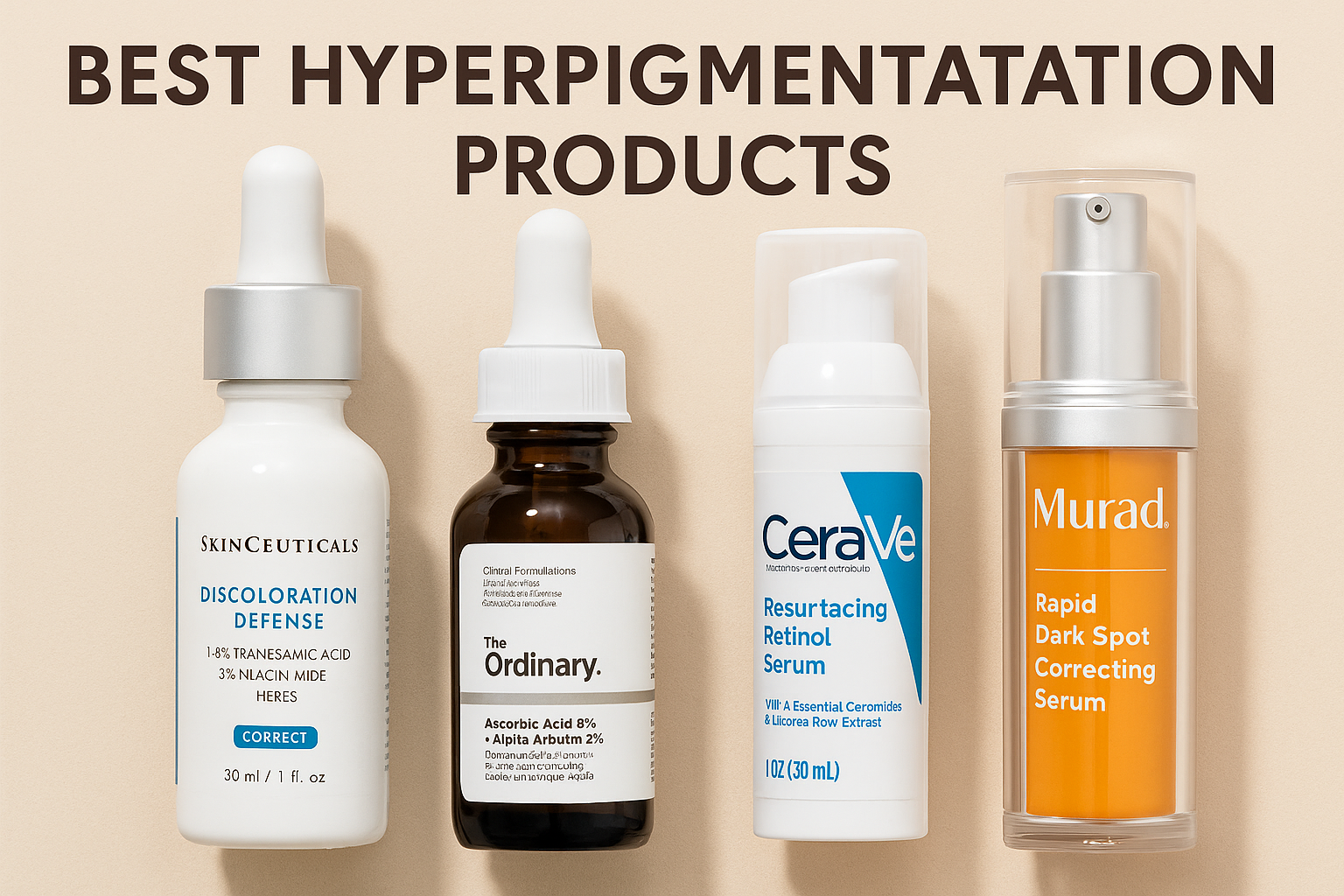
- Retinoids/Retinol – Accelerates cell turnover, increasing burning sensation.
- AHA/BHA (glycolic/salicylic acids) – Chemical exfoliants can strip protective layers, worsening redness.
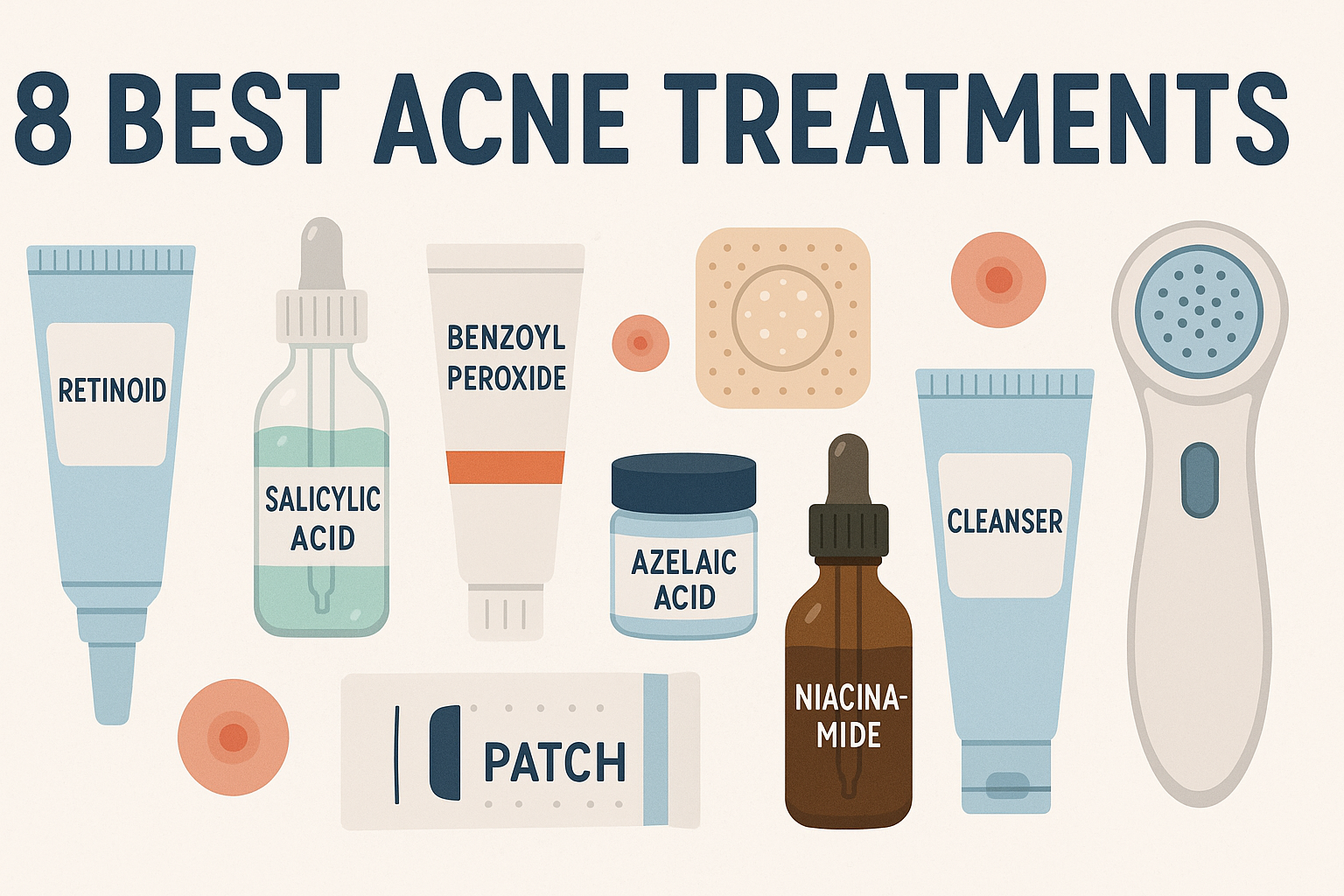
- Benzoyl Peroxide – Can overly dry already sensitive skin.
- High-dose Vitamin C – May sting on burned areas.
- Strong essential oils (peppermint, tea tree) – Can trigger further irritation.
Medical guidance recommends focusing on soothing products like pure aloe vera, cooling gels, or ceramide-based moisturizers until skin fully recovers. Avoiding harsh actives ensures faster healing, reduces discomfort, and protects vulnerable tissue.
Final Thoughts
Recovering from sunburn requires a combination of immediate care, ongoing hydration, and gentle skin support. Dermatologists recommend removing yourself from the sun, cooling the skin, using soothing baths, and applying aloe vera or hydrocortisone with Aquaphor to reduce inflammation. Internal hydration and external moisturization help restore elasticity, while loose clothing minimizes friction and further irritation. For accelerated healing, peptide-based products can promote collagen synthesis and tissue repair. Avoid picking peeling skin or using harsh ingredients like retinoids, acids, and strong essential oils, which can delay recovery.
Prevention is equally important: consistent sunscreen use, protective clothing, and awareness of sun poisoning symptoms ensure long-term skin health. By following these expert-backed strategies, you can soothe sunburn, support natural repair, and reduce the risk of future UV damage effectively and safely.
You might also like
 Acne
Acne Anti-Aging
 Business
 Digital Marketing
 Economics
 Exfoliation
 Hair Removal
 Movies
 Personal Finance
 Websites