How to Boost Your Savings with the Underconsumption Trend
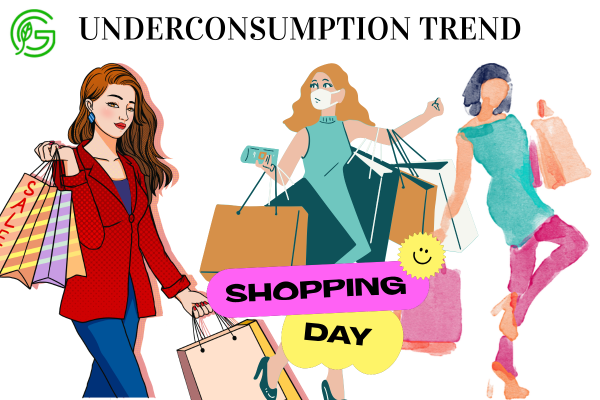
The underconsumption trend is currently popular on social media. This trend involves a decrease in people’s consumption of certain goods. Many influencers create content related to this trend, promoting a lifestyle that minimizes consumption. Followers of this trend have different understandings and goals. Some buy used items, some refrain from buying anything, and others purchase more durable items.
However, it’s important to note that underconsumption can have both good and bad implications. The negative aspect refers to forcing oneself to buy used items, not buying anything, or purchasing expensive but durable items.
Forcing yourself means buying or doing something that doesn’t meet your needs. Therefore, this underconsumption trend should be adjusted to your personal conditions, what is important and what is not, and what should and should not be done.
If you apply the ‘no-buy’ challenge to your lifestyle, how will you get food if you don’t buy it? How will you drive a car without gas? Should you take out a loan to buy expensive items just because they are durable, even when your financial situation is poor?
The positive aspect of following the underconsumption trend is adjusting it to our own needs and values without any coercion, and not just following others’ advice or trends.
Positive or Good Aspects of the Underconsumption Trend
To consume less without making things difficult for yourself, you can read some important points below:
Shopping for Used Goods
You can start by switching to used items instead of new ones, as long as they are still useful and function the same as new items. Used items can be anything. If you are a housewife, there are many second-hand furniture pieces in good condition worth buying. If you work in IT, there are many used laptops in excellent condition.
Doing this not only saves money and increases your savings but also reduces waste and energy consumption by decreasing the production of new goods.
No-Buy Challenge
Resisting the urge to buy things not only saves money but also makes you aware that the habit of purchasing unnecessary items is not good. It’s harmful not just financially, but also for the environment due to the increasing waste. Regardless of how you dispose of waste, accumulation is inevitable.
The benefits of restraint are as follows:
- Saves money
- Promotes healthy habits
- Positive environmental impact
Buying More Durable Items
It’s better to buy something expensive but long-lasting rather than something cheap that breaks quickly. When purchasing an item, it’s advisable to consider brands that can be used in the long term. The price doesn’t matter. This way, you won’t need a replacement item soon, and your future monthly income can go into savings.
According to Dana Miranda in the “Healthy Rich” newsletter, nowadays people can easily get things they don’t really need, like buying items online from home.
This happens because of the consumerist behavior that drives people to fulfill short-term desires. What ultimately happens is the use of clothes, gadgets, or other items only for a short time or sometimes never used at all.
According to Kasia Stolarz, a financial planner in Halifax, Nova Scotia, at some point, they will realize that there is no happiness or pride in buying those items. This is based on purchasing driven by consumer impulses, not personal needs.
However, it’s important to remember that the underconsumption trend is just about consuming less, not extreme frugality. Extreme frugality is not good, especially for health. So, how do you save with the underconsumption trend? You can read it below:
Saving with the Underconsumption Trend
Here are five ways to save with the underconsumption trend without negatively affecting your lifestyle, health, or family needs:
1. Understand Your Own Values
Understanding your values or what’s important to you can provide positive insight into how to save money or how to spend on items. This way, you can distinguish between what is important and what is not.
Be careful when following a trend because it can worsen your expenses. It’s okay to follow a trend as long as it aligns with your needs. However, your needs should not be driven by short-term desires but by essential things that would cause a loss if not purchased. Essentially, don’t follow or imitate others’ needs, but focus on your own.
Miranda says, Don’t just follow what #underconsumption suggests. What you need to do is understand your own needs. For example, you realize that next year is your anniversary with your wife, a very important and special day that can strengthen your relationship and love. You can allocate money for that.
2. Wise Spending Management
To manage your finances well, start by identifying where you tend to overspend. For example, if you have an emotional issue with online shopping due to the abundance of cheap items, you may be inclined to shop more. Therefore, reduce online shopping and switch to local store shopping.
Also, understand what the underconsumption trend is. According to Katherine Fox, CFP and founder of Sunnybranch Wealth in Portland, Oregon, underconsumption means ‘spending money differently’ according to individual needs.
For example, buying an expensive Apple desktop rather than a less advanced, cheaper desktop of another brand, or spending money on an anniversary celebration with your wife instead of buying a new car.
To avoid the negative influence of the underconsumption trend, making a spending plan is the best choice. The goal is to ensure that your money is well allocated to essential needs only.
3. Avoid Comparing Yourself to Others
Lack of confidence often makes it easy for someone to be influenced and ultimately compare themselves with others and imitate their lifestyle. Social media is the most influential factor, as it allows people to showcase their lifestyles for others to see. On social media, you can influence or be influenced by others.
Essentially, being active on social media requires you to think smartly; choose what to ignore and what to accept. More importantly, believe in yourself and do not compare yourself to others.
4. Cutting the Least Important Expenses
According to Jason Fannon, reducing consumption of non-essential items is the right choice to face rising prices. For this, you can make a monthly or yearly budget plan to keep your savings stable.
This means prioritizing spending only on essential items and reducing expenses on non-essential things. For example:
- Reducing dining out or fast food purchases
- Cutting back on luxury item purchases
- Reducing subscriptions to entertainment services like online TV
- Prioritizing basic needs and avoiding famous brands if there are cheaper alternatives with similar quality
This is a solution to avoid rising prices while maintaining a quality lifestyle. Spending will remain balanced and stable with an effective financial strategy.
5. Establish Balance in Life
Adopting an extremely frugal lifestyle is not good for yourself, especially when it comes to health. Balance emerges when your mind, needs, and conditions are connected. You know what is most necessary and realize that following others’ lifestyles may not suit you.
Therefore, you should adjust your saving strategies to your personal situation and needs so that a healthy and happy life can be achieved when life is balanced. That’s how to save in the midst of the underconsumption trend.
Hope this article helps! If you have any other questions or topics to discuss, feel free to write in the comments!
You might also like


 Acne
Acne Anti-Aging
 Business
 Digital Marketing
 Economics
 Exfoliation
 Hair Removal
 Movies
 Personal Finance
 Websites