Top 15 DIY Face Masks for All Skin Types and Common Skin Concerns
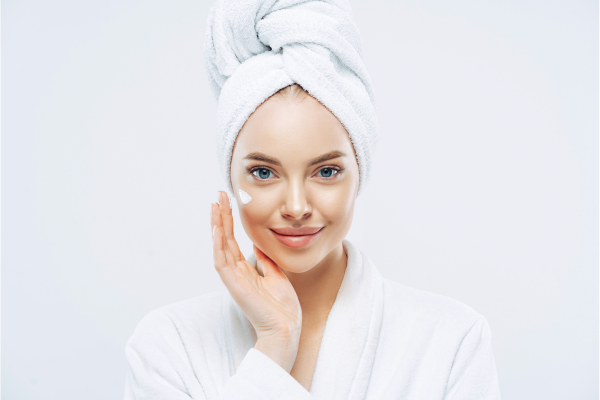
Dealing with stubborn skin problems can be both uncomfortable and frustrating. Whether you’re struggling with dry, cracked skin or oily, acne-prone skin, it’s easy to feel discouraged — especially if you’ve already tried expensive moisturisers and serums without success. Sometimes, however, DIY Face Masks can offer a simple, affordable, and effective way to help detox and restore your skin. These homemade masks provide natural benefits without the harsh chemicals often found in commercial products, which can sometimes make skin issues even worse.
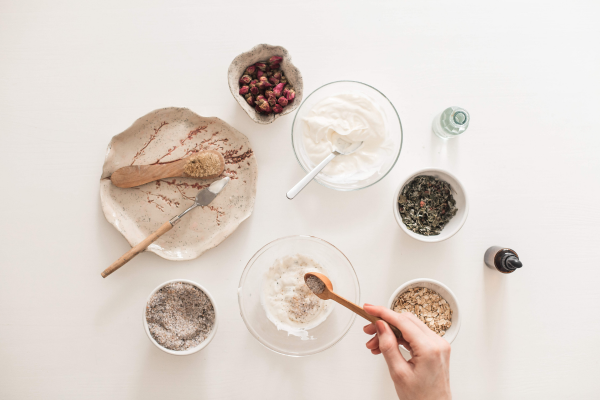
Many natural ingredients have surprisingly powerful effects. For example, avocado is rich in healthy fats that deeply nourish and hydrate dry skin. Honey has antibacterial and moisturising properties, making it suitable for all skin types. Milk and brown sugar can gently exfoliate dead skin cells, leaving your skin smoother and brighter. For oily skin, a combination of aloe vera, honey, and oatmeal can help calm irritation, reduce redness, and control excess oil.
These ingredients are not only easy to find, but also safe to use regularly — as long as you know how to mix and apply them properly. Even better, most DIY mask recipes are flexible, allowing you to adjust the ingredients to suit your skin’s specific needs, whether you’re looking to hydrate, soothe irritation, or fight breakouts.
Many dermatologists also agree that simple home treatments like these can be a great addition to your skincare routine, as long as you pay attention to hygiene when preparing and applying them. So before you rush out to buy another pricey product, why not explore a few homemade face mask recipes you can easily make in your own kitchen?
Things to Consider Before Trying a DIY Treatment
When it comes to skincare, understanding your skin type is the first and most important step before trying any DIY treatments. According to Dr Alexandra Bowles, DO, the right approach can deliver the best results — as long as it’s tailored to your skin’s specific needs.
For example, oily skin often benefits from clay masks, which help absorb excess oil and leave the skin feeling cleaner and fresher. On the other hand, if you have dry or sensitive skin, masks made with honey or aloe vera are a gentler choice, as they soothe irritation and help maintain your skin’s natural moisture balance.
Skincare isn’t just about what you apply on the outside — hydration from within is just as essential for achieving healthy, glowing skin. Drinking enough water each day helps maintain elasticity and moisture, and also supports the effectiveness of your skincare products.
Your diet also plays an important role. Ahead of any special occasion, it’s wise to avoid alcohol and high-sugar foods, as these can break down elastin and collagen, leaving your skin looking dull and tired.
Choosing the right cleanser is equally important. If your skin tends to be dry, a cream-based cleanser will help clean your face gently without stripping away its natural oils. Don’t forget, exfoliation is also a key part of any skincare routine — it helps your skin absorb nutrients from products more effectively. However, if you have sensitive skin, it’s best to avoid harsh scrubs and opt for enzyme-based exfoliators, which are much milder.
Finally, after using a mask or exfoliator, make sure to lock in moisture with a good face moisturiser or facial oil. As Dr Bowles reminds us, skincare is a journey that requires patience and consistency. Healthy skin is built over time, not overnight.
Avocado and Honey Face Mask: The Best Recipe for Glowing Skin
Avocado
Avocado is well known as a nutrient-rich natural ingredient for skin health. Its omega-3 fatty acids provide deep hydration, while vitamin B helps maintain skin elasticity, leaving your complexion looking brighter, plumper, and healthier. Avocado masks are especially recommended for those with dry, normal, or combination skin, as they nourish the skin and help reduce dullness and fine lines caused by dehydration.
For the best results, choose ripe, fresh, and preferably organic avocados. Mash the flesh until smooth before applying it to your face. You can also mix it with other natural ingredients such as carrot, honey, natural oils, egg, or buttermilk. These combinations can boost the mask’s benefits, leaving your skin feeling softer, well-hydrated, and refreshed with regular use.
Brown Sugar
Brown sugar is one of the best natural ingredients for exfoliation, thanks to its fine, gentle grains that effectively remove dead skin cells without being too harsh. Regular use of a brown sugar scrub can leave your skin feeling smoother, looking brighter, and better prepared to absorb the nutrients from other skincare products. Plus, brown sugar acts as a natural humectant, meaning it helps draw moisture into the skin, so exfoliating won’t leave your skin feeling dry.
Brown sugar scrubs are easy to pair with other nourishing natural ingredients. One of the simplest combinations is mixing brown sugar with coconut oil, creating a smooth texture that exfoliates and moisturises at the same time. You can also add honey, essential oils, or your favourite floral oils for a relaxing, spa-like experience at home. With so many recipe options, you can easily customise your brown sugar scrub to suit your skin’s needs.
Turmeric and Yogurt
Turmeric isn’t just a kitchen spice — it’s also a powerful natural ingredient for skin health, especially for dry skin or skin starting to show signs of ageing. Rich in antioxidants and anti-inflammatory properties, turmeric helps calm irritation and protects the skin from damage caused by free radicals. A turmeric mask can soothe inflamed skin and support the skin’s natural regeneration process, leaving it looking brighter and healthier.1Vaughn AR, Branum A, Sivamani RK. Effects of turmeric (curcuma longa) on skin health: a systematic review of the clinical evidence. Phytother Res. 2016;30(8):1243-1264. doi:10.1002/ptr.5640.
According to Dr Bowles, combining turmeric with yogurt creates a double-action effect: turmeric soothes and calms the skin, while yogurt — thanks to its lactic acid and natural fats — gently moisturises and helps remove dead skin cells.2Lee M hee, Nam TG, Lee I, et al. Skin anti-inflammatory activity of rose petal extract (rosa gallica) through reduction of MAPK signaling pathway. Food Sci Nutr. 2018;6(8):2560-2567. doi:10.1002/fsn3.870 This combination is especially ideal for dry or dull-looking skin. Adding rose water to the mix can further enhance the calming effect, making this mask a simple and effective natural solution for balanced, glowing, and plump-looking skin.
Milk
Milk is well known as a natural ingredient that both nourishes and hydrates the skin — especially for those with dry skin. Its lactic acid content acts as a gentle exfoliator, helping to remove dead skin cells without causing irritation, leaving the skin looking brighter and feeling smoother.
In addition to liquid milk, milk powder is also a popular choice for homemade face mask recipes, as it’s convenient to use and still rich in nutrients. When combined with other natural ingredients like honey, aloe vera, and essential oils, the benefits become even more complete. Honey and aloe vera help hydrate and soothe the skin, while essential oils add a relaxing touch and boost the mask’s moisturising effects.
This blend of natural ingredients is perfect for keeping skin soft, healthy, and supple — even for very dry skin.
Egg White and Green Tea
Egg white is a natural ingredient rich in protein, especially albumin, which helps tighten the skin and minimise the appearance of pores. An egg white mask is ideal for anyone looking for skin that feels firmer, smoother, and instantly refreshed.
On the other hand, green tea is packed with powerful antioxidants like polyphenols, which help fight free radicals and soothe irritated or inflamed skin. According to Dr Roger Kapoor, combining egg white and green tea creates a well-balanced natural face mask — offering both firming and protective benefits for the skin.
To make this mask, simply whisk one egg white until it becomes frothy, then add one tablespoon of green tea and half a teaspoon of lemon juice. Apply the mixture evenly to your face, leave it on for 10–15 minutes, and rinse with cold water for skin that feels fresh, tight, and healthy.
Coconut Oil and Cocoa Butter
Coconut oil is one of the most effective natural ingredients for caring for dry skin, especially during cold weather when skin is more prone to cracking and losing moisture. Simply apply a thin layer of coconut oil to your face, then gently blot away any excess with a damp cloth before applying makeup — this will leave your skin feeling smooth without looking greasy.
For even better results, you can mix coconut oil with cocoa butter and olive oil to create a nutrient-rich natural moisturiser, perfect for dry skin. This combination helps lock in moisture and maintain skin elasticity, leaving it soft, supple, and healthy.
However, it’s important to note that coconut oil is comedogenic, meaning it can clog pores. If you have oily or acne-prone skin, it’s best to choose other ingredients. Cocoa butter itself is rich in fatty acids and antioxidants, which help nourish the skin while naturally maintaining hydration.
Turmeric, Honey and Coconut Oil
A turmeric mask mixed with honey and coconut oil is a traditional beauty recipe that has been used for generations, especially in India. This blend of natural ingredients not only hydrates the skin but also helps brighten a dull complexion and smooth out uneven texture.
Turmeric is well known for its anti-inflammatory properties, which help reduce redness and irritation, while honey acts as both a natural moisturiser and an antibacterial agent. Coconut oil adds extra softness and helps maintain the skin’s protective moisture barrier. Dr Bowles recommends this mask for skin that tends to be inflamed or uneven in tone.
The recipe is simple: mix turmeric powder, flour, honey, and coconut oil until you get a smooth paste. Before applying it to your face, always do a patch test on a small area of skin to check for any sensitivity. Apply the mask for 5–10 minutes, then rinse thoroughly for fresh, nourished skin.
Dark Chocolate
Surprisingly, dark chocolate isn’t just a delicious treat — it also offers great benefits for skin care! Dark chocolate is rich in antioxidants, which help protect the skin from damage caused by free radicals and environmental exposure, such as pollution and sunlight. According to Dr Bowles, a dark chocolate mask can also help maintain skin hydration, leaving it feeling soft, plump, and naturally glowing.
Its thick texture forms a protective layer on the skin’s surface, helping to lock in moisture for longer. This mask is suitable for all skin types, especially for skin that feels dry or looks dull.
Making it is simple: melt about 1 ounce of dark chocolate in the microwave, heating for 30 seconds at a time and stirring in between until smooth. Add ½ teaspoon of salt, 1 tablespoon of sugar, and ⅓ cup of milk, then mix well. Once the mixture has cooled, apply it to your face and neck, leave it on for 15–20 minutes, and rinse thoroughly for refreshed and nourished skin.
Egg Yolk and Matcha
Don’t underestimate egg yolks, as their fatty acid content is highly effective for hydrating dry skin. A mixture of egg yolk, jojoba oil, and matcha powder makes for a nourishing natural mask. Matcha is rich in antioxidants that fight free radicals, while jojoba oil helps maintain moisture without clogging pores.
Dr Kapoor recommends this combination for skin that needs extra hydration and protection from pollution. Apply the mask evenly, leave it on for 10–15 minutes, then rinse off thoroughly for skin that feels soft, plump, and refreshed.
Strawberry
Strawberries are packed with vitamin C and natural salicylic acid, which effectively help exfoliate dead skin cells, leaving your complexion brighter and fresher.3Lu J, Cong T, Wen X, et al. Salicylic acid treats acne vulgaris by suppressing AMPK / SREBP 1 pathway in sebocytes. Exp Dermatol. 2019;28(7):786-794. doi:10.1111/exd.13934 A strawberry mask is perfect for anyone looking to even out skin tone and smooth texture.
The simplest way to make it is by mixing ¼ cup of mashed strawberries with ¼ cup of plain full-fat yogurt. This combination not only brightens the skin but also provides hydration, thanks to the natural fats in the yogurt. You can also add honey or oatmeal to create a customised mask that suits your skin’s specific needs.
Honey
Honey is a versatile natural ingredient suitable for almost all skin types. Its antibacterial properties help reduce acne, while its antioxidants protect the skin from damage caused by free radicals. Additionally, honey helps maintain the skin’s natural moisture, keeping it soft and supple.
Honey masks are incredibly flexible, as they can easily be combined with various other ingredients. You can mix it with avocado for extra hydration, yogurt for a mild exfoliation, oatmeal to soothe sensitive skin, or coffee grounds as a natural scrub. This versatility makes honey a popular choice in DIY skincare treatments.
Aloe Vera and Cucumber
If your skin is prone to redness, irritation, or is very sensitive, a combination of aloe vera and cucumber can be a soothing natural solution. Aloe vera is known for its lightweight, water-rich texture that calms the skin without feeling heavy.
Meanwhile, cucumber contains vitamins A and E, which help nourish and reduce inflammation. In addition to these benefits, the cool sensation from this mask also provides a relaxing effect on the skin. You can use pure aloe vera gel from the plant or a store-bought product (make sure it’s alcohol-free) and mix it with mashed cucumber for a refreshing result.
Oatmeal
For those with oily or acne-prone skin, oatmeal is a safe and gentle natural option. Oatmeal acts as a mild exfoliator that helps absorb excess oil without damaging or irritating the skin’s protective barrier.
The preparation is simple: mix ½–1 cup of oatmeal with warm water until it forms a paste. Add 1 tablespoon of honey to enhance its antibacterial properties and help maintain moisture. Apply the mixture to your face, massaging gently, and leave it on for about 3 minutes before rinsing with clean water. Your skin will feel smoother, fresher, and more balanced.
Sugar or Salt Scrubs
For those with dry skin, regular exfoliation is key to ensuring your moisturiser works more effectively. Dead skin buildup can make the face feel rough and dull, so it’s important to clear it away regularly. A simple scrub can be made at home using natural ingredients like sugar or salt, mixed with water or oil (such as coconut or olive oil) to help hydrate the skin after exfoliation.
You can also add honey, coffee, or essential oils for extra benefits. However, since this scrub is a physical exfoliant, its texture can cause irritation, especially on sensitive skin. Choose sugar as the base ingredient, as its granules are gentler, while salt scrubs are better suited for the body. Before applying to your face, always do a patch test to ensure the skin stays safe and doesn’t react negatively.
Pumpkin and Rice Flour
Pumpkin seeds are rich in important enzymes and vitamins like A, C, and E, which help accelerate the skin’s regeneration process, leaving the face looking brighter and healthier. Meanwhile, rice flour acts as a gentle scrub that helps even out skin tone without causing irritation.
According to Dr Kapoor, a mask made with this combination is ideal for those looking to treat dull skin while preserving its natural moisture. The preparation is simple: mix 2 tablespoons of pumpkin puree with 1 tablespoon of rice flour and 1 teaspoon of rose water. Stir until it forms a smooth paste, then apply evenly to the face. Leave it on for 10–15 minutes to let the nutrients absorb, then rinse off with warm water. This mask nourishes the skin, making it feel softer and look naturally radiant.
Conclusion
Taking care of your skin doesn’t always have to be expensive or complicated, as there are many natural ingredients around us that can be turned into DIY face masks tailored to your skin’s needs. The key to successful DIY skincare is choosing the right ingredients for your skin type and understanding their benefits.
For dry skin, ingredients like avocado, honey, milk, and coconut oil are great because they’re rich in healthy fats and deeply hydrate. Oily and acne-prone skin benefits more from masks made with clay, oatmeal, or strawberries, as they help control oil production and naturally exfoliate.
Additionally, ingredients like turmeric, green tea, and matcha offer antioxidant and anti-inflammatory benefits, helping to reduce inflammation and brighten the skin. Exfoliation is also crucial, especially for dry skin—scrubs made from sugar, salt, oatmeal, or rice flour help remove dead skin cells, allowing other skincare products to work more effectively.
Honey, aloe vera, and cucumber-based masks are perfect for sensitive skin because they soothe and maintain natural moisture. Meanwhile, unique combinations like egg whites and green tea can help tighten the skin and protect it from environmental damage.
Beyond these ingredients, your daily habits also play a significant role. Drinking plenty of water, reducing sugar and alcohol intake, and choosing the right facial cleanser are all essential for optimal results. As experts emphasize, skincare is a long-term process, not an instant fix.
With the right ingredients and consistency, homemade face masks can be an effective part of your skincare routine to help your skin look healthy, hydrated, glowing, and balanced. Simple, cost-effective, and natural—just stay consistent, and you’ll see the results!


 Acne
Acne Anti-Aging
 Business
 Digital Marketing
 Economics
 Exfoliation
 Hair Removal
 Movies
 Personal Finance
 Websites