Is Night Moisturizer Good for Oily Skin? Here’s What You Should Know
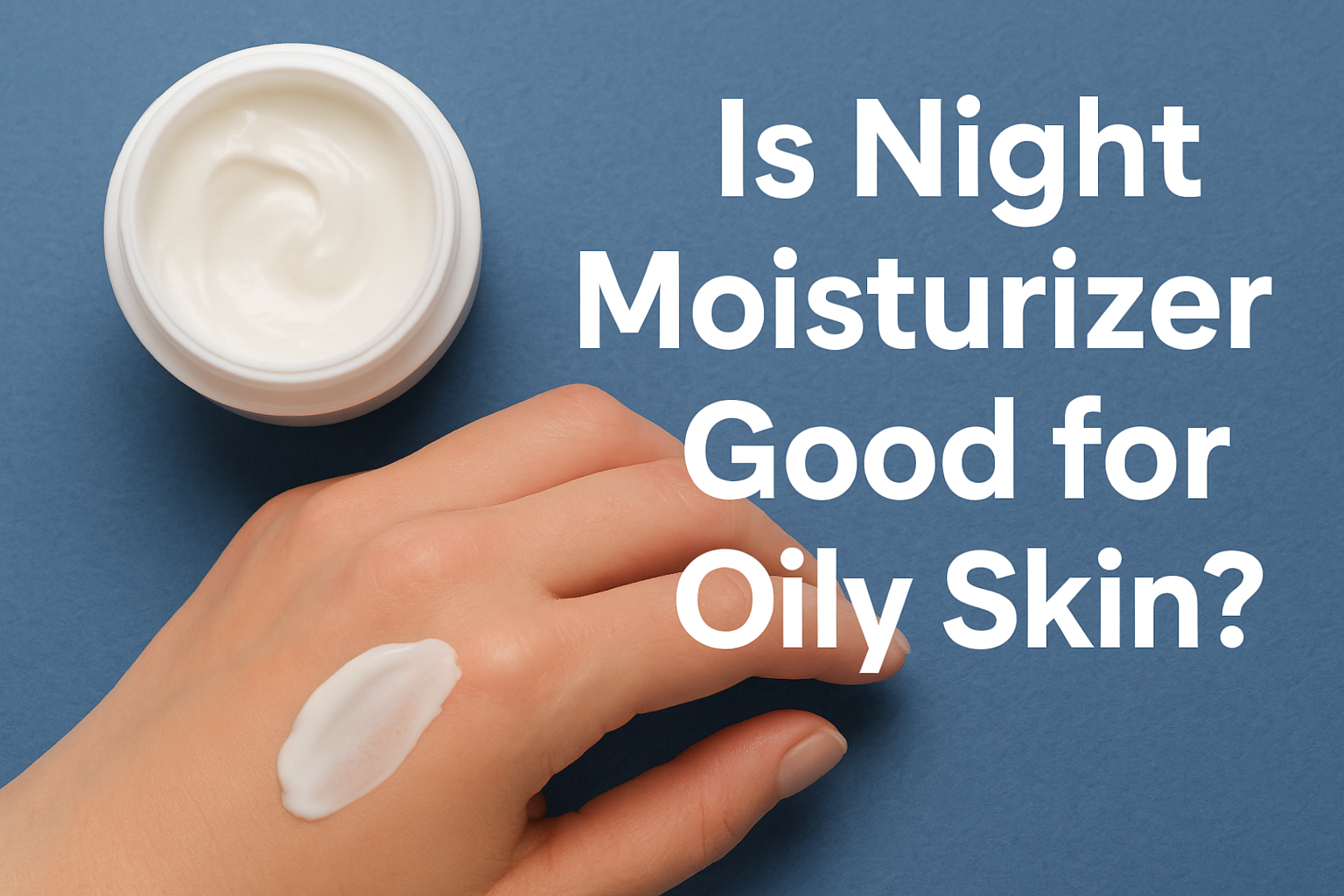
For people with oily skin, managing excess oil production is often a key focus of daily skincare routines. Many tend to use products with drying ingredients like retinoids or hydroxy acids to remove oil from the face. While these ingredients have their benefits, overusing them or using them without balance can lead to new problems such as irritation, dehydration, or even more oil production as the skin tries to compensate. (Night Moisturizer)
The truth is, oily skin still needs moisture. A common misconception is that using moisturiser will make the face even oilier. In fact, when the skin feels dry, the sebaceous glands (oil glands) may respond by producing more sebum to make up for the dryness. As a result, the face may appear even oilier.
That’s why moisturising is an important step—even for those with oily skin. The key is to choose the right moisturiser: one that is lightweight, non-comedogenic, and water- or gel-based, so it can hydrate the skin without clogging pores or leaving a greasy feeling.
According to board-certified dermatologists like Dr Julia Schwartz and Dr Blair Murphy-Rose, maintaining proper skin hydration is one of the most effective ways to naturally calm excess oil production. When the skin is well-hydrated, it feels “safe” and doesn’t need to overproduce oil as a defence mechanism.
So instead of avoiding moisturiser, people with oily skin should make it a core part of their skincare routine.
What Is Oily Skin?
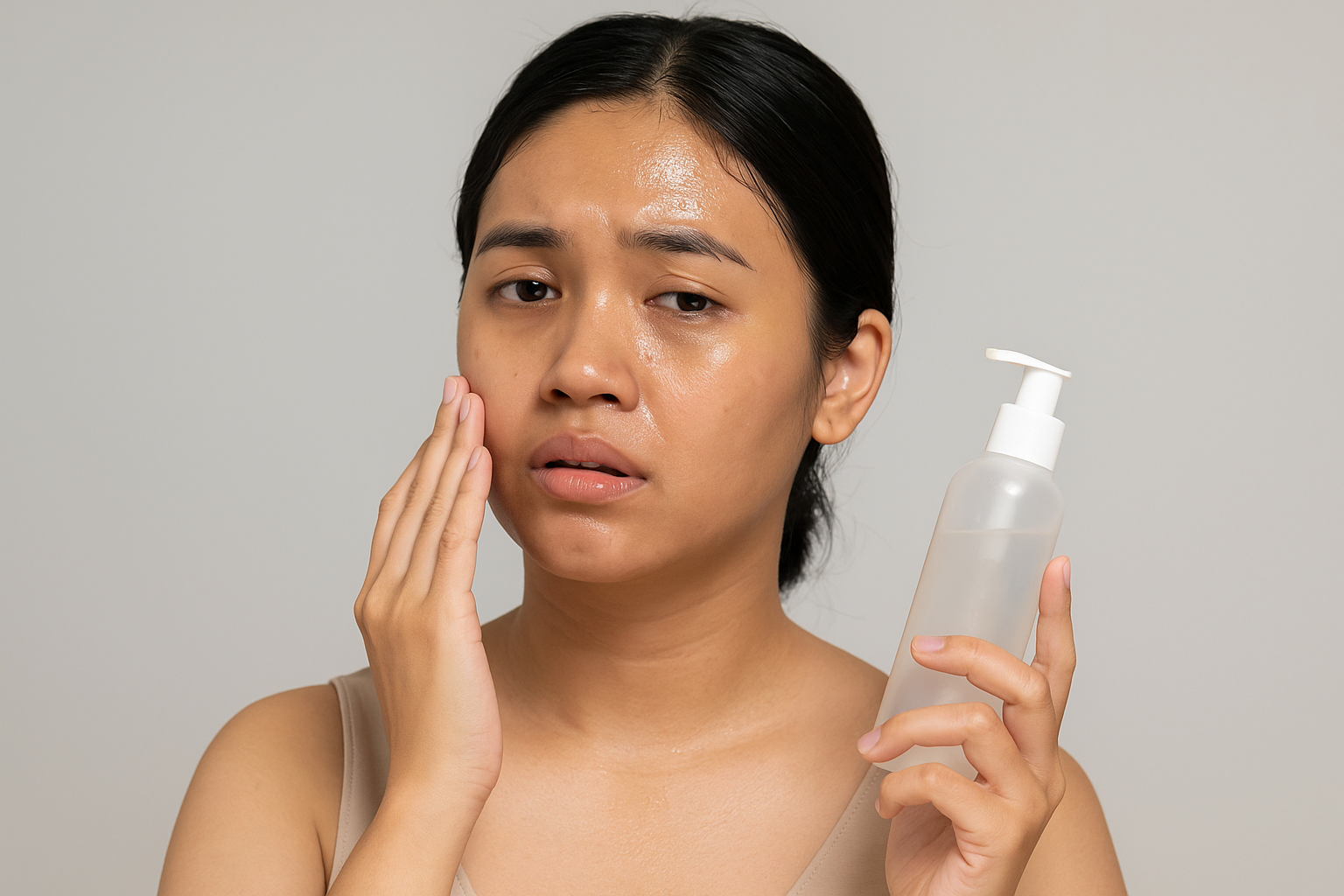
Oily skin happens when the sebaceous glands in the skin produce too much sebum—your skin’s natural oil. Sebum actually plays an important role: it helps keep the skin moisturised and protects hair from drying out. However, when produced in excess, it can make the skin look shiny and greasy, and increase the risk of issues like acne, blackheads, and clogged pores.
According to Dr Julia Schwartz, oily skin doesn’t just make your face look “shiny”—it can also trigger various skin problems if not properly managed.
Interestingly, everyone produces sebum, regardless of their skin type—except in certain areas like the palms and soles. But some people naturally have more active sebaceous glands, often due to genetics. So if your parents have oily skin, there’s a good chance you do too.
However, oily skin isn’t always caused by internal factors. External influences like hot and humid weather or hormonal changes (such as during menstruation) can also increase oil production. That’s why someone might have normal skin in one season, but oilier skin in another.
Your skincare habits also play a big role. Washing your face too often or using harsh products can strip the skin of its natural oils. In response, the body may “panic” and produce even more sebum to make up for the loss.
The good news is, the solution is quite simple: use skincare products that match your skin type—especially the right moisturiser. By maintaining balanced skin hydration, sebum production can be managed more effectively, helping your skin look healthier and less oily.
Why You Still Need to Moisturize Oily Skin, According to Dermatologists
Moisturising the skin isn’t just about making it feel soft—it also plays a key role in regulating natural oil (sebum) production. According to Dr Julia Schwartz, when the skin lacks moisture, the body may try to compensate by producing more oil. Unfortunately, this often results in the skin looking even greasier and becoming more prone to acne and clogged pores.
Interestingly, some people experience a unique condition: their skin appears oily but feels dry or sensitive. This usually happens due to overuse of active ingredients like retinoids or hydroxy acids. While these ingredients are effective for treating acne and boosting skin renewal, excessive use can damage the skin barrier and cause moisture loss.
It’s important to understand that even oily skin may struggle to retain water. Yet hydration is essential for keeping skin healthy, resilient, and less prone to irritation or inflammation.
This is where moisturisers become especially important—particularly at night. While you sleep, your skin naturally goes through a repair and renewal process. Applying moisturiser before bed helps strengthen the skin barrier, lock in moisture, and support the skin’s natural healing.
By choosing the right moisturiser for your skin type, you help your skin reach its ideal balance—not too dry, not too oily, but just right.
When to Moisturize Oily Skin: Best Times and Dermatologist Tips
Dermatologists recommend that people with oily skin still use moisturiser—at least once a day. The best time to do this is at night. Why? Because while you sleep, your skin enters its rest and repair phase. During this time, cell regeneration increases, which means skincare ingredients—including moisturisers—can be absorbed more effectively and work more efficiently.
According to Dr Blair Murphy-Rose, nighttime is also when the skin loses the most moisture. This is called transepidermal water loss—a natural process where water evaporates from the skin’s surface. If left unaddressed, this can lead to dryness and imbalance by the next morning, even for oily skin types.
That’s why applying moisturiser at night is so important. It helps lock in moisture, strengthen the skin’s natural barrier, and maintain hydration throughout the night. As a result, your skin feels more hydrated, healthy, and balanced—without becoming oilier.
How to Choose the Right Skincare Products for Oily Skin
Choosing the right moisturiser for oily skin requires special attention to keep the skin hydrated without adding shine or increasing the risk of breakouts. The key is to find a product that provides enough moisture while staying light on the skin. According to Dr Blair Murphy-Rose, look for moisturisers or facial lotions labeled lightweight, oil-free, and non-comedogenic. These labels indicate that the product is designed not to clog pores—a crucial feature for oily skin types.
In addition to texture, it’s important to choose products with the right ingredients. Humectants like hyaluronic acid, polyglutamic acid, glycerin, and aloe vera are highly recommended. These ingredients work by drawing water into the top layers of the skin, offering hydration without making the face feel greasy or heavy.
To support the skin’s natural barrier, moisturisers with ceramides and squalane are also great options. These ingredients are generally non-comedogenic, so they’re safe for oily skin while helping to maintain skin balance.
On the other hand, avoid thick creams, ointments, oils, and rich ingredients like butters (e.g., shea butter), petrolatum, silicones, and vitamin E (tocopherol). While these are beneficial for dry skin, they can worsen shine and clog pores in oily skin types.
With the right approach, you can keep oily skin well-moisturised without worrying about excess shine or breakouts.
Dermatologist Picks: The Best Products to Control Oily Skin
Finding the right moisturiser for oily skin can be challenging, but several products are specially formulated to balance oil without clogging pores or causing excess shine.
Skincare Junkie’s Moisturizer Megadose Super Antioxidant Face is a top choice. This oil-free, lightweight formula combines antioxidant, anti-pollution, and anti-aging benefits in one. It contains coenzyme Q10, resveratrol, green tea, and vitamin C—all known for protecting the skin from free radicals, supporting overnight repair, and providing hydration without triggering breakouts. It’s also hypoallergenic, vegan, and suitable for oily and acne-prone skin.
For daytime use, Murad Oil Control Mattifier SPF 15 is a practical option, combining moisturiser with sun protection. It includes mattifying agents to absorb excess oil and help prevent breakouts. However, since its SPF is relatively low, it’s best to pair it with an additional sunscreen to reach a total SPF of 30 or higher.
Another great option is Cetaphil DermaControl Oil Absorbing Moisturizer SPF 30. This product is lightweight, oil-free, fragrance-free, and non-comedogenic. It hydrates the skin while also absorbing oil, making it ideal for daily use.
Lastly, CeraVe Ultra-Lightweight PM Facial Moisturizing Lotion is a good nighttime option, especially in dry climates. While its texture is slightly richer, it remains oil-free and non-comedogenic—making it a trusted pharmacy favourite for oily or acne-prone skin.
How to Apply Skincare Products for Oily Skin: Expert Tips
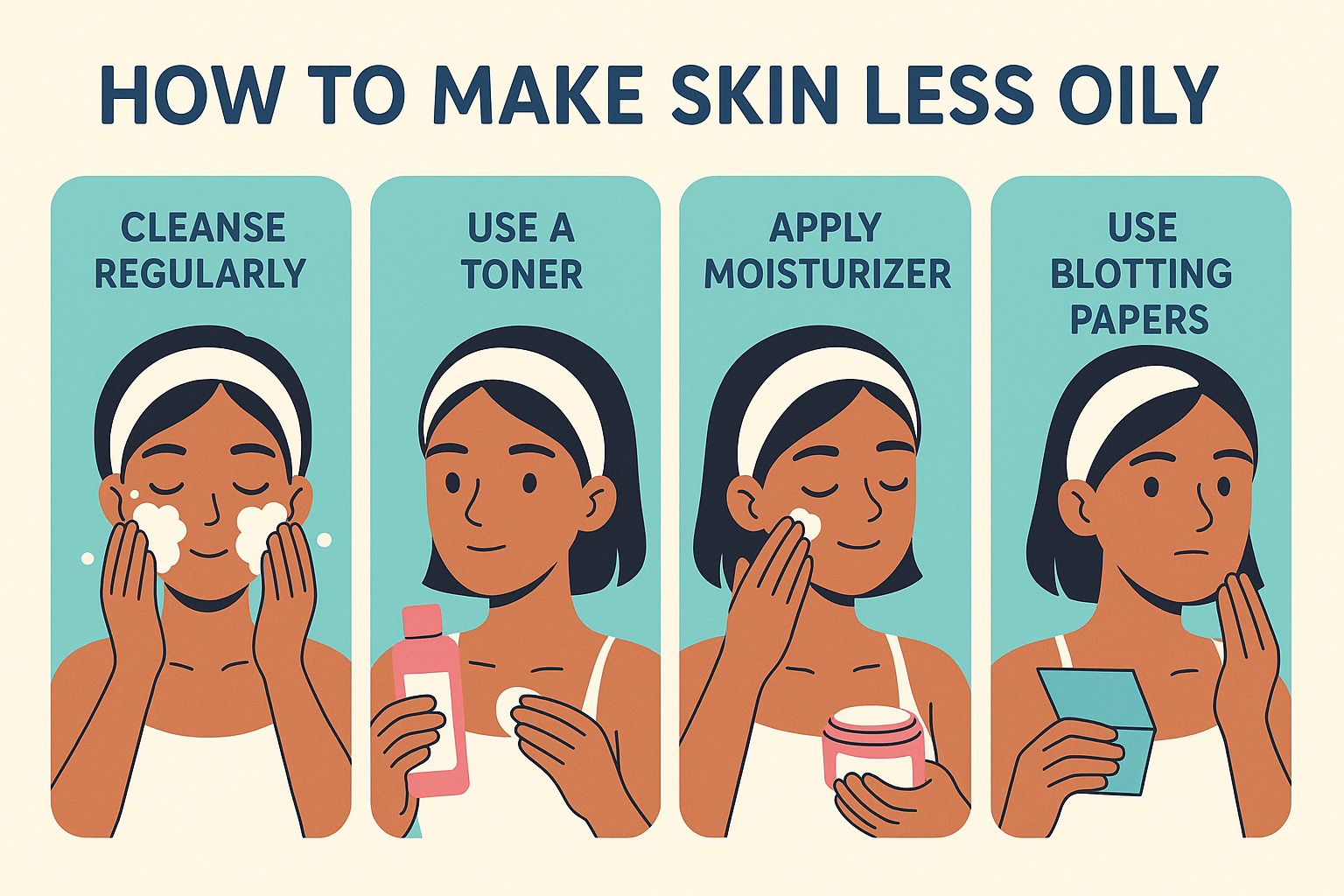
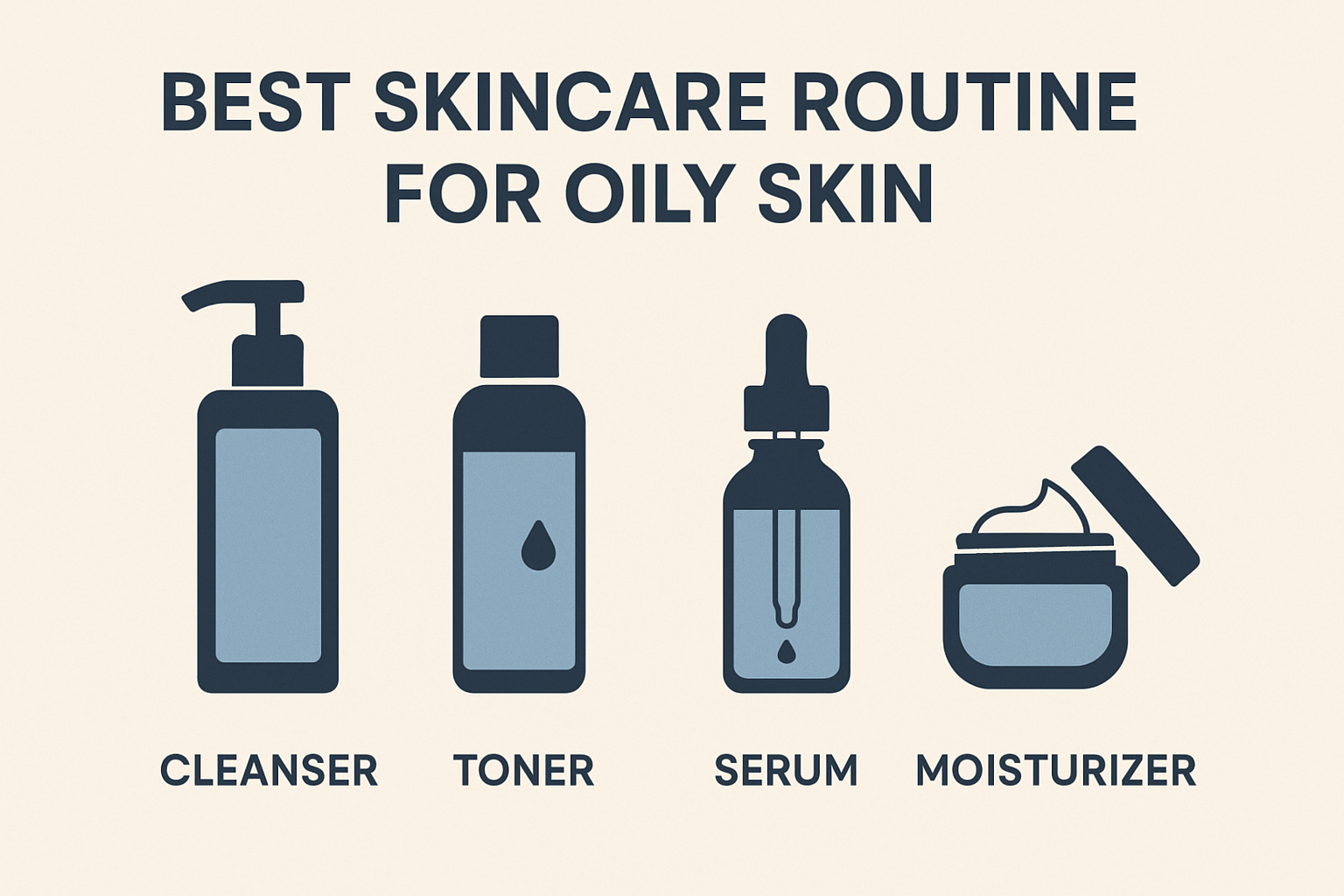
Step 1: Cleanse Your Face Thoroughly
Start by washing your face twice a day—morning and night. In the evening, use a gentle yet effective cleanser to remove excess oil, leftover makeup, dirt, and pollution. This step is important to prevent your moisturiser from “locking in” impurities that could clog your pores.
Step 2: Apply Serum or Retinoid (Optional)
If you use a serum or retinoid, apply it after your skin has dried from cleansing. Retinoids are highly recommended for oily skin, as they help unclog pores and reduce excess oil production.
Step 3: Apply the Right Amount of Moisturiser
Use a small amount of moisturiser—about the size of a coin. Don’t overdo it. Just enough to hydrate your skin without making it feel heavy.
Step 4: Gently Massage Evenly
Gently massage the moisturiser into your face using your fingertips in upward and outward motions. Focus on oily areas like the forehead, nose, and chin, but don’t forget your cheeks and neck.
Step 5: Let It Fully Absorb
Wait a few minutes to allow the moisturiser to fully absorb before lying down. This gives active ingredients time to work while you sleep.
Always choose an oil-free, lightweight, non-comedogenic moisturiser to avoid excess shine or clogged pores. Stick to a consistent routine, and your oily skin will look more balanced and healthier each morning!
Conclusion
Managing oily skin isn’t about removing all the oil—it’s about finding the right balance between hydration and your skin’s natural sebum production. Many people believe that oily skin doesn’t need moisturiser, but the opposite is true. When skin lacks moisture, it can respond by producing even more oil to compensate, which only worsens the oily appearance.
That’s where night-time moisturising plays a vital role. While you sleep, your skin enters a regeneration phase, allowing active ingredients in your moisturiser to work more effectively. For oily skin, the best choice is a lightweight, fast-absorbing, non-comedogenic moisturiser—meaning it won’t clog pores or trigger breakouts.
Recommended ingredients include:
- Hyaluronic acid – attracts and holds moisture in the skin without feeling heavy.
- Glycerin – a humectant that keeps the skin hydrated throughout the night.
- Ceramides – strengthen the skin barrier to prevent moisture loss and protect against irritation.
With regular use each night, the right moisturiser can help control excess oil, keep your skin smooth, and reduce the risk of acne. Consistency is key. When done properly, a night routine like this can help oily skin feel more balanced, refreshed, and healthy day after day.
So don’t be afraid to moisturise—what matters most is choosing the right product.
You might also like
 Acne
Acne Anti-Aging
 Business
 Digital Marketing
 Economics
 Exfoliation
 Hair Removal
 Movies
 Personal Finance
 Websites