Oilplaning: The Best Dermaplaning Alternative for Sensitive Skin

Have you ever noticed how someone’s skin looks incredibly smooth and radiant after a facial treatment? One common procedure that creates this effect is dermaplaning. Now, a gentler variation called oilplaning has emerged.
Dermaplaning is a non-invasive exfoliation technique that uses a small surgical blade (typically a number 10 scalpel) to remove dead skin cells (the stratum corneum) and fine facial hair (vellus hair). The result is smoother, more even-toned skin that better absorbs skincare products and provides a flawless base for makeup application.
However, dermaplaning isn’t suitable for everyone. For people with dry or sensitive skin, it may cause irritation, redness, or inflammation. To address this, a gentler alternative—oilplaning—was developed. The key difference is the use of a non-comedogenic facial oil applied before exfoliation. This oil acts as a lubricant and protective barrier, reducing friction between the blade and the skin, which helps to minimize the risk of irritation.
According to dermatologists Dr. Aanand Geria and Dr. Lauren Penzi, oilplaning is safe for almost all skin types, including sensitive, dry, and easily irritated skin. The effectiveness lies in choosing the right kind of facial oil and applying the technique correctly. This approach not only improves skin texture but also supports the skin’s natural barrier, making oilplaning a gentler yet effective exfoliation method.
What Is Oilplaning?
According to Dr. Aanand Geria, the main goal of oilplaning is essentially the same as dermaplaning—to remove fine facial hair (also known as vellus hair or peach fuzz) and exfoliate the outermost layer of the skin (the stratum corneum). This helps reveal a smoother, brighter, and more radiant skin surface. By eliminating dead skin cells, it also encourages better skin cell renewal.
Dr. Geria adds that after the procedure, makeup goes on much more smoothly and evenly, giving the skin a naturally glowing finish. What sets oilplaning apart is the use of facial oil before the exfoliation begins. This oil acts as both a lubricant and a protective layer for the epidermis, allowing the blade to glide gently across the skin without causing excessive friction or irritation.
Much like shaving cream or gel in traditional shaving, the facial oils used in oilplaning typically contain emollients and hydrating ingredients. These help maintain the integrity of the skin barrier and reduce the risk of micro-abrasions or tiny cuts during the procedure. Because of this, oilplaning is considered a safer and more comfortable option—especially for those with skin that’s prone to dryness or inflammation.
Benefits of Oilplaning
Oilplaning is a skincare technique that follows the same basic principle as dermaplaning—physically exfoliating the skin to remove dead skin cells (stratum corneum) and fine facial hair (vellus hair). However, the key difference lies in the use of facial oil before the procedure begins. According to Dr. Lauren Penzi, the oil acts as a lubricant, allowing the exfoliating tool to glide more smoothly across the skin. This reduces friction and minimizes the risk of irritation or microtears in the epidermis.
The oils used in oilplaning are typically non-comedogenic and rich in emollients. These not only protect the skin’s barrier but also help retain moisture during the treatment. This makes oilplaning an ideal alternative for those with sensitive, dry, or easily irritated skin.
Dr. Aanand Geria adds that the benefits of oilplaning are not just immediate. With regular sessions—about every three weeks—it can provide longer-term improvements. The procedure helps prevent the buildup of dead skin cells, reduces clogged pores, promotes faster cell turnover, and enhances the absorption of skincare products. The result is skin that looks smoother, brighter, and naturally radiant. Oilplaning is not just an exfoliation method—it’s a gentle yet effective way to support healthy skin regeneration.
Oilplaning Risks: What You Need to Know Before Trying It
While oilplaning is considered a gentle and generally safe exfoliation method, its effectiveness and safety greatly depend on proper technique and individual skin condition. According to Dr. Aanand Geria, performing oilplaning without adequate preparation—especially at home—can lead to skin issues. If the face is not thoroughly cleansed of dirt, excess oil, or makeup residue, these particles can interfere with the smooth motion of the exfoliating tool and increase the risk of microabrasions. Contaminants on the skin may also spread bacteria, potentially leading to infections or breakouts.
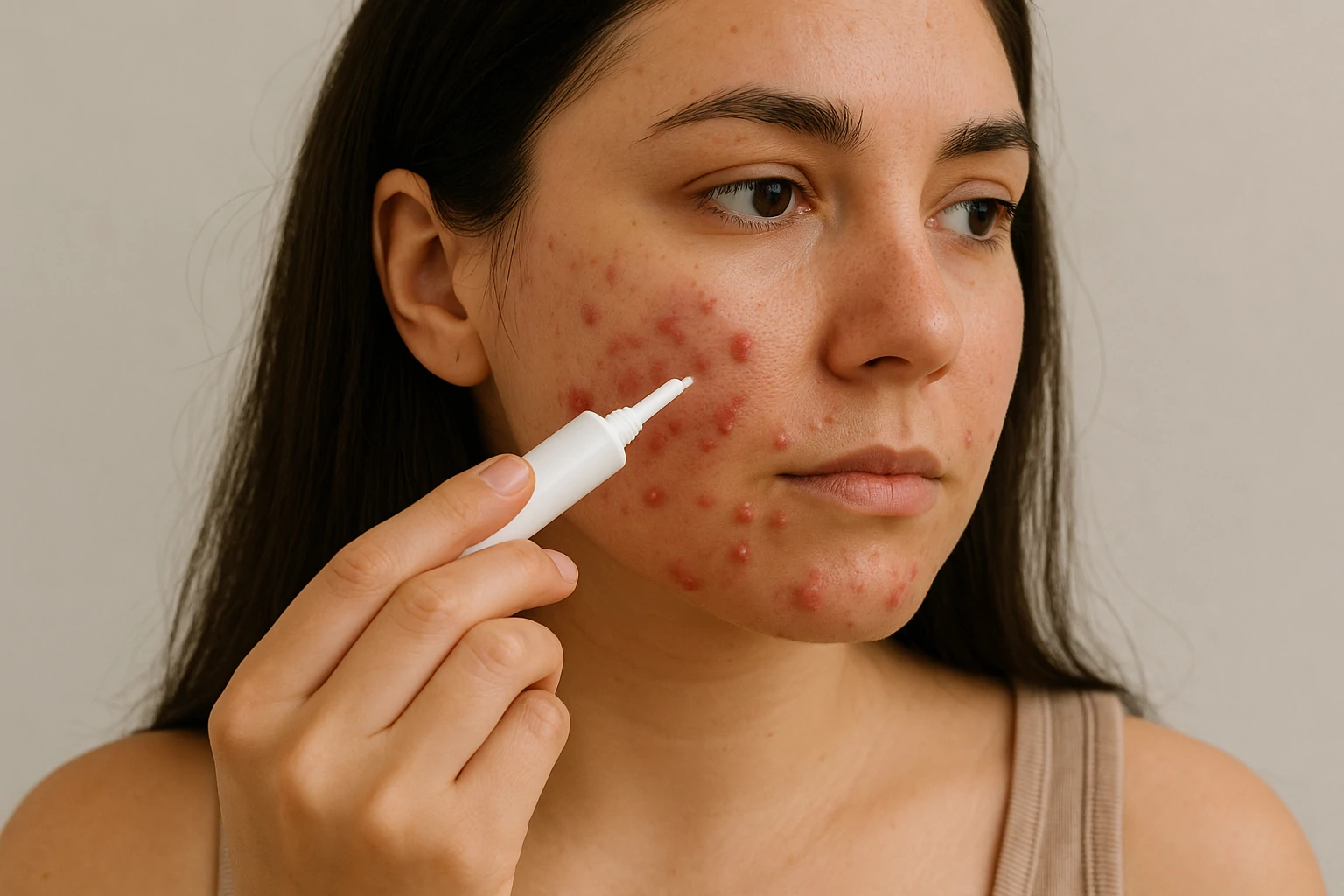
Understanding your skin type is also crucial. For individuals with conditions such as eczema, dermatitis, or active acne, oilplaning should be avoided. As Dr. Geria and Dr. Lauren Penzi explain, using the wrong type or too much facial oil can clog pores and worsen skin issues—particularly for those with naturally oily skin. Excess oil can also make the surface too slippery, increasing the risk of the blade slipping and causing cuts.
In conclusion, oilplaning can be an effective skincare solution that leaves the skin glowing, but it must be done with care. Tailoring the procedure to your skin type, using the right products, and following proper hygiene and technique are essential to minimize risks and achieve the best results.
How to Do Oilplaning at Home: Step-by-Step Guide
- Skin Preparation:
Start by cleansing your face with a gentle cleanser to remove dirt, oil, and makeup. Clean skin helps prevent bacterial contamination during the procedure.
- Apply Facial Oil:
Use a non-comedogenic oil like squalane, argan, or jojoba oil. The oil acts as a lubricant, reducing friction and helping to prevent irritation.
- Exfoliation Technique:
Gently pull the skin taut and use a sterile dermaplaning blade at a 45° angle. Make short, light strokes following the direction of hair growth. Avoid sensitive areas like the hairline and eyebrows.
- Three Essential Rules from Dr. Geria:
- Consult a dermatologist first, especially if you have active acne, eczema, or sensitive skin.
- Sterilization is key—both the tool and the face must be clean. Avoid going over the same area more than once to reduce the risk of irritation.
- Finish with a moisturizer to soothe the skin and support the skin barrier.
When done properly, oilplaning boosts skin renewal, leaving the face smoother, more radiant, and better prepared to absorb skincare products.
Effective Alternatives to Oilplaning for Hair Removal and Glowing Skin
If your goal is to remove fine facial hair (vellus hair), there are several alternatives to oilplaning worth considering. One of the more long-lasting options is laser hair removal, which works by targeting the melanin in hair follicles with light energy to slow down future growth over time. That said, allowing peach fuzz to grow naturally is also a completely valid and healthy choice, as this soft hair is harmless and even provides light protection for the skin.
When it comes to skin exfoliation and improving texture and radiance, oilplaning is effective—but it’s not the only solution. Dr. Lauren Penzi explains that retinol and retinoids (vitamin A derivatives) are scientifically proven to boost cell turnover, smooth skin texture, and reduce the appearance of pores. For deeper results, professional treatments like microneedling, radiofrequency microneedling, and laser resurfacing (such as Fraxel or CO2 lasers) stimulate collagen production and help even out skin tone and texture.
For those who prefer at-home care, Dr. Aanand Geria recommends gentle chemical exfoliation, such as using mild scrubs, peel-off masks, or exfoliating pads with glycolic acid (AHA) or beta hydroxy acid (BHA). These acids effectively remove dead skin cells and support healthy skin regeneration—with minimal risk of irritation when used correctly.
With so many options available, it’s important to choose treatments that suit your skin type and sensitivity level.
Oilplaning: When Is the Right Time and Who Is It For?
Oilplaning is an exfoliation procedure that combines the technique of dermaplaning with the use of facial oils to reduce friction and minimize the risk of irritation. This method is highly recommended for individuals with dry, sensitive, or aging skin, as it removes dead skin cells while helping to maintain the skin’s natural moisture.
However, oilplaning is not suitable for all skin types. According to dermatologists, it should be avoided by individuals with active skin conditions such as inflammatory acne (acne vulgaris), cystic acne, flaking or irritated skin, eczema, psoriasis, rosacea, or those with coarse, dark facial hair, as it may worsen the condition and trigger inflammation.
Ideally, oilplaning should be performed once every three weeks to allow the skin time for natural regeneration. Overdoing it can disrupt the skin barrier and increase sensitivity.
Before trying oilplaning—or any skincare treatment—it’s essential to understand your skin type and condition. Consulting a certified dermatologist or licensed skincare professional will help ensure that the chosen treatment is both suitable and safe. With the right approach and professional guidance, oilplaning can be a valuable addition to your skincare routine, helping your skin stay smooth, healthy, and radiant.


 Acne
Acne Anti-Aging
 Business
 Digital Marketing
 Economics
 Exfoliation
 Hair Removal
 Movies
 Personal Finance
 Websites