Dark Skin Warning: Beauty Treatments You Should Never Try
In the world of beauty treatments, every procedure carries potential side effects or limitations—but these are often not fully disclosed, especially when it comes to different skin types. For individuals with darker skin (skin of color), finding accurate and relevant information about which treatments are suitable can be more challenging. This is because most research and public discussions on aesthetic treatments are still centered around lighter skin tones, often overlooking the specific needs of darker skin.
Darker skin, which contains higher levels of melanin, has unique characteristics—such as a higher risk of post-inflammatory hyperpigmentation (PIH). This makes it more sensitive to certain invasive procedures, like laser treatments or chemical peels. That’s why it’s important to understand that not all treatments are suitable for all skin types.
To help avoid mistakes and unwanted side effects, we consulted certified skincare and aesthetics expert Kerry Benjamin. She shares professional insights on which treatments are safe and effective for darker skin, and which ones are best avoided. With this guide, you don’t have to waste time searching through fragmented information—we’ve gathered trusted, evidence-based advice just for you.
Why Dark Skin Should Avoid Laser Treatments
Laser treatments can pose significant risks for individuals with darker pigmented skin. According to licensed aesthetician Kerry Benjamin, “Lasers can be very dangerous and often cause permanent damage to darker skin.” This is due to the higher melanin levels found in Fitzpatrick skin types IV, V, and VI, which make the skin more prone to post-inflammatory hyperpigmentation (PIH) and heat-related injuries.
The heat energy from lasers can overstimulate melanin production, leading to dark spots or even scars that are difficult to treat. This is a common issue when procedures are not tailored to the unique needs of darker skin, especially in treatments like laser resurfacing or using the wrong type of laser for hair removal.
However, this doesn’t mean all laser technology must be avoided. For treatments like laser hair removal, darker skin can still be treated safely using ND:YAG laser technology.1Chan CS, Dover JS. Nd:YAG laser hair removal in Fitzpatrick skin types IV to VI. J Drugs Dermatol. 2013;12(3):366-367. This laser has a wavelength of 1064 nm, which penetrates deeper into the skin and bypasses the melanin-rich epidermis, reducing the risk of pigmentation and burns.
It’s important to remember that not all lasers are safe for all skin types. That’s why consulting a certified professional and choosing the right technology for your skin type is essential. This understanding is key to achieving safe, effective results for darker skin.
Safe Non-Invasive Treatments for Dark Skin
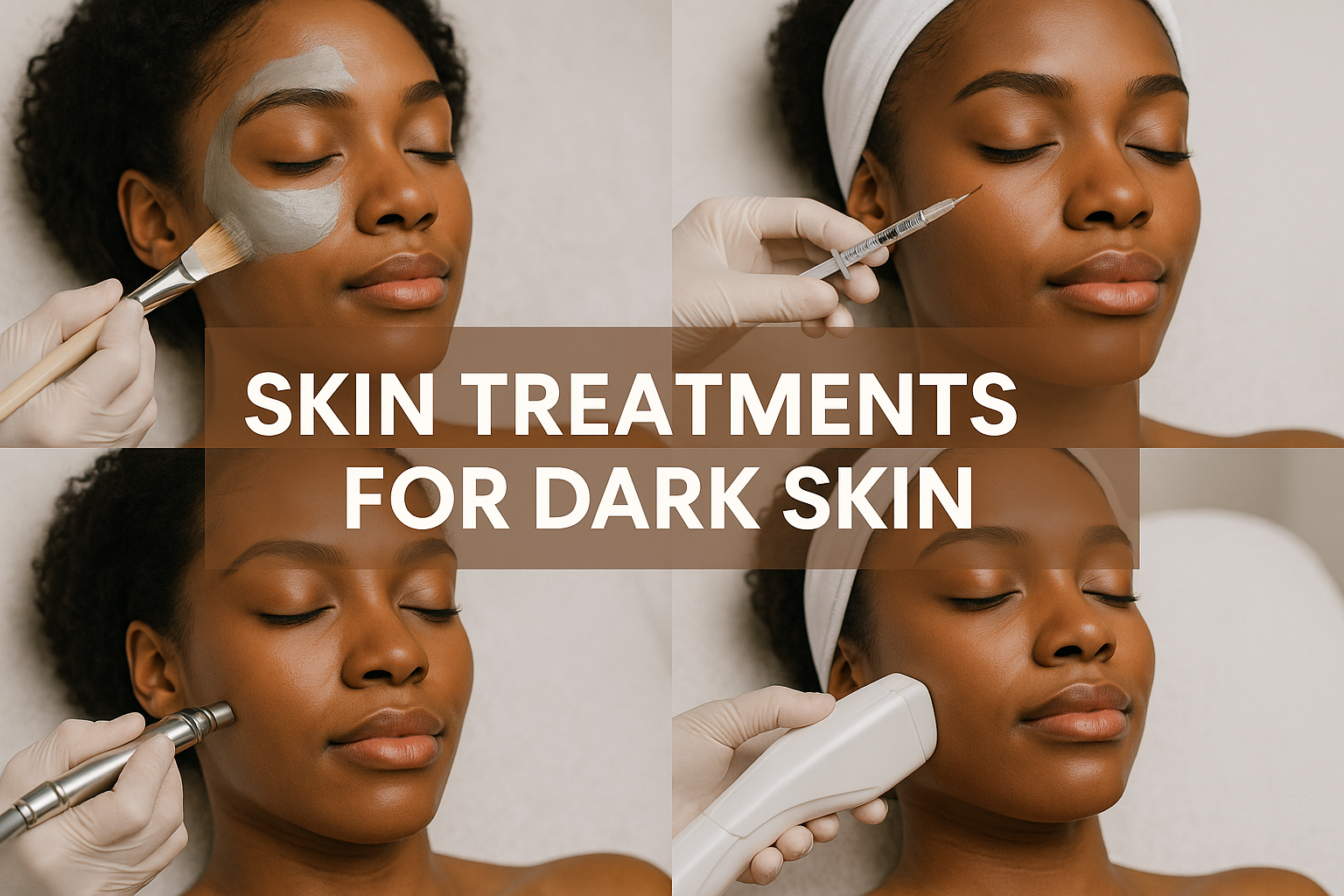
Dark skin requires a careful and tailored approach, as incorrect treatments can lead to permanent damage—including hyperpigmentation, scarring, and long-term sensitivity. According to certified aesthetician Kerry Benjamin, “Dark skin must be treated with great care because the risks are significantly higher.” Despite these concerns, there are several non-invasive treatments that have been proven safe and effective for addressing acne, pigmentation, and scarring in melanin-rich skin.
Recommended treatments include microdermabrasion, medium-depth chemical peels, dermaplaning, and microneedling. These methods work gradually to improve skin texture, stimulate collagen production, and reduce pigmentation—without the heat-related risks that come with laser procedures. While visible results may take up to six months, this gradual approach is ideal for skin that is more sensitive to trauma.
Combining treatments—such as microneedling with superficial peels—can enhance results without increasing the risk of hyperpigmentation, as long as they’re performed by a trained professional.2Nikalji N, Godse K, Sakhiya J, Patil S, Nadkarni N. Complications of medium depth and deep chemical peels. J Cutan Aesthet Surg. 2012;5(4):254-260. doi:10.4103/0974-2077.104913 However, individuals with Fitzpatrick skin types IV to VI should avoid aggressive chemical peels, which can overstimulate melanin production and trigger unwanted reactions.
The philosophy of slow and steady wins the race is especially true when it comes to treating dark skin. A gentle yet consistent approach is far safer and delivers long-term results without complications.
Safe Home Skincare for Dark Skin
At-home skincare for dark skin should prioritize safety, effectiveness, and the risk of hyperpigmentation. Licensed aesthetician Kerry Benjamin recommends starting with a broad-spectrum sunscreen with at least SPF 30. UV exposure is one of the leading causes of hyperpigmentation and collagen breakdown, especially in melanin-rich skin.
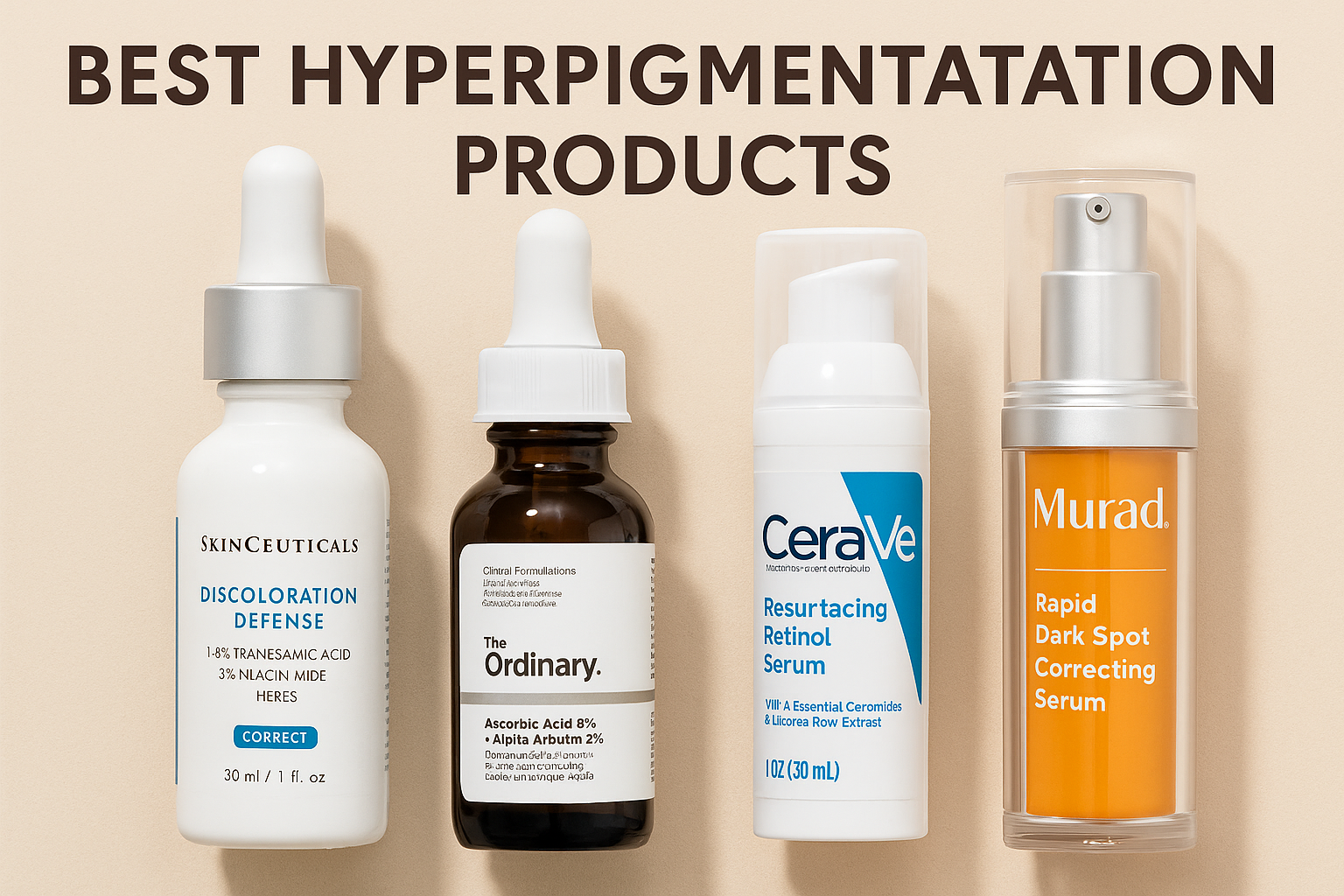
Benjamin also suggests using retinol to speed up cell turnover, along with active ingredients like lactic acid, kojic acid, azelaic acid, arbutin, and licorice extract. These ingredients work together to exfoliate dead skin cells, reduce excess melanin production, and gradually even out skin tone and texture.
For more intensive at-home care, Benjamin recommends a Collagen Rejuvenating Kit, which includes:
- An EGF-based serum to support skin repair
- A mineral peel with willow bark extract for gentle exfoliation, and
- Seaweed extract for nourishment and hydration.
The kit also includes a microroller designed to stimulate collagen production, reduce scarring, and improve skin texture.
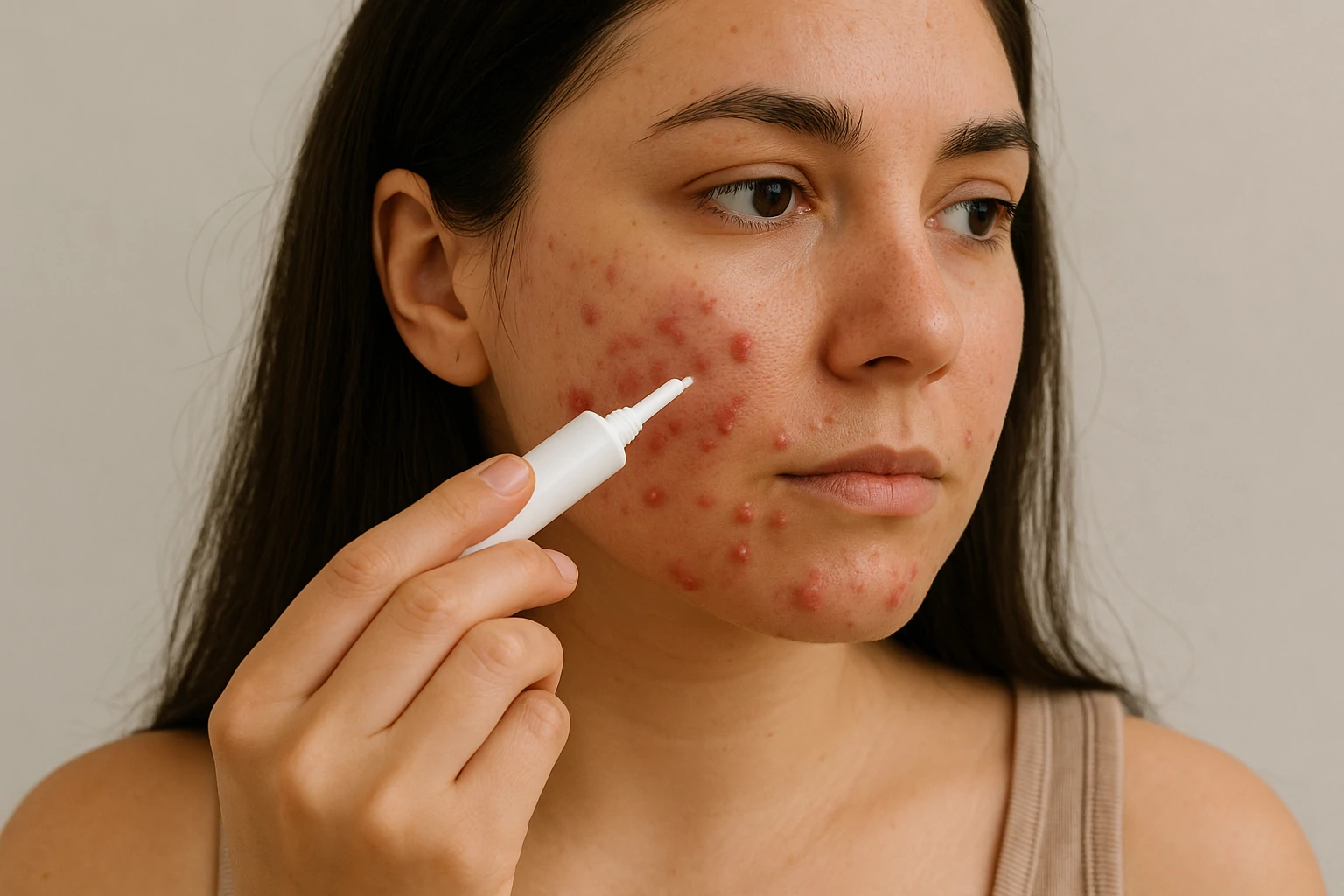
However, microneedling should not be used on active acne—such as pus-filled pimples or cystic acne—as it can worsen inflammation and spread bacteria. Once the acne has healed, microneedling can be safely used to treat scarring and post-inflammatory hyperpigmentation, particularly on darker skin, which is more prone to trauma-related pigmentation.
 Acne
Acne Anti-Aging
 Business
 Digital Marketing
 Economics
 Exfoliation
 Hair Removal
 Movies
 Personal Finance
 Websites