Tighten Neck Skin: 13 Expert-Approved Ways for a Smoother, Firmer Look

While the face often gets the spotlight in skincare routines, the neck is frequently overlooked—even though many people seek ways to tighten neck skin as they age. In reality, the neck is an extension of the face and just as prone to signs of aging. This is sometimes referred to as the “modern Dorian Gray effect,” where the face looks youthful, but the neck reveals the true age.
Scientifically, the skin on the neck is thinner and has fewer oil glands than the face, making it more vulnerable to dryness, loss of elasticity, and wrinkles. According to board-certified dermatologist Dr. Alicia Zalka, one of the main causes of “turkey neck” (sagging skin around the neck) is a combination of reduced dermal elasticity and physiological changes in the skin’s surface. These changes are influenced by genetics, gravity, natural aging, and hormonal shifts—all of which are difficult to control.
However, some external factors are preventable. Sun exposure, poor posture, repeated muscle contractions (such as those from using mobile devices), and inconsistent skincare habits are within our control. Early prevention—through the use of sunscreen, moisturizers with peptides or retinol, and regular neck-stretching exercises—can help slow down the aging process and support efforts to tighten neck skin naturally over time.
Use Retinol for Neck Firming
Retin-A, chemically known as tretinoin or retinoic acid, is an active derivative of vitamin A and is widely recognized in dermatology as the gold standard for skin rejuvenation. According to board-certified dermatologist Dr. Roberta Del Campo, Retin-A is highly effective in tightening the skin on the neck. This is due to its ability to accelerate cell turnover and stimulate collagen production in the dermis—the main structural protein responsible for skin firmness and elasticity.
Retin-A is FDA-approved for treating and preventing wrinkles, which reinforces its credibility through strong scientific evidence and clinical trials. With consistent use, Retin-A helps improve skin texture, reduce fine lines, and prevent sagging—particularly in the neck area, which is more vulnerable to aging than the face.
However, the neck’s delicate skin presents unique challenges. Dr. Heather Woolery-Lloyd, a dermatologist based in Miami, emphasizes the importance of starting with a low concentration to reduce the risk of irritation. Since neck skin is thinner and contains fewer oil glands, it is more prone to redness, peeling, or a burning sensation when first using retinoids.
Gradual adaptation is key—starting with application once or twice a week and increasing frequency based on skin tolerance. It’s also recommended to pair Retin-A with a hydrating moisturizer containing ceramides or hyaluronic acid to maintain skin moisture and comfort during treatment.
Also Read: How Long Does Retinol Take to Work On Skin?
Proper Neck Cream Application: A Key to Preventing Premature Neck Aging
While awareness about the importance of neck cream has grown, many people still misunderstand the correct way to apply it. In fact, the technique used to apply skincare products to the neck greatly affects their effectiveness in slowing down the aging process.
Dr. Helen Flamenbaum, MD, from Schweiger Dermatology Group, explains that the neck is anatomically more prone to aging for two main reasons: (1) the skin on the neck is thinner than the skin on the face, and (2) the supporting muscles and tissue in the neck are structurally weaker. This makes the neck more likely to show signs of aging such as sagging, wrinkles, and loss of elasticity.
Dermatologists recommend using gentle pressure when applying creams or serums. Harsh rubbing or pulling can damage collagen and elastin fibers, worsening the appearance of sagging skin. To avoid this, always apply neck products using upward strokes—from the collarbone toward the jawline—to support the natural lift and improve blood circulation.
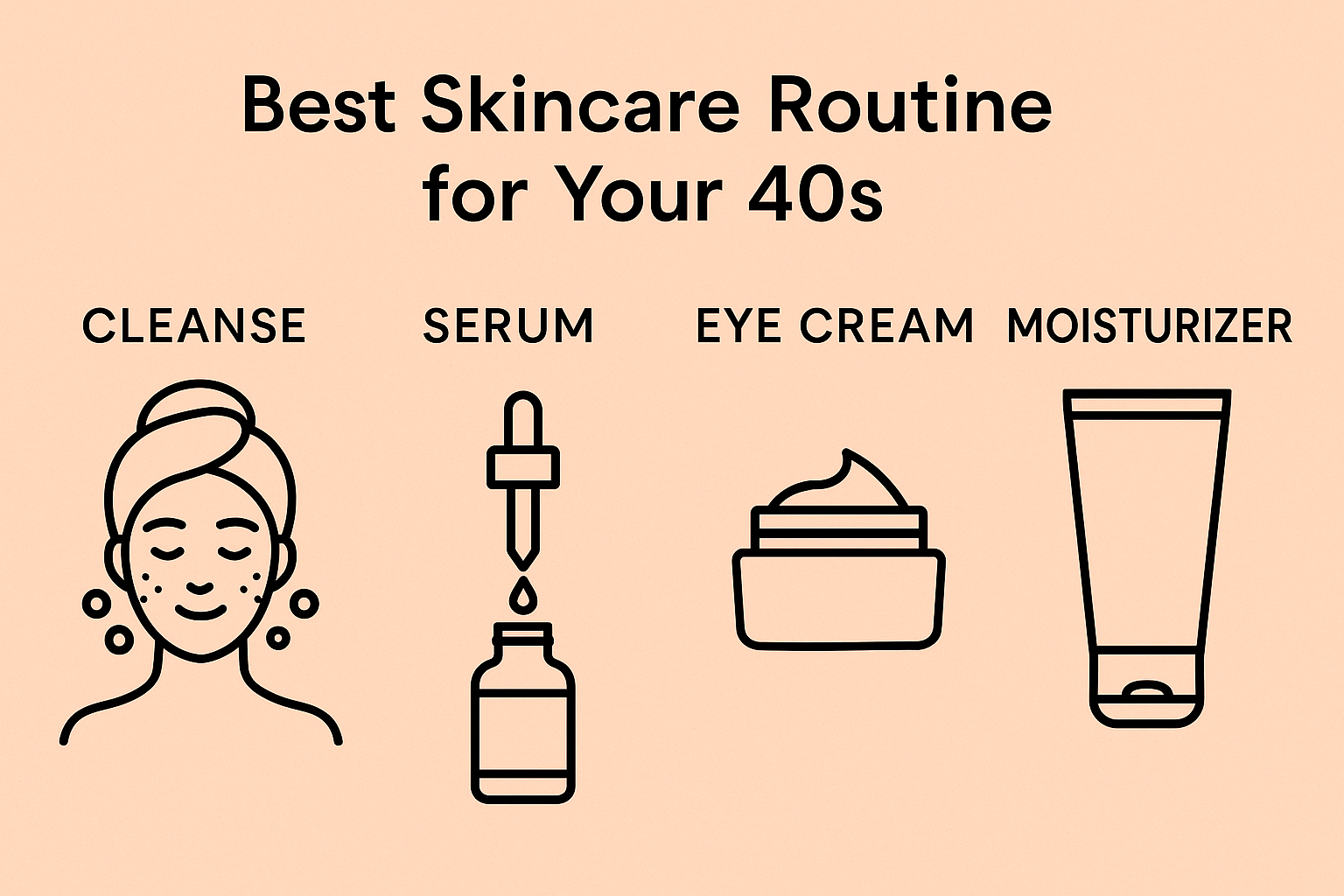
It’s also important to use anti-aging ingredients like peptides, retinol, or hyaluronic acid consistently in the morning and evening. Don’t forget to apply sunscreen during the day to protect the neck from photoaging caused by UV exposure.
Effective Neck Skincare: The Importance of Active Ingredients
Caring for the skin on the neck goes beyond just applying cream—it also depends on the active ingredients in the products used. Dr. Alicia Zalka, MD, a board-certified dermatologist, explains that the skin acts as a protective layer for the deeper, more elastic tissues. If this skin packaging is weak or not properly maintained, a lack of elasticity becomes more apparent. Dr. Zalka compares neck skin to a pillowcase—if the pillowcase is thin, the pillow’s shape will be clearly visible. Similarly, without proper care, the thin skin on the neck can show signs of aging more quickly.
For effective and comprehensive neck skincare, Dr. Zalka recommends looking for products with active ingredients that are scientifically proven to support skin health. Here are some essential active ingredients to maintain the elasticity and firmness of neck skin:
- Zinc Oxide: Known as a key ingredient in sunscreens, zinc oxide provides protection from harmful UV rays that cause skin damage and premature aging. SPF is an essential preventative step.
- Hyaluronic Acid: A powerful molecule that draws and holds moisture, hyaluronic acid helps tighten the skin and provides deep hydration, keeping it soft and supple.
- Niacinamide (Vitamin B3): This ingredient is known for reducing inflammation, regulating melanin production, and reducing hyperpigmentation on the neck skin.
- Retinol: Retinol helps even out skin texture, reduce wrinkles, and stimulate collagen production to prevent skin sagging.
- Vitamin C: As a potent antioxidant, vitamin C protects the skin from free radical damage, improves skin texture, and brightens dark spots.
- Peptides: Peptides play a crucial role in supporting cell metabolism and collagen production, which helps strengthen and firm the skin on the neck.
By choosing products containing these ingredients, you can help keep your neck skin firm, healthy, and protected from the effects of premature aging.
Silicone Patches for Neck Skin: A Simple Solution with Specific Benefits
In the beauty world, the use of patches has become quite common, especially for treating acne and blackheads. These products are popular because of their quick results, ease of use, and flexibility, allowing multiple patches to be worn at once. When it comes to neck skincare, silicone patches are becoming an appealing alternative, especially for those looking to reduce sagging in the neck area without resorting to more invasive procedures.
According to Dr. Alicia Zalka, MD, silicone patches can help with the sagging neck skin that starts to appear over time. These patches work by protecting the skin from creases that can form due to sleeping positions or certain head movements. Dr. Zalka also explains that the patches help lock in moisture, acting as a barrier to keep hydration, which is crucial for maintaining healthy skin elasticity.
However, it’s important to have realistic expectations. While silicone patches can reduce sleep lines and offer some minor benefits, Dr. Zalka points out that there is no medical research supporting silicone patches as a primary treatment for neck aging. Therefore, these patches should be viewed as a complement, not an instant solution, in a more comprehensive skincare routine.
Some users report positive results from using silicone patches regularly, especially on the forehead and neck area. While not as effective as more aggressive treatments like laser therapy or skin lifting, these patches can be a good option for those wanting to try a non-invasive method to reduce the signs of aging.
Apply a Sunscreen Consistently
The skin on the neck and face is closely linked, especially when it comes to environmental exposure. Dr. Helen Flamenbaum, a dermatologist, explains that damage from sun exposure and other environmental factors affects both areas almost simultaneously. Given their proximity, issues like premature aging and skin damage can occur in both areas if not properly protected. Therefore, a comprehensive skincare routine for both the face and neck should be a priority in daily skincare.
Dr. Roberta Del Campo, MD, emphasizes two key elements in preventing neck skin aging: sun protection and retinoids. Using a mineral-based sunscreen in the morning and applying retinoids at night will provide significantly better long-term results. Mineral sunscreens, which contain ingredients like zinc oxide or titanium dioxide, not only protect against UVB rays that cause sunburn but also shield from UVA rays that accelerate skin aging.
Additionally, using retinoids at night helps improve skin quality by stimulating collagen production. Collagen is a vital protein for maintaining the skin’s elasticity and strength, but its production decreases with age. Regular use of retinoids can prevent further collagen loss and improve the texture of neck skin.
Dr. Del Campo also recommends choosing mineral-based sunscreens over chemical sunscreens. Not only are mineral sunscreens safer for sensitive skin, but they also offer broader protection against both types of UV rays and are known to be more stable and less irritating to the skin.
Facial Yoga Exercises to Tighten Neck Skin
When we think about exercise, we often focus on large muscle groups like the glutes, abs, or arms. However, many don’t realize that the small muscles in the neck area also need special attention. According to facial yoga enthusiasts, exercises targeting the 26 muscles in the neck can offer significant benefits in tightening neck skin and reducing signs of aging.
Although there have been no definitive medical studies supporting the effectiveness of skin exercises for neck tightening, many facial yoga practitioners report positive results in improving neck skin firmness. One popular exercise is the neck tightening movement. It’s quite simple: lift your head so that your chin faces upward, then push your jaw forward to feel a gentle stretch in the chin and neck area. Hold this position for five seconds, then repeat ten times.
Exercises like these are believed to stimulate the neck muscles, which in turn may help improve skin elasticity. While there’s no guarantee that this exercise will dramatically reverse sagging neck skin, doing it regularly can promote tightening, create a lifting effect, and even improve the volume of healthier and firmer neck skin.
However, it’s important to remember that facial yoga is not an instant solution. For optimal results, this exercise needs to be done consistently, along with other skincare practices such as using sunscreen and retinoids, which help maintain skin quality.
The Impact of Fitness Exercises on Neck Skin and How to Avoid Wrinkles
Fitness exercises are an essential part of a healthy lifestyle, but without the correct technique, some types of exercises can have a negative impact on the neck skin, particularly in terms of creating lines or sagging. Dr. Alicia Zalka, a board-certified dermatologist, emphasizes the importance of being mindful of the techniques used during exercise, especially when involving the muscles around the neck.
Dr. Zalka explains that excessive pressure on the neck muscles during certain exercises, such as sit-ups or other core workouts, can cause the neck muscles to become more developed and prominent. While strengthening neck muscles can benefit posture, overstimulated muscles can make the neck area appear more muscular, rather than soft and smooth. This could potentially worsen the appearance of the neck and create more noticeable lines, especially as we age.
As a solution, Dr. Zalka advises adjusting exercise techniques, particularly during lying core exercises like sit-ups. Instead of just lifting the head or shoulders without support, it’s recommended to support the neck with one or both hands to prevent excessive strain on the neck muscles. This technique can help reduce overstimulation of the neck muscles that could lead to the formation of lines or wrinkles.
Additionally, Dr. Zalka prefers to perform core exercises in a standing position rather than lying down. Standing exercises prioritize the use of core muscles without putting direct pressure on the neck, thus reducing the risk of strain and negative effects on the neck skin.
The Benefits of Gua Sha for Neck Skin and Circulation
While fully tightening sagging skin that has lost its elasticity in the neck area is nearly impossible to achieve at home, using a gua sha tool for gentle massage can offer certain benefits. Dr. Alicia Zalka, a dermatologist, explains that the gua sha technique can stimulate microcirculation in the surface skin tissue. Although this benefit does not directly tighten the deeper skin structures, the technique can help improve blood circulation and lymphatic drainage, which are important for overall skin health.
Gua sha works by gently scraping a hard tool, such as stone or crystal, over the skin to apply light pressure that encourages blood flow. Some beauty practitioners believe that this technique can improve the appearance of the skin by increasing oxygenation and nutrient delivery to the upper layers of the skin. However, Dr. Zalka emphasizes that while this technique can temporarily enhance the skin’s appearance, it cannot replace deeper procedures for tightening neck skin.
Furthermore, Dr. Zalka notes that there are no scientific studies to either support or refute the effectiveness of gua sha in tightening deeper skin structures.
Incorporate a Facial Roller to Boost Lymphatic Drainage
If you’re not interested in facial yoga, using a facial roller can be an effective alternative to improve the health of your neck skin. Facial rollers, commonly used in skincare routines, offer similar benefits to facial massages, but they are more practical and easier to use at home. This tool is known for its powerful anti-aging benefits as it promotes lymphatic drainage, improves blood circulation, and helps reduce the appearance of under-eye bags.
The neck area has many lymph nodes, making it particularly important for supporting optimal lymphatic drainage. By gently using a facial roller on the neck, you can help eliminate toxins from the skin and improve circulation, which is vital for skin health. Additionally, this technique can also help create a smoother, more even skin surface.
While some dermatologists may prefer professional treatments in clinics, using a facial roller with the proper technique at home is generally safe if done with care. Too much pressure can lead to irritation or skin damage, so be sure to apply gentle pressure when rolling the tool over the neck and face.
Invest in a Red Light Therapy Mask
Red light therapy masks have gained significant attention, especially in the beauty world and on social media, thanks to their futuristic look in photos. However, the benefits of these masks go far beyond just a trend. Dr. Alicia Zalka, a certified dermatologist, explains that LED masks with red and near-infrared light have great potential in reducing inflammation within the skin. This therapy works by targeting deeper layers of the skin to improve overall skin health.
The application of red and near-infrared light on the skin can help reduce inflammation, which in turn protects collagen and elastic tissue from damage and weakening. Collagen is a key component that gives the skin strength and elasticity, and collagen damage is one of the main causes of aging signs such as wrinkles and sagging skin. By boosting collagen production and reducing inflammation, this mask has the potential to slow down the aging process, making the skin look firmer and more radiant.
While red light therapy offers promising benefits, it’s important to use it consistently to achieve optimal results. Incorporating this mask into a proper skincare routine can provide long-term effects, improving skin texture and maintaining skin elasticity.
Stimulate Collagen With Ultherapy
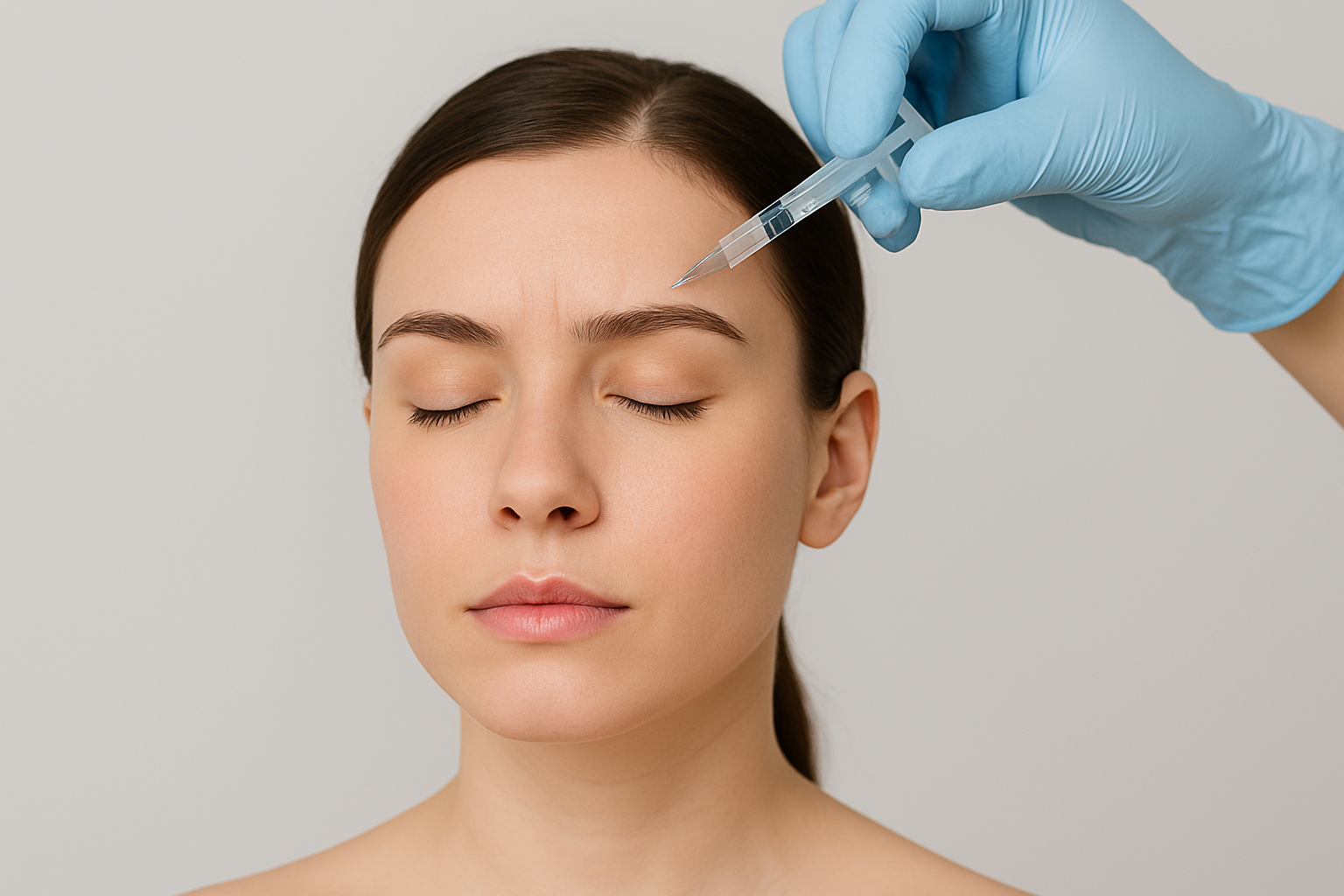
Although preventive measures are the best way to care for the neck skin, some people may not notice signs of aging until the skin shows signs of degradation. In such cases, there are several non-invasive procedures that can stimulate collagen production and help reverse signs of aging. One of the most recommended procedures by dermatologists is Ultherapy, a treatment that uses high-intensity focused ultrasound to work beneath the skin’s surface.
Ultherapy aims to stimulate collagen production, which in turn helps lift and tighten the neck skin. Dr. Heather Woolery-Lloyd explains that this treatment is highly effective for rejuvenating the skin by stimulating collagen formation, leading to noticeable tightening effects. However, Dr. Helen Flamenbaum adds that Ultherapy is more effective for younger patients with less skin laxity. For those with more significant skin sagging, the results may not be as optimal, with around 20% of patients not experiencing significant improvements.
While this treatment can deliver impressive results—such as lifted and firmer skin that looks years younger—Ultherapy can be quite expensive, ranging from $1,000 to $5,000 per session.
Micro-Needling: An Affordable Treatment for Sagging Skin and Aging
One of the more affordable treatments recommended by Dr. Roberta Del Campo for addressing sagging skin is micro-needling. This procedure involves the use of tiny needles that are rolled or pressed onto the skin, creating micro-injuries that stimulate the skin’s repair process and collagen production. In this way, micro-needling can help tighten sagging skin and improve skin elasticity, which often decreases with age.
Many people claim that micro-needling is effective for treating sagging skin, with additional benefits such as reducing dark spots, improving uneven skin tone, and shrinking enlarged pores.1Alster TS, Graham PM. Microneedling: A review and practical guide. Dermatol Surg. 2018;44(3):397-404. doi:10.1097/DSS.0000000000001248 Additionally, this treatment can enhance the absorption of skincare products applied afterward, increasing their effectiveness.
The micro-needling process does not require a long recovery time and can be performed at a more affordable cost compared to other procedures. The cost of this treatment ranges from $200 to $700 per session, making it a more economical option for those looking to rejuvenate their skin without undergoing more expensive procedures like Ultherapy.
Get a Custom Clinical Treatment Plan
Dr. Alicia Zalka emphasizes that to improve sagging neck skin, it is important to have an in-depth discussion with your cosmetic or dermatology professional. There is no single treatment that can address all neck skin issues, as every individual’s skin condition is different. Therefore, a personalized approach is crucial. Dr. Zalka recommends combining various treatments that suit your specific needs, which are, of course, greatly influenced by your skin’s starting condition.
Several factors to consider include age, anatomy, sun damage levels, and the degree of skin sagging. Your neck skin likely didn’t lose elasticity quickly, and its improvement won’t happen overnight either. Therefore, patience is key to achieving optimal results from the treatments you pursue.
The right approach and a combination of treatments tailored to your skin’s condition can help improve neck skin sagging more effectively. The best results are achieved through long-term commitment to the appropriate skincare routine.
FAQ
What is the best way to tighten neck skin naturally?
The best natural methods to tighten neck skin include consistent skincare with ingredients like retinol, peptides, and hyaluronic acid, daily sunscreen use, and regular neck exercises. Staying hydrated, eating a collagen-boosting diet, and avoiding excessive sun exposure can also support skin firmness over time.
Can neck skin really be tightened without surgery?
Yes, neck skin can be tightened without surgery through non-invasive treatments like radiofrequency therapy, ultrasound (Ultherapy), and laser procedures. Additionally, topical products and lifestyle changes may offer gradual but noticeable improvements, especially when started early.
At what age should I start caring for my neck skin to prevent sagging?
It’s ideal to start caring for your neck skin in your 20s or early 30s as a preventive measure. However, it’s never too late—establishing a skincare routine and exploring non-invasive treatments can still help tighten neck skin and reduce visible signs of aging at any age.

 Acne
Acne Anti-Aging
 Business
 Digital Marketing
 Economics
 Exfoliation
 Hair Removal
 Movies
 Personal Finance
 Websites