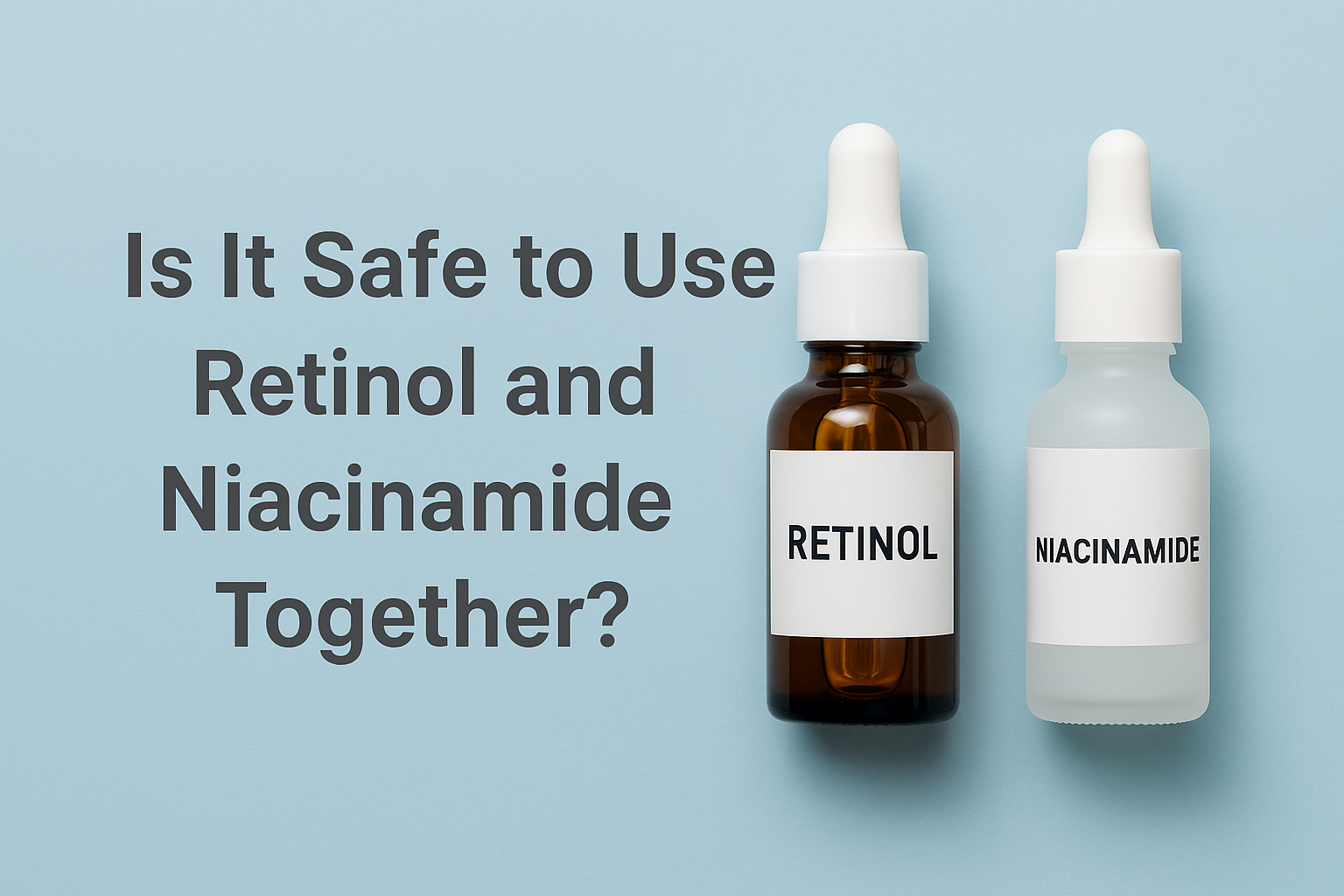
Is It Safe to Use Retinol and Niacinamide Together?
For beginners starting to use retinol, several tips from dermatologists are essential to follow. First, retinol should be introduced slowly, starting with a low dose, to avoid irritation. Second, sunscreen (SPF) must be used every day because retinol can increase skin sensitivity to sunlight. Third, avoid mixing retinol with harsh skincare ingredients, such as exfoliating acids, to prevent irritation.
The concept of “skin cycling” teaches separating the use of retinol and exfoliating acids at night. Additionally, vitamin C should be used in the morning, while retinol is best used at night. But what about niacinamide?
Niacinamide, as an antioxidant, offers amazing benefits for addressing skin discoloration and reducing inflammation. According to dermatologists, niacinamide can be combined with retinol in a skincare routine without causing negative side effects. Combining these two ingredients can maximize skin benefits, such as improving texture and reducing signs of aging. Therefore, niacinamide is a valuable addition to any skincare routine, especially for those using retinoids.
Benefits and Uses of Retinol in Skincare
Retinol, the active form of vitamin A, is known as the gold standard in skincare due to its incredible benefits. One of the main uses of retinol is to stimulate skin cell turnover, helping to replace dead and dull skin cells with newer, healthier ones. This makes retinol effective in addressing skin issues such as acne, fine lines, wrinkles, dull skin, and hyperpigmentation.
However, due to its potent nature, retinol can also cause irritation, especially for sensitive skin. Therefore, gentler alternatives like bakuchiol (plant-based) or retinyl palmitate can be good options for sensitive skin. To begin, use retinol gradually with a small amount (about a pea-sized amount) on the face and neck once a week, and increase frequency as the skin starts to adjust.
It’s important to remember that retinol can increase skin sensitivity to sunlight. Therefore, retinol should be applied at night, and in the morning, don’t forget to apply sunscreen (SPF 30 or higher) evenly. According to Dr. Rachel Nazarian, a board-certified dermatologist, “Always use broad-spectrum sunscreen when using retinol products to protect the skin from UV damage.”
Benefits and Advantages of Niacinamide in Skincare
Niacinamide, the active form of vitamin B3, is widely known for its anti-inflammatory properties that effectively address various skin concerns. According to Dr. Jessica Dowling, a board-certified dermatologist, “Niacinamide is excellent for treating acne, rosacea, hyperpigmentation, dark spots, and can also improve skin texture and hydration.” These advantages make niacinamide a key ingredient in many skincare routines.
Also Read: How Long Does Retinol Take to Work On Skin?
In recent years, niacinamide has gained popularity as a gentler alternative to vitamin C. While both ingredients can brighten the skin, niacinamide offers similar benefits without the higher risk of irritation, making it ideal for sensitive skin.
In addition to treating existing skin issues, niacinamide also provides preventive benefits. As a powerful antioxidant, it protects the skin from environmental stressors such as pollution and UV damage, which can accelerate the appearance of aging signs. Thus, niacinamide not only helps improve skin conditions but also safeguards the skin from external factors that can harm it.
Dr. Rachel Nazarian, a board-certified dermatologist, recommends using niacinamide in the morning with a concentration of 5% or lower to maximize its benefits and minimize the risk of irritation.
Can You Use Them Together?
According to Dr. Rachel Nazarian, a board-certified dermatologist, not only is it safe to use retinol and niacinamide together, but this combination is highly recommended for optimal skincare. “Using retinol and niacinamide together can actually be a fantastic combination for your skin,” says Dr. Nazarian. She even describes this pairing as a “multi-purpose multivitamin” for the skin.
Retinol works by stimulating skin cell turnover and addressing issues like acne and wrinkles, while niacinamide provides anti-inflammatory benefits, brightens the skin, and protects against environmental stressors. Together, these ingredients deliver more comprehensive results without the risk of excessive irritation, making them an ideal choice for a wide range of skin types.
Benefits of Pairing Retinol and Niacinamide
These two powerful active ingredients, retinol and niacinamide, work even better when used together for several reasons:
More potency
Retinol and niacinamide, two highly effective active ingredients, each target similar skin issues such as acne, signs of aging, hyperpigmentation, and sun damage. When used together, these two ingredients offer enhanced benefits. According to Dr. Rachel Nazarian, a board-certified dermatologist, “There are even medical studies showing that both can be used together safely for greater benefits, especially when addressing conditions like acne or hyperpigmentation.”
While both ingredients tackle similar problems, they work in different ways. Retinol addresses hyperpigmentation by stimulating skin cell turnover, helping to shed dead skin cells that cause uneven skin tone. Meanwhile, niacinamide works by inhibiting melanin production, which helps to reduce dark spots and uneven skin color.
Combining retinol’s pore-clearing effects with niacinamide’s anti-inflammatory properties can make acne control more effective. Additionally, when it comes to skin firming, retinol stimulates collagen production to improve elasticity, while niacinamide strengthens the skin barrier, maintaining hydration and enhancing skin firmness.
Less Irritation
Incorporating retinoids into a skincare routine can lead to irritation, especially for sensitive skin. Some methods to reduce irritation include using retinol less frequently or trying the “retinol sandwich” technique. However, one of the best ways to manage irritation is by combining retinol with niacinamide. According to Dr. Rachel Nazarian, the anti-inflammatory benefits of niacinamide are highly effective in neutralizing the inflammatory response and skin barrier damage that often occurs from using retinol.
Niacinamide has been shown to improve skin hydration, repair the skin barrier, and calm any redness that may arise after using retinol. Dr. Jessica Dowling, a board-certified dermatologist, advises, “I highly recommend adding niacinamide to the skincare routine for anyone who struggles with tolerating topical retinol.” Combining these two ingredients helps to reduce the side effects of retinol while enhancing the overall benefits of a skincare regimen.
How To Use Niacinamide and Retinol Together
Incorporating both retinol and niacinamide into a skincare routine can yield remarkable benefits for the skin, especially when these two potent ingredients are used in tandem. However, understanding how to effectively combine them to maximize their benefits while minimizing potential irritation is key. Below is a detailed, scientifically-backed explanation of the best ways to incorporate retinol and niacinamide into a skincare routine, ensuring the highest possible effectiveness and safety for all skin types.
Find a Combined Product
The most straightforward and efficient method to combine retinol and niacinamide is to select a single product that contains both ingredients. According to Dr. Rachel Nazarian, a board-certified dermatologist, opting for a combined formulation ensures that the two ingredients are perfectly blended, stable, and free from other components that may interfere with their effectiveness. This method offers several advantages:
- Stability: Both retinol and niacinamide are highly effective but may lose potency or cause irritation when not properly formulated together. A combined product ensures that they work synergistically, maintaining their stability and effectiveness.
- Simplicity: Using a single product minimizes the risk of layering incompatible ingredients, which could reduce their efficacy or increase irritation. Additionally, this eliminates the need for complex application techniques.
Dr. Nazarian emphasizes that serums are an ideal choice for this purpose, as they typically offer higher concentrations of active ingredients, allowing for more potent results. However, individuals with sensitive skin may prefer a lotion or cream, as these formulas tend to be gentler and provide more hydration, reducing the likelihood of irritation.
Apply Thinnest to Thickest
If you prefer to use separate products for retinol and niacinamide, it’s essential to follow the general rule of applying products from thinnest to thickest consistency. This approach ensures that lighter, more fluid formulations are absorbed first, allowing thicker products, such as creams and moisturizers, to lock in the active ingredients more effectively.
The standard order of application is:
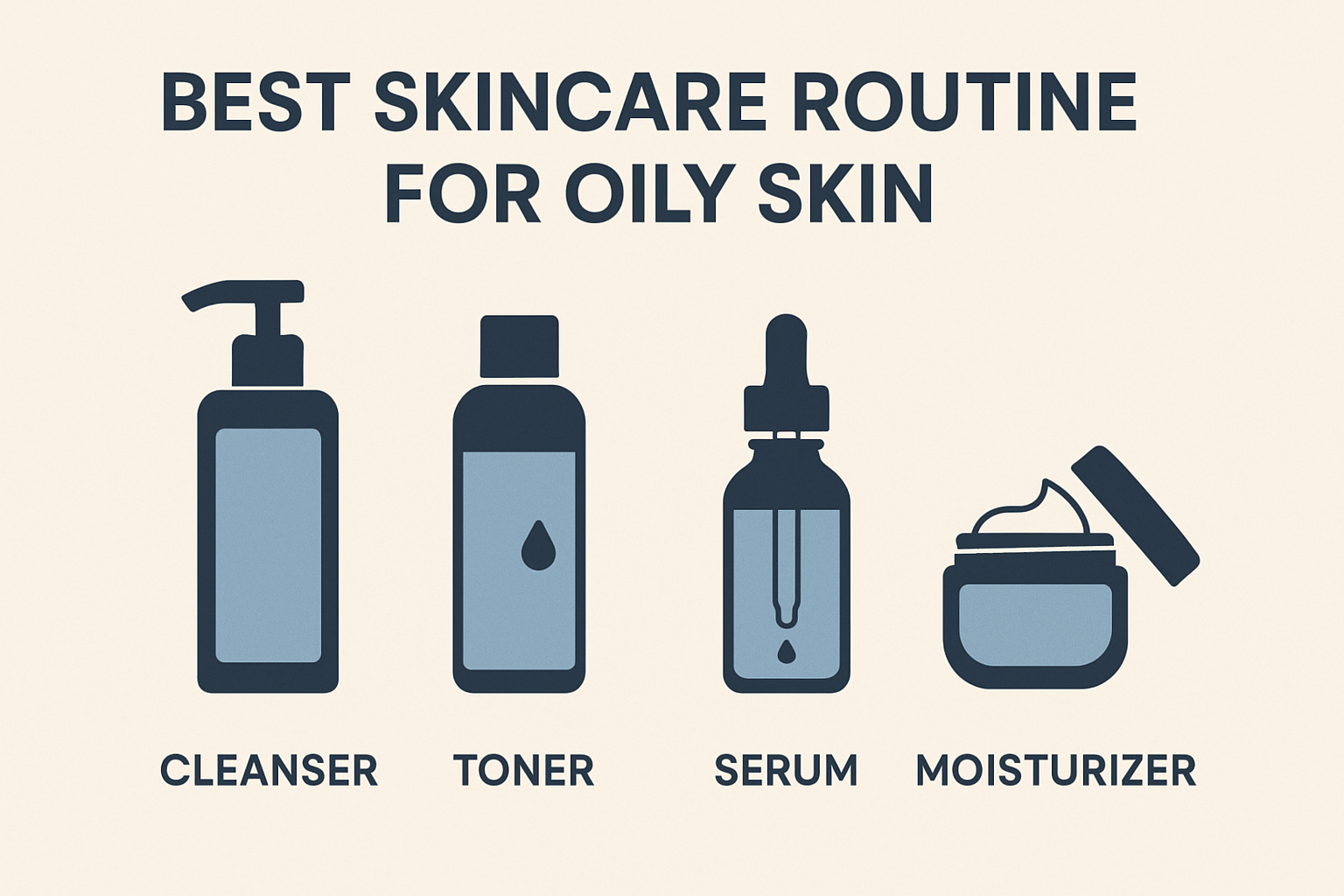
- Toners and essences: These are generally water-based and should be applied first to hydrate and prepare the skin.
- Serums: These are concentrated formulas that contain active ingredients, and they should be applied after toners.
- Moisturizers: These products provide the final layer of hydration and help seal in the active ingredients.
However, when using two products with similar formats (e.g., two serums—one for retinol and one for niacinamide), the order of application may not be as critical. In such cases, the formula’s pH, texture, and personal skin tolerance can guide the sequence.
When in Doubt, Start with Retinol
Retinol is a powerful retinoid that works best when applied to clean, dry skin. Dr. Jessica Dowling, another board-certified dermatologist, explains that “retinoids work at their maximum strength when applied directly to clean skin, so they are more effective when used before any other skincare products.” This is because retinol needs to penetrate deeply into the skin to stimulate cell turnover and improve skin texture, which could be hindered by other products.
For individuals already accustomed to retinol and looking to enhance hydration or reduce redness, Dr. Dowling suggests applying niacinamide after retinol. Niacinamide’s anti-inflammatory properties help to soothe the skin, reduce redness, and improve hydration, making it an excellent complementary step after retinol.
Try Niacinamide First to Combat Sensitivity
For individuals with sensitive skin or those new to retinol, using niacinamide first can help reduce irritation. Dr. Dowling recommends, “If you’re having trouble tolerating retinol—such as excessive dryness or peeling—applying niacinamide first can reduce the amount of retinol that reaches the skin, making it easier for the skin to tolerate.” Niacinamide helps strengthen the skin barrier, improve hydration, and calm inflammation, which can mitigate the more potent effects of retinol.
By applying niacinamide first, it creates a buffer that softens the impact of retinol, ensuring your skin can gradually adapt without experiencing extreme dryness or irritation.
Don’t Forget Sunscreen
One of the most important considerations when using retinol is sun protection. Retinol increases the skin’s sensitivity to UV radiation, making it more vulnerable to sun damage. Dr. Nazarian stresses the importance of using sunscreen every morning, especially when incorporating retinol into your routine. “Always apply sunscreen with broad-spectrum protection (SPF 30 or higher) when using retinoids, as they can make your skin more susceptible to UV damage.”
In addition to sunscreen, wearing protective clothing and seeking shade during peak sun hours will further protect your skin from harmful UV rays.
How Often Can You Use Retinol and Niacinamide?
According to dermatologists, retinol and niacinamide are generally safe to use together on a daily basis. However, their effectiveness and safety still depend on your skin type and individual tolerance. When combined properly, these ingredients can deliver powerful benefits — including smoother skin texture, reduced acne, and a more even skin tone. As Dr. Jessica Dowling explains, “Listen to your skin — if retinol causes dryness or peeling, even when paired with niacinamide, reduce how often you use it each week.”
Retinol is a potent active ingredient known to cause irritation, especially if overused or applied to skin that is not yet accustomed to it. For this reason, it should not be used on skin that is already irritated or dehydrated. On the other hand, niacinamide can help soothe the skin and strengthen the skin barrier, making it an ideal partner to retinol — especially once your skin has started adjusting.
For beginners, it’s best to start using retinol just 1–2 times a week, and gradually introduce niacinamide into your routine. Once your skin builds tolerance, daily use of this combination can be effective with minimal risk.
Side Effects
While retinol and niacinamide have been proven effective when used together, it’s still important to adjust their use according to your skin’s condition. As Dr. Jessica Dowling explains, “In skincare, more is not always better.” Using niacinamide in concentrations higher than 5% or applying a high-strength retinol can lead to irritation, redness, and excessive dryness — especially when both active ingredients are used at the same time.
It’s also important to note that not all skincare products are formulated the same way. Some may contain additional ingredients — either active or inactive — that can trigger sensitivity or unwanted skin reactions. For this reason, it’s essential to choose your products carefully, especially when combining two potent actives.
Dr. Dowling recommends working with a dermatologist to develop a personalized skincare routine and to ensure each product serves a specific purpose. If that’s not possible, she advises doing a patch test on your arm first. Test each product separately to make sure your skin doesn’t react negatively before applying them together on your face.
Conclusion
Whether your goal is to fight acne, slow down signs of aging, or reduce the side effects of retinoids, combining retinol and niacinamide can be an effective and versatile solution. These two ingredients work together in harmony—retinol promotes cell turnover and boosts collagen production, while niacinamide soothes the skin, enhances hydration, and strengthens the skin barrier.
However, the success of this combination depends heavily on how it’s used and how your skin responds. It’s essential to follow practical guidelines: start slowly, pay attention to the concentration of each ingredient, and prioritise your skin’s tolerance. If possible, consult with a dermatologist for a personalised routine.
Most importantly, listen to your skin. If after a few weeks your skin looks smoother, brighter, and free of irritation, then you’ve likely found the perfect skincare pair for long-term use. This combination acts like an “all-in-one multivitamin” for overall skin health.

 Acne
Acne Anti-Aging
 Business
 Digital Marketing
 Economics
 Exfoliation
 Hair Removal
 Movies
 Personal Finance
 Websites