Is It Better to Use Retinol in Summer or Winter? Dermatologists Weigh In
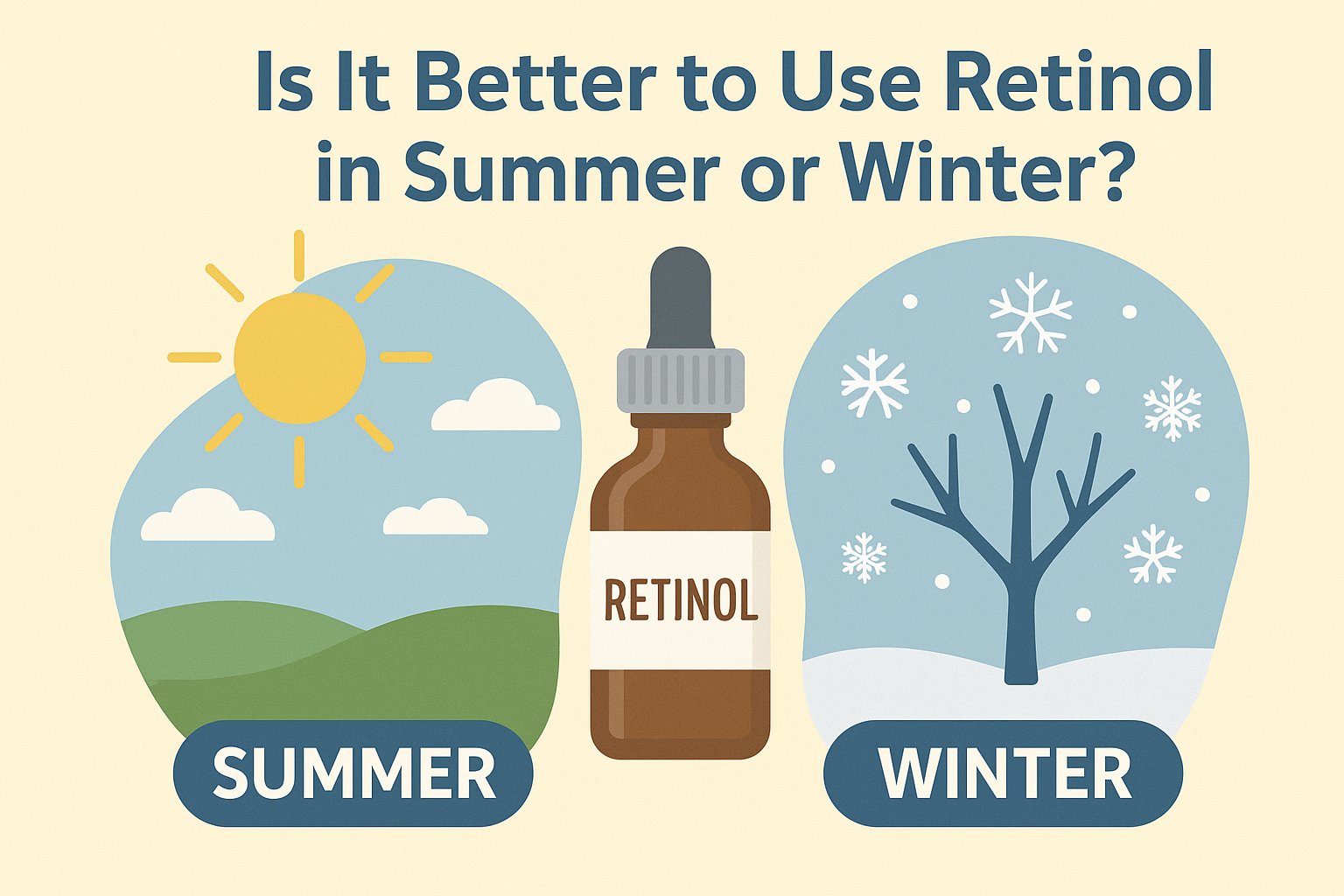
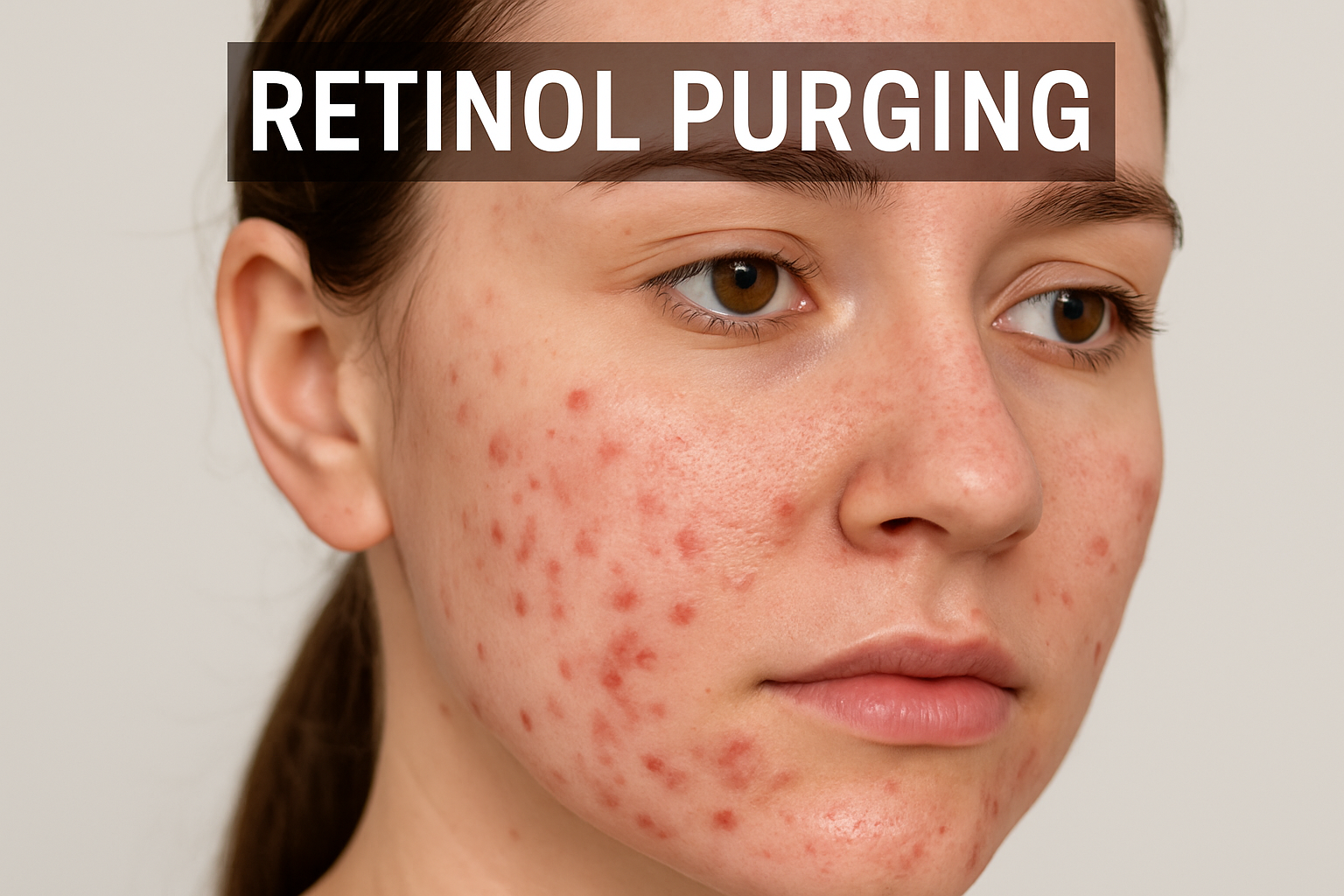
Retinol is one of the key ingredients in skincare that is effective in addressing various skin concerns, such as fine lines, acne, and dark spots. While retinol is known for its powerful benefits, improper use can lead to side effects, such as irritation, dry skin, and the “retinol purge” phenomenon, where the skin worsens before improving. Therefore, it is important to understand the correct way to apply retinol to achieve the best results, including knowing whether to use retinol in summer or winter for optimal effectiveness and minimal side effects.
According to two board-certified dermatologists, Dr. Dendy Engelman and Dr. Daniel Belkin, seasonal changes can affect how retinol should be used. During certain seasons, the skin tends to be more sensitive, so retinol use should be adjusted to prevent irritation. They recommend adapting your skincare routine to the changing skin condition with the seasons. Using retinol properly, including choosing the right time to start using it, will help maximize its benefits without causing harmful side effects.
What Is Retinol?
Retinol is a highly effective ingredient in skincare, particularly in preventing signs of aging. According to Dr. Engelman, retinol is one of the most effective anti-aging ingredients due to its ability to stimulate collagen production, which is essential for maintaining skin elasticity. Additionally, retinol speeds up the skin cell turnover process, helping the skin look brighter and fresher. This process also enables skin cells to function more effectively, promoting overall skin health.
Dr. Belkin also highlights the benefits of retinol in keeping pores clean and preventing blockages that can lead to acne. Retinol is known to be effective in clearing pores clogged with oil and dead skin cells, thus reducing the risk of acne breakouts. Furthermore, retinol may even help prevent the formation of pre-cancerous cells, indicating its protective qualities against skin cancer risks.
Overall, retinol is a highly beneficial ingredient in skincare due to its ability to rejuvenate the skin, reduce signs of aging, and protect against potential health issues. As such, retinol is often considered a staple in skincare routines.
Is There a Right Time of Year to Start Using Retinol?
The good news for skincare enthusiasts is that retinol can be used year-round, regardless of the season. However, it is important to adjust its usage according to the skin’s condition, which may be influenced by seasonal factors. Dr. Engelman explains that although retinol is effective year-round, it should ideally be used at night. This is because retinol can increase the skin’s sensitivity to sunlight, which may cause irritation or damage if exposed to UV rays.
Dr. Belkin adds that seasonal factors like sun intensity and air humidity levels can affect how the skin responds to retinol. For example, during the summer, stronger sun exposure can increase the risk of irritation, so retinol use should be approached with extra caution. Conversely, in winter, skin tends to be drier, and retinol use can exacerbate dryness if not paired with adequate moisturization.
Also Read: How Long Does Retinol Take to Work On Skin?
Therefore, adjusting your skincare routine to the season is essential for maximizing retinol’s benefits while avoiding unwanted side effects.
When to Apply It?
Most dermatologists agree that night is the best time to apply retinol, and the reasoning is straightforward. Dr. Engelman explains that retinol should be applied at night because it can increase the skin’s sensitivity to sunlight. Using retinol during the day may cause irritation or damage from UV exposure, which is a significant concern, especially during the summer or when spending time outdoors.
Additionally, the skin’s natural repair process, including cell turnover, is most active during sleep. Dr. Belkin adds that cell turnover peaks at night, allowing retinol to work more effectively as skin cells regenerate. Thus, applying retinol at night helps support the body’s natural repair process.
Using retinol at night not only optimizes its benefits but also minimizes the risk of side effects from sun exposure.
How to Apply It?
Properly applying retinol is crucial to avoid irritation, especially for beginners. Dr. Engelman recommends starting with a low concentration of retinol, around 0.01% to 0.1%, and using the product every other day rather than daily. Gradually increasing usage allows the skin to adapt to this active ingredient. Since individuals have varying tolerance levels to retinol, Dr. Belkin also suggests choosing an over-the-counter (OTC) encapsulated version of retinol. These capsules protect retinol from degradation and help with gentler absorption, reducing the risk of irritation.
The initial approach is to use retinol once a week over a moisturizer, and as the skin becomes accustomed, the frequency can be increased to twice a week. It is essential to apply retinol on clean, dry skin to maximize its effects. For those with sensitive skin, the “sandwich method” can be tried, which involves applying a moisturizer first, followed by retinol, and then another layer of moisturizer to reduce potential irritation.
For the best results, consulting with a dermatologist is recommended to determine the most suitable usage strategy for your skin condition.
Tips for Winter Use
Winter can pose challenges for the skin due to cold temperatures and dry air, which can reduce the skin’s natural moisture. Dr. Engelman explains that in winter, the skin’s protective barrier becomes more vulnerable, making it easier for retinol to cause irritation. To keep skin healthy and comfortable, several tips can help.
First, it is essential to add adequate moisture to the skin. Dr. Engelman suggests using retinol with a richer or thicker moisturizer, such as a nourishing night cream. This type of moisturizer can help soothe irritation and strengthen the skin’s protective layer, which is crucial in dry air.
Second, if the skin begins to feel dry or irritated, it’s advisable to reduce the frequency of retinol use or opt for a product with a lower concentration. This will give the skin time to adjust without causing damage.
Finally, using a humidifier in living spaces can help maintain air moisture, which in turn will help keep the skin hydrated. Using a humidifier is an effective way to keep skin moisturized, even in dry winter conditions.
Tips for Summer Use
Retinol can increase the skin’s sensitivity to sunlight, so extra care is needed when using it during the summer. Dr. Belkin explains that if the skin has already adjusted to retinol use without experiencing redness, peeling, or irritation, it is safe to be exposed to sunlight or undergo laser treatments. However, for beginners or those using higher doses of retinol, the skin is still in the adjustment phase and more prone to side effects from sun exposure.
To safely use retinol during the summer, several key steps can be followed. First, prioritize daily sunscreen use. Dr. Engelman recommends choosing a sunscreen with SPF 30 or higher, and SPF 50+ if spending a lot of time outdoors. Maximum sun protection is crucial to prevent further skin damage.
Second, avoid using retinol on sunburned skin. Applying retinol to sunburned areas can worsen redness and irritation, so it’s best to wait until the skin fully heals.
Finally, if frequently exposed to sunlight, consider reducing the frequency of retinol use or choosing a lighter retinol formula to ensure the skin remains protected and not overly sensitive.
Conclusion
In conclusion, retinol is a highly effective skincare ingredient that can be used year-round if applied with the right precautions. Dr. Engelman emphasizes the importance of patience and consistency when using retinol, as results take time to appear. Dr. Belkin adds that most people can tolerate vitamin A derivatives like retinol when used in the right doses and frequencies for their skin’s needs.
Whether starting retinol in winter, summer, or somewhere in between, the key is to listen to your skin’s needs and adjust your skincare routine as it changes. Additionally, it’s crucial to use sunscreen every day. Protecting your skin from UV rays with sufficient SPF is essential to prevent irritation and skin damage, especially when using products like retinol that increase sensitivity to sunlight.


 Acne
Acne Anti-Aging
 Business
 Digital Marketing
 Economics
 Exfoliation
 Hair Removal
 Movies
 Personal Finance
 Websites