What Are Spicules? The Latest Underwater Ingredient in Skincare
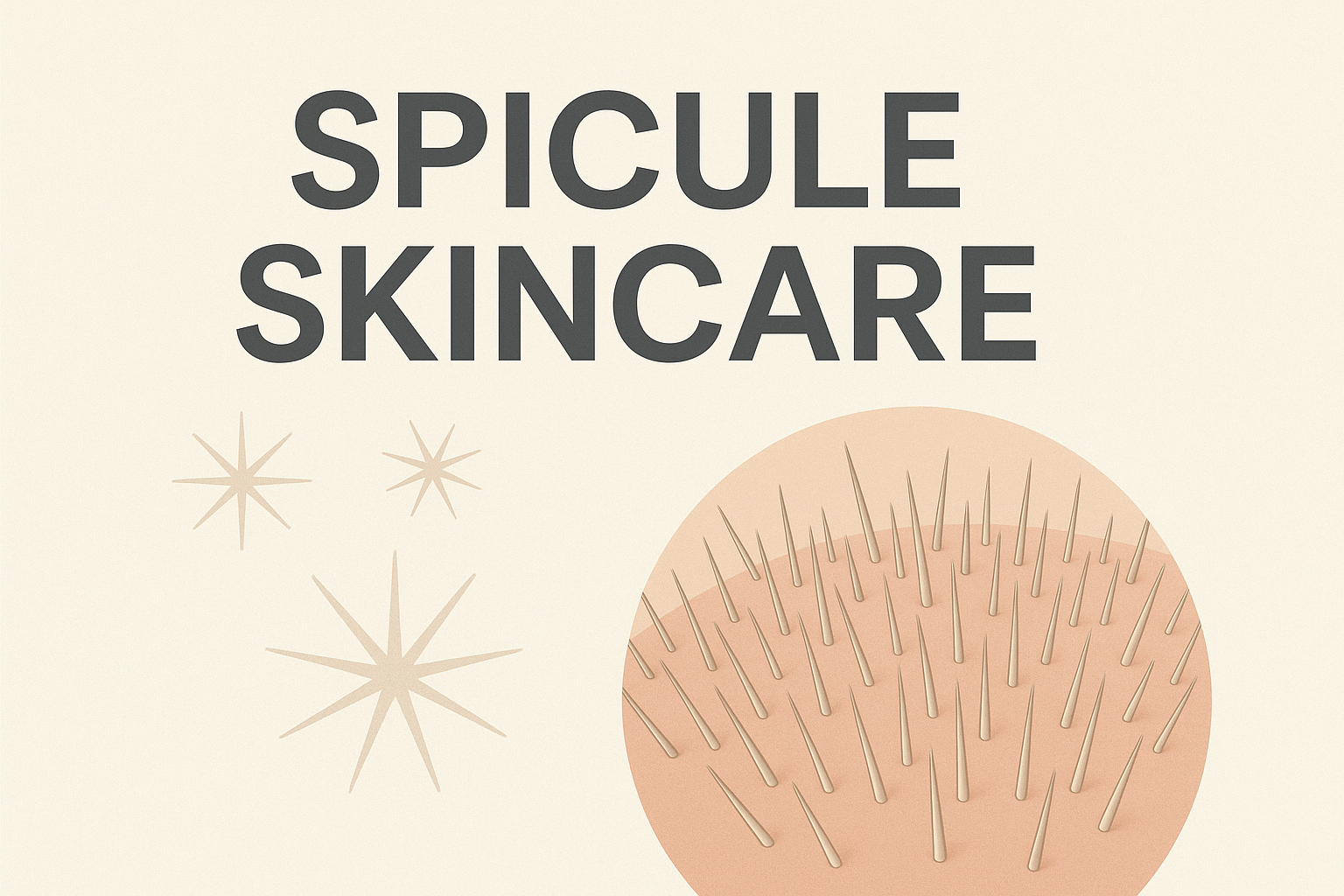
The sea holds a wide range of natural resources that have long been used in the beauty industry, such as sea salt scrubs, seaweed wraps, and caviar creams. One of the latest marine beauty discoveries is spicules—tiny skeletal structures derived from sea sponges. Although not yet widely known, spicules show promising potential in skincare, similar to how caviar cream, made from fish eggs, gained popularity.
Spicules act as natural exfoliators. They are gentle enough for most skin types but slightly abrasive, creating microtears on the skin’s surface. These microtears can enhance the absorption of active ingredients in skincare products applied afterward, potentially improving overall results. While spicules are still relatively new in skincare, early research indicates they may offer notable benefits, although current studies are limited.
More in-depth research is still needed to fully understand the long-term effects and safety of using spicules in beauty products. At present, only a few products contain spicules, but as research progresses, we may see more of them entering the market in the coming years.1Zhang C, Duan J, Huang Y, Chen M. Enhanced skin delivery of therapeutic peptides using spicule-based topical delivery systems. Pharmaceutics. 2021;13(12):2119. Before trying this emerging trend, it’s wise to wait for further scientific evidence from experts like Dr. Joshua Zeichner and Victoria Fu, who are helping explain how spicules work and whether they’re safe to include in regular skincare routines.
What Are Spicules?
Spicules are microscopic particles derived from sea sponges, as explained by Dr. Joshua Zeichner. These tiny particles are made from natural materials like calcium or silica, with a sharp, crystalline structure. This structure creates a slightly abrasive effect, which can be utilized in skincare, especially for exfoliation. Spicules are often compared to microneedles, but Dr. Zeichner views them more as a natural alternative for physical exfoliation.
While spicules resemble microneedles, they are not as aggressive and can be used to gently cleanse the skin. The exfoliation effect offered by spicules helps remove dead skin cells, improve skin texture, and enhance the absorption of active ingredients from skincare products used afterward. This makes spicules an appealing option for those seeking a natural skincare solution.
As more research is conducted on the benefits and potential of spicules in beauty, we may see an increase in their use in skincare products in the future. However, because spicules are a relatively new ingredient, it is advisable to monitor ongoing research to ensure their long-term safety.
Benefits of Spicules for Skin
Spicules are still considered a new ingredient in skincare, and research on their benefits is ongoing. Cosmetic chemist Victoria Fu explains that spicules are being studied for their potential to deliver active ingredients in health and beauty treatments. However, because they are a new material, the exact mechanism by which spicules work on the skin is not yet fully understood.
Also Read: How Long Does Retinol Take to Work On Skin?
Spicules are not active ingredients themselves, meaning they do not directly provide nourishment or benefits to the skin. Instead, their role is to prepare the skin for better absorption of active ingredients such as hyaluronic acid, niacinamide, or vitamin C. Therefore, the effectiveness of spicules largely depends on the products used afterward.
Some key benefits of spicules include:
- Improving the absorption of active ingredients in skincare:
Spicules help open up the skin’s layers, making it easier for active ingredients to penetrate the dermis. As Fu explains, optimizing the absorption of active ingredients is a major challenge since the skin serves as a strong natural barrier. Research indicates that spicules help lift dead skin cells and impurities, allowing active ingredients to be more readily absorbed.2Kim TG, Lee Y, Kim MS, Lim J. A novel dermal delivery system using natural spicules for cosmetics and therapeutics. J of Cosmetic Dermatology. 2022;21(10):4754-4764.
- A natural alternative to other physical exfoliators:
Traditional physical exfoliators are often less environmentally friendly. Spicules offer a more natural and biodegradable option, sourced from the sea, making them a safer choice for the environment.
Skin Type Considerations
Spicules are expected to be gentle enough for all skin types, including normal, oily, and combination skin. However, according to cosmetic chemist Victoria Fu, it is still too early to determine which skin types are most compatible with this ingredient. Since research on spicules is still limited, there are no clear safety standards for users with sensitive skin or those prone to irritation from exfoliation.
For individuals with sensitive skin, it is recommended to wait for more scientific evidence on the safety and effectiveness of spicules. In the meantime, Dr. Joshua Zeichner suggests using chemical exfoliators like salicylic acid or glycolic acid, or silica-based exfoliating pads, which are more stable and better researched.
If you still wish to try spicules early, it is important to perform a patch test first. This involves applying a small amount of the product to a small area of skin, such as behind the ear or on the inner arm, and observing it for 24 hours. This helps identify any allergic reactions or irritation before using the product on your face. Fu emphasizes that patch testing is a crucial step in preventing adverse reactions, especially when trying a new ingredient. She also advises against replacing your entire skincare routine with spicules-based products at this time.
How to Use Spicules for Skin
If you’re still eager to be one of the first to try spicules, Dr. Joshua Zeichner recommends using them with caution, just like any new exfoliator. Start by applying them once a week, then gradually increase the frequency depending on how your skin responds. This approach is important to minimize the risk of irritation and to give your skin time to adapt to the micro-stimulation caused by spicule particles.
Since spicules are not active ingredients, they do not provide direct benefits like nourishment or hydration. Instead, they act as a preparatory step to help the skin better absorb the products applied afterward. For best results, use spicules before applying serums or facial oils that contain active ingredients like vitamin C, niacinamide, or antioxidants. This step helps maximize the penetration of these active ingredients into the skin.
After using products with active ingredients, it’s essential to lock in moisture by applying a moisturizer as the final step. Moisturizer helps maintain skin hydration and strengthens the skin’s natural barrier, especially after exfoliation, which can temporarily increase skin sensitivity. By following these steps, you can maximize the benefits of spicules while ensuring skin health.

 Acne
Acne Anti-Aging
 Business
 Digital Marketing
 Economics
 Exfoliation
 Hair Removal
 Movies
 Personal Finance
 Websites