Top Skincare Routine for Women 50+—Glow at Any Age
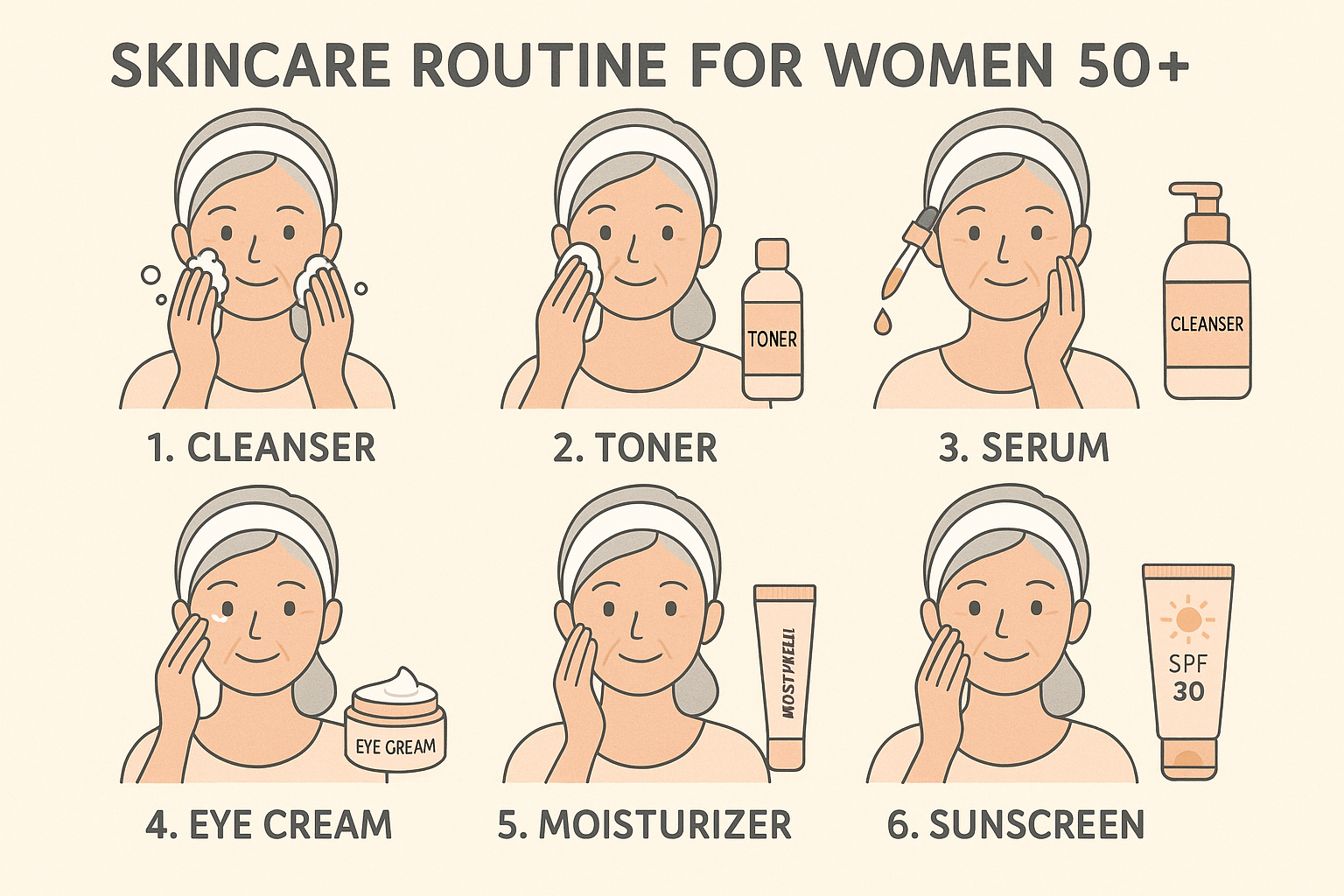
As we grow older, natural changes in the skin become more noticeable, especially for women in their 50s. These changes make it increasingly important to adopt a well-suited skincare routine for women over 50 to address age-related skin concerns. The aging process is largely due to a decline in the production of collagen and elastin—two essential proteins that help keep the skin firm and elastic. As a result, the skin becomes thinner, loses its elasticity, and may begin to sag. In addition, the production of natural oils decreases, which can lead to dryness and make the skin more prone to wrinkles.
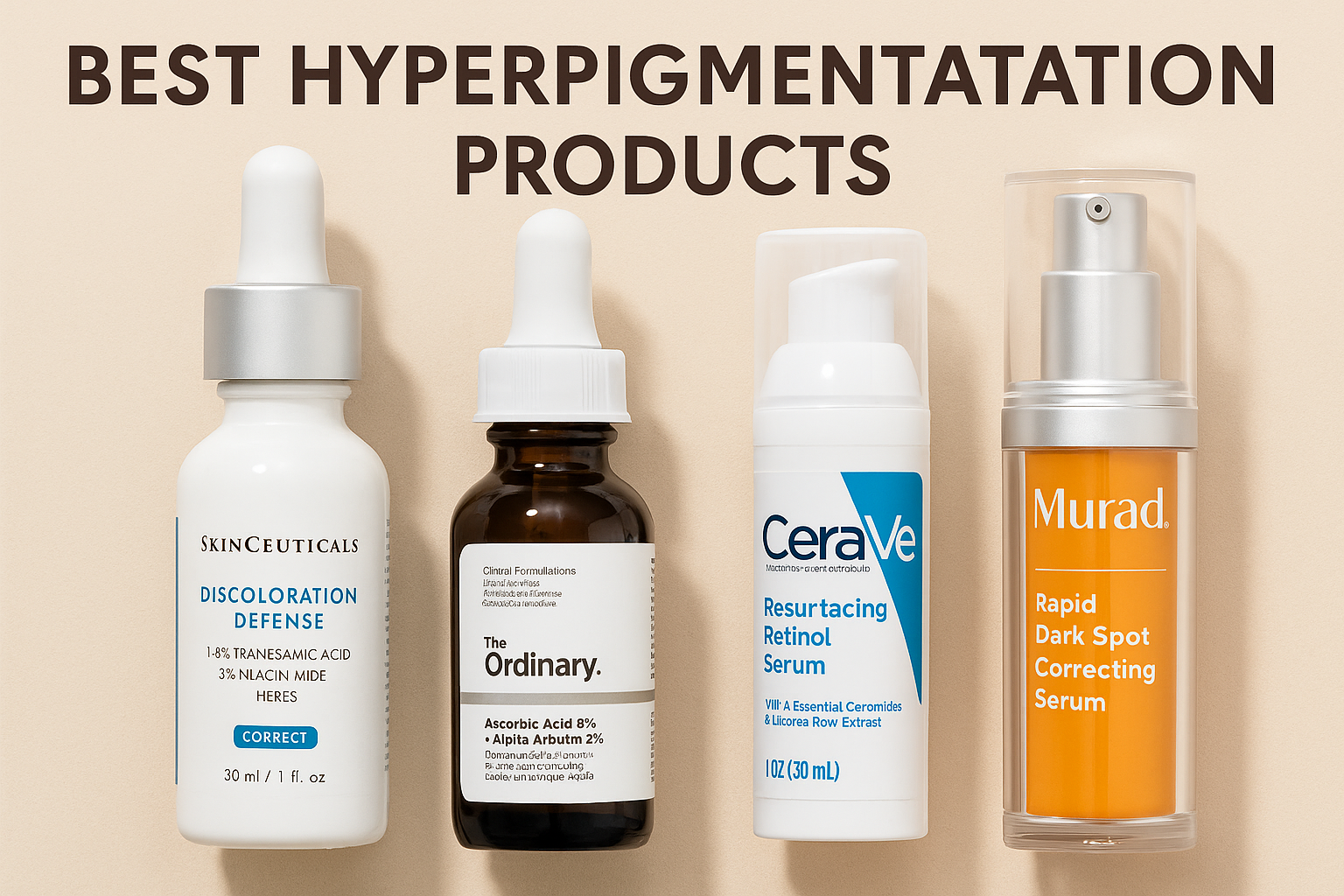
During this stage, women may also experience changes in skin pigmentation, such as dark spots or hyperpigmentation. Long-term exposure to sunlight often worsens these conditions. Facial volume may decrease too, as subcutaneous fat diminishes, leading to a sunken appearance.
Despite these challenges, the right skincare routine for women over 50 can help maintain a youthful and healthy look. It’s recommended to use moisturizers regularly, apply serums with retinol, and protect the skin daily with sunscreen. Skincare products rich in antioxidants like vitamin C are also beneficial in fighting free radical damage.
With a consistent and thoughtful approach, signs of aging can be managed—helping women in their 50s enjoy refreshed, resilient skin even as natural changes occur.
Wear Sunscreen Every Day
Applying sunscreen is one of the most important skincare habits, even though it’s often underestimated. Sun exposure—whether direct or indirect—can cause significant damage to the skin. UV rays, particularly UVA and UVB, break down collagen and elastin, accelerating aging and contributing to wrinkles, dark spots, and even skin cancer.1McKenzie C, Nahm WJ, Kearney CA, Zampella JG. Sun-protective behaviors and sunburn among US adults. Arch Dermatol Res. Published online February 15, 2023:1-10.
UV rays are present not only on sunny days but also when it’s cloudy or rainy, as they can penetrate through clouds. That’s why daily use of sunscreen is essential, regardless of the weather. Ideally, choose a sunscreen with at least SPF 30 that offers broad-spectrum protection against both UVA and UVB rays.
Proper sunscreen use should not be limited to the face. Apply it to other exposed areas like the neck and the backs of your hands. Dermatologists also recommend reapplying sunscreen throughout the day, especially when spending time outdoors, to ensure ongoing protection from UV-related skin damage.
Also Read: How Long Does Retinol Take to Work On Skin?
Selecting the Best Cleansers and Moisturizers for Your Skin
Choosing the right skincare products depends on your skin type, as each type has unique needs. Oily skin, although sometimes seen as problematic, actually has its advantages. It retains natural moisture better and may show fewer wrinkles because the natural oil helps prevent dehydration. However, oily skin still requires proper care, including cleansers that control excess oil without stripping away essential moisture.
Sensitive skin, on the other hand, is more prone to irritation—especially when exposed to harsh or unsuitable products. It’s best to test new products on a small patch of skin, like your neck or arm, before applying them to your face. This helps prevent unwanted reactions, since sensitive skin often responds negatively to certain ingredients.
As we age—particularly after menopause—skin undergoes significant changes. Natural oil production drops, making the skin drier and less elastic. Cell regeneration also slows down, which reduces the skin’s ability to repair itself. That’s why choosing hydrating skincare products becomes increasingly important with age.
Don’t Skip Toner: Key to Balanced and Radiant Skin
With age, the skin loses its ability to retain moisture, leading to dehydration. This is partly due to reduced sebum production and a weakened skin barrier. Dr. Engelman, a dermatologist, recommends using gentle toners that contain ingredients like ceramides, which help restore the skin barrier. Ceramides are natural lipids that lock in moisture, support skin elasticity, and repair damage.
Toners with ceramides can soothe and hydrate dehydrated skin, leaving it soft, smooth, and refreshed. A good example is the Ceramide Purifying Toner by Elizabeth Arden, which Dr. Engelman recommends. It’s fragrance-free, non-irritating, and effective at cleansing and purifying the skin while preserving its natural balance. Regular use of the right toner can greatly enhance your skincare routine—especially for mature skin.
Boost Skin Brightness and Radiance with Vitamin C
Vitamin C is one of the most effective ingredients in skincare—especially for brightening the skin and preventing early signs of aging. According to Dr. Engelman, vitamin C serums not only protect the skin from free radical damage but also improve overall skin health. Free radicals—caused by pollution and UV exposure—can break down collagen and elastin, accelerating aging. Vitamin C helps repair this damage, preserving skin firmness and elasticity.
It also reduces melanin production, which helps fade dark spots and even out skin tone. With regular use, vitamin C serums can brighten the complexion and improve skin texture, making it look healthier and more radiant. That’s why vitamin C is a top recommendation in any skincare routine focused on preventing aging and enhancing glow.
What to Do If Your Skin Is Dry
Dry skin requires special attention to maintain proper hydration and preserve the skin’s moisture barrier. It tends to lose moisture more quickly due to reduced sebum production—the skin’s natural oil that acts as a protective and hydrating layer. That’s why it’s essential to choose facial cleansers that don’t strip away these natural oils. Cream-based cleansers, specially formulated for dry skin, are a great option because they cleanse without disrupting the skin’s protective layer.
Additionally, hot water should be avoided when washing your face, as it can strip away natural oils and worsen dryness. Instead, opt for lukewarm water—or consider no-rinse options like cleansing creams, which are gentler and help maintain the skin’s moisture.
Exfoliation is also an important step in dry skin care but must be done with care.
Exfoliants that contain alpha hydroxy acids (AHAs) can help remove dead skin cells and enhance the absorption of moisturizers. However, exfoliating should be limited to once or twice a week, depending on how dry your skin is.
Thicker creams or facial oils are highly effective at sealing in moisture. Moisturizers containing hyaluronic acid are particularly beneficial, as they attract and retain moisture within the skin, making it appear plumper and more hydrated. Using a body lotion with hydrating ingredients after showering is also important to keep the entire body moisturized and protected.
Discover the Best Oils for Your Skin Type
When choosing facial oils for anti-aging purposes, it’s essential to look for products that contain antioxidant and anti-inflammatory ingredients. Antioxidants like vitamin C, vitamin E, and polyphenols help protect the skin from damage caused by free radicals—unstable molecules that contribute to premature aging. These free radicals often come from environmental factors such as pollution and UV exposure, both of which can damage collagen and elastin—two proteins vital for firm, elastic skin.
Anti-inflammatory properties also play an important role by reducing skin inflammation that can speed up aging. Chronic inflammation can weaken the skin barrier and lead to fine lines, dark spots, and other skin concerns. Using facial oils enriched with these ingredients can help keep skin healthy, hydrated, and youthful while minimizing early signs of aging.
Exfoliation Is Key
Exfoliating becomes even more important as we age because the outer layer of skin, made up of dead skin cells, tends to thicken over time. This buildup can make the skin look dull and uneven. By exfoliating, you remove these dead cells, allowing fresher, more radiant skin to come through. Dr. Pearlman emphasizes that exfoliation helps renew the skin, giving it a fresher and more youthful appearance.
However, mature skin is often thinner and more sensitive, so exfoliation should be done with care. Dr. Engelman notes that while exfoliating is essential for brightness and cell turnover, overdoing it can harm the skin barrier. Excessive exfoliation may cause irritation or even microtears, which can worsen fine lines or inflammation.
Gentle exfoliants, such as those with alpha hydroxy acids (AHAs) or beta hydroxy acids (BHAs), are best for mature skin. These ingredients help remove dead skin cells effectively without causing too much irritation. Choosing the right exfoliant is key to maintaining healthy, glowing skin as you age.
Try Retinol
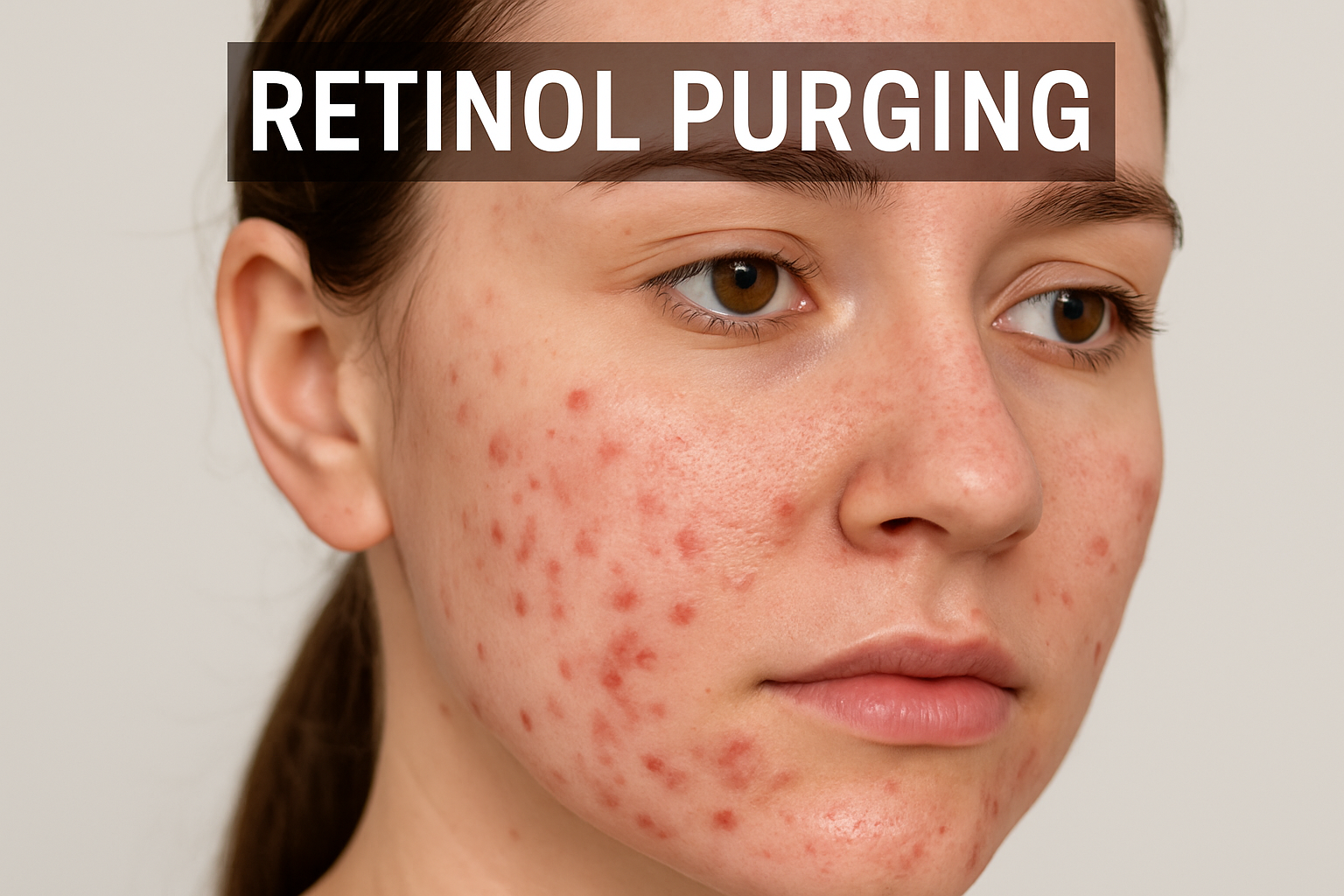
Although no product can completely reverse aging, certain active ingredients can significantly slow down its signs—especially vitamin A derivatives like retinol and retinoids (e.g., Retin-A). Retinol works by stimulating skin cell turnover and boosting collagen production, which is essential for skin firmness and elasticity. As we age, collagen production decreases, leading to fine lines and wrinkles.2Zasada M, Budzisz E. Retinoids: active molecules influencing skin structure formation in cosmetic and dermatological treatments. Postepy Dermatol Alergol. 2019;36(4):392-397. doi:10.5114/ada.2019.87443
Retinol penetrates the skin’s outer layer (epidermis) and reaches the deeper layer (dermis), where collagen is made. By increasing collagen production, it helps improve skin firmness, reduce wrinkles, and enhance overall texture. It also speeds up skin renewal, helping to shed dead cells and reveal smoother, more youthful skin.
Retinol products are now widely available over the counter, making them accessible for many people. Regular nightly use of retinol cream can deliver noticeable improvements in reducing signs of aging. However, because retinol can be irritating, it’s best to introduce it gradually and pair it with a suitable moisturizer.
Consider Injectables
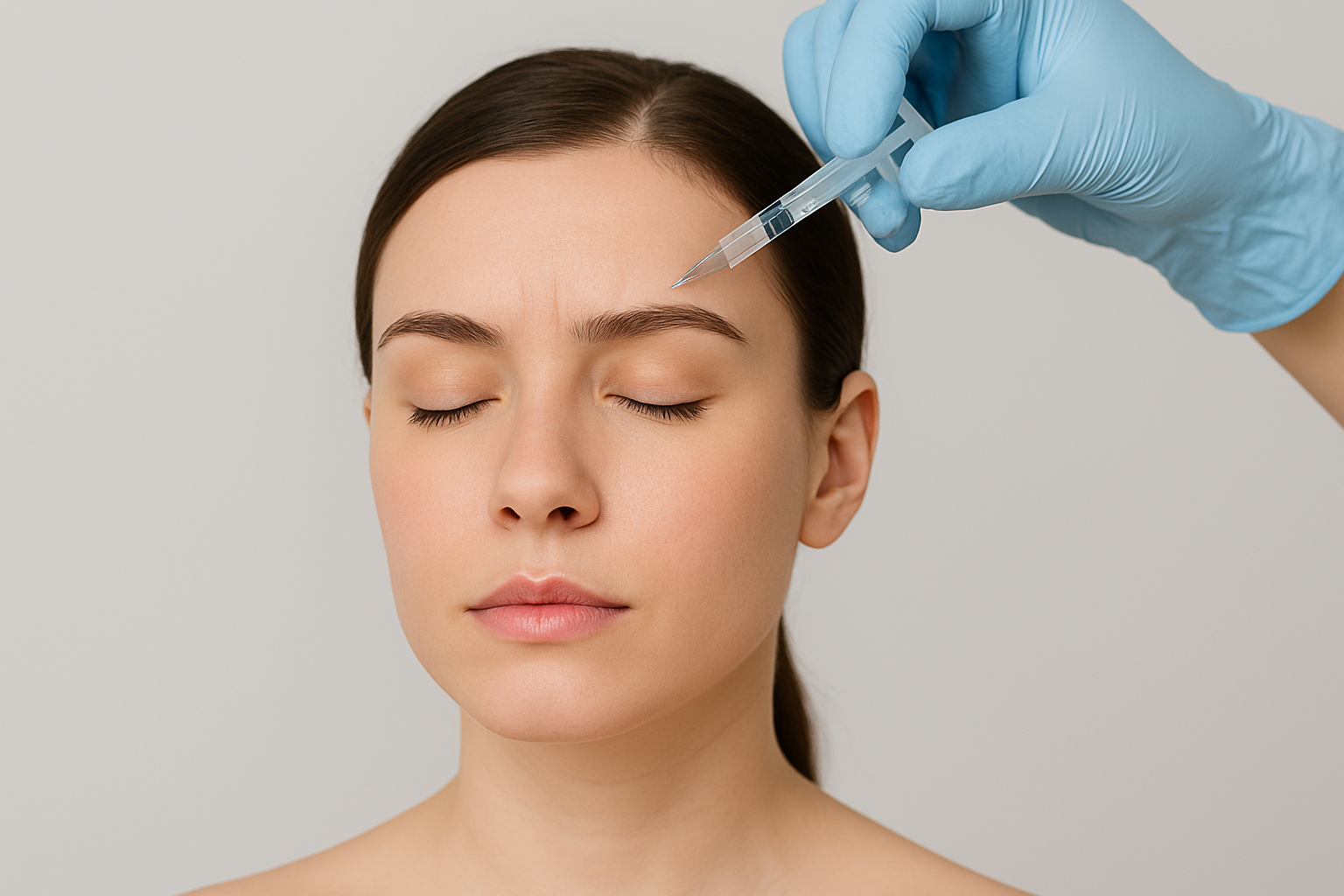
Botox and dermal fillers are popular non-surgical cosmetic procedures used to reduce signs of aging, such as wrinkles and facial volume loss. Botox works by blocking nerve signals to specific muscles, causing them to relax. This helps smooth out dynamic wrinkles—like smile lines and crow’s feet—and provides a lifting effect, especially around the eyes, making the face appear more refreshed and youthful.
Fillers, on the other hand, are substances injected into the skin to restore lost volume, particularly in the cheeks, lips, or nasolabial folds. They help create a fuller appearance and smooth out static wrinkles caused by the loss of subcutaneous fat.
While these procedures may cause some discomfort, doctors typically apply a numbing cream to minimize pain. Common side effects include mild bruising or swelling, which usually resolves within a few days. According to Dr. Gunn, the risk of complications from Botox and fillers in your 50s is no higher than in younger patients, as long as they are administered by an experienced professional.
Interestingly, Botox may also offer psychological benefits, such as reducing symptoms of depression. This effect is linked to its ability to relax the depressor anguli oris (DAO) muscle at the corners of the mouth, which can create a downturned, sad appearance. By softening this expression, Botox can give the face a more cheerful look—even when not smiling.
Try Chemical Peels
Chemical peels are skin treatments that use a chemical solution to remove the damaged outer layers of skin, encouraging the growth of new, healthier cells. This treatment can improve skin tone, smooth texture, and reduce fine lines and wrinkles.
Light chemical peels, usually performed at beauty clinics, use lower-strength chemical solutions compared to medium or deep peels. While the results are more subtle, light chemical peels can still significantly improve concerns such as hyperpigmentation, dullness, and early signs of aging.
Another advantage of light peels is their lower cost compared to treatments like laser therapy, which can be more expensive and require longer recovery time. Chemical peels are typically done in multiple sessions—around six or more—with specific intervals between each session. The strength of the chemical solution may gradually increase with each visit, depending on the individual’s skin condition and tolerance. This gradual approach helps the skin adapt over time and minimizes the risk of irritation or more severe side effects.
With consistent treatments, light chemical peels can result in smoother, brighter, and more youthful-looking skin.
Try Laser Treatments
Laser therapy is used to address a variety of skin concerns, including uneven pigmentation, age spots, scars, and rough skin texture.3Badawi A, Tome MA, Atteya A, Sami N, Morsy IA. Retrospective analysis of non-ablative scar treatment in dark skin types using the sub-millisecond Nd:YAG 1,064 nm laser. Lasers Surg Med. 2011;43(2):130-136. doi:10.1002/lsm.21031 While laser treatments tend to be costly and may cause discomfort, many patients find the results worthwhile due to their effectiveness in skin rejuvenation. Non-ablative lasers, which don’t remove the skin’s outer layer, are less invasive and have shorter recovery times compared to ablative lasers.
Devices like Sciton’s BBL HEROic use broadband light to treat issues such as sun damage, broken capillaries, hyperpigmentation, and rosacea. This treatment can also be applied to the entire body, offering more versatile results. Dr. Gunn explains that BBL HEROic not only improves skin tone but also stimulates collagen production and tightens the skin—an important benefit for women over 50.
Another option is the CoolPeel CO2 laser, which focuses on resurfacing the skin to reduce fine lines and improve texture with minimal downtime. It significantly boosts collagen growth in areas like the face, neck, and hands. The Sciton Profractional Laser targets under-eye wrinkles and typically requires a recovery period of around 10 to 14 days.
Overall, laser treatments are often recommended over chemical peels for older women, thanks to their deeper skin-renewing benefits and superior firming effects.

 Acne
Acne Anti-Aging
 Business
 Digital Marketing
 Economics
 Exfoliation
 Hair Removal
 Movies
 Personal Finance
 Websites