How to Smooth Forehead Wrinkles: 11 Dermatologist Tips
Fine lines and wrinkles are natural signs of skin ageing. They are caused by a combination of internal factors—such as reduced collagen and elastin production—and external factors, like sun exposure and repeated facial expressions. The forehead is especially prone to wrinkles because the frontalis muscle is often active when raising the eyebrows or showing emotions. Over time, these repeated movements create dynamic lines that can turn into permanent (static) forehead wrinkles, especially if the skin is not properly cared for.
According to Dr. Melissa Kanchanapoomi Levin, a board-certified dermatologist and founder of Entière Dermatology, patients often start complaining about forehead wrinkles as early as age 25. This shows that signs of aging can appear earlier than many people expect. As a result, there is growing demand for effective ways to prevent and treat forehead wrinkles.
Today, various scientific and technological solutions are available. Botulinum toxin (Botox) injections work by blocking nerve signals to the muscles, preventing the contractions that cause forehead wrinkles. Skincare products with peptides help stimulate new collagen production, improve skin structure, and boost elasticity. In addition, LED light therapy and laser resurfacing support skin renewal by stimulating fibroblasts and removing dead skin cells. When guided by professionals, combining these approaches can effectively maintain smooth and youthful-looking skin.
Top Causes of Forehead Wrinkles You Should Know
Forehead wrinkles result from a complex combination of natural aging and external factors that affect skin structure. As we age, the body gradually produces less collagen and elastin—two essential proteins that maintain skin firmness and elasticity. However, aging is not the only cause. Prolonged exposure to ultraviolet (UV) rays from the sun damages collagen fibers, speeds up elastin breakdown, and weakens the skin’s structural integrity.
Repeated facial movements, especially involving the frontalis muscle in the forehead, also play a major role. Expressions like raising the eyebrows, squinting, or frowning create repeated skin folds that eventually become permanent wrinkles. Dr. Michele Green notes that frequent use of the frontalis muscle accelerates the formation of fine lines in this area.
Other contributing factors include prolonged screen time, chronic stress, gravity, and pollution. These can all increase oxidative stress and inflammation, further damaging the skin. Genetics also play a significant role—Dr. Levin explains that our genes determine when static wrinkles (those visible even when the face is at rest) begin to appear.
Dr. Dendy Engelman distinguishes between dynamic wrinkles (visible during facial movement) and static wrinkles (visible even when the face is relaxed). Understanding the difference helps guide the right prevention and treatment strategies.
Also Read: How Long Does Retinol Take to Work On Skin?
Is It Possible to Get Rid of Forehead Wrinkles?
While forehead wrinkles cannot be completely erased, their appearance can be significantly reduced with the right skincare and clinical treatments. Just like pores, wrinkles are a natural part of skin structure that changes with age and environmental exposure. Dr. Dendy Engelman explains that over time, the skin loses collagen and elastin—key proteins that maintain firmness, elasticity, and hydration.
However, this aging process can be slowed down. Topical ingredients like retinoids (vitamin A derivatives) are clinically proven to stimulate collagen production and speed up cell turnover. Antioxidants such as vitamin C help protect against UV and free radical damage, while ceramides support the skin barrier and help retain moisture. Together, these ingredients help the skin function more effectively.
Ashton Frulla from Entière Dermatology emphasizes that the severity and root cause of wrinkles affect how well treatments work. Fine lines in the upper layers of the skin can often improve with consistent use of products like retinol, peptides, and broad-spectrum sunscreen, which prevent further collagen breakdown.
For deeper, static wrinkles, more advanced procedures are often needed. These include laser resurfacing, radiofrequency treatments, or neuromodulator injections like Botox, which provide noticeable and long-lasting results.
How to Prevent Forehead Wrinkles
Preventing forehead wrinkles is a smart part of long-term skincare, and it starts with understanding the aging process and choosing the right products. Dermatologists recommend starting anti-aging care in your 20s or early 30s, when collagen production naturally begins to slow down—even if visible signs of ageing haven’t appeared yet. Prevention at this stage is far more effective than treating wrinkles later.
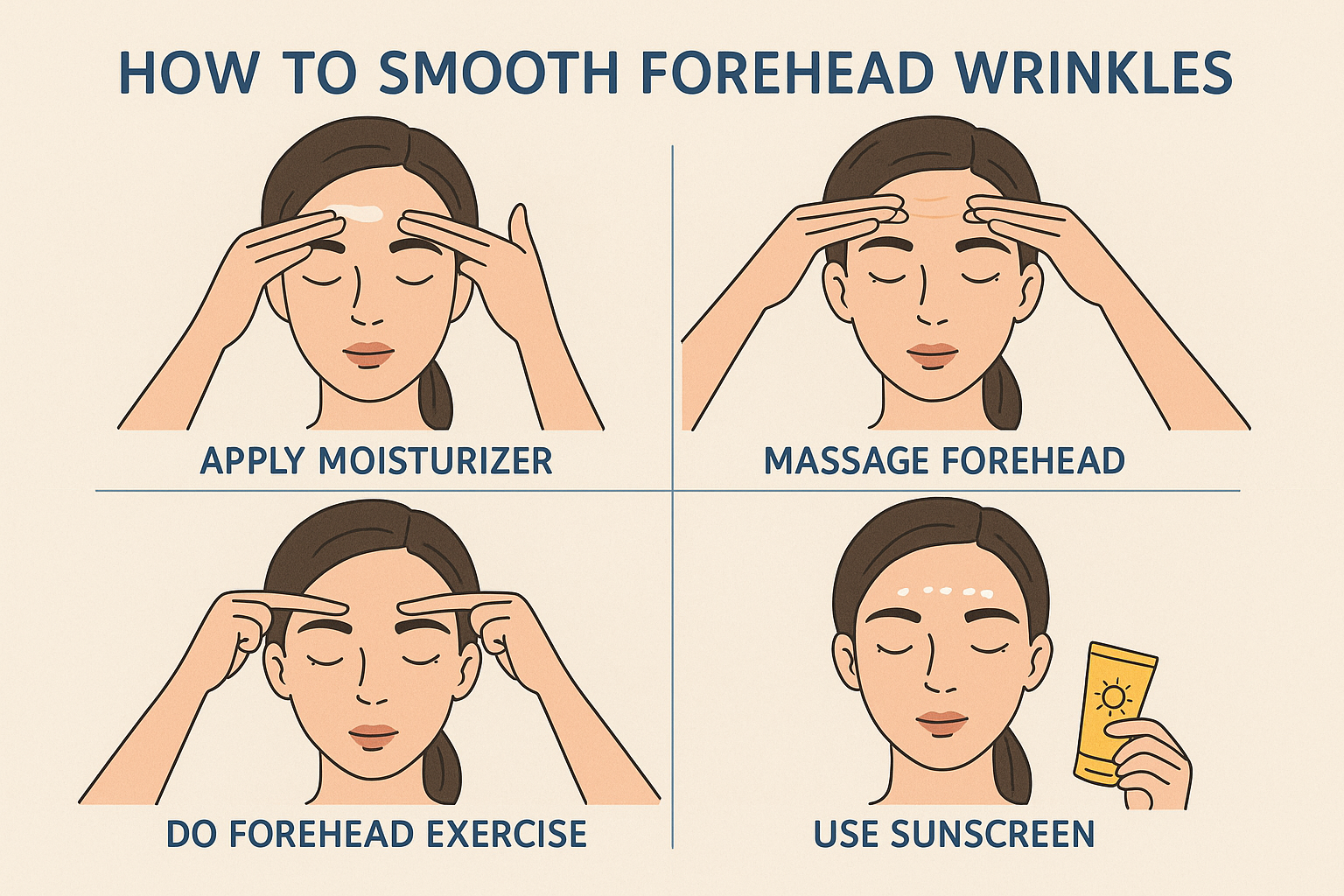
A proper anti-aging skincare routine should include gentle cleansing, effective hydration, and sun protection. Sunscreen with at least SPF 30 is essential to protect against photoageing, which is skin damage caused by sun exposure that speeds up wrinkle formation. Night-time use of retinoids or retinol is also recommended, as these ingredients support cell renewal and collagen production.
Products containing antioxidants like vitamin C and E help fight oxidative stress from free radicals. Peptides stimulate collagen synthesis, helping to strengthen the skin’s structure—especially in the forehead area. Don’t forget hydrating ingredients like hyaluronic acid, which helps maintain moisture and gives the skin a plumper, smoother appearance.
#1 Use Vitamin C and SPF Every Morning
Sun exposure is a leading cause of premature skin aging, also known as photoageing. UV rays—particularly UVA and UVB—can damage collagen and elastin fibers in the dermis, leading to dry, sagging, and dull skin. That’s why applying vitamin C and sunscreen (SPF) every morning is essential in any anti-aging skincare routine.
Vitamin C (L-ascorbic acid) is a powerful antioxidant that neutralizes free radicals caused by UV exposure and pollution. It also supports collagen production, speeds up skin renewal, and helps fade hyperpigmentation like dark spots. With regular use, skin appears brighter, firmer, and more even-toned.
On the other hand, broad-spectrum sunscreen with at least SPF 30 protects against both UVA and UVB rays. SPF helps prevent DNA damage, delays fine line formation, and lowers the risk of skin cancer. Dr. Michele Green stresses that sunscreen should be worn daily—even on cloudy days—as it’s one of the best long-term investments for youthful skin.
Additionally, wearing sunglasses outdoors helps prevent repeated squinting, which can lead to vertical “11” lines between the brows and horizontal lines across the forehead from frontalis muscle movement.
#2 Choose Skincare Packed With Hyaluronic Acid
Hyaluronic acid is a natural humectant that can attract and retain up to 1,000 times its weight in water.1John HE, Price RD. Perspectives in the selection of hyaluronic acid fillers for facial wrinkles and aging skin. Patient Prefer Adherence. 2009;3:225-230. doi:10.2147/ppa.s3183 This makes it one of the most effective ingredients for hydrating the skin and maintaining its elasticity. Scientifically, hyaluronic acid works by binding water in the upper layers of the skin (epidermis), creating an ideal hydration environment for skin cells. When the skin is well-hydrated, it appears smoother, plumper, and more refreshed.
According to Dr. Dendy Engelman, the benefits of hyaluronic acid go beyond hydration. It also helps reduce the appearance of fine lines and wrinkles. The water molecules it holds give a “plumping” effect, filling out the skin from within and making lines look less visible. While this effect is temporary, regular use can make a noticeable difference in your daily routine.
Skincare products containing hyaluronic acid—such as serums, moisturisers, and sheet masks—are suitable for all skin types, including sensitive skin. It’s also non-comedogenic and non-irritating, making it a safe and versatile choice for any anti-ageing skincare regimen.
#3 Start Using Retinoids at Night for Best Results
Retinoids, a group of vitamin A derivatives, are among the most highly recommended ingredients for anti-ageing skincare. Dr. Dendy Engelman explains that retinoids are scientifically proven to stimulate collagen production, a protein essential for maintaining skin firmness and elasticity. Increased collagen helps reduce fine lines and wrinkles while improving overall skin texture.
Retinol, a gentler form of retinoid, is commonly used in night routines. Dr. Michele Green notes that retinol works best when applied at night, as the skin undergoes repair and cell regeneration during sleep.2Lyons AB, Moy L, Moy R, Tung R. Circadian rhythm and the skin: A review of the literature. J Clin Aesthet Dermatol. 2019;12(9):42-45. This allows retinoids to work more effectively, without interference from sun exposure or environmental stressors.
In addition to stimulating collagen, retinoids accelerate cell turnover, promoting the shedding of dead skin cells and encouraging the growth of smoother, newer skin. However, retinoids can cause mild irritation—such as dryness, redness, or peeling—especially for beginners. These side effects are usually temporary, and using retinoids at night helps the skin recover while you sleep.
For best results, introduce retinoids or retinol slowly into your evening routine, starting with a low concentration to help your skin build tolerance over time.
#4 Get a Professional Facial Treatment
Professional facial treatments are an excellent option for those looking to address signs of ageing with deeper, faster results. Dermatologists recommend advanced technologies such as Fraxel, Ematrix, and Thermage, all designed to improve skin texture, reduce wrinkles, and stimulate collagen production.
Here are some effective professional treatments:
- Fraxel
- Uses fractional laser technology to penetrate deep into the skin.
- Stimulates collagen and elastin regeneration for gradual improvement in texture and tone.
- Ematrix
- A sublative laser resurfacing treatment that delivers heat energy into the skin.
- Encourages new collagen production and improves skin texture.
- Thermage
- Utilises radiofrequency to heat the inner layers of skin.
- Boosts collagen and elasticity, effectively reducing forehead wrinkles and sagging skin.
- Vampire Facelift
- Combines microneedling with PRP (platelet-rich plasma).
- PRP is rich in growth factors that accelerate tissue regeneration and heal the skin
- Microcurrent Facials
- Use low-level electrical currents to stimulate the skin’s natural chemicals.
- Help lift facial muscles, improve tone, and boost lymphatic drainage and circulation.
- Chemical Peels
- Target uneven texture, pigmentation, and fine lines.
- Remove the outer layer of skin, making lines appear softer and skin smoother.
These treatments can significantly reduce wrinkles and improve the overall appearance of the skin. They accelerate skin renewal and rejuvenation, delivering visible results with expert application.
#5 Boost Cell Turnover With Peptides
Peptides are short chains of amino acids that play a key role in skincare, particularly by boosting cell turnover and collagen production. Collagen is essential for firm, elastic skin, so peptides help maintain smoothness and firmness. Dr. Michele Green explains that peptides encourage the growth of new skin cells and speed up turnover, especially during sleep. This helps improve texture, reduce wrinkles, and enhance skin radiance.
Ashton Frulla adds that consistent use of peptide serums can also increase elastin and collagen production, both of which are vital for skin strength and elasticity. In addition, peptides support skin hydration, which keeps the skin soft, supple, and better protected.
Overall, peptides are highly effective in accelerating skin renewal, enhancing collagen levels, and maintaining hydration and firmness—making them an excellent choice for anti-ageing skincare.
#6 Try an At-Home Toning Device
At-home toning devices offer a powerful and practical way to prevent and reduce wrinkles—far more effectively than traditional tools like jade rollers or gua sha. While those tools can feel relaxing and provide minor benefits, their effects are often short-lived.
At-home toning devices offer a powerful and practical way to prevent and reduce wrinkles—far more effectively than traditional tools like jade rollers or gua sha. While those tools can feel relaxing and provide minor benefits, their effects are often short-lived.
Microcurrent devices, in particular, use low-level electrical currents that mimic the body’s natural signals to stimulate facial muscles. This helps firm the skin, boost collagen and elastin, and improve circulation—all contributing to a more lifted, youthful look.
In summary, high-tech at-home devices provide a more effective and lasting solution for skin maintenance than traditional tools. Regular use can help slow the ageing process and keep the skin looking smooth and firm over time.
#7 Consider Injectables for Quick Skin Transformation
If home care and clinical facials aren’t delivering the results you want, injectables might be a good option for fast and visible improvement. The most well-known choice is neuromodulators like Botox, but Dr. Dendy Engelman suggests starting with hyaluronic acid fillers for a gentler approach. Hyaluronic acid is a natural substance in the body that improves skin texture instantly by filling in fine lines and restoring volume to sagging areas.
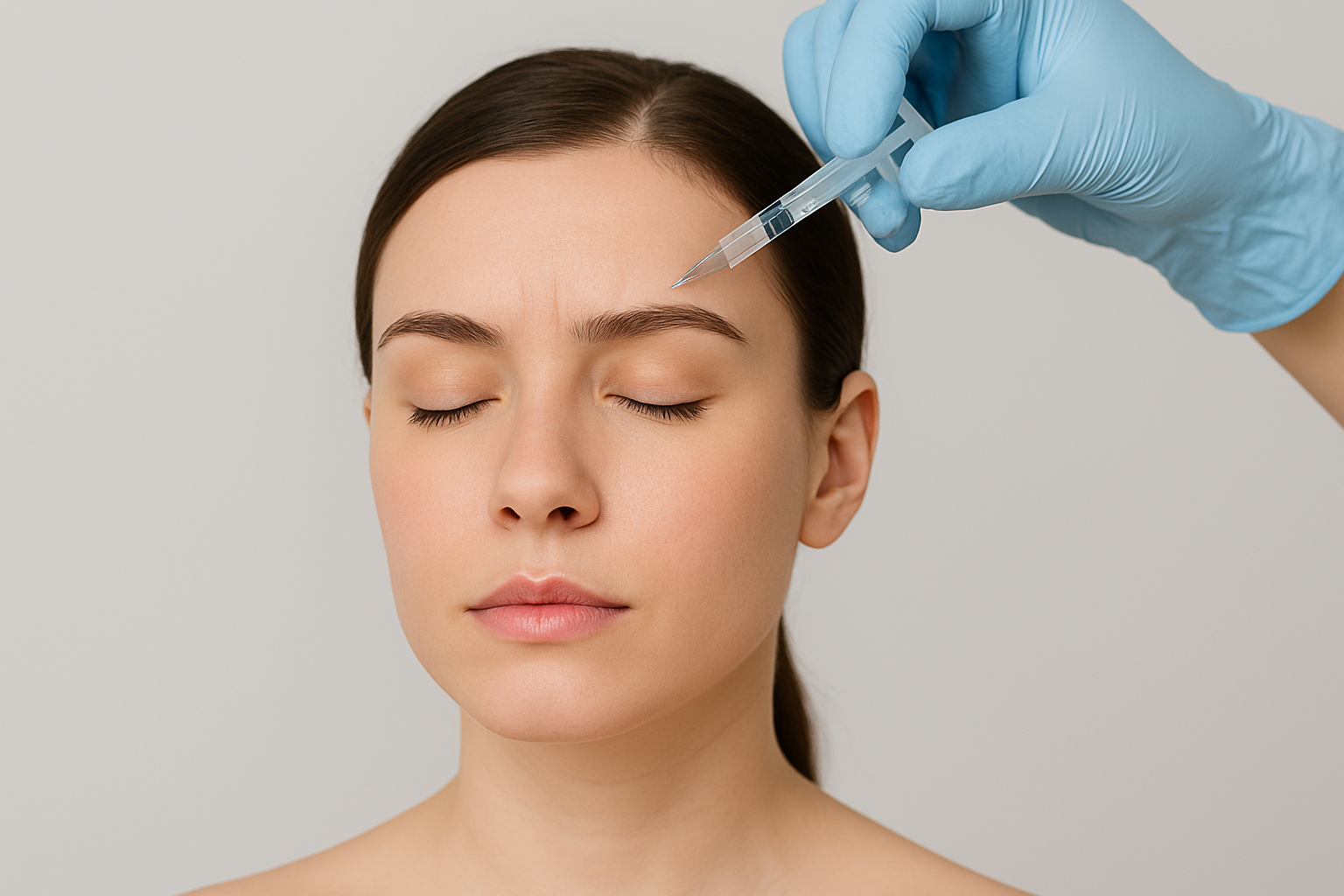
For those ready to take a more advanced step, Dr. Melissa Kanchanapoomi Levin recommends considering neuromodulators such as Botox, Dysport, Xeomin, or Jeuveau. Botox is FDA-approved and highly effective for treating dynamic wrinkles—such as the “11” lines between the brows caused by frowning or raising your eyebrows. It works by relaxing facial muscles, preventing them from contracting, and reducing the appearance of wrinkles over time. It’s also a smart preventive option for people in their 20s and 30s.
While Botox offers quick results, Dr. Levin advises maintenance treatments every 3 to 4 months. After the procedure, it’s essential to follow aftercare instructions, like avoiding facial massages and keeping your head upright, to ensure the best outcome.
#8 Schedule a Thread-Lifting Treatment
Thread-lifting is a cosmetic treatment that can help smooth forehead wrinkles and fine lines. It involves placing special threads under the skin to lift and tighten targeted areas. Dr. Jessie Cheung explains that the threads have small barbs or cones that anchor the skin and reposition it for a smoother appearance. These threads also stimulate collagen production, which gradually improves skin firmness and texture.
While thread-lifting gives fast results, Dr. Cheung notes that they aren’t permanent—they usually last about 18 months. The procedure is minimally invasive and has a shorter recovery time compared to surgery. Multiple threads may be used for better results, but it’s important to wait at least 8 weeks before repeating the treatment in the same area.
Thread-lifting is a great option for those who want quick results without going through more invasive treatments. It helps lift and firm the skin while supporting long-term skin renewal.
#9 Wear Silicone Facial Patches to Bed
Silicone face patches are a non-invasive way to reduce forehead lines and wrinkles. Worn overnight, these patches prevent excessive facial movement while you sleep, which helps stop new wrinkles from forming and can soften existing ones. While more effective for fine lines, regular use can lead to noticeable improvement over time.
Silicone patches also help lock in moisture, keeping the skin hydrated and smoother. They’re especially useful for people with mild forehead lines, though they’re less effective for deep or static wrinkles. Still, their gentle but targeted action makes them a safe and useful addition to your skincare routine.
With consistent use and patience, silicone patches can improve skin texture and reduce fine lines—although for deeper wrinkles, more advanced treatments may be needed.
#10 Invest in LED Light Therapy
LED light therapy uses light energy to stimulate the skin’s natural processes and is widely recognized for its anti-aging benefits. Originally developed by NASA for plant growth in space, LED therapy now plays a key role in dermatology. The two most common light types are red light and infrared. Red light (630–650 nm) penetrates the skin and stimulates collagen production, helping reduce fine lines and improve elasticity.
Infrared light reaches deeper layers of the skin to promote cell regeneration and healing. It also boosts blood circulation, improving hydration and skin tone. LED therapy suits all skin types and can be done at home with personal-use devices.
While it’s safe and non-invasive, consistency is key for visible results. Used regularly, LED therapy is a valuable part of a long-term anti-aging routine.
#11 Consider Laser Skin Tightening for Firmer Skin
Laser skin tightening is another popular non-invasive treatment, and Ultherapy is one of the most well-known technologies in this category. FDA-approved, Ultherapy uses focused ultrasound energy to reach deep skin layers, triggering collagen production and lifting sagging skin.
It works by heating skin tissue at specific depths to stimulate the body’s natural repair process, leading to smoother texture and improved skin firmness. Results appear gradually and can last for months, but repeated sessions may be needed for those with significant volume loss or low brows.
The number of sessions depends on individual skin condition and goals. Ultherapy is a great alternative for those seeking visible improvements without surgery, and recovery time is minimal.
Conclusion
While forehead wrinkles can’t be completely erased, there are many ways to reduce their appearance quickly and effectively. The first step is to follow a consistent skincare routine. Daily sunscreen (SPF) is crucial to protect your skin from sun damage that worsens wrinkles. Hyaluronic acid products help plump the skin and smooth fine lines, while retinoids promote cell turnover and collagen production for long-term wrinkle reduction.
For faster and longer-lasting results, consult a licensed dermatologist or aesthetician. Clinical treatments like Fraxel (laser resurfacing) and Botox (for dynamic wrinkles) offer more dramatic smoothing and rejuvenation. These options provide visible improvement, though regular upkeep is necessary to maintain the effects.

 Acne
Acne Anti-Aging
 Business
 Digital Marketing
 Economics
 Exfoliation
 Hair Removal
 Movies
 Personal Finance
 Websites