Essential Skincare Tips for Freckled Skin This Summer
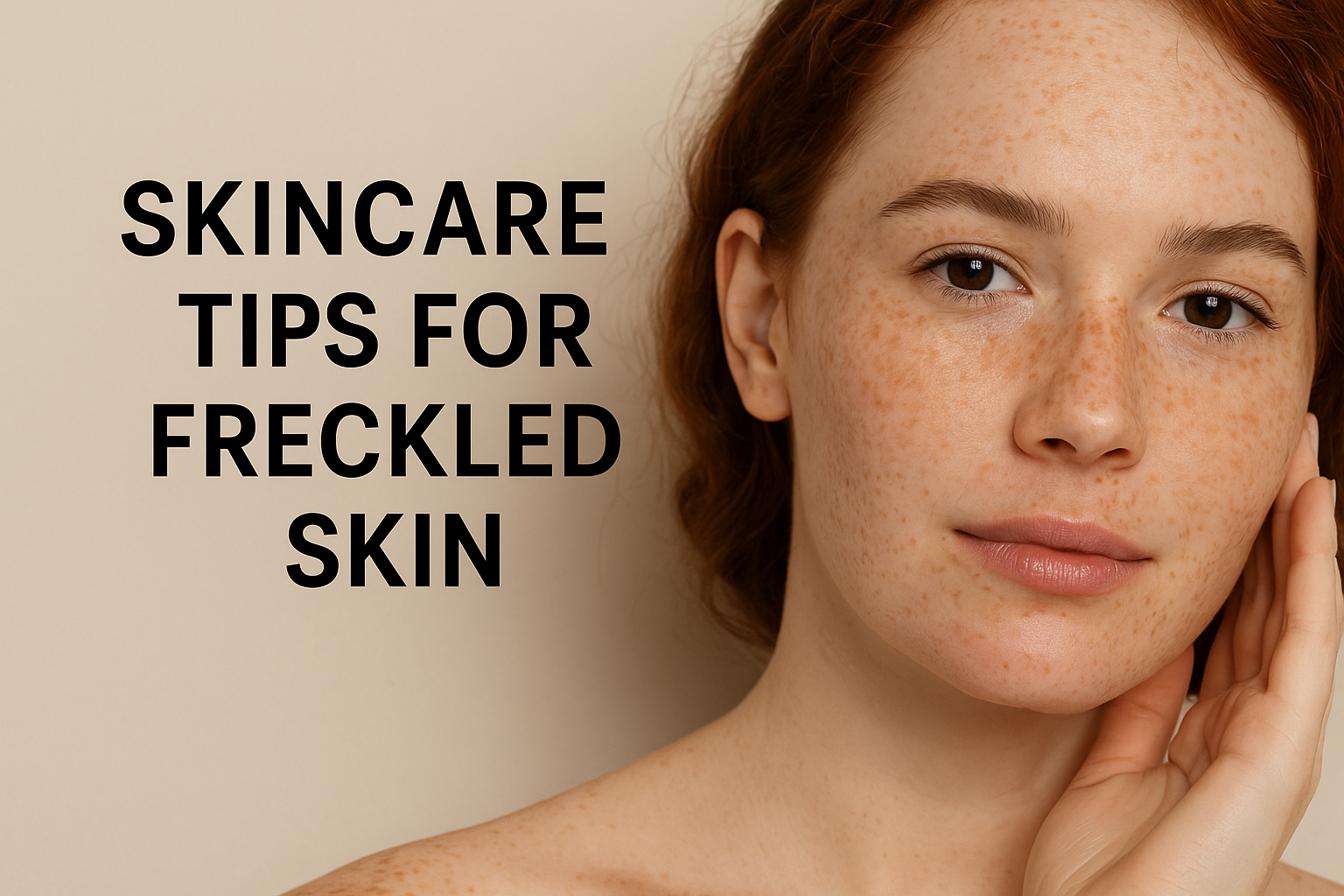
Freckles, or small spots on the skin, result from excessive melanin production, typically triggered by sun exposure. Individuals with freckled skin often exhibit this pigmentation pattern, which is considered a natural feature and even a sign of beauty. However, freckled skin can also indicate increased sensitivity to ultraviolet (UV) rays. Therefore, it’s important to take care of skin health, especially for those with many freckles.
UV rays from the sun can damage skin cells, causing premature aging and increasing the risk of skin cancer. Thus, skin protection with a high-SPF sunscreen is the first step strongly recommended by dermatologists. Additionally, wearing physical protection such as a wide-brimmed hat or protective clothing can minimize the risk of skin damage, particularly for those with freckled skin, as they may be more vulnerable to sun-related issues.
Beauty experts suggest using skincare products that contain ingredients to help repair and protect the skin, such as vitamin C, retinol, and niacinamide. These ingredients can help brighten darker areas and reduce inflammation, which can worsen skin conditions, especially in people with freckled skin.
Ultimately, it’s important to embrace freckles as a natural characteristic of our bodies. With the right care and protection from sun exposure, we can preserve skin health and enhance the beauty of freckled skin without compromising its integrity.
Freckles Philosophy: Embracing Natural Beauty
Freckles are often considered flaws in traditional beauty standards, especially in Western cultures. However, many people, including the author, see freckles as an integral part of their identity. Freckles form due to increased melanin production in the skin, often in response to sun exposure. While some dermatologists or makeup artists may recommend removing freckles through specific products or techniques, many individuals feel this is an attempt to cover up or eliminate a natural part of themselves.
It is important to remember that freckles are not a harmful medical condition. Rather, they are the result of genetics and UV exposure. In this philosophy, the author emphasizes that the focus should not be on removing freckles but on properly caring for them to keep them healthy. With the right skincare, such as using sunscreen to protect against UV damage, freckles can remain beautiful without further skin harm.
Through this understanding, it is crucial to shift our views on beauty and accept our body’s natural features. Caring for and protecting freckles with the right products is a step toward maintaining overall skin health without sacrificing our unique traits.
Also Read: How Long Does Retinol Take to Work On Skin?
Why Do People Get Freckles?
According to beauty expert Renée Rouleau, people with many freckles typically have more active melanin cells, and this is often a genetic factor. Freckles do not appear at birth but usually start to become visible around the age of two, when the skin is first exposed to sunlight. UV exposure triggers the production of more melanin, which causes freckles to appear, particularly in areas of the face like the nose and cheeks.
Freckles are often viewed as a form of localized pigment growth triggered by sunlight, and while they are sometimes seen as “sun damage,” they are not always harmful. Dermatologist Craig Kraffert explains that sun freckles do not always indicate serious skin damage. However, it is important to monitor the intensity of excessive sun exposure, as it can cause freckles to darken or even merge, which may signal overexposure to UV rays.
While freckles can be an attractive part of a person’s appearance, care is still needed to maintain skin health. Dermatologist Whitney Bowe reminds us that while freckles are beautiful, proper skincare, including using sunscreen to protect from UV rays, is essential, especially in the summer. With the right protection, freckles can remain lovely without further skin damage.
Keep Your Skin Cool
Effective freckle care not only involves protecting your skin from the sun but also avoiding excessive heat exposure. Beauty expert Renée Rouleau explains that heat—whether from direct sunlight, hot yoga, or saunas—can increase melanin activity in the skin, which may cause freckles to darken. This happens because heat stimulates melanin production, which is responsible for skin pigmentation, including the appearance of freckles.
To prevent freckles from darkening, it is important to keep the skin cool and hydrated. Some steps include swimming, which not only provides a cooling sensation but also helps maintain skin moisture. Pressing a cold object, like a water bottle, against your face immediately after feeling overheated can help soothe the skin. Additionally, spritzing the skin with cold water or using a cooling gel mask stored in the freezer for a few minutes can provide a calming effect and prevent pigmentation increases.
Rouleau recommends using a specialized gel mask, such as the Bio Calm Repair Mask, which contains plant extracts and glycerin to provide cooling hydration, keeping the skin moist and preventing melanin increases. This mask is designed to relieve irritation and provide excellent cooling after heat exposure.
Boost Your Skin with Antioxidants for a Healthy Glow
Vitamin C is one of the best antioxidants for caring for skin with freckles, especially during the summer. Beauty expert Renée Rouleau explains that a well-formulated vitamin C serum can suppress melanin activity in the skin. Melanin is the pigment that causes freckles, and by controlling its production, we can keep the color of freckles stable and prevent them from darkening due to sun exposure. Additionally, vitamin C is known for its ability to brighten skin and combat damage caused by free radicals generated by UV exposure.
Dr. Loretta Ciraldo, a certified dermatologist, suggests using vitamin C-containing products regularly, either during the day or twice a day, especially during the summer months. Routine use of vitamin C helps protect the skin from oxidative damage and keeps it healthy and glowing, even when exposed to the sun. Other antioxidant-containing products are also beneficial in supporting skin protection, boosting moisture, and improving the texture of skin exposed to UV rays.
It is important to choose a high-quality vitamin C serum that suits your skin type, as the right product can yield the best results in maintaining skin health and preventing freckles from darkening.
Gentle Exfoliation: The Secret to Glowing, Healthy Skin
Exfoliation is an important step in caring for skin with freckles, as it helps manage discoloration caused by sun exposure. Beauty expert Renée Rouleau explains that regular exfoliation can help remove dead skin cells, promote new skin regeneration, and improve skin texture. Common exfoliation methods include the use of acids (like AHA or BHA), at-home peels, gentle facial scrubs, dermaplaning, or sonic cleaning brushes. However, some chemical exfoliation methods, especially those containing acids, can make the skin more sensitive to sunlight, so extra protection, such as sunscreen, is crucial after exfoliating.1Tang SC, Yang JH. Dual effects of alpha-hydroxy acids on the skin. Molecules. 2018;23(4):863. doi:10.3390/molecules23040863
For people with freckles, it is best to choose exfoliators that are gentle and do not cause irritation. According to Dr. Craig Kraffert, powder-based exfoliators, such as Amarte Exfolipowder, can be an ideal choice because of their gentle yet effective formula. This product contains natural ingredients like corn powder, wheat bran, and rice, which are known to provide consistent exfoliation without causing excessive irritation. Physical exfoliation with these natural ingredients is gentler and safer for skin that is sensitive to sun exposure.
Overall, the right exfoliation can help keep the skin healthy and glowing without increasing the risk of UV damage.
Why Sunscreen Should Be Your Top Skincare Priority
Sunscreen is the primary protection to keep skin with freckles healthy and shielded from sun damage. While freckles are often seen as an attractive feature, excessive sun exposure can cause changes in the skin, such as the appearance of sunspots or lentigines, which differ from freckles. Dr. Whitney Bowe explains that freckles darken in the summer and lighten in the winter, while lentigines maintain a consistent color throughout the year, giving the skin a more uneven and less appealing appearance.
Preventing lentigines and protecting the skin from UV damage depend greatly on consistent sunscreen use throughout the year, especially in the summer. It’s important to use a high-SPF sunscreen and apply it evenly to all exposed skin. However, beyond choosing a sunscreen with a high SPF, it’s equally important to reapply every 90 minutes, particularly when outdoors or even when it’s cloudy. Beauty expert Renée Rouleau reminds us that reapplication is crucial to maintain sunscreen’s effectiveness against UV rays, which can damage the skin and worsen freckles, as well as trigger lentigines.
Overall, making sunscreen a priority in your skincare routine is vital to protect your skin from damage and preserve the natural beauty of your freckles.
Suspicious Freckles
Freckles are typically small spots that appear on the skin due to sun exposure, but sometimes changes in freckles need to be taken seriously. Dr. Loretta Ciraldo emphasizes the importance of monitoring freckles that seem suspicious or different from usual. If you have many freckles in areas frequently exposed to sunlight, such as the face, especially around the nose and cheeks, certain changes in freckles could signal a more serious health issue.
Changes to watch for include irregular borders of a freckle, significant color changes, or the emergence of new sensations like itching or discomfort around the freckle. When one freckle looks different from the others, such as being darker or larger, it could indicate another medical condition, such as melanoma or another type of skin cancer. Therefore, regular monitoring of freckles and any changes in them is essential for early detection of skin problems.
To maintain skin health, it is crucial to always use UV protection, like sunscreen, to keep freckles safe and avoid worsening skin conditions. If any suspicious changes occur with your freckles, consult a dermatologist for further examination.

 Acne
Acne Anti-Aging
 Business
 Digital Marketing
 Economics
 Exfoliation
 Hair Removal
 Movies
 Personal Finance
 Websites