9 Proven Ways to Get Rid of Crepey Skin Naturally
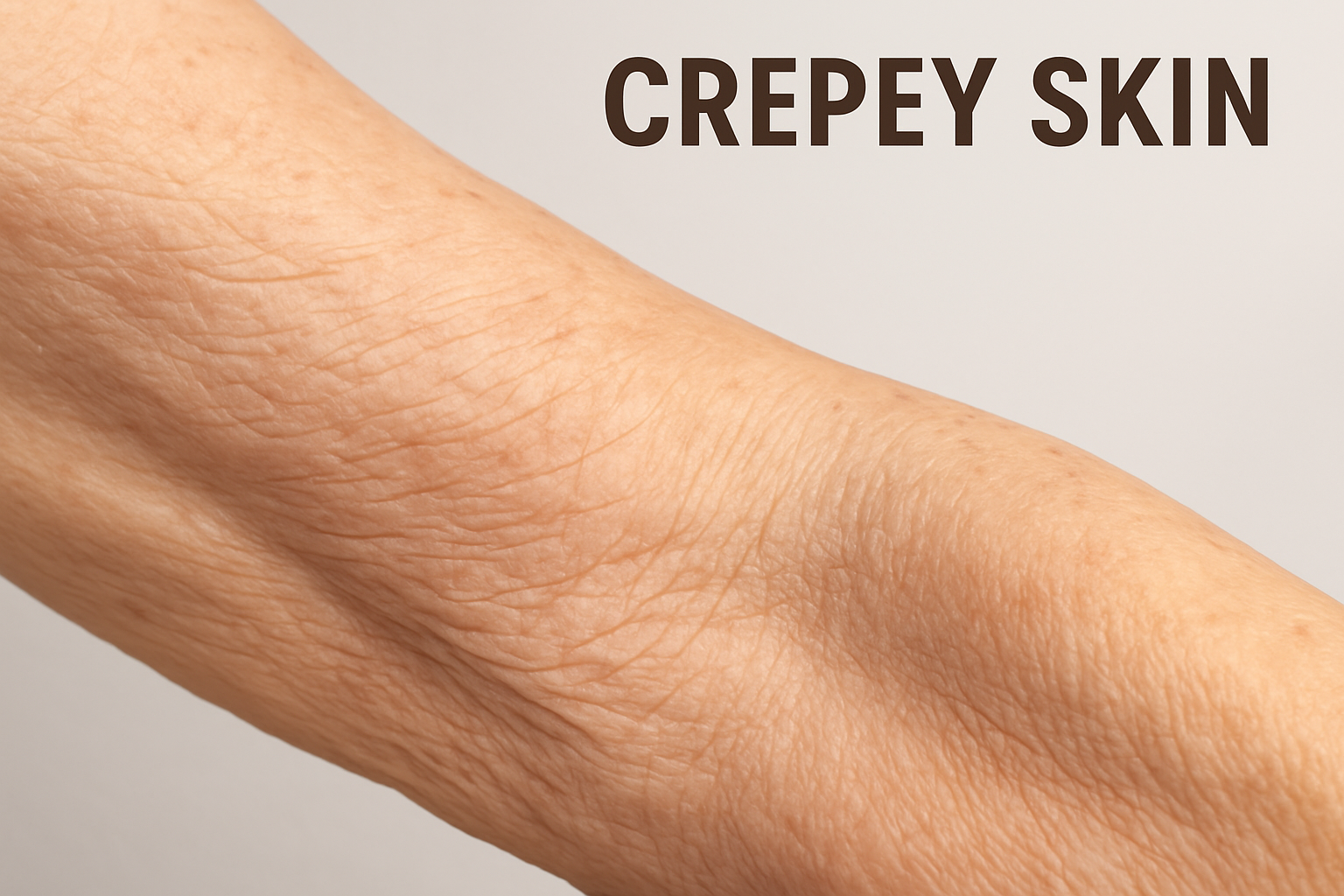
Aging is inevitable, but the appearance of crepey skin—thin, wrinkled skin that loses its elasticity—can take a toll on your confidence. Loose, sagging skin can make you look older than you actually are. This happens because our bodies produce less collagen and elastin as we age.
Besides aging, excessive sun exposure, pollution, and unhealthy lifestyle habits also accelerate the signs of aging, including crepey skin. But don’t worry—there’s still plenty you can do to reduce or even eliminate this sagging skin’s appearance.
According to Dr. Joshua Zeichner and Dr. Ranella Hirsch, two renowned dermatologists, there are several effective and natural ways to improve the condition of crepey skin and begin tightening it. From active ingredients you can use at home, like retinol and hyaluronic acid, to professional treatments performed by experts, these methods can deliver significant results.1How to Get Rid of Crepey Skin: 9 Expert-Approved Methods.
Whether you’re new to skincare or looking for ways to minimize aging signs, this article provides nine proven tips to help you achieve firmer, smoother skin. Keep reading to find the best solution for your skin.
8 Best Creams for Crepey Skin Treatments for Smoother Skin
Finding the right cream for crepey skin can be confusing, especially if you’re new to skincare. Crepey skin looks thin and crinkled, often appearing on areas exposed to the sun, such as the arms and neck. To help you, here are eight top cream recommendations that can smooth and tighten the skin based on specific needs:
- Best Overall: Nécessaire The Body Retinol
Contains retinol and niacinamide—ideal for those seeking overall results: smoother, firmer, and more hydrated skin. - Best for Sun Spots: Shani Darden Body Reform Treatment Serum
Effectively fades sun spots while firming the skin. - Best Lightweight: Paula’s Choice Skin-Smoothing Retinol Body Treatment
Lightweight, fast-absorbing, and great for oily or sweaty skin. - Best for Dry Skin: CeraVe Moisturizing Cream
Packed with ceramides and hyaluronic acid—perfect for deeply moisturizing very dry skin. - Best for Sensitive Skin: Versed Press Restart Gentle Retinol Body Lotion
A gentle retinol formula suitable for beginners or sensitive skin. - Best Exfoliating: Eucerin Intensive Repair Body Lotion
Contains AHA to exfoliate dead skin cells while hydrating. - Best Fragrance-Free: Aveeno Daily Moisturizing Body Lotion
Fragrance-free, safe for sensitive skin. - Best for Redness: Naturium Skin-Renewing Retinol Body Lotion
Helps soothe redness while improving skin texture.
Choose a product that fits your skin needs for the best results and daily comfort.
What Is Crepey Skin?
Crepey skin is a condition where the skin appears thin, loose, and wrinkled—similar to crepe paper. It typically shows up on sun-exposed areas such as under the eyes, the neck, and upper arms. Although it may resemble wrinkles, crepey skin has different causes and characteristics.2Healthline: “Causes of and Treatments for Crepey Skin“
Also Read: How Long Does Retinol Take to Work On Skin?
The main issue is the loss of collagen and elastin—two vital proteins that keep the skin firm and elastic. Without collagen, skin loses its structural strength. Without elastin, skin can’t bounce back after being stretched. This leads to sagging and a loss of suppleness.
Dr. Ranella Hirsch states that UV exposure is the leading cause of crepey skin. Prolonged sun exposure damages elastin fibers deep in the skin, making it more prone to premature aging. Factors like age, dehydration, and lifestyle also worsen the condition.3Byrdie: How to Get Rid of Crepey Skin
Understanding the difference between crepey skin and wrinkles is important in choosing the right treatment. Crepey skin usually requires approaches focused on hydration, sun protection, and boosting collagen and elastin production.
If you start noticing thinner, wrinkled skin in certain areas, don’t panic. With regular care and the right active ingredients, the condition can be reduced or even prevented. The next section will explore effective, natural ways to treat crepey skin.
How to Get Rid of Crepey Skin
1. Use SPF 30 to Protect Your Skin
One of the most important steps in preventing and treating crepey skin is using sunscreen daily.4Skin Cancer: Ask the Expert: Does a High SPF Protect My Skin Better? Sun exposure—especially UVA and UVB rays—can damage collagen and elastin, leading to sagging, dryness, and fine lines.
Dr. Joshua Zeichner recommends using sunscreen with at least SPF 30, even on cloudy days or when staying indoors. SPF 30 blocks about 97% of UVB rays, which cause sunburn, while broad-spectrum protection also blocks UVA rays that accelerate aging.
Apply sunscreen evenly to your face and other exposed areas like your neck and hands. Reapply every two hours if you’re outdoors or sweating.
Consistency is key—sunscreen not only prevents further damage but also allows the skin time to repair. It’s a simple yet essential step in any skincare routine for healthy, radiant, youthful-looking skin.
2. Add Hydration with Hyaluronic Acid
Loose, dull, or wrinkled skin is often caused by dehydration. One of the most effective ingredients to combat this is hyaluronic acid. It acts like a moisture magnet—drawing and locking in up to 1,000 times its weight in water.
Dr. Ranella Hirsch explains that hyaluronic acid helps make skin look plumper, smoother, and more hydrated. By increasing water content in the skin’s layers, it can instantly soften fine lines and give a healthy, full appearance.
It’s lightweight and suitable for all skin types—including sensitive and oily skin. Use it as a serum or moisturizer after cleansing and before applying cream to lock in hydration.
If you’re new to skincare, hyaluronic acid is a great ingredient to start with. Well-hydrated skin appears fresher, more elastic, and better absorbs other products. Use it morning and night for best results.
3. Boost Collagen Production with Retinol
Retinol is one of the most popular skincare ingredients—and for good reason. A derivative of vitamin A, it’s proven to boost the skin’s natural collagen production. Collagen is essential for keeping skin firm, dense, and elastic.5Watsons: How to boost collagen production in your skin, from skincare to supplements?
Dr. Joshua Zeichner notes that retinol stimulates skin cell turnover and triggers new collagen formation. The result? Sagging skin looks tighter, smoother, and more radiant. Retinol is especially effective on areas that show aging, like the face, neck, hands, and elbows.
Since retinol can cause sensitivity, especially at first, use it with moisturizer and only at night. Start with 2–3 times per week and adjust based on your skin’s tolerance.
Begin with a low concentration (0.1%–0.3%) if you’re a beginner. With consistent use, visible improvements like firmer skin, refined texture, and reduced fine lines can be seen in a few weeks. Retinol is a long-term investment in youthful skin—if used correctly.
4. Improve Elasticity with Elastin Stimulators
As we age, natural skin elasticity decreases due to reduced elastin production. Elastin is a crucial protein that keeps skin bouncy and flexible. To restore elasticity, use skincare ingredients that stimulate elastin production.
Two recommended ingredients are blackberry extract and dill extract. Blackberry is rich in antioxidants and vitamin C, which protect the skin and support elastin production. Dill contains flavonoids shown to enhance elastin formation, making skin appear tighter and smoother.
Regularly using products with these ingredients can help slow signs of aging and maintain skin’s natural firmness. Choose serums or moisturizers with these actives for fresher, younger-looking skin.
5. Protect Your Skin Barrier with Petrolatum
Often misunderstood, petrolatum is a highly effective ingredient for locking in skin moisture. In its pure, high-quality form, petrolatum creates a protective layer on the skin that prevents water loss and dryness.
When skin is dehydrated, it becomes thinner, looser, and dull. Petrolatum helps reinforce the skin barrier, speed up recovery, and reduce inflammation—especially on dry or sensitive skin.
Use moisturizers containing pure petrolatum, especially at night. Your skin will feel softer, plumper, and better hydrated, helping to preserve a youthful appearance.
6. Shield Skin from Free Radicals with Antioxidants
Antioxidants are the skin’s natural defense against damaging free radicals—from pollution and UV rays—that speed up aging. They work alongside sunscreen to provide dual protection: sunscreen blocks UV damage, and antioxidants neutralize any free radicals that get through.
Top antioxidant ingredients include vitamin C, vitamin E, and polyphenols. These repair cellular damage, reduce fine lines, and brighten dull skin from within.
For maximum benefits, use serums or moisturizers rich in antioxidants daily. This is a key part of your routine to maintain glowing, firm, and healthy skin.
7. Minimize Aging Signs with Squalane
Squalane is a natural moisturizer produced by the body, but levels decline after age 30. Lack of squalane can leave skin dry, rough, and prone to fine lines.
Plant-derived squalane is widely used in skincare today for its similarity to natural skin oils. It helps retain moisture, strengthen the skin barrier, and offers antioxidant protection.6Healthline: What Is Squalane and What Are Its Benefits for Skin and Hair?
Use skincare products with squalane regularly to keep skin moisturized, supple, and smooth. It’s a great choice for all skin types, especially if you’re noticing early signs of aging.
7. Speed Up Skin Renewal with Niacinamide
Niacinamide, also known as vitamin B3, is a powerful, multitasking ingredient that speeds up skin regeneration. It promotes healthy cell turnover, making skin look brighter and healthier.
By encouraging cell differentiation, niacinamide smooths texture, evens tone, and reduces fine lines. It also soothes inflammation and controls excess oil—making it suitable for all skin types, including sensitive or acne-prone skin.
Incorporate niacinamide into your routine via serums or toners for optimal results. Over time, your skin will appear fresher, smoother, and more radiant.
8. Cleanse Daily for Brighter Skin
Facial cleansing is a crucial but often overlooked step. Washing your face regularly removes dirt, oil, and pollution that can clog pores and accelerate aging.
Cleansing twice daily—morning and night—prepares your skin to absorb serums and moisturizers more effectively. It also helps retain moisture, prevents dullness, and reduces the risk of acne and wrinkles.
Use a gentle cleanser suitable for your skin type. With this habit, your skin will feel cleaner, fresher, and ready to benefit fully from the rest of your skincare routine.
About the Author
M. Hariri is a business and beauty content writer with over five years of experience. He focuses on research-based skincare education and frequently collaborates with dermatologists. His work can be found in various national and international beauty publications.

 Acne
Acne Anti-Aging
 Business
 Digital Marketing
 Economics
 Exfoliation
 Hair Removal
 Movies
 Personal Finance
 Websites