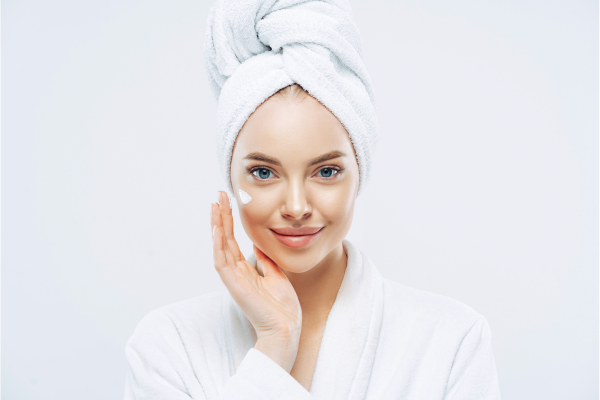
The Best Anti-Aging Skincare Routine That’s Easy and Works Fast

Starting anti-aging skincare routine at a young age is not excessive. Dermatology experts, including Dr. Dendy Engelman, state that the skin’s production of collagen and elastin begins to decline as early as your 20s. This leads to the appearance of early signs of aging, such as fine lines, dark spots, and dullness. That’s why introducing active ingredients like retinoids, vitamin C, and peptides early on is essential to protect the skin from damage caused by UV exposure and pollution.1Byrdie: The Best Anti-Aging Skincare Routine That’s Simple and Effective
A basic routine, including a gentle facial cleanser and daily sunscreen use, is an effective way to combat premature aging. Sunscreen with at least SPF 30 helps prevent collagen breakdown and uneven pigmentation from sun exposure. Dr. Michele Henry and Shani Darden recommend starting anti-aging treatments gradually, so the skin can adapt without irritation.
With the right and consistent approach, you can preserve your skin’s elasticity, radiance, and overall health in the long term. So don’t delay starting your anti-aging routine—prevention is always better than cure.
Morning Anti-Aging Skincare Tips: The Right Routine for Youthful, Healthy Skin
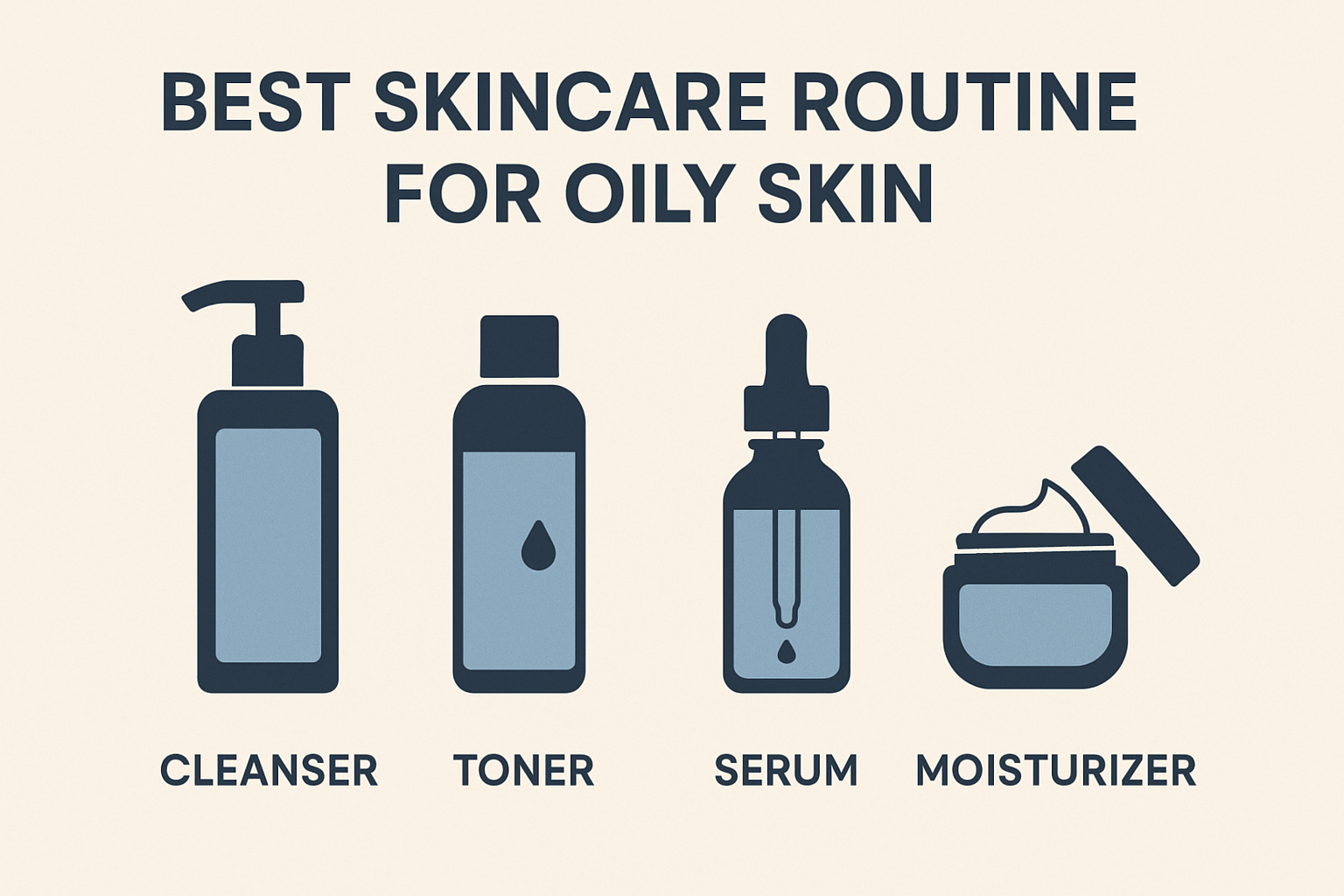
A proper morning skincare routine can be the key to maintaining youthful, healthy skin. Start with a gentle cleanser that doesn’t strip away the skin’s natural oils. Avoid soaps that leave your skin feeling tight or dry, as this can weaken the skin barrier.
After cleansing, apply a toner to balance your skin’s pH and enhance absorption of the next products. This step is especially beneficial for oily or acne-prone skin.
Next, use a vitamin C serum rich in antioxidants. Vitamin C helps protect the skin from free radicals, boosts collagen production, and fades dark spots. Apply it before your moisturizer to maximize results.
If your skin is dry, add 1–2 drops of a nourishing facial oil like rosehip or sea buckthorn to help lock in moisture and calm irritation.
Also Read: How Long Does Retinol Take to Work On Skin?
Follow with a moisturizer containing probiotics and antioxidants. This helps maintain hydration while repairing early signs of aging, such as fine lines.
Finally, never skip sunscreen with SPF 30 or higher. This is the most crucial step in protecting your skin from UV damage and preventing premature aging. For added hydration, choose a sunscreen with hyaluronic acid—perfect under makeup and for keeping skin plump all day.
Night Anti-Aging Skincare Tips: A Restorative Routine to Repair and Rejuvenate Your Skin
A nighttime anti-aging routine is essential for repairing daily skin damage. Start with a double cleanse: use an oil-based cleanser to dissolve makeup and sunscreen, followed by a gentle gel cleanser to remove excess oil and impurities. This ensures clean pores and better absorption of nighttime products.
Apply a toner with a mild exfoliant like salicylic acid to slough off dead skin cells and prep the skin for retinol and other serums.
Retinol is a key anti-aging ingredient that promotes cell turnover, smooths fine lines, and evens skin tone. Products like Luna Sleeping Oil, which combine retinoids with soothing botanicals like blue tansy and chamomile, are ideal for beginners to minimize irritation.
For added exfoliation, use an AHA serum 2–3 times a week. Ingredients like glycolic acid and licorice extract help brighten the skin and fade dark spots.
Finish with a rich moisturizer containing peptides and ceramides to stimulate collagen production and strengthen the skin barrier while you sleep.
Don’t forget the delicate eye area—use an eye cream with hyaluronic acid or caffeine to reduce wrinkles and dark circles.
Weekly Anti-Aging Skincare Tips: Extra Treatments for Brighter, Firmer Skin
In addition to your daily routine, weekly treatments can enhance your anti-aging results. Use a face mask 1–2 times per week containing peptides, ceramides, and hyaluronic acid for deep hydration and to reinforce the skin barrier. Apply your mask after toner, either in the morning or at night.
Choose a mask based on your skin’s needs: hydrating masks for dry skin, brightening masks with vitamin C for dullness, and firming masks with collagen or peptides for aging skin.
At-home dermarolling or microneedling can boost product absorption and stimulate collagen production. Use a small needle size (0.25–0.5 mm) no more than once a week, and always sanitize your tool properly.
After dermarolling, your skin becomes highly receptive to serums with gentle ingredients like peptides, niacinamide, and hyaluronic acid. Avoid using retinol or AHAs immediately afterward to prevent irritation.
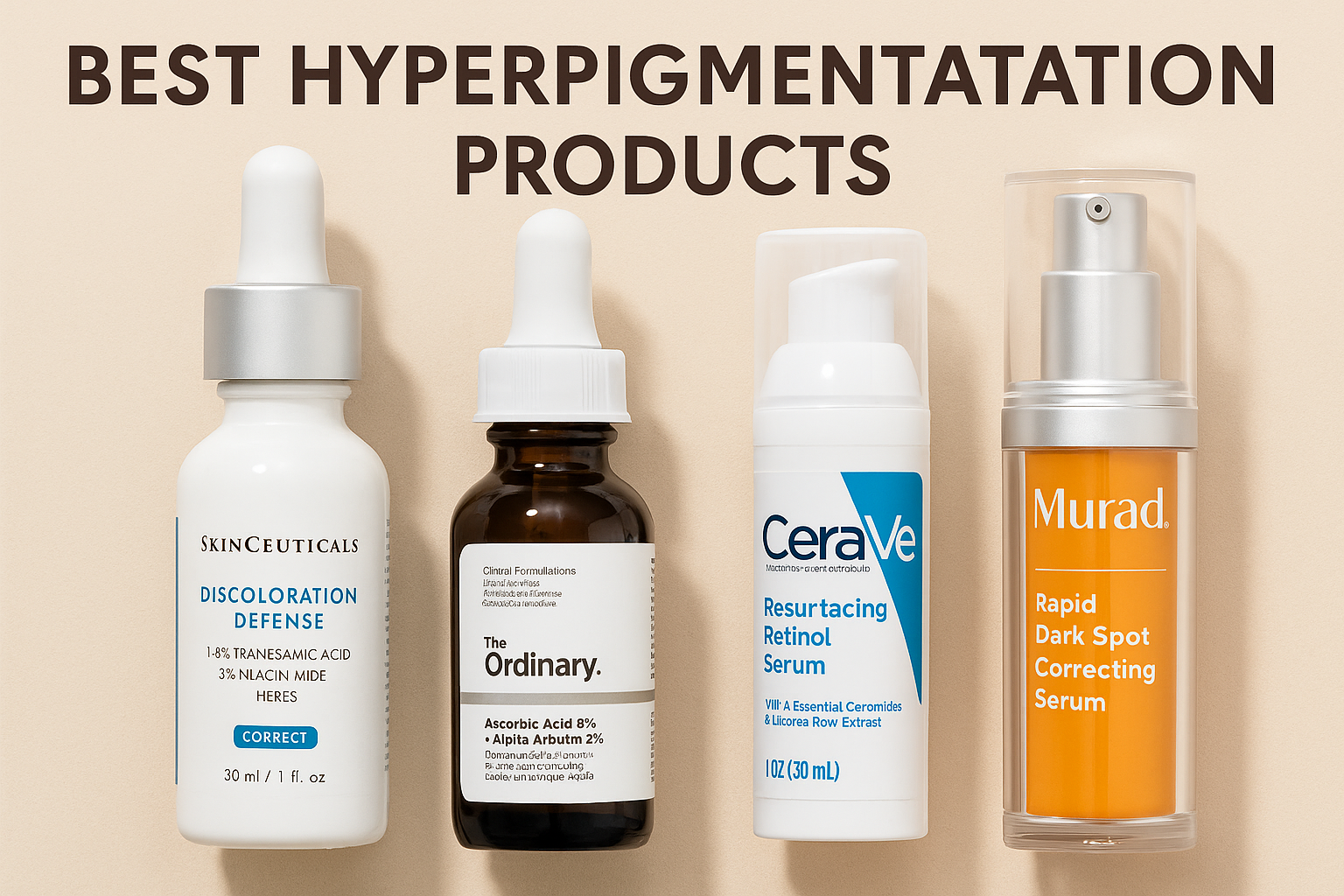
Best Anti-Aging Skincare Products You Must Try
1. Top Anti-Aging Serums
- SkinCeuticals C E Ferulic
This powerful serum combines vitamins C and E with ferulic acid to defend the skin against free radicals while brightening and softening fine lines. - The Ordinary Retinol 1% in Squalane
A pure retinol formula that stimulates cell turnover, paired with squalane to maintain hydration and reduce irritation—perfect for smoother, youthful skin.
2. Best Anti-Aging Moisturizers
- Olay Regenerist Micro-Sculpting Cream
Infused with niacinamide and amino-peptides, this rich cream firms and deeply moisturizes, making it a favorite for visibly lifted skin. - Drunk Elephant Protini Polypeptide Cream
Packed with peptides and growth factors to support collagen production, this moisturizer is ideal for skin beginning to lose elasticity and firmness.
3. Best Anti-Aging Eye Creams
- Neutrogena Rapid Wrinkle Repair Eye Cream
Formulated with retinol SA and hyaluronic acid, it smooths fine lines while remaining gentle enough for sensitive under-eye skin. - La Roche-Posay Redermic R Eyes
Features a gentle yet effective retinol formula specifically designed for the delicate eye area—great for reducing crow’s feet and dark circles.
4. Top Anti-Aging Sunscreens
- EltaMD UV Clear Broad-Spectrum SPF 46
Offers high UVA/UVB protection with niacinamide to soothe the skin. Lightweight, non-comedogenic, and ideal for acne-prone or sensitive skin. - Shiseido Urban Environment Oil-Free Sunscreen SPF 42
Contains hyaluronic acid, is oil-free, long-wearing, and layers well under makeup—perfect for everyday sun protection with added hydration.
About the Author
M. Hariri is a business and beauty content writer with over five years of experience. He focuses on research-based skincare education and frequently collaborates with dermatologists. His work can be found in various national and international beauty publications.

 Acne
Acne Anti-Aging
 Business
 Digital Marketing
 Economics
 Exfoliation
 Hair Removal
 Movies
 Personal Finance
 Websites