10 Best Melasma Treatments to Fade Dark Patches Fast
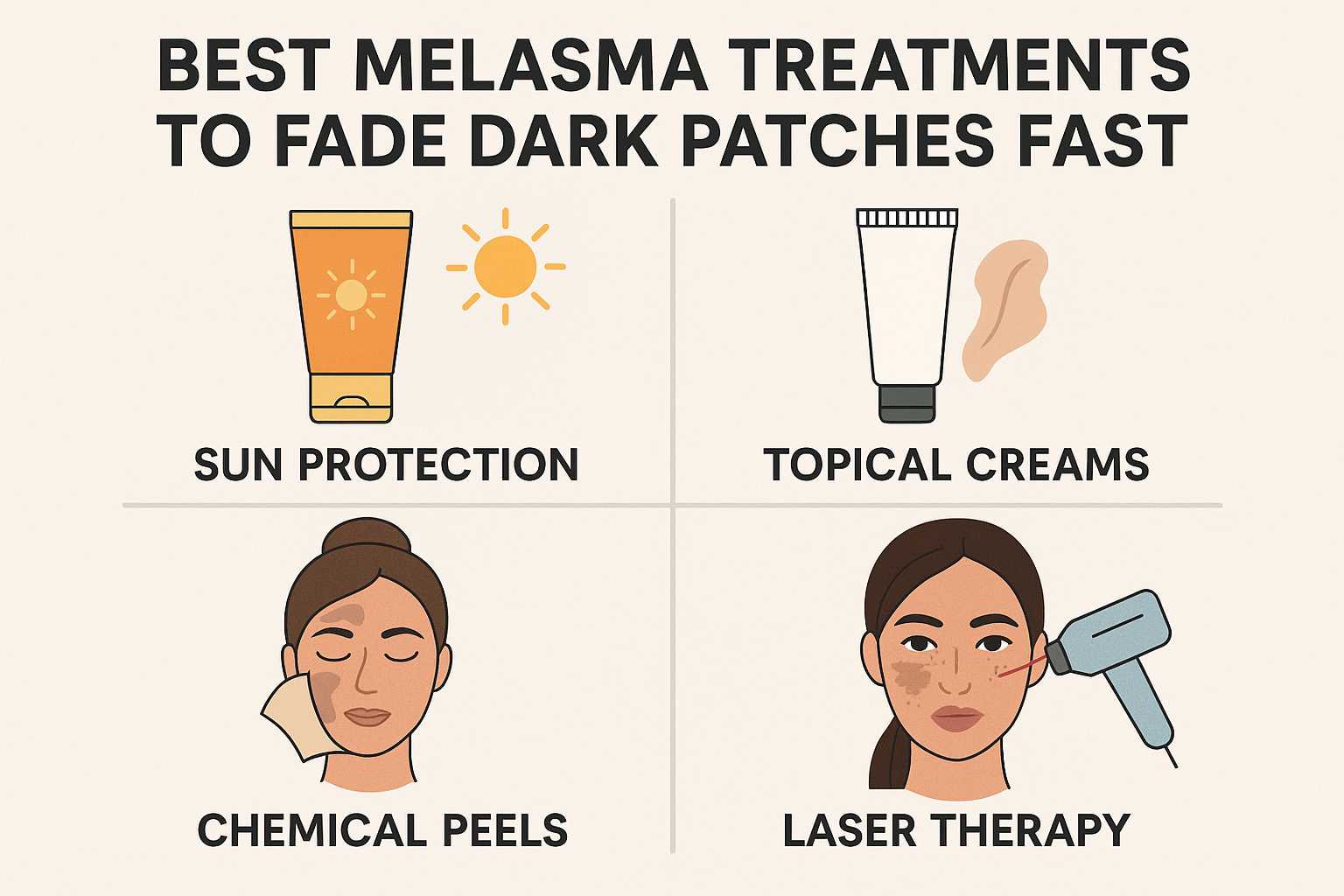
Melasma is a type of hyperpigmentation that appears as brownish or grayish patches on the face caused by excess melanin production. This condition is often triggered by hormonal changes—such as pregnancy or hormonal birth control use—and tends to be stubborn without proper melasma treatments.[1Cleveland Clinic: Melasma]
Although melasma can fade over time, the process is usually slow. For many, these dark patches not only affect appearance but also lower self-confidence. That’s why early treatment using proven methods is essential.
Certified dermatologists and skincare experts recommend a combination of active treatments and daily protection to speed up fading. Common methods include using retinoids to accelerate skin cell turnover, dermaplaning to remove dead skin, and brightening agents like hydroquinone to reduce melanin production. Equally important is daily sunscreen use to prevent worsening pigmentation caused by UV exposure.
With consistent and targeted care, melasma can be managed, helping the skin look brighter and more even. Consult a dermatologist to get treatments tailored to your skin type and the severity of your melasma.
10 Effective Ways to Treat and Control Melasma
1. Try Cosmelan Peels to Reduce Facial Melasma
Cosmelan peel is a popular treatment for facial melasma involving two chemical peeling sessions spaced about three weeks apart, designed to target hyperpigmentation effectively.[2Skin Logic Aesthetics: Unlock Radiant Skin with the Cosmelan Peel: A Comprehensive Review]
According to board-certified dermatologist Dr. Michele Green, Cosmelan is highly effective and safe for all skin types—including sensitive skin. Unlike many peels, it does not contain hydroquinone, a strong brightener that can cause redness and dryness for some.[3Shankar K, Godse K, Aurangabadkar S, et al. Evidence-based treatment for melasma: expert opinion and a review. Dermatol Ther (Heidelb). 2014;4(2):165-186.]
Thanks to its gentle yet effective formula, Cosmelan is a favorite for those seeking a safe, long-term solution to even out skin tone. Best results usually appear after a few weeks, with mild peeling and gradual skin tone improvement.
If you have stubborn melasma and want a more intensive approach than daily skincare, Cosmelan is worth considering—just ensure it’s done by licensed professionals for safety and proper care.
2. Add an Exfoliant to Your Skincare Routine
Exfoliation is a key step in fading melasma by removing dead skin cells, speeding up cell turnover, and brightening the complexion.
Beauty expert Kerry Benjamin recommends exfoliants containing trichloroacetic acid (TCA) and lactic acid, like TCA Multi-Acid Face Peel. These ingredients gently but effectively dissolve the outer pigmented skin layer, reducing dark spots and smoothing skin tone.[4Sahu P, Dayal S. Most worthwhile superficial chemical peel for melasma of skin of color: Authors’ experience of glycolic, trichloroacetic acid, and lactic peel. Dermatol Ther. 2021;34(1):e14693.]
Beginners should start with gentle exfoliation 1–2 times a week to avoid irritation. Always follow up with moisturizer and sunscreen to protect sensitive skin after exfoliating.
3. Use a Retinoid
Retinoids are highly recommended for fading melasma as they accelerate skin renewal and stimulate new collagen production. Dr. Michele Green notes that over-the-counter retinol suits mild melasma beginners, while stronger prescription tretinoin (Retin-A) requires a doctor’s guidance.[5Mukherjee S, Date A, Patravale V, Korting HC, Roeder A, Weindl G. Retinoids in the treatment of skin aging: an overview of clinical efficacy and safety. Clin Interv Aging. 2006;1(4):327-348.]
Retinoids even out skin tone by replacing pigmented old skin cells. However, they may cause initial irritation such as dryness or peeling, so it’s important to start slowly and use moisturizer and sunscreen alongside.
Consult a dermatologist to find the right type and dosage for your skin condition.
4. Try Dermaplaning to Lift Dark Spots
Dermaplaning is a mechanical exfoliation using a specialized tool to remove dead skin cells and fine facial hair. Kerry Benjamin says combining dermaplaning with chemical peels can be very effective in reducing melasma’s appearance.[6Byrdie: 10 Melasma Treatments to Keep Discoloration Under Control]
This treatment speeds up cell turnover by sloughing off dull skin, allowing skincare products to penetrate better and work more effectively. It also gives an instant smoother and brighter look.
For best results, get dermaplaning done by a professional to ensure safety and skin-specific care.
5. Talk to Your Doctor About Your Contraceptive
Since melasma is heavily influenced by hormones, hormonal birth control pills can trigger or worsen melasma. If you notice your melasma worsening while on contraceptives, consult your doctor.[7Handel AC, Miot LD, Miot HA. Melasma: a clinical and epidemiological review. An Bras Dermatol. 2014;89(5):771-782. doi:10.1590/abd1806-4841.20143063]
They may suggest hormone-free or alternative contraceptive methods that have less impact on your hormone levels, helping to control dark spots while maintaining hormonal balance.
6. Add Vitamin C to Your Skincare Routine
Vitamin C is a powerful brightening antioxidant effective against hyperpigmentation, including melasma. Dr. Michele Green explains that Vitamin C serum neutralizes excess melanin, brightens skin, and evens out skin tone.[8De Dormael R, Bastien P, Sextius P, et al. Vitamin c prevents ultraviolet-induced pigmentation in healthy volunteers: bayesian meta-analysis results from 31 randomized controlled versus vehicle clinical studies. J Clin Aesthet Dermatol. 2019;12(2):E53-E59.]
Dr. Marisa Garshick adds that Vitamin C also protects skin from damage caused by free radicals and blue light exposure. She recommends products like Revision’s C Correcting Complex, which combines Vitamin C with MELA-path technology for enhanced results.
Use Vitamin C serum every morning before sunscreen for gradual brightening and protection.
7. Use Products That Help Speed Up Cell Turnover
Accelerating skin regeneration is crucial for fading melasma. Serums with epidermal growth factors (EGF), such as Kerry Benjamin’s EGF Activating Serum, support faster skin healing and stimulate new cell growth.
For enhanced results, combine EGF serum with microneedling, a technique that creates microchannels in the skin to allow deeper absorption of active ingredients, targeting pigmentation beneath the surface.
This combo suits those seeking long-term, effective improvements for uneven skin tone.
8. See a Dermatologist About a Hydroquinone Prescription
Hydroquinone is a potent skin brightener long used in melasma treatment. Dr. Michele Green and Dr. Marisa Garshick agree it’s effective but must be used under dermatologist supervision due to potential side effects like ochronosis—unwanted skin discoloration.
Hydroquinone products are prescription-only. For stubborn melasma unresponsive to other treatments, consulting a dermatologist is essential for safe and appropriate therapy.
9. Apply Sunscreen Every Single Day—No Matter What
Daily sunscreen is the most important step to prevent and control melasma. UV rays worsen pigmentation even on cloudy days or indoors.
Experts Kerry Benjamin and Dr. Garshick recommend broad-spectrum sunscreens with at least SPF 30 containing physical blockers like zinc oxide or titanium dioxide. Sunscreens with iron oxide also protect against blue light.
One excellent choice is Elta MD’s UV Elements Tinted, which offers comprehensive protection and doubles as light coverage to instantly conceal dark spots.
10. Disguise Discoloration with Makeup
While waiting for treatment results, makeup can help camouflage dark patches. High-coverage color correctors and foundations create an even skin tone.
For a natural look, try Live Tinted’s Huestick Color Correctors to neutralize pigmentation, followed by Lancôme’s Teint Idole Ultra Wear Foundation for flawless, lightweight coverage.
Makeup isn’t a permanent solution but boosts confidence during your skincare journey.
When to See a Professional For Your Melasma
Melasma can fluctuate with seasons, hormones, or sun exposure. While not dangerous, Dr. Green warns melasma may indicate underlying health issues like thyroid imbalance or hormone disorders.
If you’ve tried various treatments without improvement or if melasma appears suddenly and worsens, consult a dermatologist promptly. A thorough exam ensures safe, effective long-term management.
Recommended Skincare Products for Melasma
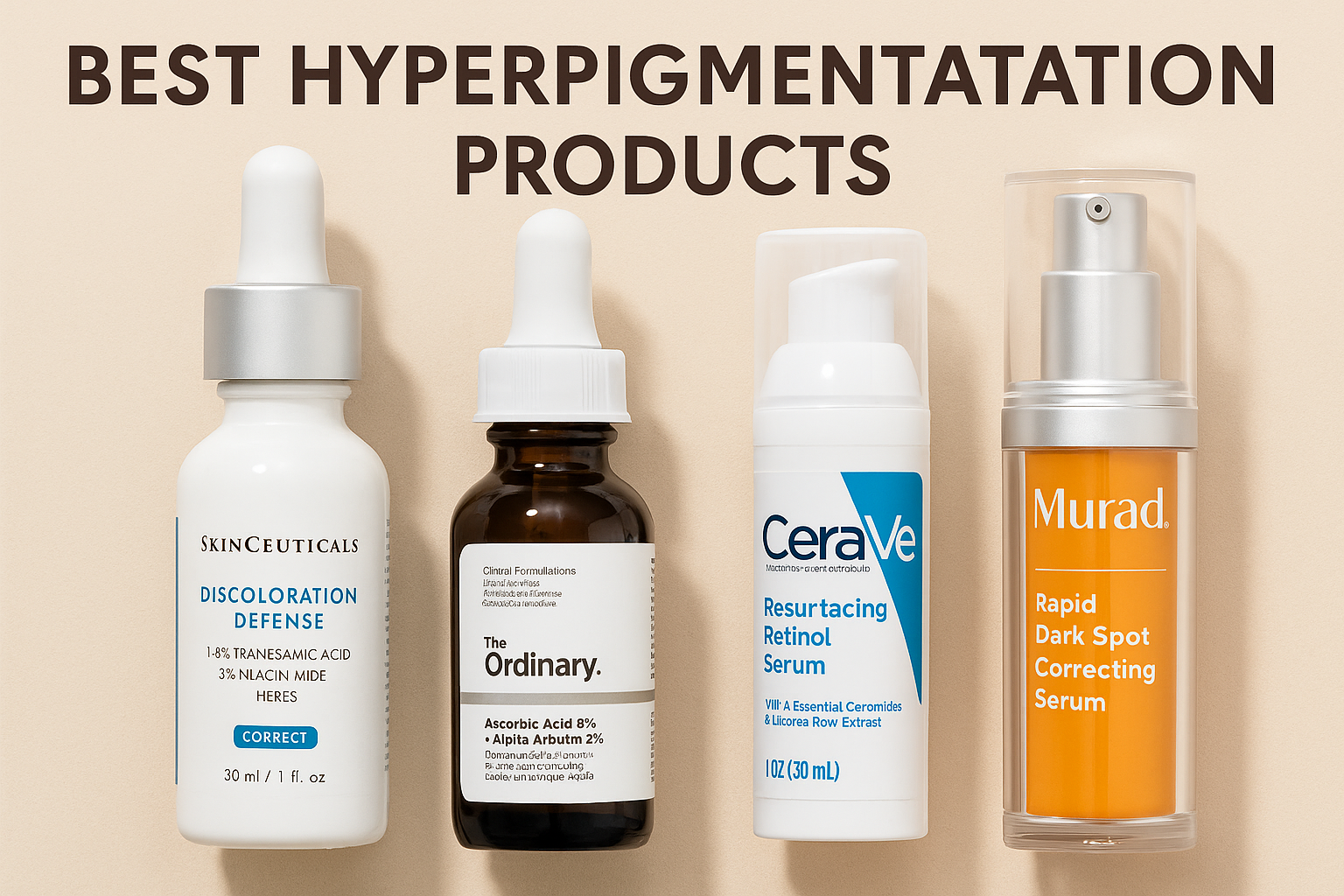
Here are expert-favorite products proven to help fade dark spots and even skin tone:
- TCA Multi-Acid Face Peel by StackedSkincare — Gentle peel with trichloroacetic and lactic acids to remove dead skin layers and brighten.
- Revision Skincare C+ Correcting Complex 30% — Vitamin C serum with blue light protection tech to brighten and shield skin.
- EGF Activating Serum by StackedSkincare — Contains growth factors to speed skin regeneration, ideal paired with microneedling.
- EltaMD UV Elements Tinted Sunscreen SPF 44 — Lightweight broad-spectrum sunscreen with tinted coverage and blue light defense.
- Live Tinted Huestick Color Correctors — Convenient color correctors to conceal dark spots before foundation.
- Lancôme Teint Idole Ultra Wear Foundation — High-coverage yet lightweight foundation perfect for covering melasma without heaviness.
Understanding the Causes of Melasma: Why Do These Dark Spots Appear?
Melasma is a common skin condition characterized by dark patches caused by excess melanin production. Hormonal changes, especially fluctuations in estrogen and progesterone, are the main triggers. This explains why melasma often appears during pregnancy or when using hormonal birth control pills. Besides hormones, excessive sun exposure worsens melasma since UV rays stimulate melanin production. Genetic factors also matter—if your parents had melasma, you are more likely to develop it too.
Knowing what causes melasma helps you prevent it and choose the right treatment. For example, if hormones are involved, consulting a doctor to adjust your medication or contraceptive method can be helpful. Daily sun protection is also crucial to stop melasma from getting darker.
By understanding melasma’s root causes, you can pick skincare products that work best for you and avoid habits that make melasma worse.
Beware of Risks and Side Effects of Melasma Treatments
Treatments like hydroquinone and chemical peels are effective in reducing melasma but require careful use. Hydroquinone blocks melanin production, but misuse can cause side effects such as irritation, redness, or even ochronosis—a permanent skin discoloration. Always use hydroquinone under a dermatologist’s supervision.
Chemical peels such as TCA or Cosmelan remove dead skin cells and improve skin tone. However, sensitive skin or overly frequent peeling can lead to dryness and irritation.
Follow instructions closely and consult your dermatologist regularly to maximize results safely. Report any unusual skin reactions immediately.
How to Combine Skincare Products for Melasma: A Practical Guide
Starting skincare for melasma? Use the right product order to avoid irritation. Begin your morning routine with a vitamin C serum to brighten skin and protect against free radicals. Follow up with sunscreen SPF 30 or higher to shield against UV damage.
At night, apply retinoids like retinol or Retin-A to boost skin renewal and fade dark spots. Introduce retinoids gradually, 2–3 times a week, to prevent dryness or redness.
Finish with a soothing moisturizer to keep your skin hydrated and calm. This balanced routine helps fade melasma safely over time.
Daily Habits to Prevent and Reduce Melasma
Daily care matters for melasma management. Avoid harsh scrubbing when cleansing or drying your face, as this damages your skin’s barrier and worsens pigmentation.
Apply sunscreen every day—even on cloudy days or indoors—to protect from UV rays and blue light emitted by screens. Choose broad-spectrum sunscreens that shield against both.
Limit sun exposure between 10 a.m. and 4 p.m., and wear physical protection like hats or umbrellas outdoors. These habits protect your skin and support melasma fading.
How Long Does Melasma Treatment Take? What to Expect
Melasma treatment requires patience. Typically, you need 8–12 weeks to notice visible improvement. Treatment length varies depending on melasma severity and chosen methods.
Consistency is key—stick to your skincare routine and follow your doctor’s advice closely. Results take time, so don’t get discouraged.
If progress stalls, revisit your dermatologist for adjustments or alternative therapies.
Professional Melasma Treatments: What Are Your Options?
For stubborn melasma, clinical treatments like laser therapy, IPL (Intense Pulsed Light), and microneedling offer effective options. Laser and IPL target and break down excess melanin, while microneedling encourages skin regeneration and improves product absorption.
These procedures must be done by qualified dermatologists to minimize risks such as irritation or post-treatment pigmentation.
Doctors usually recommend these treatments for melasma cases that don’t respond to topical products.
Why Medical Diagnosis and Consultation Are Essential for Melasma
Not all dark spots are melasma; some may be post-inflammatory hyperpigmentation or lentigines. Accurate diagnosis by a dermatologist is vital before starting treatment.
Melasma may also signal underlying health issues like thyroid or hormonal imbalances. Medical consultation helps assess both skin and overall health.
If self-care isn’t improving your condition or you notice symptoms like redness, itching, or swelling, seek professional advice promptly.
About the Author
M. Hariri is a business and beauty content writer with over five years of experience. He focuses on research-based skincare education and frequently collaborates with dermatologists. His work can be found in various national and international beauty publications.
ARTICLE SOURCES
You might also like



 Acne
Acne Anti-Aging
 Business
 Digital Marketing
 Economics
 Exfoliation
 Hair Removal
 Movies
 Personal Finance
 Websites