How Long Does Retinol Take to Work On Skin?

Retinol is a derivative of vitamin A and is widely known as a powerhouse ingredient in anti-aging skincare. This active compound works by accelerating skin cell turnover and stimulating collagen production—an essential protein that keeps the skin firm, smooth, and elastic. Thanks to these benefits, retinol is highly effective at reducing fine lines, fading dark spots, improving skin texture, and even preventing breakouts by unclogging pores.[1Zasada M, Budzisz E. Retinoids: active molecules influencing skin structure formation in cosmetic and dermatological treatments. Postepy Dermatol Alergol. 2019;36(4):392-397. doi:10.5114/ada.2019.87443]
However, due to its popularity, retinol is often misunderstood. One common myth is that it should never be used around the eyes. In reality, when applied using a gentle formula, retinol can be safe for the under-eye area. Another widespread misconception is expecting overnight results. In truth, visible improvements typically take 6 to 12 weeks, depending on your skin’s condition and tolerance.
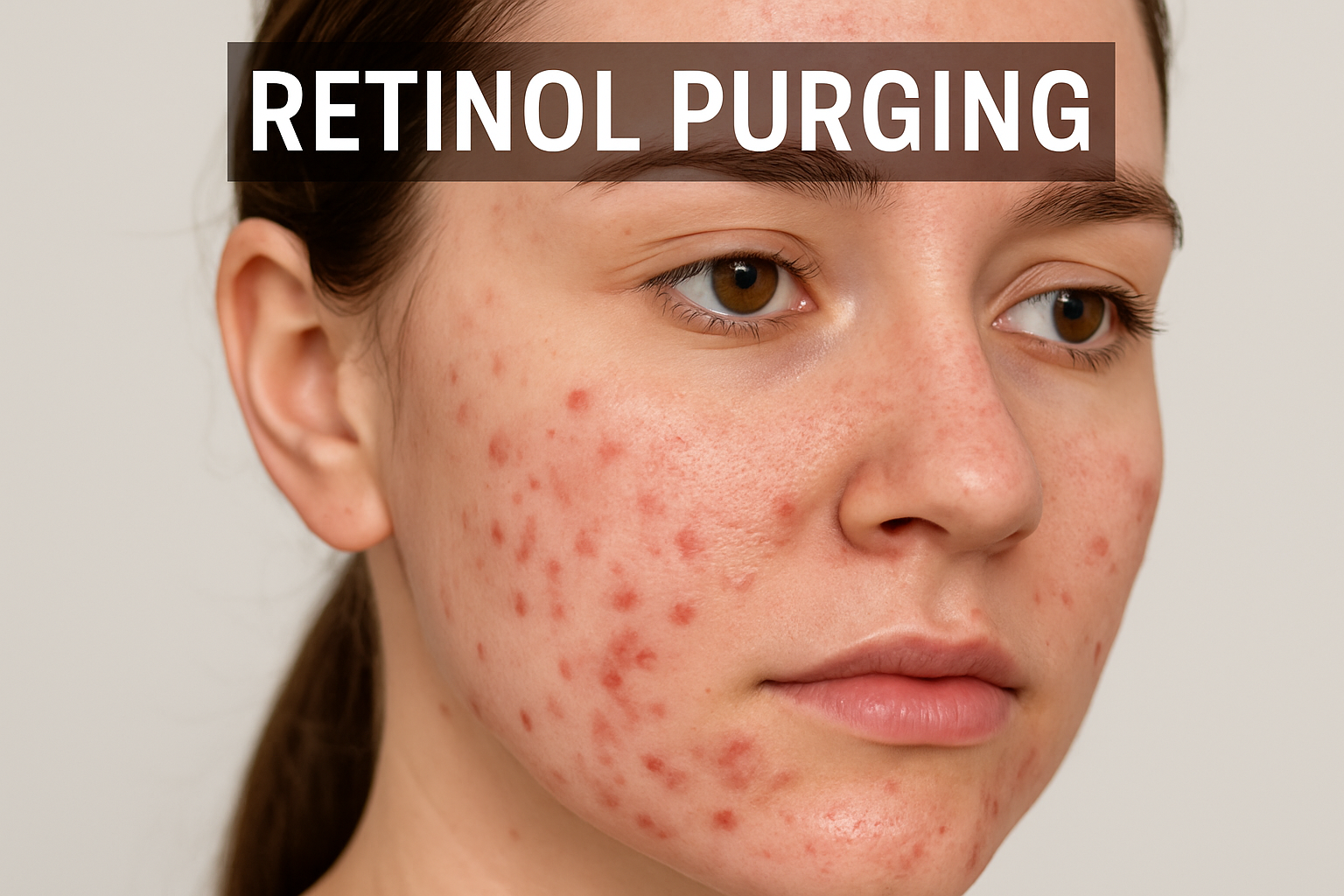
It’s also important to know that mild irritation or purging—where your skin appears to get worse before it gets better—can occur during the initial phase of retinol use. This is a normal part of the skin’s adjustment process and not a cause for alarm.
To help you better understand how retinol truly works, this article features insights from two board-certified dermatologists: Dr. Melissa Levin and Dr. Marnie Nussbaum. They explain the science-backed benefits of retinol and why the early side effects shouldn’t stop you from reaping its long-term rewards. With the right knowledge and approach, you can safely and effectively incorporate retinol into your skincare routine—without falling for common myths.
What is Retinol?
Retinol is a vitamin A derivative that belongs to the retinoid family. This powerful compound can penetrate the skin’s outer layer (epidermis) and interact directly with skin cell receptors. As a result, it accelerates cell turnover and boosts collagen production—a key protein that keeps the skin firm, hydrated, and elastic.
Retinol is available in various forms and strengths, including retinyl palmitate, retinaldehyde, and tretinoin (also known as retinoic acid).[2Medik8: Tretinoin vs Retinol vs Retinal: What’s The Difference?] Each type varies in potency and potential for irritation, making it suitable for different skin concerns—from early signs of aging and fine lines to dark spots and acne.
According to board-certified dermatologist Dr. Marnie Nussbaum, retinol is one of the most effective ingredients in skincare. When used consistently and in the right formulation, it can visibly reduce signs of aging and strengthen the skin’s structure from within. That’s why dermatologists often recommend retinol as a go-to solution for improving overall skin texture and appearance.
What Are the Benefits of Retinol?
Retinol offers a wide range of science-backed benefits, especially for common skin concerns like uneven texture, fine lines, and clogged pores. One of its primary functions is accelerating skin cell turnover. According to dermatologist Dr. Marnie Nussbaum, retinol works by exfoliating dead skin cells on the outermost layer (stratum corneum) and promoting the formation of new, healthier skin cells. This results in a brighter, smoother, and more even complexion.
But retinol doesn’t just work on the surface. It also penetrates deep into the dermis, where it stimulates the production of collagen and elastin—two essential proteins that keep the skin firm and elastic.[3Healthline: How Does Retinol Work on the Skin?] With increased collagen levels, fine lines and wrinkles gradually fade, giving the skin a more youthful and plump appearance.
For those with oily or acne-prone skin, retinol can be especially helpful. It regulates excess oil (sebum) production and keeps pores clear, which reduces the risk of breakouts. When used consistently and as directed, retinol not only improves the skin’s appearance but also supports its overall health and balance.
How Does Retinol Work on the Skin?
Retinol works deep within the skin—not just on the surface, but all the way down to the dermis. According to dermatologist Dr. Marnie Nussbaum, retinol stimulates fibroblast cells, which are responsible for producing collagen and elastin. This action helps repair the skin’s internal structure, including damage caused by sun exposure, aging, and inflammation.
During the early stages of use, you may experience what’s known as the “retinization phase.” This is the skin’s natural adjustment period to retinol, often marked by mild dryness, redness, or flaking. Don’t panic—these signs are common and indicate that retinol is beginning to activate the skin’s renewal process.[4Del Rosso JQ, Levin J. The clinical relevance of maintaining the functional integrity of the stratum corneum in both healthy and disease-affected skin. J Clin Aesthet Dermatol. 2011;4(9):22-42.]
Dr. Nussbaum emphasizes that mild irritation is not a sign of an allergic reaction but a normal response as your skin learns to renew itself more rapidly. With consistent and gradual use, your skin will adapt, and any initial side effects will fade over time. In the long run, you can expect noticeable improvements in skin texture, tone, and elasticity.
How to Use Retinol Safely and Effectively
Retinol is a highly potent active ingredient, so it’s essential to use it correctly to achieve the best results while keeping your skin healthy. The golden rule is to start “low and slow”—use a low concentration and apply it gradually.
According to Dr. Marnie Nussbaum, it’s best to begin with a pea-sized amount for the entire face. Apply it two to three times per week at night, then slowly increase the frequency as your skin builds tolerance. This step is crucial to minimize irritation, redness, or excessive peeling during the early stages of use.
If you have sensitive skin or are new to retinol, consider using the buffering technique. This involves mixing retinol with a moisturizer before applying it to your face, which helps reduce irritation without compromising the effectiveness of the active ingredient.
Retinol can be applied across the entire face, but avoid areas too close to the eyes—especially along the lash line—since the skin there is thinner and more prone to irritation. If you’d like to target the eye area, choose a specially formulated eye retinol product with a gentler concentration.
Dr. Melissa Levin also recommends waiting a few minutes after applying retinol before layering on a moisturizer, especially if your skin feels dry. With consistent and patient use, visible results—like smoother, brighter, and healthier skin—typically appear within 8 to 12 weeks.
How Long Does It Take to See Results From Retinol?
Retinol doesn’t deliver instant results—it works gradually over time. According to Dr. Marnie Nussbaum, how quickly retinol takes effect depends on the strength of the formula and how efficiently your skin converts it into retinoic acid, the active form that skin cells can actually use. This process varies from person to person, depending on individual skin conditions.
Typically, your skin begins adjusting to retinol within 3 to 4 weeks of consistent use. For prescription-strength retinoids like tretinoin (Retin-A), visible improvements often appear after 2 to 3 months. Over-the-counter (OTC) retinol, which comes in lower concentrations, may take up to 6 months to show more dramatic results.
While long-term changes take time, you might notice early benefits within the first few weeks. These can include a brighter complexion, clearer pores, and mild flaking—signs that retinol is actively working to renew your skin.
If your goal is to reduce wrinkles or fine lines, patience is key. Studies have shown that noticeable improvements in fine lines typically appear after about 12 weeks of use. Continued use for over 6 months often delivers the most transformative results: smoother skin, improved firmness, and a more even skin tone. As with any skincare product, consistency is essential to achieving lasting benefits.
Types of Retinoids: From Retinol to Retin-A
Retinoids are a class of vitamin A derivatives known for their powerful ability to improve both the appearance and function of the skin. Common types of retinoids used in skincare include retinyl palmitate, retinol, retinaldehyde, and tretinoin (also known as Retin-A).[5Cleveland Clinic: Retinol.] All of these must be converted into their active form—retinoic acid—before they can be used effectively by skin cells.
According to Dr. Marnie Nussbaum, the further a retinoid is from retinoic acid in its molecular form, the gentler it tends to be on the skin. The conversion pathway typically follows this order: retinyl palmitate → retinol → retinaldehyde → retinoic acid. Retinol is a popular choice for beginners because it strikes a good balance between effectiveness and skin tolerance.
If your skin has already adjusted to milder forms and you’re looking for faster results, retinaldehyde offers a stronger alternative. For the most intensive and fast-acting treatment, tretinoin (Retin-A) may be considered. Available by prescription only, tretinoin works directly without requiring conversion, making it highly effective—but also more likely to cause irritation.
1. La Roche-Posay Redermic R Eyes: Eye Cream with Retinol and Caffeine

La Roche-Posay Redermic R Eyes is a targeted eye cream specifically formulated to address signs of aging and fatigue around the eyes. Dr. Marnie Nussbaum praises its unique blend of active ingredients: pure retinol, slow-release retinol, and caffeine.
The pure retinol helps stimulate cell turnover and boosts collagen production, which visibly reduces fine lines and wrinkles. Meanwhile, the slow-release retinol ensures a gentler effect with minimal irritation—making it safe for the delicate, sensitive skin around the eyes.
Caffeine plays a key role in reducing puffiness and dark circles thanks to its anti-inflammatory properties and ability to improve blood circulation. This eye cream can be used in the morning (followed by sunscreen) or at night as part of your regular skincare routine. With consistent use, the eye area appears brighter, firmer, and more refreshed.
2. Shani Darden Retinol Reform: A Powerful Blend of Retinol and AHA

Shani Darden Retinol Reform is a cult-favorite product that combines the power of retinol with alpha hydroxy acids (AHAs) for visibly radiant skin. Retinol works beneath the surface, stimulating collagen production and accelerating cell turnover, while AHAs exfoliate the top layer of the skin, removing dead skin cells to reveal a smoother, brighter complexion.
This dual-action formula delivers both immediate and long-term results—refined texture and improved firmness over time. It’s especially ideal for those dealing with uneven skin tone, rough texture, or dullness.
Despite its potency, the formula is gentle enough for regular use, as long as it’s paired with daily sunscreen to protect the skin from UV sensitivity. If you’re looking for a transformative product that targets multiple skin concerns, this one offers the best of both worlds.
3. Neutrogena Rapid Wrinkle Repair Moisturizer SPF 30: Retinol + Sun Protection

Neutrogena Rapid Wrinkle Repair Moisturizer SPF 30 is a practical and effective morning moisturizer designed for daily anti-aging care. It features sustained-release retinol, which works throughout the day to improve skin texture and visibly reduce fine lines from within.
What sets this product apart is its combination of retinol and broad-spectrum sun protection in one step. With SPF 30, it not only helps rejuvenate the skin but also shields it from harmful UV rays—one of the main causes of premature aging.
Ideal for those seeking an efficient anti-aging routine without extra steps, this moisturizer helps your skin appear smoother, brighter, and better protected all day long.
Conclusion
Retinol is a highly effective active ingredient for addressing a wide range of skin concerns—from fine lines and wrinkles to uneven texture and acne. However, it’s not a quick fix. Visible improvements typically take between 4 to 12 weeks, depending on the type of retinoid, its concentration, and how consistently it’s used.
For best results, it’s important to introduce retinol gradually—especially if you’re a beginner. Start with a low dose and use it infrequently to minimize irritation. Over-the-counter (OTC) retinol products are great for beginners, while prescription-strength options like tretinoin (Retin-A) are better suited for those seeking faster, more intensive results. Consistency and patience are key to unlocking retinol’s full potential.
Products like La Roche-Posay Redermic R Eyes, Shani Darden Retinol Reform, and Neutrogena Rapid Wrinkle Repair Moisturizer offer safe and effective options—even for sensitive skin types.
With the right knowledge and a steady routine, retinol can be a long-term investment in achieving healthier, brighter, and more youthful-looking skin.
About the Author
M. Hariri is a business and beauty content writer with over five years of experience. He focuses on research-based skincare education and frequently collaborates with dermatologists. His work can be found in various national and international beauty publications.

 Acne
Acne Anti-Aging
 Business
 Digital Marketing
 Economics
 Exfoliation
 Hair Removal
 Movies
 Personal Finance
 Websites





You must be logged in to post a comment.