Microneedling at Home: Safe, Effective, and How to Do It
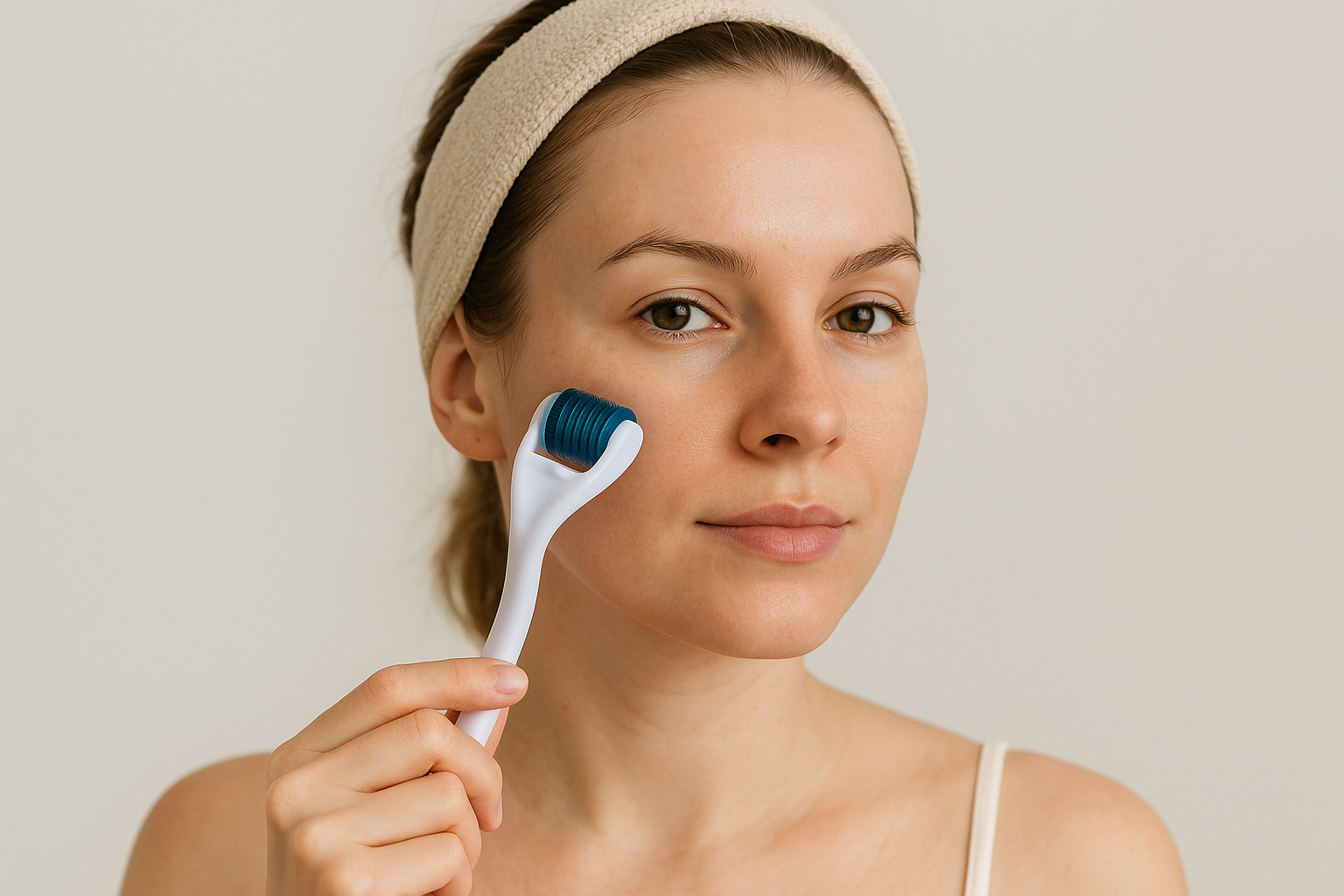
Microneedling at home has become a popular skincare trend, especially among those seeking smoother, brighter skin without frequent clinic visits. This treatment uses tiny needles to create micro-injuries on the skin, triggering the natural production of collagen and elastin—essential proteins for firm, youthful-looking skin.
Traditionally performed by professionals, microneedling can now be done at home using tools like dermarollers or dermapens.[1BAZAR: Does Microneedling at Home Really Work?] However, it’s crucial to understand the correct technique and always prioritize hygiene. Needles should be short (0.25 mm or less for home use), and tools must be sterilized before and after each session to avoid infection or irritation.[2Dermapenworld: Microneedling At Home.]
Post-treatment care is just as important. Applying a hydrating serum—especially one with hyaluronic acid—helps soothe the skin and supports the regeneration process.
Dermatologists recommend microneedling no more than once per week, and only on healthy skin.[3VDG: How Often Should Skin Needling Be Done?] When done safely and consistently, microneedling at home can be an affordable and effective method to enhance skin texture, fade acne scars, and boost radiance—right from the comfort of your bathroom.
What Is Microneedling and Why It Works
Microneedling, also known as collagen induction therapy, is a minimally invasive skincare technique that stimulates your skin’s natural healing response.[4Sharwari Jaiswal, Sugat Jawade. Microneedling in Dermatology: A Comprehensive Review of Applications, Techniques, and Outcomes, National Library of Medicine. 2024 Sep 23;16(9):e70033. doi: 10.7759/cureus.70033.] Using a tool equipped with fine needles—like a dermaroller or dermapen—the procedure creates controlled micro-injuries on the skin’s surface.
These tiny punctures signal your body to produce more collagen and elastin, the proteins responsible for keeping your skin firm, smooth, and resilient. As you age, collagen levels naturally decline, leading to wrinkles and sagging. Microneedling helps counteract this by reactivating fibroblasts, the cells that generate new collagen.
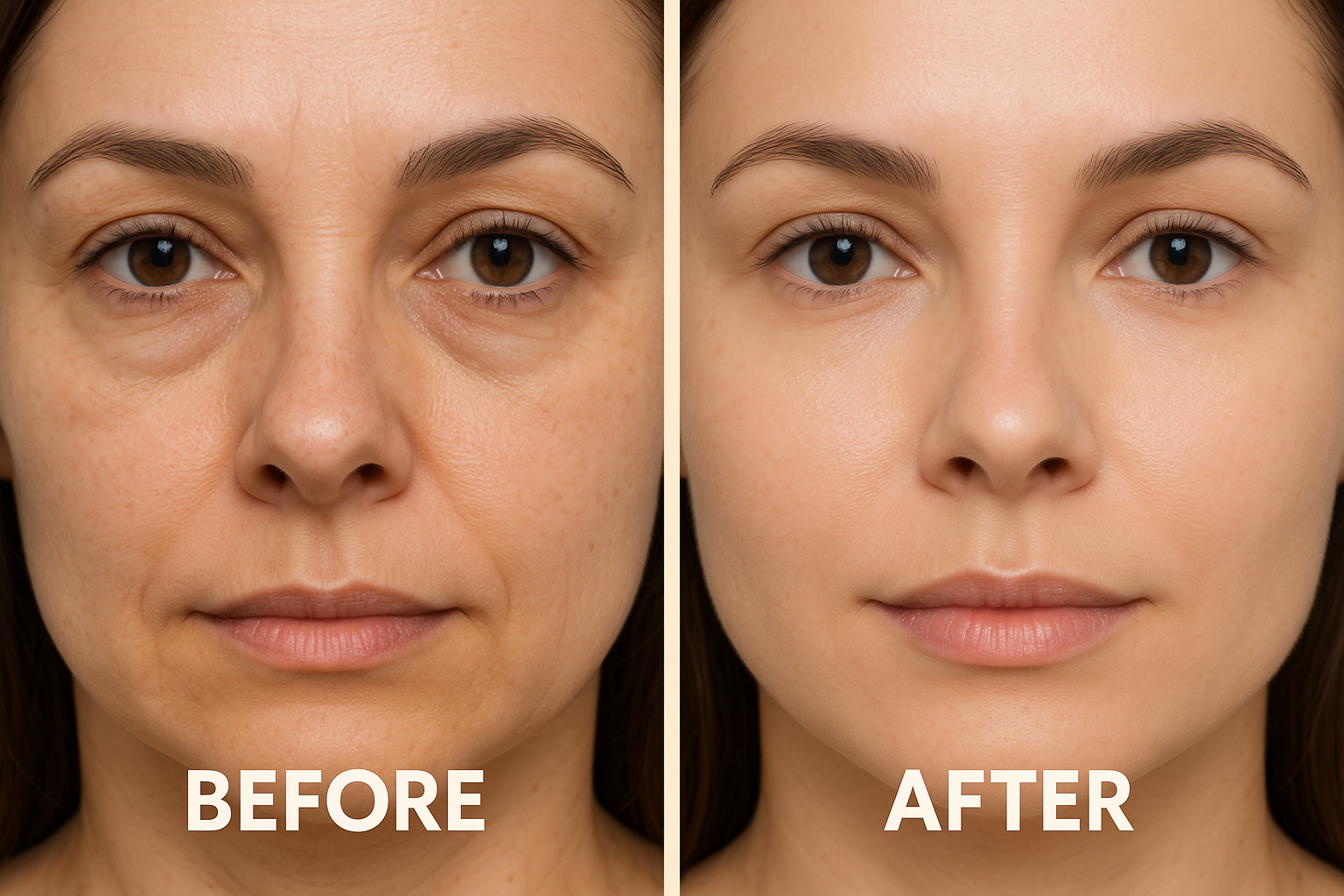
Clinically, microneedling has been proven to improve skin texture, reduce acne scars and fine lines, and even out pigmentation. With regular use, it can give your skin a plumper, healthier, and more radiant appearance.
Microneedling Safety Tips You Shouldn’t Skip
Home microneedling can deliver impressive results—but only if done correctly. According to dermatologists like Dr. Kappel, this procedure is safest when performed by trained professionals. However, if you’re doing it at home, extra precautions are essential to avoid complications like infection, irritation, or post-inflammatory hyperpigmentation.[5Dermapenworld: Side Effects Of At-Home Microneedling Gone Wrong.]
Start by sterilizing your microneedling tool with 70% isopropyl alcohol before and after each use. Only use tools in perfect condition—avoid bent or dull needles. During the procedure, use gentle pressure; pressing too hard can damage the skin rather than help it.
Avoid microneedling over active acne, inflamed skin, or open wounds, as this can spread bacteria and worsen the condition. Always work with clean hands and in a sanitized environment. Following a safe protocol ensures better results and minimizes the risk of unwanted side effects.
How to Choose the Best Microneedling Tool for Home Use
Choosing the right microneedling device is crucial for safe and effective at-home treatments. With various tools on the market, the best ones for beginners are those with short, high-quality needles—ideally 0.25 mm or less.
Shorter needles are sufficient to stimulate collagen without penetrating too deeply, minimizing the risk of skin trauma. According to Dr. Moore, longer needles should be left to professionals due to their potential to cause deeper injuries if misused.
Look for devices made of surgical-grade stainless steel or titanium, as they’re durable and resistant to corrosion. It’s also important to choose tools that are easy to clean and sterilize. Higher-end models may offer added precision, but even budget-friendly options can be effective if handled with care and proper hygiene.
How to Prep Your Skin Before Microneedling
Proper skin preparation is key to a successful and safe microneedling session.[6Okanagan Skin Care Centre: Maximizing Microneedling Results: Essential Before and After Care Tips.] Skipping this step can lead to irritation or poor results.
Start with clean, makeup-free skin. Use a gentle, non-irritating cleanser to remove oil, dirt, and bacteria. Pat dry with a clean towel. If your skin is sensitive to pain, you may apply a numbing cream 15–30 minutes beforehand—but this step is optional.
Light exfoliation a day before treatment can help by removing dead skin cells, making it easier for the needles to glide and for serums to penetrate after. However, avoid harsh scrubs or active ingredients like retinol right before microneedling.
Lastly, ensure your hands and tools are sanitized. Evening is the best time to do microneedling, allowing your skin to recover overnight without exposure to sunlight or makeup. With proper prep, you set the stage for smoother, more radiant skin.
Step-by-Step Guide to Microneedling at Home
Once your skin is prepped, you’re ready to start microneedling. Begin by ensuring your device is thoroughly sterilized and the needles are the correct length for home use (0.25 mm or shorter).
Gently roll or glide the device over your face in multiple directions—horizontal, vertical, and diagonal. Use light, even pressure to avoid damaging the skin. Never drag or twist the tool while in contact with your skin.
Divide your face into sections (forehead, cheeks, chin) for better control. Avoid delicate areas like the eyes and lips. After the session, apply a soothing serum—hyaluronic acid is ideal—as it hydrates and supports healing.
Limit sessions to 1–2 times per week. Overuse can harm the skin instead of improving it. With consistent technique and proper aftercare, microneedling at home can significantly boost your skincare results.
Post-Microneedling Skincare: Your Recovery Matters
Proper aftercare is essential to help your skin heal and get the most out of your microneedling session. Immediately after treatment, your skin becomes more absorbent, so it’s the perfect time to apply gentle, effective products.
Dermatologists recommend using a soothing serum with hyaluronic acid, a light moisturizer, and optionally vitamin C to support skin repair and hydration. These ingredients penetrate more deeply due to the microchannels created during microneedling, helping speed up recovery and boost results.
If you need to go outside, apply a broad-spectrum SPF 30 or higher sunscreen to protect your skin, which is more sensitive during the healing phase. Avoid wearing makeup for at least an hour after the procedure to keep pores clean and reduce the risk of irritation or infection.
Allow your skin a few days to fully recover before your next session. And don’t forget—clean your tool thoroughly with isopropyl alcohol before and after each use to maintain hygiene and prevent any complications.
Extra Tips and Things to Keep in Mind
While at-home microneedling can be a great way to improve your skin, it’s important to manage expectations. Home tools use shorter needles, which means the results won’t be as dramatic as in-clinic treatments—but with consistent use, they can still noticeably enhance skin tone, texture, and product absorption.
If you have specific skin concerns like deep wrinkles, active acne, rosacea, or pigmentation issues, it’s best to consult with a dermatologist first. As Dr. Kappel points out, professional advice helps ensure microneedling is safe for your skin type and that you’re using the right tools and products.
Also, remember that skin health is a long-term journey. Focus on using clean, high-quality tools, following proper technique, and listening to how your skin responds. The better informed you are, the safer and more effective your microneedling routine will be.
Final Thoughts: Is At-Home Microneedling Worth It?
At-home microneedling can be a smart, budget-friendly way to elevate your skincare routine. When done correctly, it helps improve skin texture, boost glow, and support collagen production—without stepping into a clinic.
The key is to stay consistent, be gentle, and never skip safety steps. From prepping your skin to choosing the right device and applying the right post-care products, every stage matters. Rushing the process or skipping aftercare can do more harm than good.
If you take the time to learn and care for your skin mindfully, microneedling at home can become a valuable part of your routine—especially for those just starting their skincare journey. With the right approach, you’ll unlock noticeable improvements in both the look and feel of your skin.
Also Read: What Is a TCA Peel? Benefits, Uses & Safety
About the Author
M. Hariri is a business and beauty content writer with over five years of experience. He focuses on research-based skincare education and frequently collaborates with dermatologists. His work can be found in various national and international beauty publications.


 Acne
Acne Anti-Aging
 Business
 Digital Marketing
 Economics
 Exfoliation
 Hair Removal
 Movies
 Personal Finance
 Websites