How Vampire Facelifts Plump and Firm Your Skin Naturally
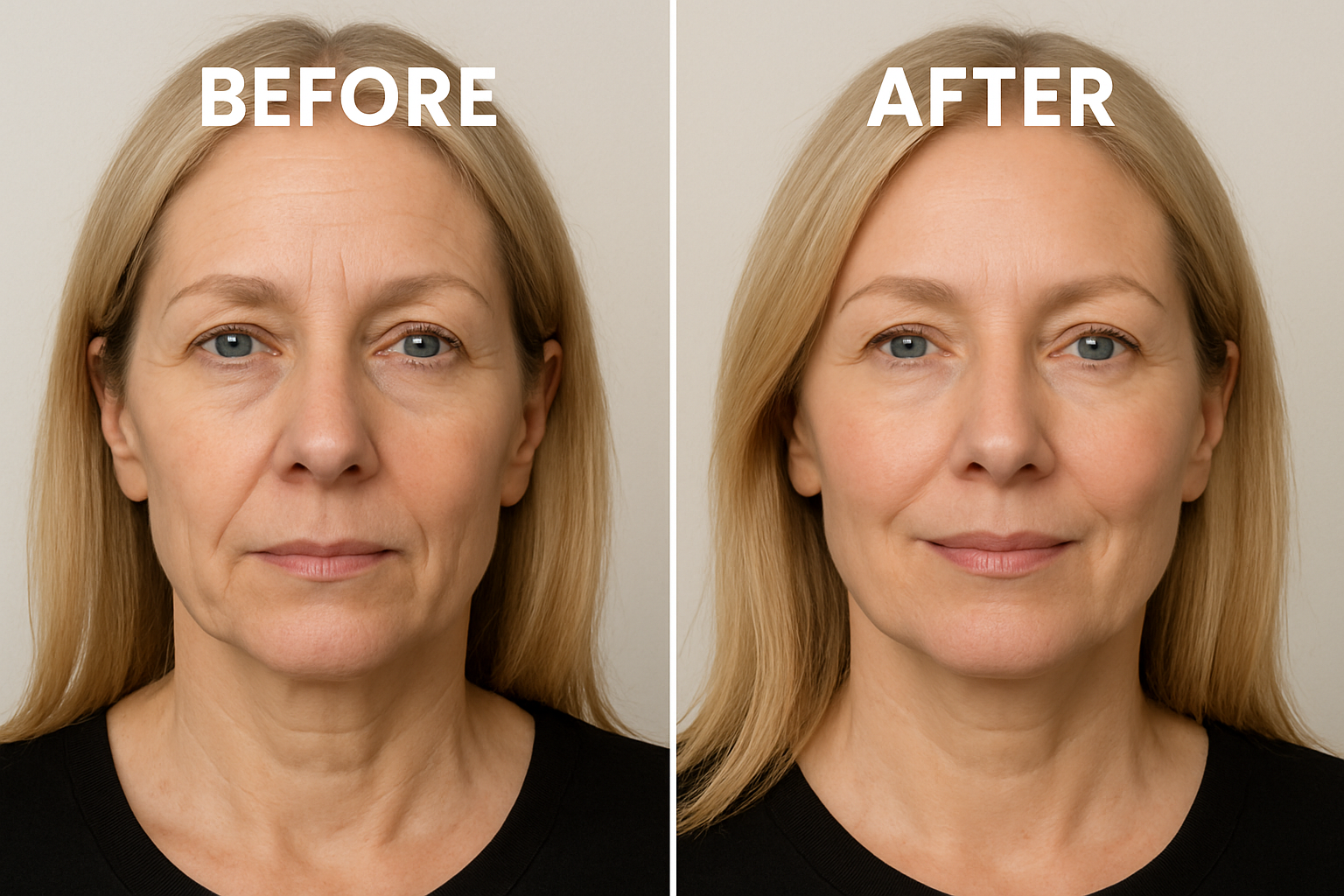
A vampire facelift is a non-surgical aesthetic treatment that uses your own Platelet-Rich Plasma (PRP) to rejuvenate the skin in a natural and effective way. PRP is derived from a small sample of your blood and is rich in growth factors that stimulate collagen production, cell regeneration, and skin tissue repair.
Unlike synthetic fillers, PRP activates the body’s natural healing response. The procedure begins with drawing a small amount of blood, which is processed in a centrifuge to extract PRP. This golden plasma is then carefully injected into areas of the face that show signs of aging—like fine lines, wrinkles, or volume loss.
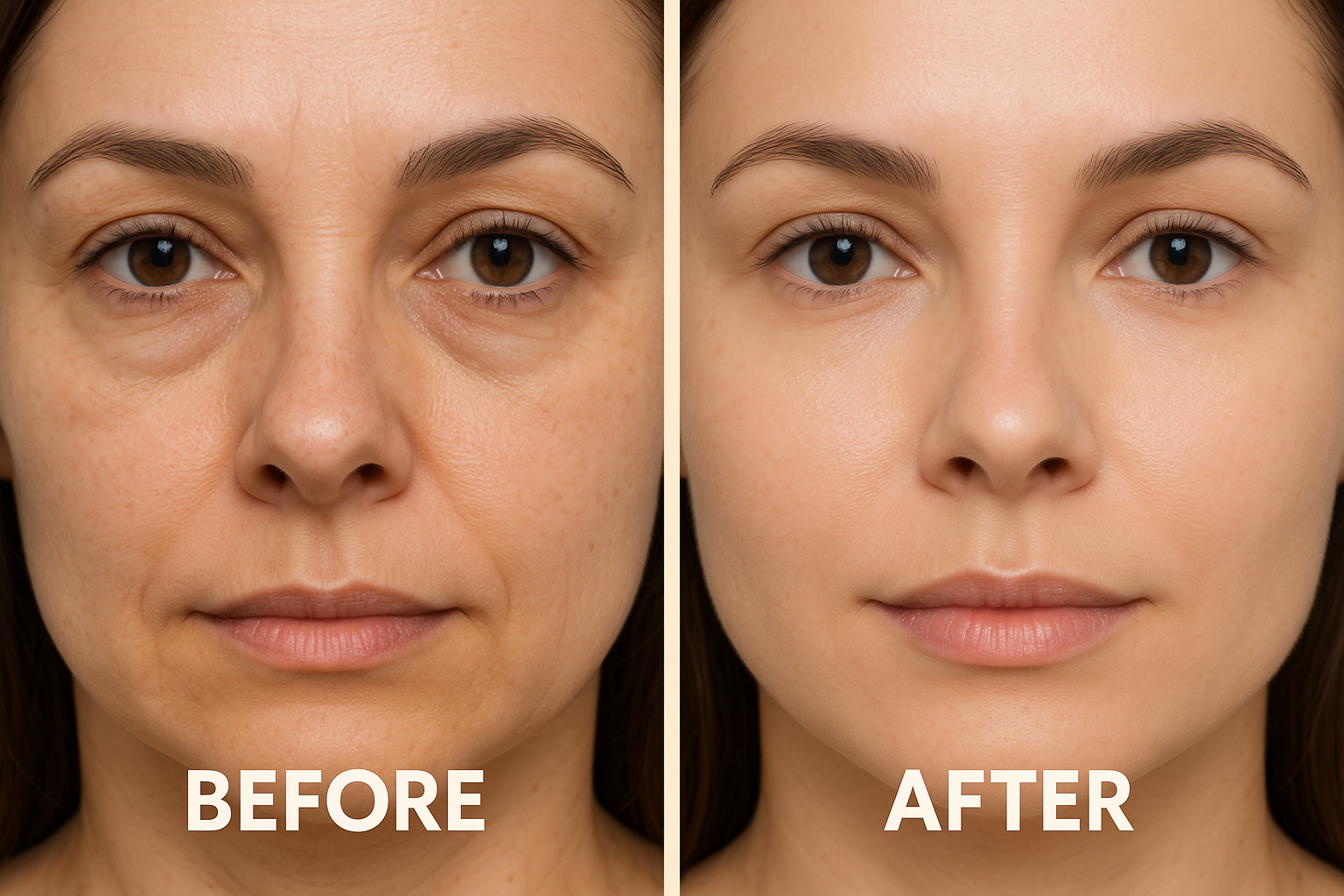
The benefits are impressive: improved skin texture, restored elasticity, reduced wrinkles, and a more youthful plumpness—without the need for surgery or artificial substances. Results appear gradually and look natural, often lasting longer than traditional fillers.
Vampire facelifts are also connected to similar PRP-based treatments, such as vampire facials (with microneedling) and vampire breast lifts, all of which promote skin regeneration using your body’s own healing power.
As a minimally invasive, low-risk solution, this procedure is gaining popularity among people seeking long-term anti-aging benefits with little downtime.
What Is a Vampire Facelift?
A vampire facelift combines dermal fillers with your body’s own Platelet-Rich Plasma (PRP) to naturally rejuvenate the skin. It targets early signs of aging—like fine lines, sagging skin, and loss of volume—by restoring youthful contours and boosting collagen production from within.[1Rejuv Cosmetic Surgery: Vampire Facelift.]
This treatment should not be confused with a vampire facial. While both use PRP, a vampire facial involves microneedling to deliver PRP into the skin, promoting overall skin texture. In contrast, the vampire facelift uses injections to deliver both dermal filler and PRP directly into deeper skin layers.
As Dr. Engelman explains, “Vampire facelifts inject dermal filler into the skin, unlike vampire facials that rely on microneedling.” This dual approach offers instant volume from the filler and long-term skin renewal from the PRP.
It’s a popular option for those seeking non-surgical facial enhancement with natural-looking results. The combination of structural support and biological regeneration makes the vampire facelift a powerful anti-aging solution.
Key Benefits of a Vampire Facelift for Your Skin
The vampire facelift delivers multiple anti-aging benefits with minimal risk and no surgery. This treatment works on two levels: immediate volume restoration and long-term skin renewal.
PRP is packed with natural growth factors that stimulate collagen and elastin production—two proteins essential for firm, youthful skin. As Dr. Park notes, “PRP is a powerful skin rejuvenator that enhances tone, elasticity, and radiance.” Over time, skin becomes smoother, plumper, and healthier from within.
Dermal fillers provide instant results by restoring volume to hollow or sagging areas, while PRP enhances these effects by healing and strengthening the skin at a cellular level. According to Dr. Engelman, this synergy leads to more comprehensive and lasting improvements in skin texture and firmness.
Results typically last up to 12 months, though individual outcomes depend on skin condition and lifestyle. Follow-up sessions can help maintain optimal results.
The Best Candidate for a Vampire Facial
A vampire facelift is ideal for individuals in their 20s to 40s looking to address early signs of aging without undergoing surgery. It’s best suited for people with mild to moderate facial aging—such as fine lines, slight sagging, and loss of skin elasticity.
According to Dr. Engelman, this treatment is not recommended for those who are pregnant, using prescription-strength retinoids, or have active skin infections. These conditions can increase the risk of irritation or complications.
For individuals with significant skin laxity or deeper wrinkles, the vampire facelift may not deliver the dramatic results desired. In such cases, surgical options might be more effective for lifting and reshaping the face.
It’s crucial to consult a qualified dermatologist or aesthetic specialist. A personalized assessment will determine if your skin concerns match the capabilities of the procedure and whether it’s the safest and most effective choice for you.
What to Expect During a Vampire Facelift
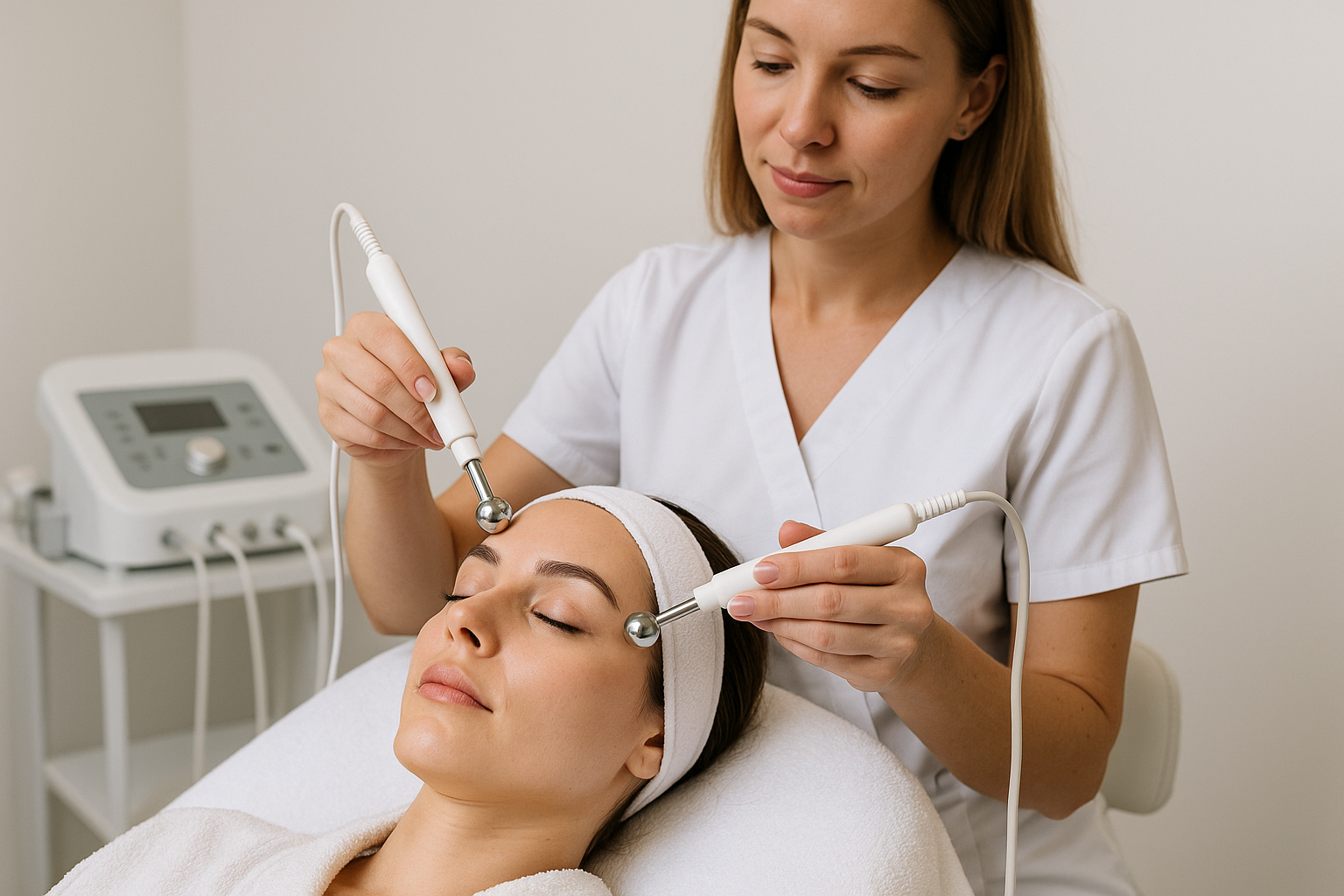
A vampire facelift is a straightforward outpatient procedure that takes about 60–90 minutes. Here’s what to expect during your session:
- Numbing Cream Application
The treatment begins with applying a topical anesthetic to numb the face, making the procedure more comfortable. - Blood Draw
A small amount of blood is drawn—similar to a standard blood test. This is where the powerful PRP begins its journey. - PRP Extraction
The blood is spun in a centrifuge to separate PRP from red and white cells. This golden plasma contains concentrated growth factors essential for skin healing. - Hyaluronic Acid Filler Injection
Next, a dermal filler is injected to restore volume, smooth lines, and sculpt facial contours. The effect is immediately visible. - PRP Injection
Finally, PRP is injected into the same areas. As Dr. Engelman explains, “PRP stimulates collagen production and gradually improves skin elasticity.”
Most patients notice gradual skin improvements over the following weeks, with minimal downtime and long-lasting results.
Potential Side Effects
While vampire facelifts are generally safe and require minimal downtime, there are still some mild side effects to be aware of. Common reactions include temporary swelling, redness, or slight bruising at the injection sites.[2House of Saab: Vampire Facial.] According to Dr. Engelman, these symptoms typically resolve within a few days.
Although the risk of serious complications is low, proper technique and hygiene are crucial. The procedure should only be performed by a licensed, experienced medical professional in a clean, well-equipped facility. Poor injection technique or unsterile tools can affect both safety and results.
Dr. Park highlights a concerning issue in crowded clinics: “If a facility processes PRP for multiple patients at once, there’s a risk of plasma mix-ups, which can pose ethical and health risks.” This underscores the importance of choosing a reputable clinic.
To ensure both safety and effectiveness, always select a provider known for high standards, transparency, and professionalism. With the right care, a vampire facelift can offer beautiful, long-lasting rejuvenation with minimal risk.
How Much Does a Vampire Facelift Cost?
The cost of a vampire facelift varies depending on several key factors: location, the extent of the treatment area, and the expertise of the medical provider. According to Dr. Tracy Evans, prices typically range from $1,000 to $5,000 per session.
Costs may also be influenced by the type of dermal filler used, the quality of PRP processing equipment (centrifuge), and the overall standard of the clinic. High-end clinics with advanced technology and strict safety protocols may charge more but offer greater reliability and superior outcomes.
While pricing is important, it shouldn’t be your only consideration. Make sure the clinic is licensed, the provider is qualified, and patient reviews are positive. Choosing based on expertise and safety—not just cost—can help prevent unwanted complications.
Aftercare
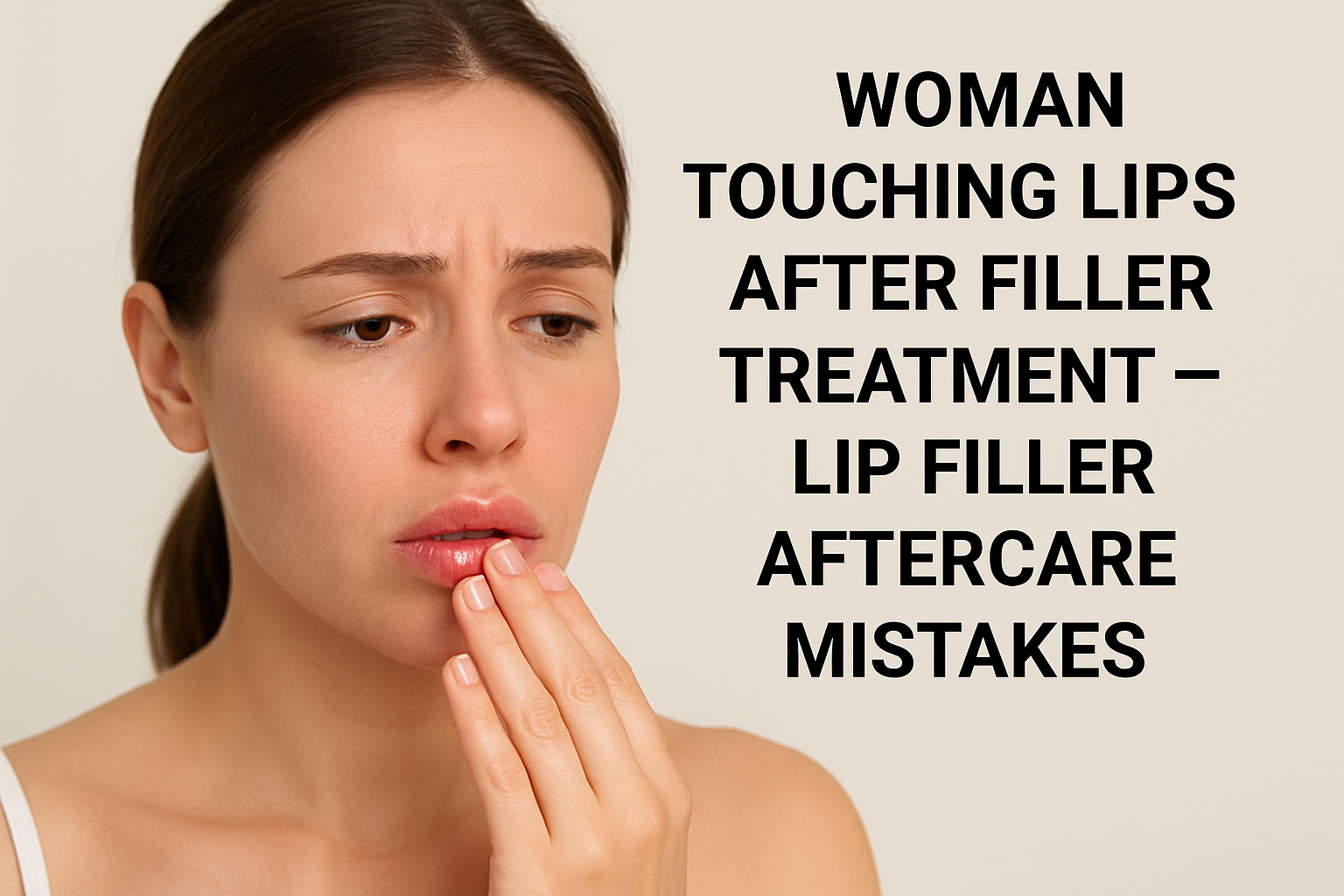
Proper aftercare is essential to ensure optimal results from your vampire facelift while minimizing side effects. As Dr. Engelman explains, keeping the skin clean and hydrated during the healing phase enhances the body’s natural regeneration process.
- Avoid Touching or Rubbing Treated Areas
For the first 24–48 hours, avoid touching your face unnecessarily. This prevents irritation and reduces the risk of infection. Always wash your hands before applying any skincare products. - Use a Gentle Moisturizer
Choose a fragrance-free, non-comedogenic moisturizer to keep your skin hydrated. This supports barrier repair, especially after injections. - Protect Your Skin from the Sun
Apply a broad-spectrum sunscreen with at least SPF 30 daily. Treated skin is more sensitive to UV exposure, which can interfere with results.
By following a simple and consistent aftercare routine, you can extend the benefits of your vampire facelift and maintain a glowing, youthful complexion.
Final Thoughts: Is a Vampire Facelift Right for You?
A vampire facelift is a cutting-edge, minimally invasive procedure designed to refresh your skin naturally. It combines Platelet-Rich Plasma (PRP) derived from your own blood with hyaluronic acid dermal fillers to restore volume, stimulate collagen, and improve overall skin tone.
This treatment is especially suited for individuals noticing early signs of aging—like fine lines, dullness, or mild sagging—who prefer natural, non-surgical options. Most patients experience minimal discomfort and only mild side effects, such as temporary swelling or bruising.
However, the success of the procedure heavily depends on the skill of the provider. Consulting with a board-certified dermatologist or qualified aesthetic physician is crucial to ensure both safety and effective, personalized results.
Also Read: What Is a TCA Peel? Benefits, Uses & Safety
When performed by an expert, the vampire facelift can be a powerful investment in your long-term skin health—delivering natural radiance, firmness, and confidence that lasts.

 Acne
Acne Anti-Aging
 Business
 Digital Marketing
 Economics
 Exfoliation
 Hair Removal
 Movies
 Personal Finance
 Websites