Red Light Therapy Guide: Benefits, Uses & How It Works

Red light therapy (RLT) is a non-invasive treatment that uses specific wavelengths of red and near-infrared light to stimulate cellular regeneration and tissue healing.[1Cleveland Clinic: Red Light Therapy.] While it’s now widely recognized in skincare, this technology dates back to the late 1800s, originally used to treat skin tuberculosis. Later, NASA adopted it in the 1980s to support plant growth and accelerate wound healing for astronauts.
Today, RLT has become a go-to skincare solution, both in professional clinics and through at-home devices. Its key benefits include reducing inflammation, boosting natural collagen production, and accelerating skin repair—making it especially appealing for those seeking gentle, science-backed skincare.
If you’re exploring safe and low-risk skincare options that deliver visible results, red light therapy offers a compelling alternative. In this guide, you’ll learn how it works, the benefits it provides, and why it’s gaining momentum in modern beauty routines.
How Red Light Therapy Works?
Red light therapy is a light-based treatment that harnesses red and near-infrared wavelengths to activate biological processes in the skin and body.[2YWCA: Red Light & Near-Infrared Therapy.] Unlike harmful UV rays, red light doesn’t burn or damage the skin. Instead, it penetrates deep into the dermis—where collagen, elastin, and essential proteins are formed.
Once absorbed, the light energy is converted into ATP (adenosine triphosphate), the fuel that powers cell repair and regeneration. This process supports smoother, healthier skin by encouraging collagen synthesis, improving blood flow, reducing inflammation, and speeding up wound healing.
Additionally, RLT helps oxygenate skin cells, minimizes bacteria buildup, and reduces redness, making it effective for various concerns, including acne, signs of aging, and even early sun damage.[3Healthline: What Is Red Light Therapy and How Does It Work?]
For skincare beginners looking for a natural, low-effort solution with minimal side effects, red light therapy is a great introduction to non-topical treatments that work from within. Let’s explore its full potential in the next sections.
What Are the Benefits of Red Light Therapy?
1. Red Light Therapy for Acne: Clearer Skin Without Harsh Chemicals
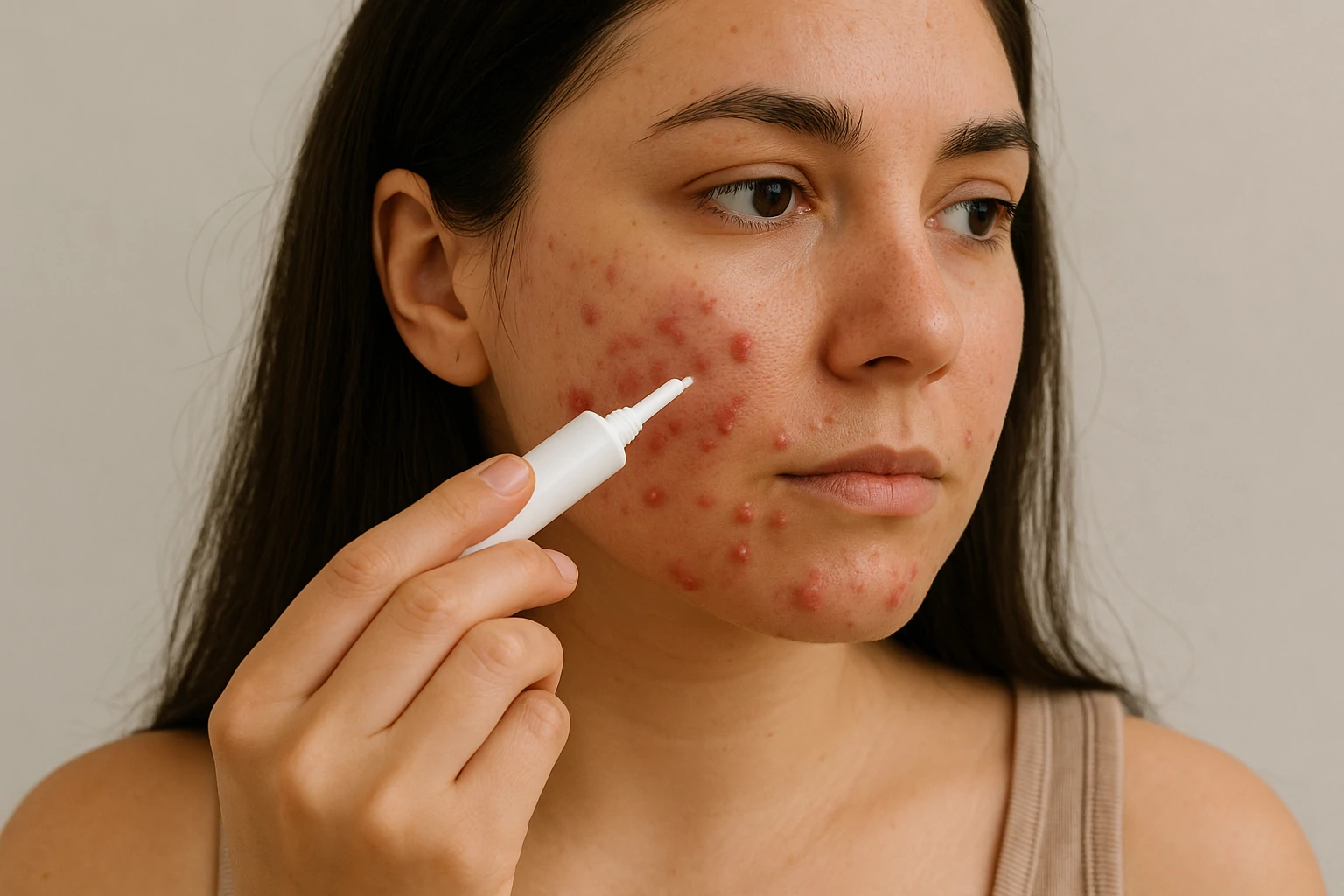
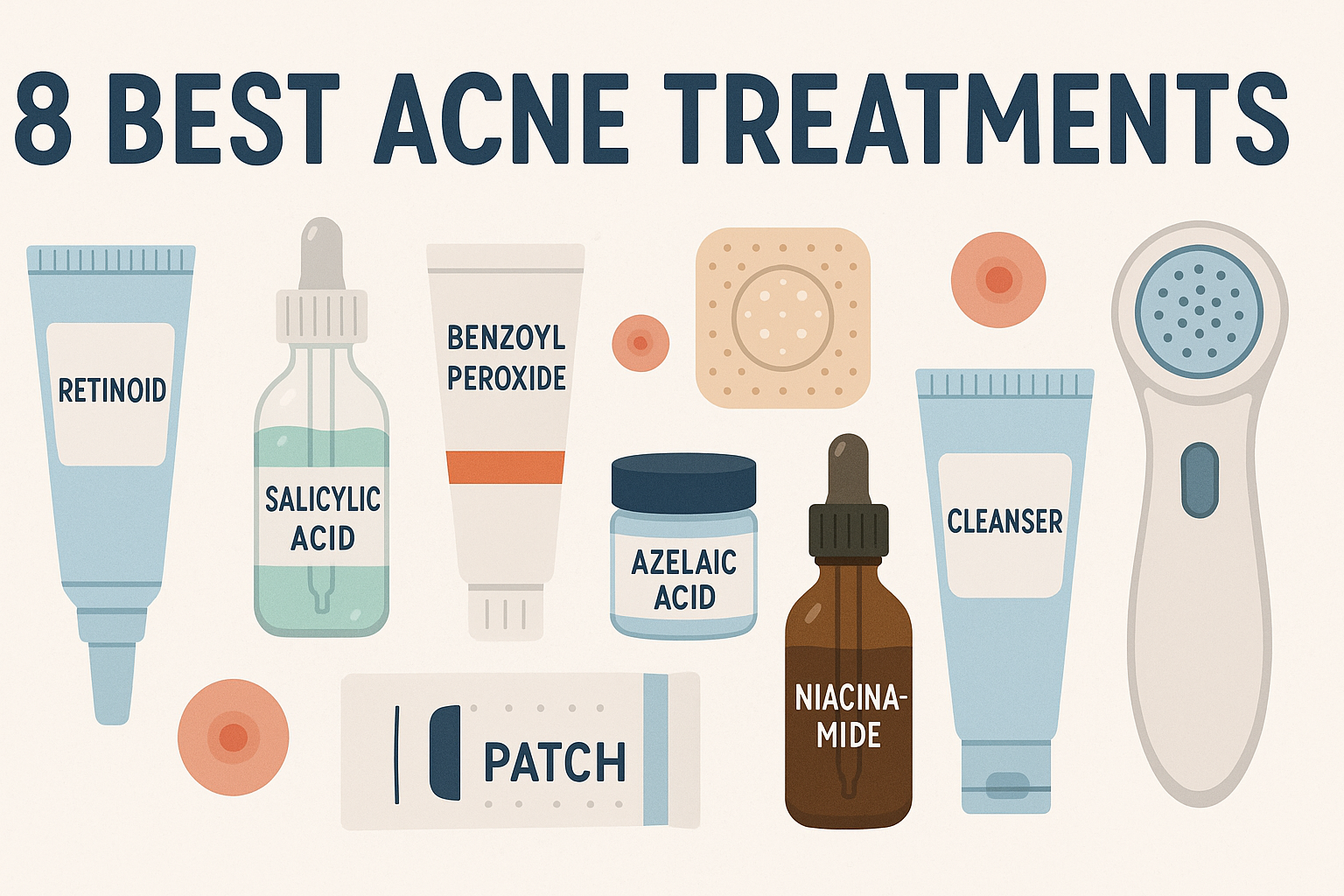
Acne often stems from inflammation, excess oil, and bacterial buildup.[4US.Caudalie: Inflammatory Acne: Symptoms, Causes, Treatment.] Red light therapy offers a gentle, non-invasive solution by calming inflamed skin, reducing redness, and targeting acne-causing bacteria like Cutibacterium acnes. It also helps regulate oil production by balancing overactive sebaceous glands.
Dermatologists recommend RLT for mild to moderate acne, especially for sensitive skin types. Unlike chemical treatments that may irritate or dry out the skin, red light therapy supports healing without disrupting the skin barrier.
A 2018 study highlighted that acne-prone and sensitive skin often share compromised skin barrier function. In such cases, non-topical treatments like red light therapy provide a safe and effective option.[5Miller D, Cohen MJ, Adenaike A, Fitzgerald L, Biron J, Gold MH. Tolerance of a Low-level Blue and Red Light Therapy Acne Mask in Acne Patients with Sensitive Skin. Journal of the American Academy of Dermatology. 2018;79(3). doi:10.1016/j.jaad.2018.05.1175.]
By supporting skin regeneration and reducing inflammation naturally, RLT helps restore clearer, calmer skin—without the risk of over-drying or irritation. It’s a skin-friendly choice for anyone seeking an acne solution that works from the inside out.
2. Red Light Therapy for Anti-Aging
Red light therapy is a rising star in the anti-aging skincare world—and for good reason. It works deep within the dermis to stimulate collagen, elastin, and hyaluronic acid production, all of which are essential for maintaining firm, hydrated, and resilient skin.
A 2019 study published in The Journal of the American Academy of Dermatology found that RLT can significantly improve common signs of aging, such as fine lines, wrinkles, rough texture, enlarged pores, and sagging. It targets both intrinsic aging and photoaging caused by sun exposure.[6Kim B, Mukherjee A, Seo I, Fassih A, Southall M, Parsa R. Low-level Red and Infrared Light Increases Expression of Collagen, Elastin, and Hyaluronic Acid in Skin. Journal of the American Academy of Dermatology. 2019;81(4). doi:10.1016/j.jaad.2019.10.089.]
One of RLT’s biggest advantages is its safety and convenience—it’s non-invasive, painless, and can be used at home daily. With consistent use, many users report improved skin tone, elasticity, and a healthy glow—all without downtime or irritation.
If you’re looking to slow down the aging process in a natural yet effective way, adding red light therapy to your routine may be the game-changing step you’ve been looking for.
3. Wound Healing: Faster Recovery with Less Scarring
Red light therapy is clinically proven to accelerate wound healing and reduce scarring.[7Advances Dermasurgery Associates: The Power of Red Light Therapy for Healthier Skin.] By stimulating blood circulation around the injured area, it helps deliver more oxygen and nutrients to damaged tissues—crucial for faster cell regeneration and natural tissue repair.
One of the therapy’s key actions is boosting collagen production, a vital protein that supports skin structure and encourages the growth of healthy new skin. This not only speeds up healing but also improves skin elasticity and minimizes the appearance of scars over time.
Because it’s non-invasive and chemical-free, red light therapy is safe even for sensitive skin.[8Foreo: Red Light Therapy Dangers & Possible Side Effects.] Whether you’re dealing with fresh wounds or long-standing scars, RLT offers a science-backed way to support your skin’s natural recovery process—gently promoting smoother, healthier-looking skin.
4. Cold Sores: Natural Relief from Pain and Recurrence
Cold sores—painful blisters caused by the herpes simplex virus (HSV-1)—can be frustrating and recurring. Red light therapy offers a gentle yet effective approach to easing symptoms and promoting faster healing without relying on medication.[9Dougal G, Lee SY. Evaluation of the Efficacy of Low-level Light Therapy Using 1072-nm Infrared Light for the Treatment of Herpes SImplex Labialis. Clin Exp Dermatol. 2013;38(7):713-718. doi:10.1111/ced.12069.]
By stimulating cellular energy (ATP) and boosting local immune response, red light reduces inflammation and limits the spread of the virus. This helps speed up tissue repair and can make outbreaks shorter and less frequent.
Research suggests that applying red light therapy at the earliest sign of a cold sore may significantly reduce healing time and discomfort. With consistent use, it may also help lower the chances of future flare-ups.
Thanks to its non-invasive nature and minimal side effects, red light therapy is an ideal option for managing cold sores naturally and safely—especially for those seeking alternatives to creams or antiviral drugs.
5. Hair Loss: Supporting Hair Growth with Light Therapy
Red light therapy shows promising results in treating hair loss, particularly androgenetic alopecia—commonly known as pattern baldness in both men and women. By enhancing blood flow and cellular activity in the scalp, it stimulates hair follicles and supports new hair growth.[10Hamblin MR. Photobiomodulation for the management of alopecia: mechanisms of action, patient selection and perspectives. Clin Cosmet Investig Dermatol. 2019;12:669-678. doi:10.2147/CCID.S184979.]
Studies have shown that regular RLT sessions can extend the hair growth phase (anagen) and reduce shedding. However, it works best in the early stages of hair loss, before follicles become permanently inactive or scarred.
If follicles are already non-functional, results may be limited. Still, red light therapy remains a safe, drug-free option to complement other hair restoration methods—and can be especially helpful when started early.
It’s a practical, at-home solution for anyone noticing early signs of thinning hair and looking to support scalp health and hair density over time.
What to Expect During a Red Light Therapy Session
Red light therapy is a non-invasive, pain-free treatment that’s suitable for all skin types—including sensitive skin. During a session, you’ll feel a gentle warmth on your skin as the red light is emitted, but there’s no discomfort, burning, or harsh sensations involved.
Most users find the experience relaxing, as there’s no noise, pressure, or chemicals applied. It feels more like a spa session than a medical treatment.
With zero downtime, you can easily fit red light therapy into your skincare routine—whether daily or weekly—without disrupting your schedule. This combination of comfort and visible results is why RLT is quickly becoming a favorite among both skincare beginners and experts.
At-Home vs. Professional Red Light Therapy: Which One’s Right for You?
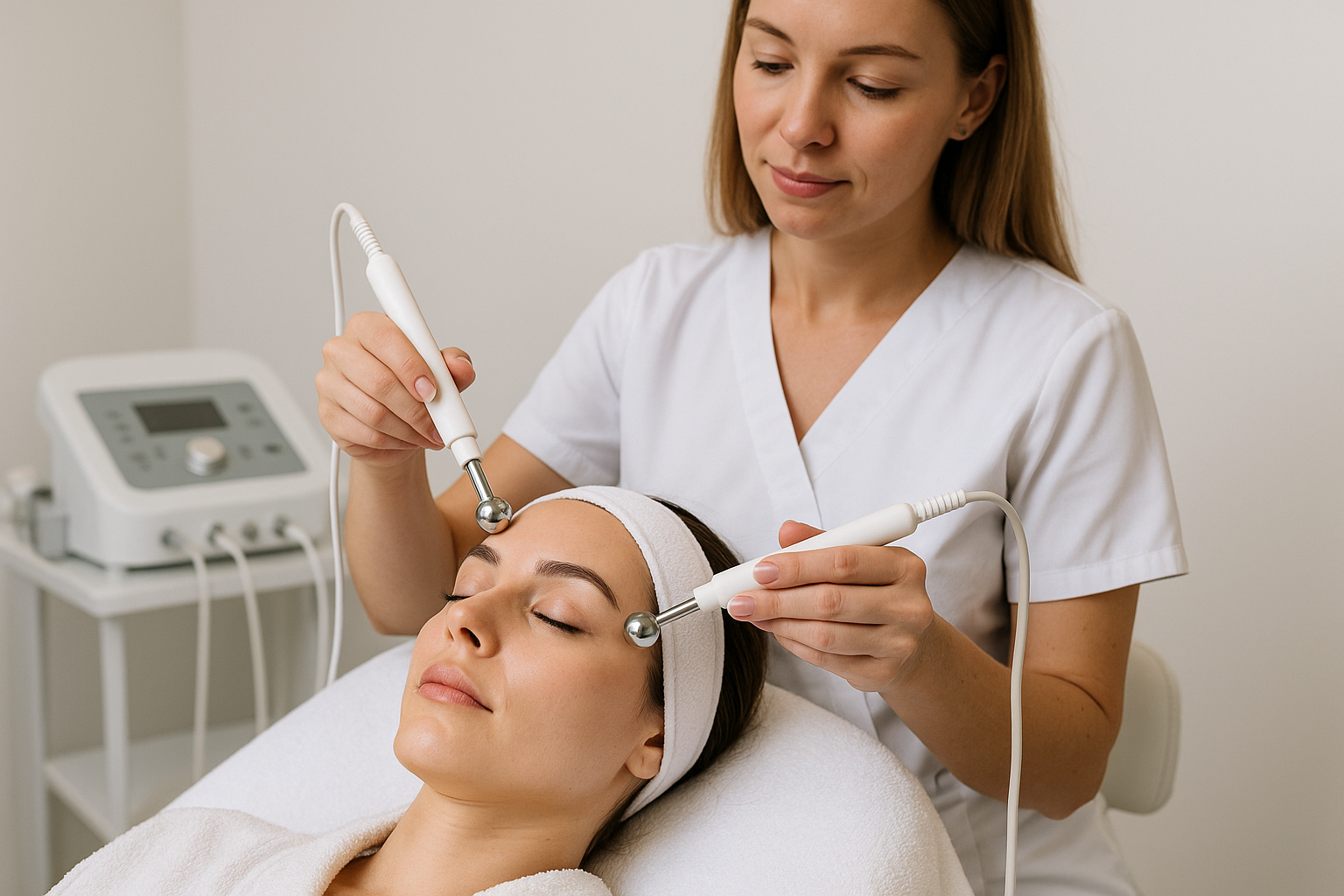
Red light therapy is now available in two main formats: professional treatments at dermatology clinics and convenient at-home devices. Professional systems typically offer higher light intensity, delivering faster results and deeper penetration—ideal for targeted concerns like acne, aging, or scarring.
At-home devices come in various forms, including handheld wands, face masks, LED panels, and even full-body beds. While they emit lower intensity, they can still be highly effective when used consistently. To get the most from your at-home device, make sure it emits therapeutic wavelengths—usually between 600 and 900 nanometers.
Also Read: What Is a TCA Peel? Benefits, Uses & Safety
Both options are safe, non-invasive, and pain-free. Your choice depends on your goals, budget, and how much time you can commit. Regardless of where you start, consistency is key to unlocking visible skin improvements with red light therapy.
Is Red Light Therapy Really Effective?
Yes—when used correctly and consistently, red light therapy delivers real, clinically backed results. Experts, including board-certified dermatologists, agree that RLT can be a valuable addition to skincare routines, especially for mild to moderate acne, early signs of aging, and wound recovery.
For severe skin conditions like cystic acne, red light may offer limited benefits and should be combined with medical treatments.[11Pei S, Inamadar AC, Adya KA, Tsoukas MM. Light-based therapies in acne treatment. Indian Dermatol Online J. 2015;6(3):145-157. doi:10.4103/2229-5178.156379.] It also shows strong potential in clinical dermatology for treating precancerous lesions such as actinic keratoses, often in combination with light-sensitizing agents.[12Wan MT, Lin JY. Current evidence and applications of photodynamic therapy in dermatology. Clin Cosmet Investig Dermatol. 2014;7:145-163. doi:10.2147/CCID.S35334.]
Scientific studies continue to support RLT’s ability to enhance skin regeneration, reduce inflammation, and promote tissue repair. While results can vary by individual, red light therapy stands out as a safe, science-driven skincare tool that fits naturally into modern wellness routines.
Is Red Light Therapy Safe?
Red light therapy is widely considered safe for most skin types and has been extensively used in dermatology and aesthetics. However, like any cosmetic or medical procedure, minor side effects can occasionally occur.
The most common concern is eye strain or discomfort—especially when using full-face panels or LED masks. For this reason, wearing proper eye protection during treatment is highly recommended to avoid direct exposure to the retina.
Some individuals with very sensitive skin may also experience temporary redness or mild warmth after a session, but these effects typically subside within a few hours and do not require medical attention.
When used correctly and according to manufacturer guidelines, RLT remains a low-risk skincare option with no downtime. Its gentle nature makes it suitable for regular use at home or in professional settings, offering peace of mind along with real skin benefits.
How Much Does Red Light Therapy Cost?
The cost of red light therapy varies depending on where and how it’s performed. In professional settings, sessions typically range from $25 (as an add-on treatment) to $200 for full-body sessions, especially when targeting larger areas or more intensive skin concerns. Many clinics and spas also offer package deals for long-term treatment plans.
For at-home use, devices range from around $65 to $600, depending on their features—such as light intensity (irradiance), wavelength range (usually 600–900 nm), and treatment area size. Entry-level devices include compact panels or LED face masks.
If you’re considering full-body treatments, premium devices like LED therapy beds or large panels can cost between $2,000 and $12,000. While expensive, these options are ideal for users seeking long-term results without frequent clinic visits.
Overall, red light therapy offers flexible pricing to suit different goals and budgets—making it an accessible skincare investment whether you’re just starting out or going all-in.
Final Thoughts
Red light therapy stands out as a safe, science-backed skincare option that supports cell renewal, reduces inflammation, and boosts collagen production. Its gentle, non-invasive nature makes it ideal for all skin types—including sensitive skin—and suitable for consistent use.
When incorporated regularly, RLT may help improve skin texture, calm mild acne, fade scars, and slow visible signs of aging. Though results can vary from person to person, many users notice positive changes after a few weeks of continued use.
What makes red light therapy especially appealing is its ability to deliver visible improvements without harsh chemicals or recovery time. Whether you’re just starting your skincare journey or looking for a low-risk addition to your routine, RLT offers a promising solution backed by both science and real-world results.

 Acne
Acne Anti-Aging
 Business
 Digital Marketing
 Economics
 Exfoliation
 Hair Removal
 Movies
 Personal Finance
 Websites