What to Know Before You Get Chin Fillers
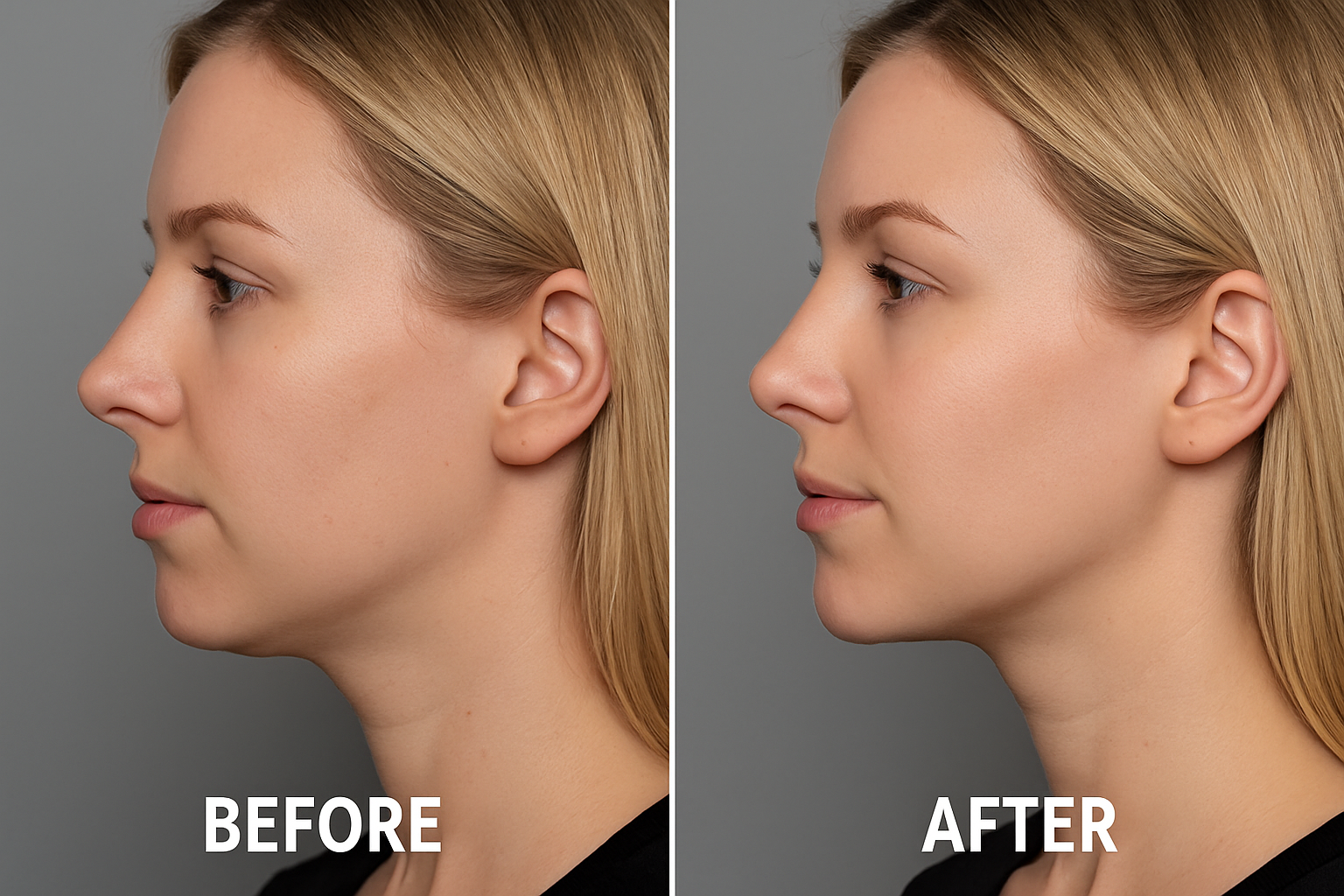
Chin filler is a non-surgical cosmetic treatment designed to reshape and enhance the chin for a more balanced facial profile. While not as mainstream as lip or cheek fillers, chin enhancement can dramatically improve facial symmetry, define the jawline, and add structure—especially when combined with jawline filler.
This procedure involves injecting substances like hyaluronic acid into the chin using precise techniques. Most clients report only mild discomfort, as topical numbing creams are typically used. The cost varies depending on the clinic, filler brand, and the amount needed.
Before committing to chin fillers, it’s crucial to understand the potential side effects, how long the results last, and what to expect during aftercare. This guide, informed by dermatologists and aesthetic doctors, will walk you through everything you need to make a confident, informed decision.
Keep reading to discover key insights about chin filler—from what it is to how to prepare—so you can enhance your appearance safely and smartly.
What Exactly Is Chin Filler?
Chin filler is a minimally invasive aesthetic treatment that involves injecting materials like hyaluronic acid into the chin area to reshape and refine your lower face.[1Revolax: Everything You Need to Know About Getting Chin Filler.] Often considered the “sibling” of jawline filler, this treatment plays a key role in creating a more structured, proportionate look.
Rather than dramatically increasing volume, the goal of chin filler is to enhance jawline definition and subtly correct age-related volume loss—like sagging skin or jowls.[2Beauty Sculpting Room: Can Chin Filler Change Your Face Shape?] As we age, bone density naturally decreases, especially around the jaw, making the chin appear shorter or recessed and the neck less firm.
Think of chin filler as an internal support beam, subtly lifting and reshaping the lower face. With skilled application, it can restore symmetry and give your profile a more youthful, lifted appearance—making it an ideal option for anyone looking to enhance their facial structure naturally.
Why Chin Filler Is Gaining Popularity
Chin filler is becoming increasingly popular thanks to the rise of facial contouring trends in beauty culture. According to Dr. Jane Leonard, enhancing the chin can dramatically improve definition in the lower third of the face. When paired with cheek and jawline fillers, it can create the coveted heart-shaped face many desire.
Social media has played a massive role in this trend. Dr. Jessie Cheung points out that the “chin-up” selfie pose creates the illusion of a longer neck and sharper jawline—prompting many to consider enhancing their chin to look more photogenic.
From an aesthetic standpoint, a small or recessed chin can make the nose appear more prominent and throw off facial harmony. Conversely, an overly large chin may seem harsh or masculine. That’s why it’s essential to choose an experienced injector who understands facial proportions to achieve balanced, natural-looking results.
Top Benefits of Chin Filler You Should Know
Chin fillers offer several cosmetic benefits, especially for those seeking a more sculpted and proportionate facial structure. Key advantages include:[3Dr. Aesthetica: Chin Filler vs. Botox for Jawline Definition: Which Is Better?]
- Sharpening the jawline
- Smoothing and tightening skin around the chin
- Enhancing overall facial symmetry
Your chin plays a vital role in balancing your face. If it’s too small or poorly defined, your features may look asymmetrical. According to Dr. Jessie Cheung, injecting filler beneath the chin can help elongate its appearance, while front injections support sagging areas like jowls and reduce a drooping mouth look.
However, the best results come from a holistic approach. As Dr. Jack notes, achieving facial harmony often means balancing both the chin and jawline together. This creates a seamless, natural look that enhances your features without appearing “overdone.”
How to Prepare for a Chin Filler Appointment
Getting ready for a chin filler session involves a few key steps that help ensure your treatment goes smoothly and your recovery is quick. First and foremost, avoid alcohol for at least 24 hours before your appointment, as it can increase your risk of bruising and swelling by dilating blood vessels.
If you’re currently taking any medications or supplements—such as vitamin E, fish oil, ginkgo biloba, or aspirin—it’s essential to speak with your provider beforehand. These substances can thin your blood, making bruising more likely after the injection.
Proper preparation not only enhances the safety of the procedure but also improves your overall results. Be transparent with your practitioner about your medical history and lifestyle so they can tailor the treatment to your needs for the best outcome possible.
What to Expect During a Chin Filler Procedure
Chin filler procedures are tailored to each individual’s facial structure and aesthetic goals. Pain levels vary—some people feel only mild pressure, while others may experience more noticeable discomfort.[4Derma Medical: Chin Fillers Before and After: Complete Guide.] It’s worth noting that your body can be more sensitive during your menstrual cycle, so it’s often recommended to postpone the treatment if you’re on your period.
When deeper injections are required near the chin bone, doctors may apply a numbing cream or use local anesthesia to ensure your comfort throughout the procedure.
The session itself is usually quick. Your injector will strategically place filler in specific points along your chin, depending on your face shape and desired outcome. In some cases, they may use facial mapping or calculate the golden ratio (phi) to enhance facial harmony.
Fillers are typically administered with a fine needle or blunt-tip cannula, carefully placed just above the bone to avoid nerves and blood vessels. This precision minimizes risks while maximizing both safety and aesthetic results.
Choosing the Right Chin Filler for You
Selecting the right type of chin filler is crucial to achieving safe, long-lasting results. According to Dr. Jack, hyaluronic acid-based fillers—such as Juvederm Volux or Voluma—are highly recommended. These options closely mimic substances naturally found in the body, making them well-tolerated with minimal risk of adverse reactions.
One major benefit of hyaluronic acid fillers is that they can be dissolved using hyaluronidase if results are unsatisfactory or complications arise. This reversibility makes them a top choice, especially for facial areas requiring high precision.
The amount of filler needed varies from person to person, depending on chin shape and enhancement goals. Most people require at least 1 ml to see visible, balanced improvement. Always consult an experienced aesthetic doctor who understands facial anatomy to ensure your filler choice aligns with your unique features.
Understanding the Side Effects of Chin Filler
Like any injectable treatment, chin fillers come with potential side effects, though they’re generally mild and temporary. The most common include swelling and light bruising around the injection site, which typically resolve within a few days.[5Cosmetic Connection: Are there any side effects of chin fillers?] Occasionally, small lumps can form due to uneven filler distribution or accumulation.
Because the chin is the lowest point of the face, it’s more prone to swelling—especially in individuals with sensitive skin or a tendency to retain fluid, as noted by Dr. Cheung.
Dr. Yamini emphasizes the importance of choosing only FDA-approved, absorbable fillers like Juvederm Volux or Radiesse. Avoid so-called “permanent” fillers, as they carry a higher risk of long-term complications and are more difficult to correct.
While rare, serious risks like vascular occlusion (when filler blocks a blood vessel) can occur. That’s why it’s critical to work with a licensed, trained injector who prioritizes safety and precision.
How Long Does Chin Filler Last?
The longevity of chin filler results depends on the product used and your body’s metabolism. Most hyaluronic acid-based fillers—such as Juvederm, Voluma, and Restylane—last between 3 and 12 months. These are popular for their natural composition and reversibility.
Radiesse, made from calcium hydroxylapatite, generally lasts 9 to 12 months and provides firmer structural support. For those seeking longer-term results, Sculptra is a semi-permanent filler that can last up to 2 years by stimulating natural collagen production over time.[6Go BC, Frost AS, Friedman O. Using injectable fillers for chin and jawline rejuvenation. World Journal of Otorhinolaryngology – Head and Neck Surgery. 2023;9(2):131.]
Factors like lifestyle, metabolism, and the area of injection also affect how long your results last. Routine check-ins with your provider and scheduled touch-ups can help maintain the look you love for as long as possible.
How Much Does Chin Filler Cost?
Chin filler prices typically range from $1,000 to $5,000 per session. Costs vary based on the type of filler used, the amount needed, and your injector’s experience. Premium products like Juvederm Volux and Radiesse are priced higher due to their durability and refined results.
Also Read: What Is a TCA Peel? Benefits, Uses & Safety
While it’s tempting to hunt for the lowest price, it’s essential to prioritize safety and quality. Always choose a licensed, reputable provider—ideally one who specializes in facial aesthetics. Booking consultations at multiple clinics can help you compare prices and find the best fit without compromising on expertise or care.
Aftercare: What to Do Post-Treatment
After your chin filler procedure, you may feel some tenderness, heaviness, or swelling around the treated area. These side effects are normal and should subside within a few days. To reduce discomfort, avoid chewing hard foods and skip strenuous activities for at least the first 24 hours.
Applying a cold compress can help minimize swelling. Stay hydrated, as hyaluronic acid fillers perform better in a well-hydrated body. Avoid touching, pressing, or massaging the area unless your doctor specifically instructs you to.
If you experience prolonged pain, noticeable lumps, excessive redness, or any unusual reactions, contact your provider immediately. Proper aftercare ensures your results stay safe, natural-looking, and long-lasting.
Final Thoughts
Chin fillers offer a subtle yet powerful way to enhance facial harmony and boost confidence. Results usually begin to settle within two weeks, as the filler integrates with your skin and defines your chin and jawline.
However, longevity varies. While some fillers last around 6 months, others—like Sculptra—can provide results for up to 2 years. Your body’s metabolism, filler type, and injection depth all influence how long the effects will remain visible.
To get the most out of your treatment, have a detailed consultation with a qualified provider. A personalized plan—including the right product, technique, and maintenance routine—will help you achieve natural-looking, lasting results safely.




 Acne
Acne Anti-Aging
 Business
 Digital Marketing
 Economics
 Exfoliation
 Hair Removal
 Movies
 Personal Finance
 Websites