Do Facial Massages Work? Here’s What Experts Reveal
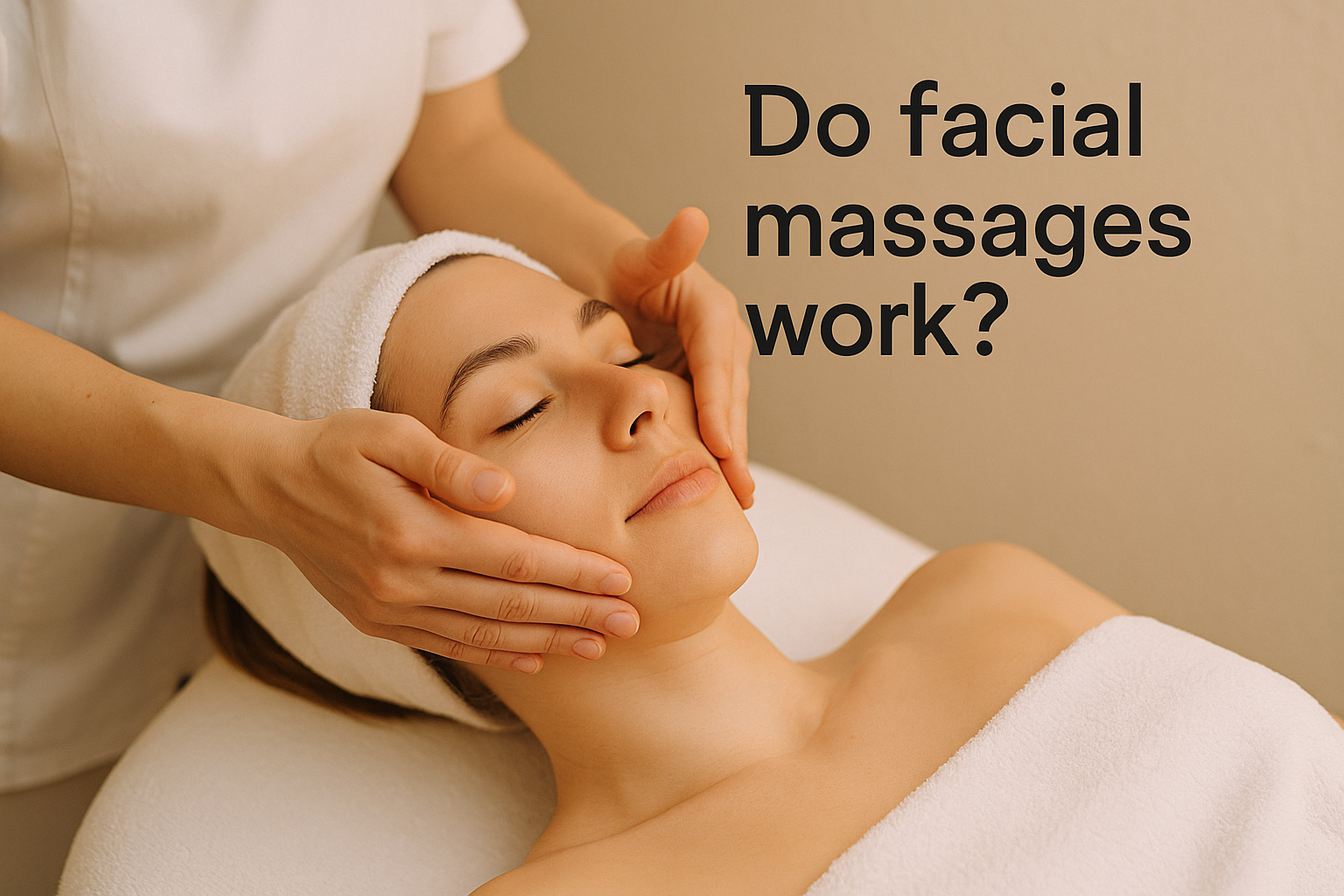
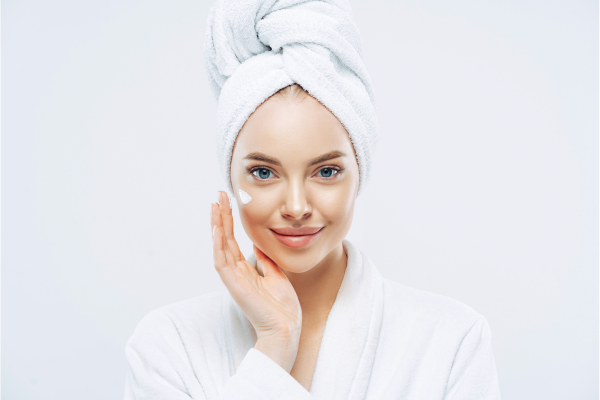
Facial massage has long been celebrated as a natural way to care for the skin while promoting relaxation. This age-old practice—rooted in traditions like Chinese gua sha and Indian marma—promises more than just a calming ritual. It’s believed to improve blood circulation, ease facial muscle tension, and support skin cell regeneration.
Today, modern skincare merges these ancient techniques with scientific insight. Whether it’s a simple at-home massage or an advanced professional treatment, facial massage continues to evolve as a key part of holistic skincare.
So, is it truly effective? Many dermatologists and studies support its benefits, especially for lymphatic drainage and enhanced facial contours. Even a self-massage, when done consistently, can yield noticeable results.[1CLARINS: How to Use Face Massage Tools for Lymphatic Drainage?]
Curious about how facial massage works and which method might be right for your routine—DIY or professional? Keep reading. You might be surprised by how much this simple technique can elevate your skincare game.
What Exactly Is a Facial Massage?
A facial massage is a gentle, therapeutic skincare technique that uses controlled motions—either by hand or with tools—to stimulate the face and neck.[2“Milady Standard Esthetics: Fundamentals”, Milady (Cengage Learning, 2012)] Its main goals? Boost blood flow, ease muscle tension, reduce puffiness, and relieve stress—all of which help your skin look healthier and more radiant.
The technique draws from global traditions, blending Ayurveda, European massage, and Eastern healing methods from Japan, Korea, and China. This rich mix makes it more than just a beauty trend—it’s a holistic therapy rooted in centuries of wisdom.
One standout method is lymphatic drainage. It encourages your lymphatic system to flush out waste and excess fluids, which can reduce swelling and brighten the complexion. This technique is widely used in spas and post-surgery care for its detoxifying effects.[3Cleveland Clinic: Lymphatic Drainage Massage.]
Whether you’re looking to de-stress or refresh your skin naturally, facial massage offers a powerful, non-invasive way to do both.
Facial Massage Benefits: Why You Should Try It
Facial massage offers more than a feel-good moment—it has real benefits for your skin and overall well-being. By increasing blood circulation, it delivers more oxygen and nutrients to your skin cells, naturally boosting collagen production. That means firmer, plumper skin over time.[4American Institute of Alternative Medicine: 7 Benefits of Facial Massage]
The massaging action also activates lymphatic drainage, helping eliminate toxins and reduce puffiness.[5Beauty Season: Facial Lymphatic Drainage: The Ultimate Solution for Puffiness and Toxins.] As a result, your skin appears brighter, smoother, and more even-toned—with a noticeable softening of fine lines and wrinkles.
But the perks go beyond skin deep. Facial massage can also calm the mind by stimulating pressure points that reduce stress. Plus, it enhances the absorption of your skincare products, making active ingredients work more effectively.
With benefits that span from improved glow to better product performance, facial massage is a smart addition to any skincare routine—especially for those looking to keep things natural and effective.
When to Avoid Facial Massage: Important Precautions
While facial massage is generally safe, there are certain situations where it’s best to press pause. If you’re dealing with open wounds,[6American Massage Therapy Association (Massage Therapy Journal): Massage and Skin Conditions.] active acne,[7BestSkinCare.com: Which of the Following is a Contraindication for Receiving a Facial Massage?] severe rosacea, or skin infections, massage could worsen inflammation or spread bacteria.[8Holistically-Yours.com: Contraindications/Cautions for Well‑Being Facial & Massage]
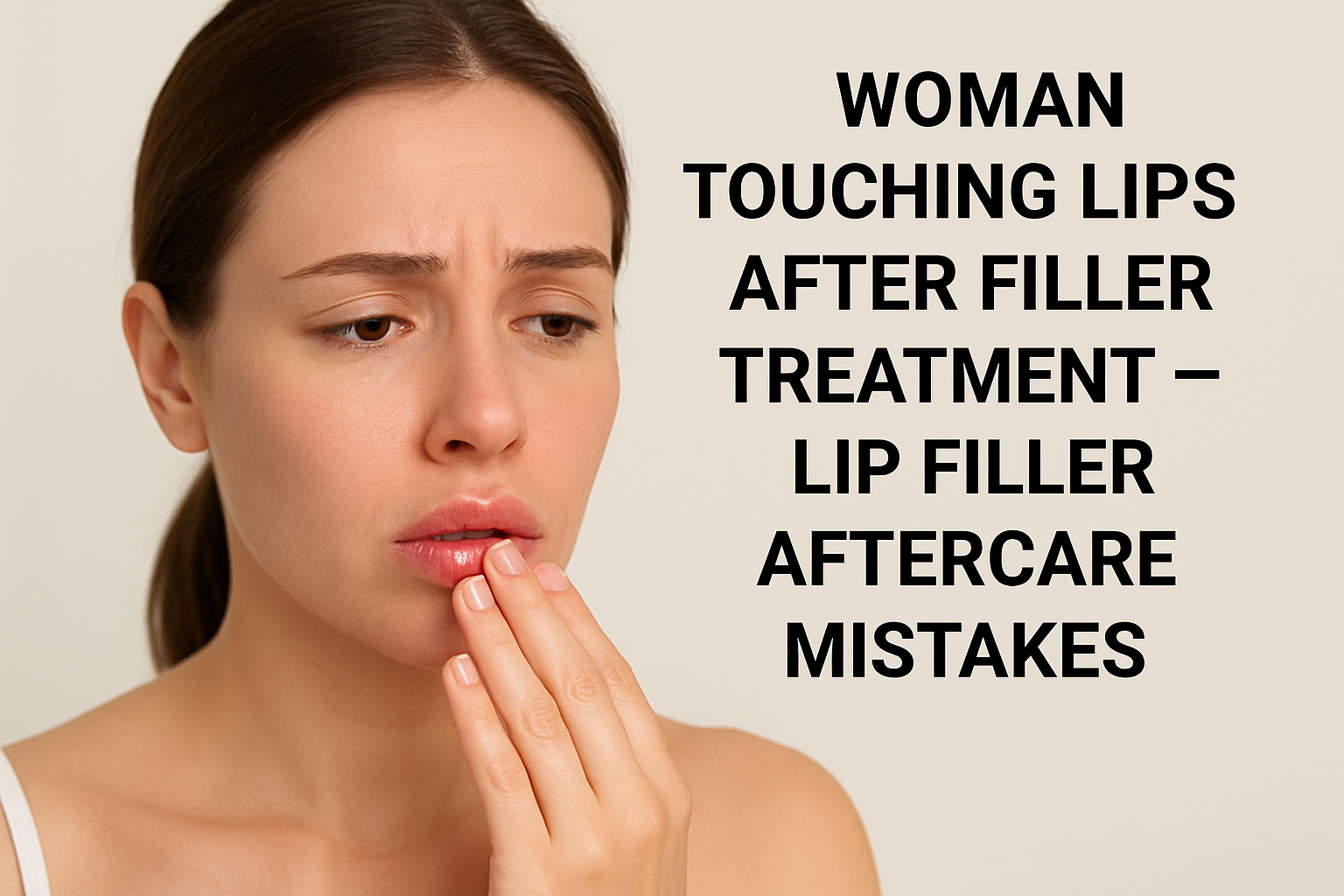
Also, if you’ve recently had cosmetic injections like Botox or fillers, experts recommend waiting 24 to 48 hours before any facial massage. Rubbing too soon can shift the injected material, affecting results.
It’s always a good idea to consult with a dermatologist or licensed aesthetician—especially if you’re healing from a procedure or managing chronic skin conditions. Prioritizing safety ensures you’ll get the most out of your treatment without compromising your skin’s health.
Facial Massage: Hands or Tools—Which One’s Better?
Both hands and tools can be effective for facial massage, but for beginners, experts recommend starting with your hands. They offer greater control, help you feel muscle tension intuitively, and allow a more personal connection with your skin.
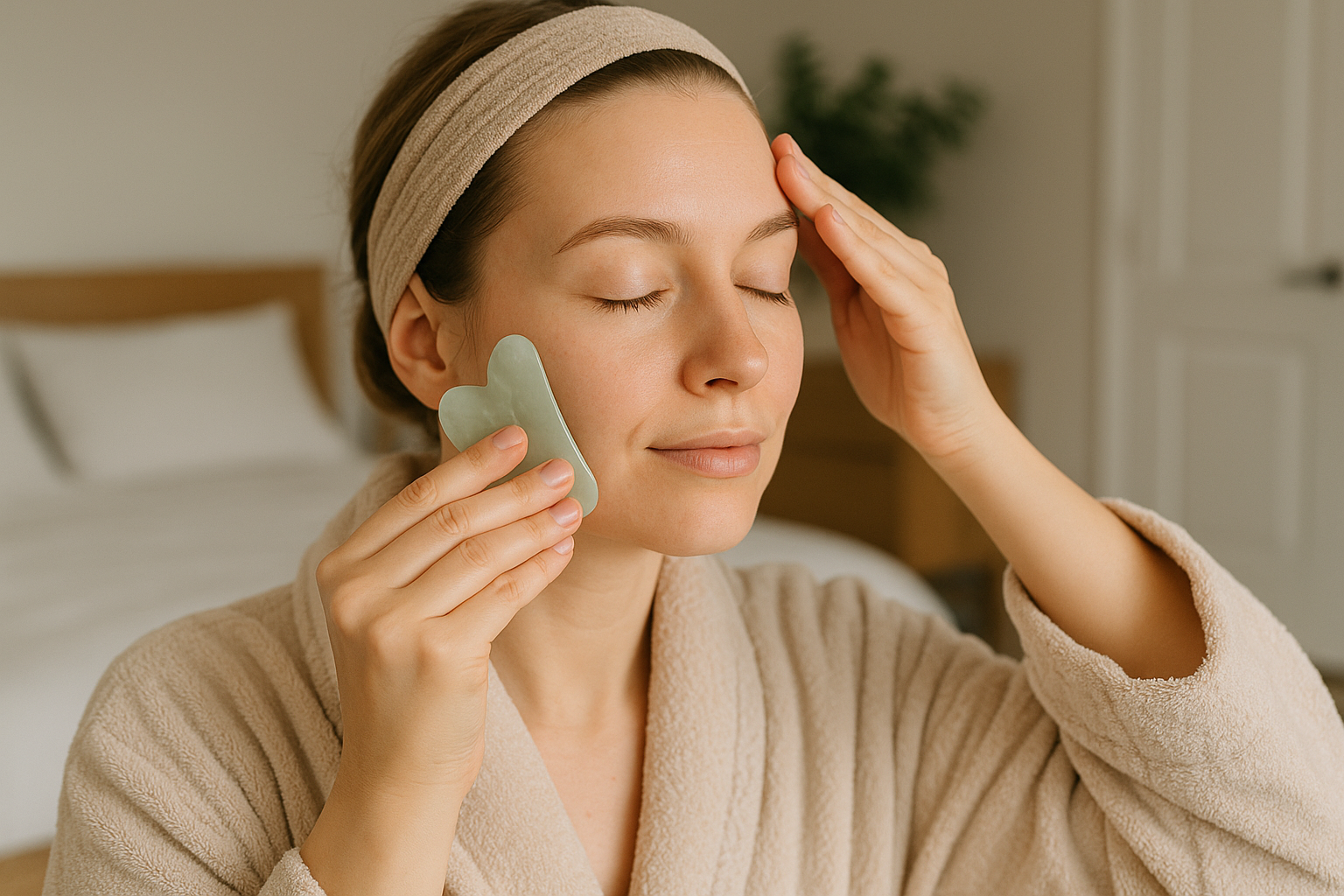
Once you’re comfortable, tools like gua sha stones, jade rollers, or cooling wands can enhance your routine. Cold tools are especially helpful—they can reduce inflammation, soothe redness, and give a natural lifting effect by tightening the skin.
Using tools with skincare products like serums or masks also improves absorption, boosting their overall impact.
In the end, the choice between hands and tools comes down to your goals and preferences. Whether you prefer the mindful touch of your fingertips or the cooling glide of a crystal roller, both approaches can support a more glowing, sculpted complexion.
How to Do a Facial Massage at Home
Doing a facial massage at home is a simple yet powerful way to boost your skin health and unwind. Here’s a step-by-step guide, recommended by skincare experts:
- Stand in front of a mirror with clean hands and a freshly washed face.
- Apply a moisturizer or face oil to allow your fingers to glide smoothly.
- Start by gently massaging the lymph nodes: under the ears, along the jawline, neck sides, and collarbone.
- Sweep from under the ears down to the front of the neck, then back up along the jawline.
- Place your fingers at the center of your forehead and massage outward toward the temples.
- Gently press around the eyes, moving from the inner corners outward.
- Use upward circular motions from the cheeks toward the temples.
- Massage from the chin outward along the jawline.
- Finish with upward strokes on the neck, moving toward the chin.
- Repeat each motion 5–8 times for the best effect.
- Wipe off excess product and continue with your regular skincare routine.
If using tools like gua sha or a jade roller, keep the angle between 5–10 degrees and apply gentle pressure only. Clean your tools before and after each use to avoid irritation and enhance results.
At Home vs. Professional Treatment
Facial massage at home offers flexibility, affordability, and ease—making it perfect for beginners or those with busy schedules. With just your hands or a simple tool, you can fit in a quick, relaxing session that supports your skincare routine.
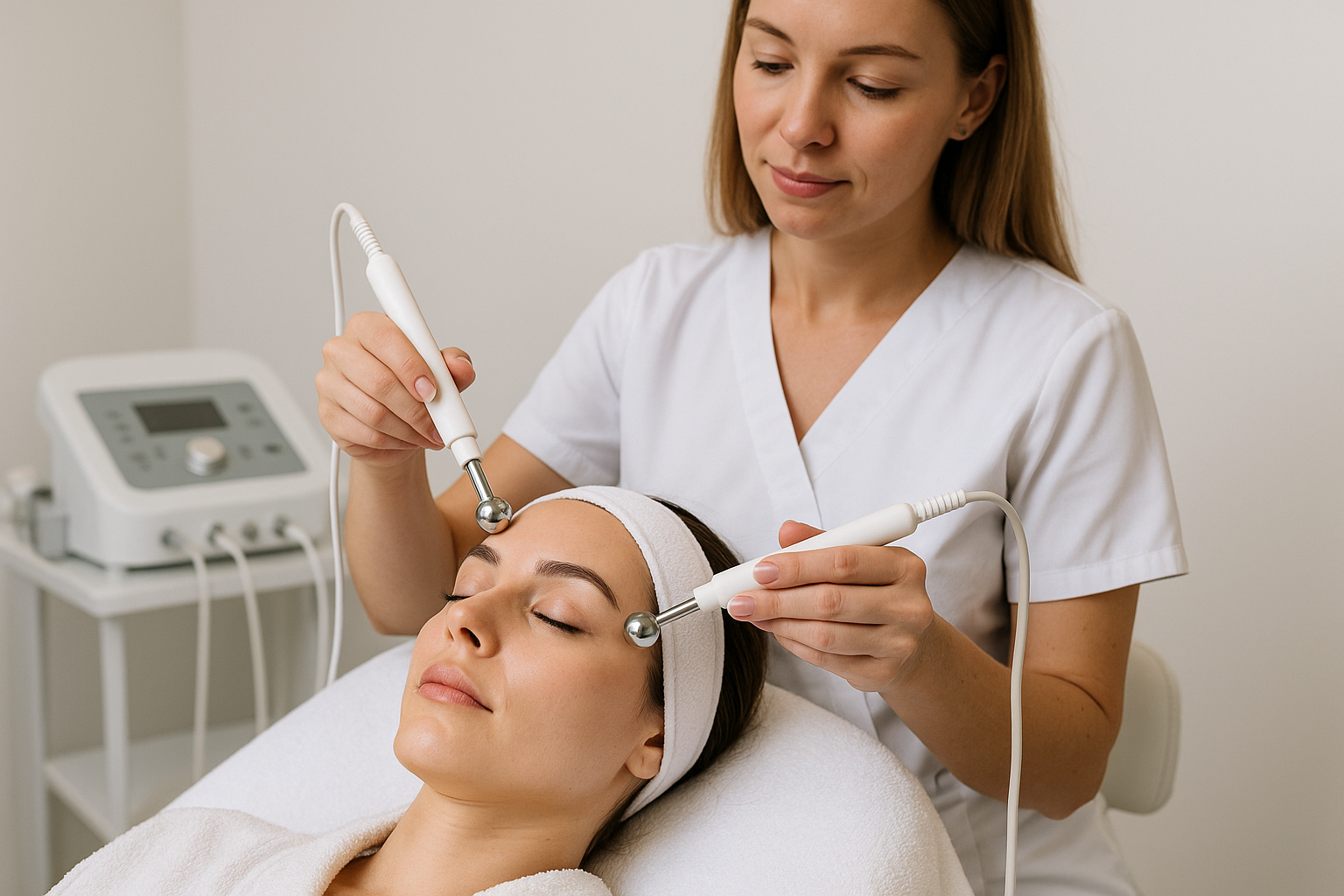
But professional treatments bring added value. Licensed estheticians use advanced techniques, medical-grade tools, and tailored products to address specific skin concerns. These sessions often provide faster, longer-lasting results thanks to their precision and depth.
That said, home and professional treatments work best together—not as replacements, but as complements. Experts recommend maintaining a consistent at-home routine and booking professional facials periodically for deeper rejuvenation.
The ideal skincare approach combines daily self-care with occasional expert attention, giving your skin the best of both worlds.
What to Expect During a Facial Massage
If you’ve never had a professional facial massage, knowing what to expect can ease your mind. Your session typically begins with a consultation where the therapist assesses your skin type and discusses the techniques, tools, and outcomes you’re aiming for.
During the massage, you might feel light pressure, warmth, or cooling sensations depending on the tools used. The experience is designed to relax facial muscles, stimulate blood flow, and support detoxification.
Some unexpected benefits? Reduced headaches, relief from sinus pressure, boosted immune function, and faster skin healing—all thanks to improved circulation.
After the session, your skin will likely feel softer, look brighter, and absorb skincare products more effectively. It’s a deeply relaxing and restorative experience that supports both your skin and overall well-being.
Facial Massage Results
Whether done at home or by a professional, facial massage delivers real, visible benefits. With consistent practice, you may notice firmer skin, reduced puffiness, and better hydration—along with a healthy glow.
Regular massage improves lymphatic flow, which helps flush out toxins and reduce fluid buildup. Over time, this can minimize fine lines, enhance skin tone, and even brighten dark spots.
Also Read: What Is a TCA Peel? Benefits, Uses & Safety
Experts also point to improved skin elasticity, reduced tension, and more defined facial contours as lasting results. And when paired with the right skincare products, facial massage can amplify their absorption and effectiveness.
While results may vary based on skin type and technique, a committed routine—especially when personalized—can turn this simple habit into one of your most effective beauty practices.
Final Thoughts
Whether you’re treating yourself at home or visiting a skincare professional, the secret to an effective facial massage lies in consistency. Just 1–2 minutes of gentle massage during your morning or evening cleanse can make a noticeable difference over time.
Experts emphasize that routine massage helps improve circulation, reduce stress, and support collagen production—leading to smoother, more elastic skin. For enhanced results, professional sessions once a month are ideal, while daily DIY massages keep your skin in top condition.
Not sure how to begin? Start with guided videos or consult a trusted facialist. With the right technique and regular practice, facial massage becomes not just a beauty step, but a moment of self-care you’ll look forward to.

 Acne
Acne Anti-Aging
 Business
 Digital Marketing
 Economics
 Exfoliation
 Hair Removal
 Movies
 Personal Finance
 Websites