Mini Facelift: Everything You Must Know Before Getting One
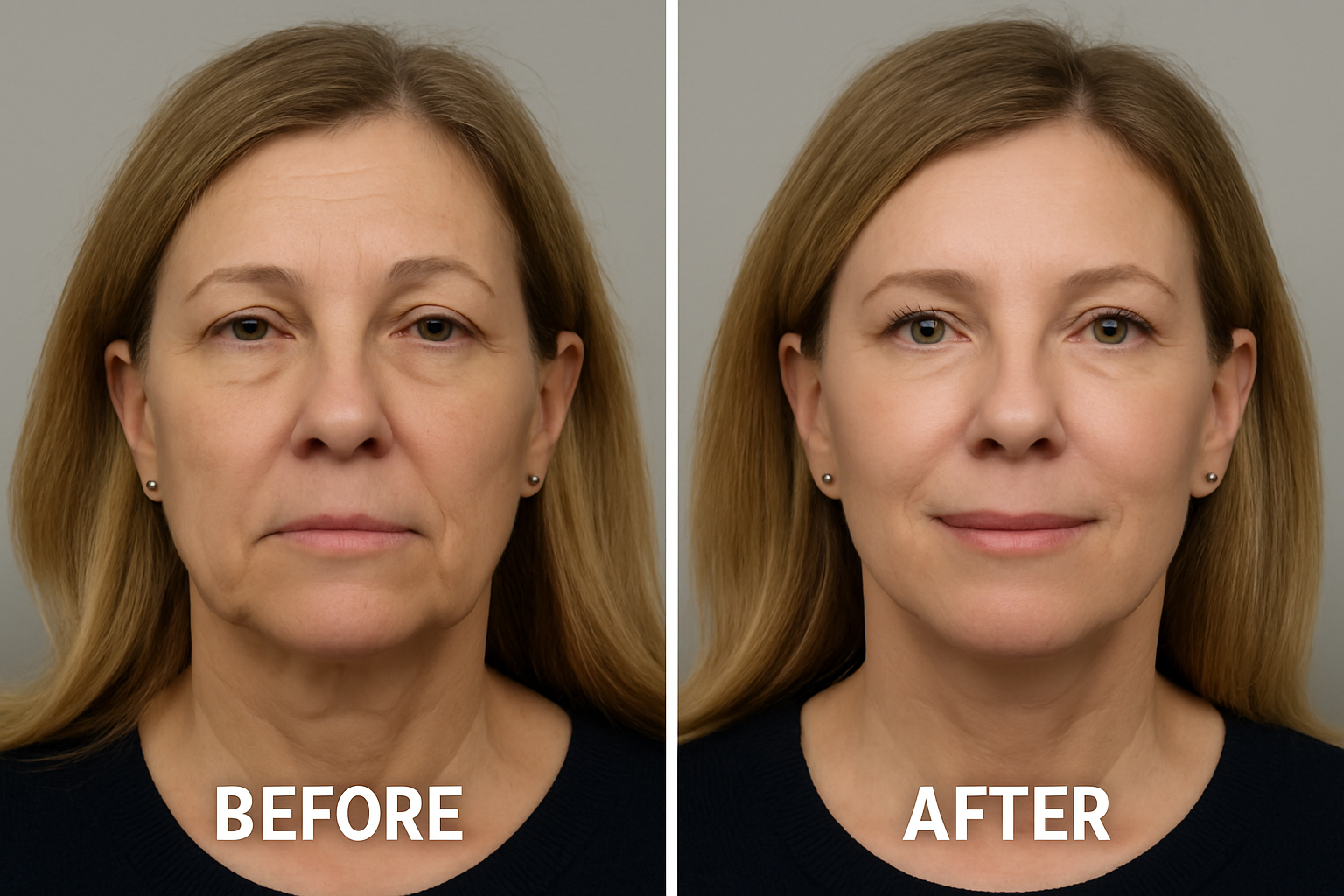
A mini facelift is a minimally invasive cosmetic surgery designed to tighten sagging skin in the lower face—mainly the jawline and cheeks. Unlike a full facelift, this procedure involves smaller incisions and a quicker recovery, making it a great option for people in their 40s to early 60s experiencing mild signs of aging.
Unlike non-surgical treatments like Botox or dermal fillers that offer temporary results, a mini facelift provides longer-lasting facial contouring and structural improvement. Although it’s less extensive than a traditional facelift, it’s still a surgical procedure that requires thorough medical assessment and is performed under local anesthesia or light sedation.
One of the biggest advantages is the recovery time—typically between 1 to 2 weeks—with lower risk of complications. However, the outcome heavily depends on the surgeon’s skill. Always consult a board-certified plastic surgeon to ensure both safety and the best aesthetic results.
Curious if a mini facelift is right for you? Keep reading to discover its benefits, risks, and aftercare—so you can make an informed, confident decision.
What Exactly Is a Mini Facelift?
A mini facelift is a less invasive version of a traditional facelift, specifically targeting sagging skin in the mid-face, cheeks, and jawline.[1allure: Is There Really Such a Thing as a Mini Facelift?] Also known as a “ponytail lift,” “weekend facelift,” or “short scar facelift,” this procedure delivers subtle, natural-looking rejuvenation with minimal downtime.[2AEDIT: Mini-Facelift]
Unlike traditional facelifts that involve longer incisions and more extensive tissue lifting, a mini facelift requires only small incisions—typically hidden near the hairline or just in front of the ears. Through these incisions, the surgeon lifts and tightens the SMAS layer (superficial muscular aponeurotic system), then removes excess skin to restore youthful facial contours.
Performed under local anesthesia or mild sedation, the mini facelift is usually an outpatient procedure. Most patients can return to light activities within a few days, with full recovery in one to two weeks.
It’s important to note: while less invasive, this is still a surgical procedure. Results vary depending on the surgeon’s experience and the individual’s facial structure. Always consult a board-certified plastic surgeon to see if this approach aligns with your aesthetic goals.
Top Benefits of Getting a Mini Facelift
For those starting to see early signs of aging—like mild sagging around the cheeks or jawline—a mini facelift can be a game-changer. It offers a middle ground between non-surgical treatments and full facelifts, with impressive results and faster recovery.
Key advantages of a mini facelift include:
- Quick recovery: Most people heal within 7 to 14 days.[3CLARIS CLINIC: Mini-Lift]
- Minimal scarring: Incisions are small and strategically placed, making scars nearly invisible.[4And New Me: What to Expect from a Mini Facelift: Key Considerations.]
- Natural results: You’ll look refreshed, not “pulled.”[5Facial Cosmetic Surgery: 5 Reasons to Consider Getting a Mini Facelift.]
- Long-lasting effects: Results often last several years, especially when paired with good skincare.[6Facial Cosmetic Surgery: 5 Reasons to Consider Getting a Mini Facelift.]
According to plastic surgeon Dr. Alexis Parcells, patient satisfaction is high—many report a youthful, lifted appearance with minimal pain and manageable downtime. Plus, since the procedure doesn’t typically address the neck area, it’s more affordable than a full facelift.
Still, for best results, a mini facelift is often combined with non-surgical treatments like Botox or fillers to enhance facial balance and volume. This combo approach offers more complete rejuvenation—without overdoing it.
How to Properly Prepare for a Mini Facelift
Preparation is key to a smooth mini facelift experience and a great outcome. Because this is still a surgical procedure, you’ll need to plan ahead physically and mentally.
Here’s how to get ready:
- Choose a Qualified Surgeon
Make sure your surgeon is board-certified and experienced in mini facelifts. Ask to see before-and-after photos and patient testimonials. - Understand the Details
Know where the surgery will take place (clinic or hospital), the type of anesthesia used, and who will administer it. Safety comes first. - Learn About the Technique
Ask whether the surgeon will tighten the deeper SMAS layer or just the skin. This affects both the longevity of results and recovery time. - Follow Pre-Op Instructions
- Avoid blood-thinning medications and herbal supplements for at least two weeks.
- If you smoke, quit temporarily—it slows healing.
- Don’t eat or drink for at least six hours before surgery to avoid anesthesia complications.
Preparing properly helps reduce risks, ease anxiety, and ensure you get the best results possible from your mini facelift.
What Happens During a Mini Facelift Procedure?
Even though a mini facelift is less invasive than a full one, it still requires careful preparation and a clear idea of what to expect. Feeling nervous? Deep breathing or calming music before the procedure can help you relax.
Here’s what typically happens:
- Before the surgery starts, your doctor will administer local anesthesia or light sedation to keep you comfortable. According to Dr. Samuel Lin, the surgeon makes small, discreet incisions around the front of the ear or temple—areas where scars are easily hidden.
- Through these incisions, the SMAS layer beneath the skin is lifted and tightened. Excess skin is carefully trimmed to enhance facial contours without creating a stiff or overdone look. The remaining skin is gently re-draped and sutured for a smooth, youthful finish.
- The procedure usually lasts 1.5 to 2 hours. Afterward, your face will be wrapped in light bandages to reduce swelling, and a small drain may be placed to prevent fluid buildup—usually removed within 24–48 hours.
You’ll be given antibiotics and mild painkillers to aid recovery. Most people go home the same day, and full results become more visible as swelling subsides over the following weeks.
How Long Does a Mini Facelift Last?
On average, the results of a mini facelift last between 5 to 10 years, depending on personal factors like skin condition, age, lifestyle, and genetics.[7Cadogan Clinic: Are the Results of My Facelift Permanent?] While the procedure effectively lifts sagging in the cheeks and jawline, natural aging will continue over time—bringing back fine lines, wrinkles, or mild skin laxity.
Longevity is strongly influenced by daily habits. For example, smoking accelerates collagen breakdown, while sun exposure and stress can speed up visible aging.[8ANDREW SMITH: The Connection Between Lifestyle Choices and Facelift Longevity.] On the other hand, a healthy lifestyle—using sunscreen daily, staying hydrated, eating well, and avoiding smoking—can significantly extend the results.
You can also maintain a refreshed look by combining your mini facelift with follow-up treatments like Botox or dermal fillers, especially as your skin continues to evolve with age.
The better you care for your skin and overall health, the longer your youthful results will last.
Mini Facelift vs. Full Facelift: What’s the Difference?
A mini facelift is a lighter, less invasive version of a full facelift, mainly targeting early signs of aging around the jawline and lower face. According to Dr. Alexander Sobel, it’s ideal for individuals with mild to moderate skin laxity who want a subtle lift without major downtime.
In contrast, a full facelift addresses more severe sagging across the entire face and neck—ideal for those with significant aging or major weight loss. The incision size also differs greatly:
- Mini facelift uses short incisions in front of the ears, hidden within natural folds.
- Full facelift involves longer incisions that may extend behind the ears and into the hairline.
Because of this, a mini facelift won’t tighten the neck as dramatically as a full facelift can. It’s best suited for people aged 40–60 with relatively good skin elasticity and stable weight.
If your goal is overall rejuvenation of both the face and neck, a full facelift may be more appropriate. But if you’re just starting to notice sagging and want a refreshed look with faster recovery, a mini facelift could be the perfect fit.
Possible Side Effects to Be Aware Of
Though considered safe and low-risk, a mini facelift is still surgery—and like all surgeries, it comes with potential side effects. Most people experience mild swelling, bruising, and soreness, which usually subside within one to two weeks.
According to aesthetic expert Vanessa Coppola, here are some side effects to watch for:
- Hematoma: A collection of blood under the skin that may need drainage.
- Infection: Rare when sterile techniques and prescribed antibiotics are used properly.
- Temporary numbness: Caused by nerve irritation, typically resolving in a few weeks.
- Circulation issues: Especially in repositioned tissue, but uncommon.
- Visible scarring: Minimal in most cases, but scar appearance varies per person.
- Facial nerve damage: Extremely rare, but possible, affecting facial movement.
To reduce risks, choose a board-certified plastic surgeon and follow all aftercare instructions closely. The better your post-op routine, the smoother your healing will be.
The Costs
A mini facelift generally costs less than a full facelift due to its shorter duration, smaller scope, and outpatient nature. However, the final price can still vary based on your location, surgeon’s credentials, and the facility.
The average cost ranges from $3,000 to $8,000, which may include:
Also Read: What Is a TCA Peel? Benefits, Uses & Safety
- Surgeon’s fee
- Local anesthesia or mild sedation
- Operating room or clinic charges
- Basic post-op care
Additional fees might apply for consultations, prescriptions, and follow-up treatments. It’s essential to ask for a full breakdown of the costs before committing to the procedure.
While price is a valid concern, don’t prioritize savings over safety. Choose an experienced, board-certified surgeon who operates in a licensed facility. Your health and results are worth the investment.
Aftercare: What to Do After Your Mini Facelift
Recovery from a mini facelift is usually smooth, especially with proper care. You can go home the same day, but someone should drive you and stay with you for the first 24 hours.
Healing typically takes 1 to 3 weeks, and downtime varies depending on your body’s response. Dr. Alexander Sobel recommends plenty of rest and limited movement in the early days to avoid strain. Cold compresses can help reduce swelling and bruising.
Dr. Samuel Lin outlines these essential aftercare steps:
- Return to your surgeon the next day for a post-op check.
- Stitches are usually removed after 7 days.
- Avoid bending over or lifting heavy items for 2 weeks.
- No intense workouts or physical strain for at least 6 weeks.
Most people feel ready to return to work within 1 to 3 weeks, but remember: the better you follow your surgeon’s advice, the better and safer your final results will be.
Final Thoughts
A mini facelift offers a great middle ground between non-surgical treatments and a full facelift. With minimal scarring, quicker recovery, and results that last several years, it’s perfect for anyone seeking a naturally refreshed appearance—especially around the jawline and cheeks.
If Botox or fillers are no longer delivering the results you want, this procedure could be the next logical step. Just keep in mind: while it’s less invasive, it’s still surgery and requires professional evaluation.
To ensure the safest experience and best outcome, always choose a board-certified plastic surgeon with proven expertise. With the right planning and care, a mini facelift can be a smart investment in your long-term appearance and confidence.



 Acne
Acne Anti-Aging
 Business
 Digital Marketing
 Economics
 Exfoliation
 Hair Removal
 Movies
 Personal Finance
 Websites