Glutathione Injection for Brighter Skin: Does It Really Work?
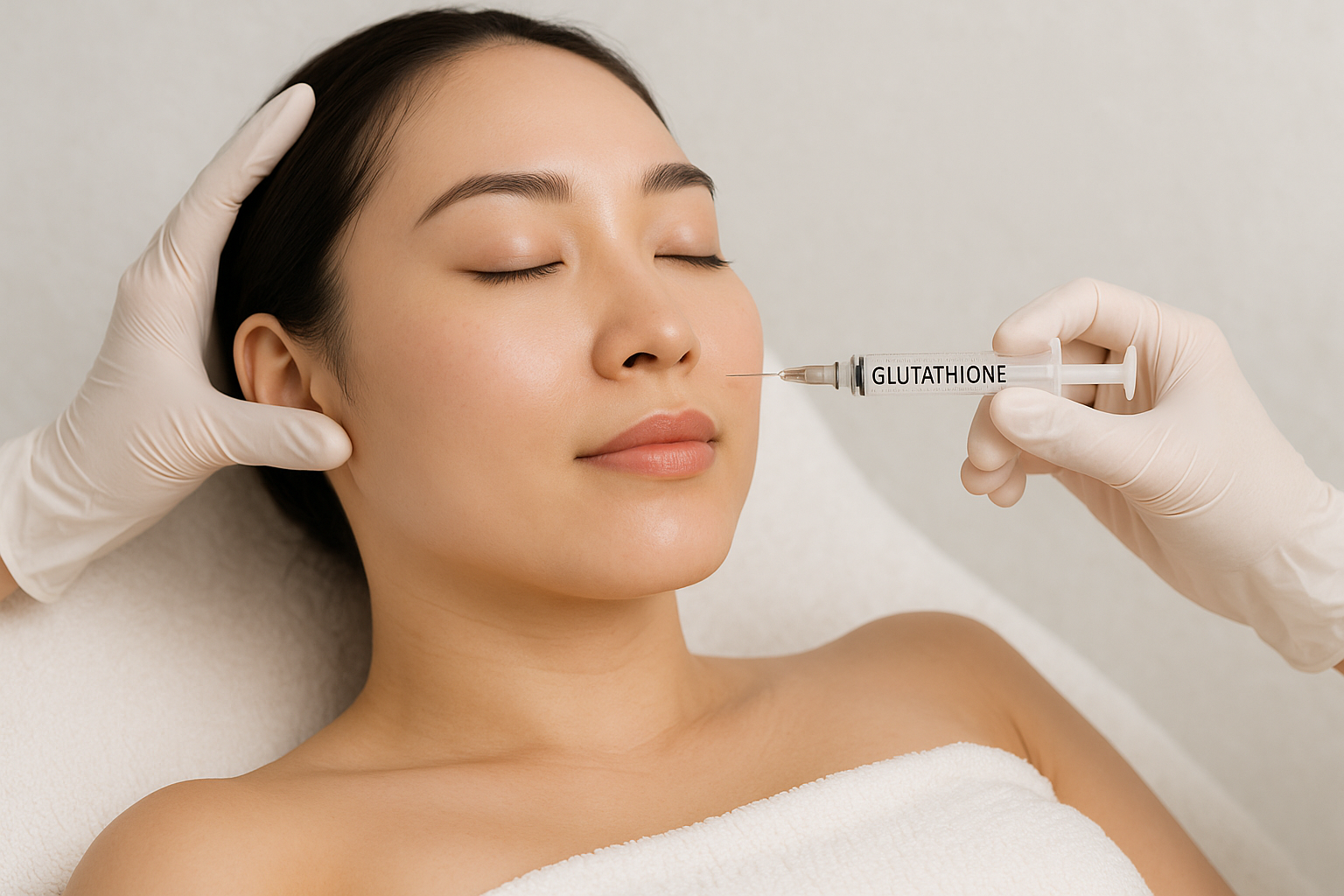
Glutathione injections are gaining attention in the skincare world for their claimed skin-brightening effects. Glutathione, a natural antioxidant produced mainly by the liver, helps neutralize free radicals and supports the body’s detoxification processes. When administered via injection, it enters the bloodstream directly—potentially slowing melanin production, the pigment responsible for skin darkening.
But how effective is it, really? The medical community remains divided. Some clinical studies suggest that glutathione may reduce hyperpigmentation, yet long-term evidence is still limited.[1Sharang Gupta. Glutathione in dermatology: A bright future or fading hype? Cosmo Derma. doi: 10.25259/CSDM_49_2025.] Moreover, without proper supervision, there’s a risk of side effects, including kidney issues.
Understanding how glutathione works is crucial before trying it. This article explores what glutathione injections are, how they work to affect skin tone, and what dermatologists say about their benefits and safety. If you’re curious about achieving a brighter complexion safely, read on to make an informed decision.
What Is Glutathione and Why Is It Important?
Glutathione is a naturally occurring tripeptide made up of three amino acids: glutamate, cysteine, and glycine. Produced mainly in the liver, it plays a vital role in protecting cells from oxidative stress and eliminating harmful substances like heavy metals.[2ScienceDirect: Glutathione]
While glutathione is found in foods such as garlic, avocado, spinach, and pumpkin, dietary sources often don’t provide high enough concentrations to offer noticeable therapeutic effects. Oral supplements also have low bioavailability since glutathione breaks down easily during digestion.
This is why glutathione injections have become popular—they deliver the compound directly into the bloodstream, bypassing the digestive system and allowing for faster, more efficient absorption.[3CLN: Glutathione Injection for Hyperpigmentation.] This method enhances the body’s ability to detoxify and may support skin-brightening outcomes. Still, medical supervision is essential to ensure both safety and effectiveness.
What Is a Glutathione Injection?
A glutathione injection is a medical procedure that delivers glutathione directly into the bloodstream via intravenous (IV) administration.[4Estetik International: Glutathione IV Therapy] This method boosts the body’s glutathione levels rapidly, bypassing the digestive system where oral supplements often lose potency.
Glutathione itself is a powerful antioxidant composed of cysteine, glycine, and glutamic acid.[5ScienceDirect: Glutathione] It works by donating electrons to unstable molecules, protecting cells from oxidative damage. It also aids in cell repair, supports immune health, and helps remove heavy metal toxins from the body.
By injecting glutathione, detoxification becomes more effective—especially for people with high oxidative stress or metabolic concerns. Although it’s widely used in aesthetic treatments for skin lightening, it’s important to note that more scientific studies are needed to confirm its long-term efficacy and safety.
Potential Benefits of Glutathione Injections
Glutathione injections are often associated with a range of wellness and cosmetic benefits, including brighter skin,[6Sonthalia S, Jha AK, Lallas A, Jain G, Jakhar D. Glutathione for skin lightening: a regnant myth or evidence-based verity? Dermatol Pract Concept. 2018;8(1):15-21. doi:10.5826/dpc.0801a04.] increased energy, and improved immune response. One key mechanism is its ability to inhibit the enzyme tyrosinase, which plays a central role in melanin production. By slowing melanin synthesis, skin may appear lighter and more even-toned over time.
In many Asian countries, where fair skin is culturally valued, glutathione has gained popularity in aesthetic clinics. Anecdotal reports highlight benefits like better sleep, reduced fatigue, and even enhanced libido—though these claims are not yet backed by large-scale scientific studies.
In the U.S., glutathione was initially used to treat conditions like liver disease, Parkinson’s, and cystic fibrosis.[7Drugs.com: What is glutathione used for?] Today, its use has expanded to wellness and skincare, including mood enhancement and reducing oxidative stress.
Before considering this treatment, consult a healthcare provider. A proper medical evaluation ensures the treatment is right for your needs and helps minimize any potential side effects.
What to Expect During and After a Glutathione Injection
A glutathione injection is a relatively simple procedure, similar to a standard IV or vaccine shot. Most people experience only mild discomfort, such as a small sting or pressure at the injection site.
During treatment, a trained professional will insert a needle—usually into a vein in your arm—and administer a dose of glutathione. The starting dose typically ranges from 300 to 600 mg, given about three times a week for four weeks to build up levels in the body. After this “loading” phase, injections are often reduced to once weekly for maintenance.
If your body responds well, visible results like brighter, smoother, and more even-toned skin may appear within 6 to 8 weeks. Some people also report feeling more energized and refreshed.
Side effects are rare but may include minor irritation or a tingling sensation post-injection. To stay safe, always undergo this treatment under the guidance of a licensed medical professional.
Glutathione Injection Side Effects
Like any medical procedure, glutathione injections carry the risk of side effects—although most are mild and temporary. Common issues include minor pain, bruising, or slight bleeding at the injection site due to the needle penetrating the vein.[8Epicorium: The Untold Truth of Glutathione Injections: Benefits and Side Effects.]
Some individuals may also experience systemic reactions shortly after treatment, such as:
- Headache or mild migraine
- Nausea
- Muscle soreness
- Light chills without fever
- Mild diarrhea
- A temporary drop in energy due to rapid detoxification
These symptoms often reflect your body’s response to increased antioxidant activity and cellular detox. While they may be uncomfortable, they’re usually short-lived and resolve without intervention.
Everyone reacts differently depending on their health status and personal tolerance. That’s why professional medical supervision is essential—so any unusual or prolonged reactions can be properly managed.
Aftercare Tips for Glutathione Injections
Post-treatment care for glutathione injections is generally simple. Mild swelling or bruising at the injection site is common. Applying a cold compress for 10–20 minutes can help reduce inflammation and minimize discomfort.
Unlike surgical procedures, glutathione injections require little to no recovery time. Most people can resume their daily routine immediately. However, if you experience minor pain or a mild headache, over-the-counter pain relievers like paracetamol are usually safe—just follow your doctor’s instructions.
It’s important to monitor your body for the first 24 hours. If you notice any unusual symptoms or reactions that persist, don’t hesitate to consult a medical professional. Proper aftercare not only ensures a smooth recovery but also reduces the risk of further side effects.
Risks and Safety: Is Glutathione Injection Really Safe?
Despite its growing popularity in beauty clinics, glutathione injections are not FDA-approved for skin lightening in the United States. The FDA has issued warnings that no injectable skin-whitening products, including glutathione, are officially deemed safe or effective.
This lack of regulation means the quality, dosage, and ingredients of glutathione products can vary widely. No standardized clinical guidelines currently exist to ensure consistent safety across providers. Moreover, scientific evidence supporting glutathione’s effectiveness as a skin-lightening agent remains limited and inconsistent.
As such, this procedure is considered experimental. The decision to proceed should be made with full awareness of the potential risks. Always consult a qualified healthcare provider to assess your individual condition and reduce the likelihood of complications.
Awareness is key—understanding the safety profile of glutathione can help you make a more informed and responsible skincare decision.
Final Thoughts: Is Glutathione Injection Worth Trying?
Although optimal results typically require a series of sessions, even a single glutathione injection can offer insight into its potential effects. According to Dr. Lin, a noticeable boost in energy is one of the most immediate benefits. Within five hours post-injection, many report feeling more alert, less fatigued, and mentally sharper—like a caffeine boost without the jittery side effects.
However, for visible skin improvements or long-term detoxification benefits, one injection is not enough to draw scientific conclusions. Subjectively, some people claim their skin feels smoother, cleaner, or slightly more radiant—though this could be a placebo effect.
In conclusion, glutathione injections may provide short-term benefits like increased energy and a refreshed feeling. But for meaningful aesthetic or therapeutic results, consistent treatment and medical oversight are essential. Before committing to a long-term routine, weigh the scientific evidence, consider your goals, and consult with a trusted healthcare professional.
Also Read: What Is a TCA Peel? Benefits, Uses & Safety

 Acne
Acne Anti-Aging
 Business
 Digital Marketing
 Economics
 Exfoliation
 Hair Removal
 Movies
 Personal Finance
 Websites