Is Aloe Vera Good for Dry Skin? Dermatologists Reveal Truth
Dry skin is a common issue that can lead to discomfort, itchiness, and even affect your appearance. In the search for effective natural remedies, many people turn to aloe vera as their go-to solution. This powerful plant is widely known in skincare for its soothing and hydrating properties. But does aloe vera really work for dry skin from a scientific standpoint?
The rise of aloe vera in skincare is no accident. The clear gel extracted from its leaves is packed with active compounds like vitamins, minerals, enzymes, antioxidants, and anti-inflammatory agents that all contribute to healthy skin hydration. Unsurprisingly, aloe vera-based skincare products are gaining popularity—especially among people with dry or sensitive skin.
In this article, we’ll dive into what dermatologists actually say about aloe vera’s effectiveness for dry skin. You’ll also discover the science behind its growing fame, and how to use it properly to get the best results.
What Is Aloe Vera and Why Is It Used in Skincare?
Aloe vera is a well-known herbal plant, especially loved in skincare for its calming and moisturizing benefits. Its extract comes in various forms—gel, liquid, or powder—and is commonly used in moisturizers, face masks, and soothing creams.
The aloe vera leaf has three main layers: the innermost clear gel (made of about 99.5% water), a yellowish latex layer in the middle, and an outer green rind. While the gel is mostly water, the remaining 0.5% is rich in beneficial active compounds.[1Guo X, Mei N. Aloe vera: a review of toxicity and adverse clinical effects. J Environ Sci Health C Environ Carcinog Ecotoxicol Rev. 2016;34(2):77-96. doi:10.1080/10590501.2016.1166826.]
According to dermatologists, aloe vera gel contains a powerful blend of vitamins (A, C, D, and E), essential minerals (like zinc, potassium, and magnesium), amino acids, polysaccharides, and plant sterols. These components contribute to its ability to soothe skin and lock in hydration.
Still, not all of aloe vera’s benefits are fully backed by science. While it’s been trusted in traditional skincare for centuries, experts say its true strengths lie in its hydrating and mild anti-inflammatory effects. However, aloe vera shouldn’t replace targeted ingredients like vitamin C or niacinamide when dealing with more complex skin concerns.
Benefits of Aloe Vera for Dry Skin
Even though not every claim about aloe vera is medically proven, skincare experts agree that it still offers several valuable benefits for people with dry skin.
- Soothes itchiness and irritation.[2Hekmatpou D, Mehrabi F, Rahzani K, Aminiyan A. The effect of aloe vera clinical trials on prevention and healing of skin wound: a systematic review. Iran J Med Sci. 2019;44(1):1-9.] Aloe vera is often recommended to relieve minor skin discomfort. In dermatology, it’s used as a supportive ingredient in products formulated for sensitive skin. Some research suggests it also aids in skin repair and regeneration.[3Hęś M, Dziedzic K, Górecka D, Jędrusek-Golińska A, Gujska E. Aloe vera (L.) webb. : natural sources of antioxidants – a review. Plant Foods Hum Nutr. 2019;74(3):255-265.]
- Locks in moisture. Aloe vera helps prevent transepidermal water loss (TEWL)—the process where moisture evaporates from the skin’s surface. Its plant sterols help seal in hydration and calm discomfort from sun or wind exposure. The natural cooling effect can feel especially refreshing on inflamed or dry patches.
- Lightweight hydration. Thanks to its high water content and calming polysaccharides, aloe vera works well as a light moisturizer. It can be especially helpful in conditions like mild eczema or psoriasis—though experts note that it’s not a replacement for medical treatments for chronic skin issues.
- Post-acne recovery. Aloe vera may help skin heal faster after acne has dried out, but it should not be applied to active, inflamed pimples. Instead, it works better on peeling skin or dry areas, and can even improve makeup application by smoothing out flaky patches.
Limitations and Possible Side Effects of Aloe Vera
While aloe vera offers notable skincare benefits, it’s important to remember that it’s not completely risk-free. There are some limitations and potential side effects you should consider before adding it to your routine.
- Effectiveness varies. Aloe vera’s results depend heavily on your skin type and how the gel is processed. Fresh aloe gel from the plant may lose potency if stored improperly. On the other hand, commercial aloe products often include alcohols, fragrances, or other additives that can dry out the skin or cause irritation.
- Allergic reactions are possible. Though uncommon, some people may experience redness, stinging, or itchiness after applying aloe vera. Dermatologists recommend doing a patch test before using it regularly—especially if you have sensitive skin.
Understanding these possible downsides allows you to make informed choices and enjoy the benefits of aloe vera safely and effectively.
How to Use Aloe Vera Safely for Dry Skin
To get the most out of aloe vera, experts recommend using fresh gel directly from the plant. That’s because commercial products often contain only a small percentage of aloe—and may include ingredients that reduce its effectiveness.
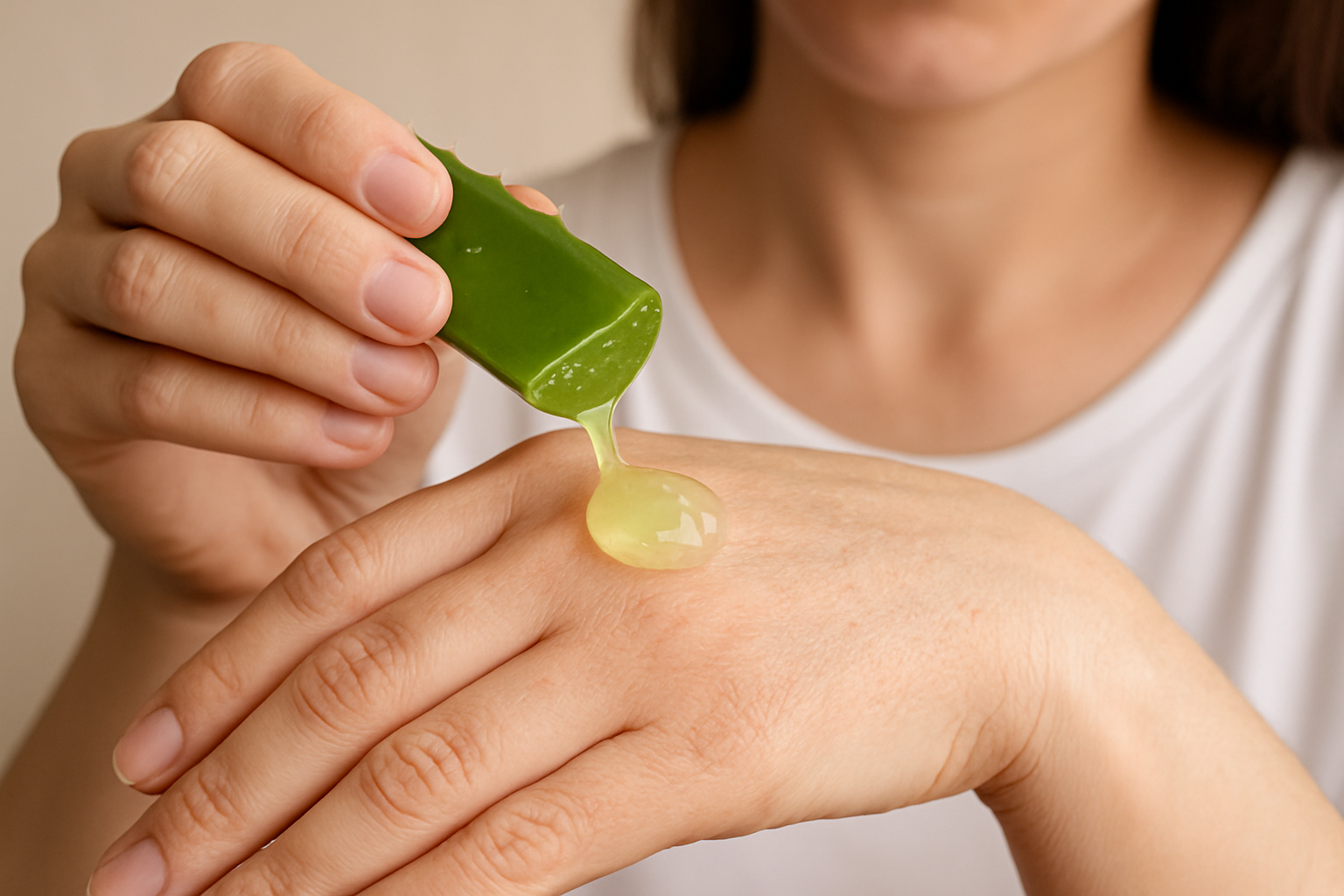
If you have an aloe vera plant at home, start by cutting an outer leaf close to the base. Remove the spiky edges, peel away the skin, and extract the clear gel inside. This can be applied directly to dry or irritated skin.
Even natural aloe can cause mild reactions in some users, so it’s smart to test it on a small area first. For a gentler alternative—especially for sunburns or sensitive skin—opt for dermatologist-tested aloe vera gels that are free from harsh additives.
In cases of sunburn or inflammation, some experts suggest taking an anti-inflammatory medication first to reduce swelling, then applying aloe gel two to three times daily. During winter, combining aloe with other calming ingredients like calendula can be especially effective in soothing weather-induced dryness.
Different Forms of Aloe Vera and How They Work in Skincare
As discussed earlier, aloe vera is available in several forms—gel, liquid, and powder. These are derived from the plant’s inner leaf and processed to suit various cosmetic applications. Powdered aloe is created by evaporating the water content from the gel, while the gel and liquid versions are typically extracted directly from the leaf’s flesh.
In skincare product formulation, manufacturers often dissolve aloe vera powder into a base solution or use a diluted liquid extract. According to cosmetic chemists, the function of aloe vera remains largely the same across its forms. The difference lies mostly in cost efficiency and ease of formulation.
Aloe vera is also available as an oral supplement. However, medical experts say there’s limited scientific evidence supporting internal use for improving skin or hair health. Dermatologists generally recommend topical application, which has been shown to be more effective for treating dry or irritated skin.
What Actually Causes Dry Skin?
Dry skin happens when your skin’s natural barrier loses moisture or can’t retain hydration effectively. In medical terms, this condition is called xerosis cutis, and it can be triggered by environmental factors, lifestyle habits, or underlying health conditions.
Common causes of dry skin include:
- Cold or dry air: Harsh weather—especially during winter or in air-conditioned rooms—can quickly strip moisture from the skin.
- Harsh cleansers: Soaps with strong detergents can wash away the skin’s natural oils.
- Hot showers or baths: While relaxing, hot water can break down the lipid barrier that protects the skin.
- Natural aging: As we age, our skin produces less oil, making it more prone to dryness.
- Medical conditions: Issues like eczema, psoriasis, or hypothyroidism can cause chronic skin dryness.
Understanding what’s behind your dry skin is the first step toward choosing the right skincare solution—whether that’s a richer moisturizer or soothing ingredients like aloe vera.
Best Products With Aloe Vera for Dry Skin
Aloe vera-based skincare products are now widely available and highly sought after by those dealing with dryness. According to dermatologists, the best products feature a high concentration of pure aloe vera, are alcohol-free, and include additional moisturizing ingredients for enhanced hydration.
Here are some internationally popular aloe vera products that are safe and effective for dry skin:
- Nature Republic Soothing & Moisture Aloe Vera 92% Soothing Gel
A versatile, fast-absorbing gel that can be used on the face, body, and even hair. Perfect for lightweight hydration. - Benton Aloe Propolis Soothing Gel
Combines aloe vera with propolis to calm and hydrate the skin without adding oiliness—ideal for sensitive or acne-prone dry skin. - Holika Holika Aloe 99% Soothing Gel
Packaged in a fun aloe-leaf bottle, this gel has a refreshing texture and is great for replenishing dehydrated skin. - The Body Shop Aloe Soothing Day Cream
A gentle, fragrance-free cream specifically formulated for dry and sensitive skin. Free from alcohol and suitable for daily use.
When selecting skincare, always match the product to your skin type and perform a patch test—especially if you’re new to aloe vera or have sensitive skin. Choosing the right formulation can make all the difference in your hydration routine.
Final Thoughts
Aloe vera offers more than just a cooling sensation—it’s a trusted, plant-based ingredient that delivers real hydration and relief for dry, irritated skin. Thanks to its high water content and skin-soothing compounds, it’s especially helpful for those starting their skincare journey or looking for gentle, natural options.
While it may not replace targeted treatments for serious skin concerns, aloe vera works well as a supporting ingredient in your daily routine. It hydrates, calms, and protects without clogging pores or overwhelming the skin—making it ideal for dry and sensitive types.
The key is choosing the right form—whether fresh from the plant or in a carefully formulated product—and applying it consistently. Combined with an understanding of what causes your dryness, aloe vera can be a smart and soothing step toward healthier, more comfortable skin.
ARTICLE SOURCES
You might also like


 Acne
Acne Anti-Aging
 Business
 Digital Marketing
 Economics
 Exfoliation
 Hair Removal
 Movies
 Personal Finance
 Websites