Is Apple Cider Vinegar Good for Skin? Dermatologists Say Yes
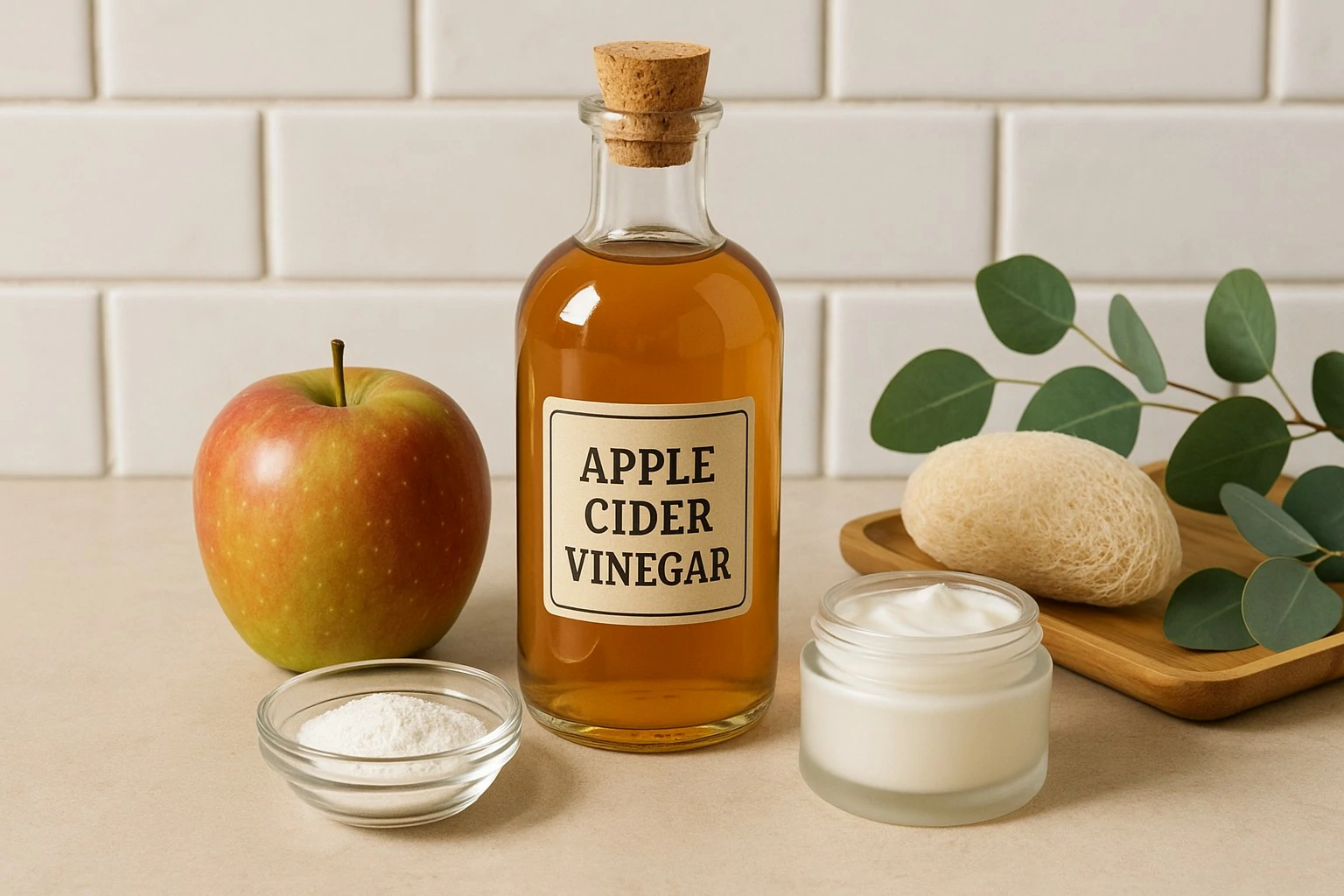
Apple cider vinegar (ACV) has long been a go-to natural remedy in traditional beauty practices. In modern dermatology, this fermented liquid is gaining attention for its antibacterial properties and its potential to support skin’s pH balance—especially for those dealing with mild acne or oily skin.
According to several dermatologists, the key lies in ACV’s active compounds: acetic acid, natural enzymes, and antioxidants. Together, they help gently exfoliate the skin, fight bacteria, and maintain a healthy skin barrier. No wonder it’s become a buzzword in the natural skincare world—even if its sharp scent reminds you more of salad dressing than skincare.
But here’s the catch: using ACV incorrectly can do more harm than good. Applying it undiluted can lead to irritation or burning sensations, especially on sensitive skin. That’s why skin experts recommend using diluted ACV, typically as a DIY toner, and adjusting usage based on your skin’s unique needs.
So before adding it to your skincare routine, it’s essential to understand how to use it safely and effectively—just as dermatologists suggest.
What Is Apple Cider Vinegar (ACV)?
Apple cider vinegar (ACV) is a type of vinegar made through the fermentation of apple juice.[1Wikipedia: Apple cider vinegar.] The process involves two steps: natural sugars in apples are first converted into alcohol, which is then fermented again into acetic acid—the main compound responsible for ACV’s tangy flavor and powerful skincare effects.
In the beauty world, ACV is often used as a natural toner or spot treatment. Its acidic nature helps rebalance the skin’s pH and strengthen the skin barrier, especially when disrupted by harsh skincare products or environmental stressors.
In addition to acetic acid (which offers antibacterial and exfoliating properties), ACV also contains malic acid—an alpha hydroxy acid (AHA) that works as a gentle chemical exfoliant.[2Tang SC, Yang JH. Dual effects of alpha-hydroxy acids on the skin. Molecules. 2018;23(4):863. doi:10.3390/molecules23040863.] This unique blend makes ACV a promising option for treating dullness, clogged pores, and mild breakouts—if used properly.
Apple Cider Vinegar Benefits for Skin
Although large-scale clinical trials are still limited, many dermatologists agree that the natural acids in ACV offer several skin-enhancing benefits when used with care. Here are some of the top reasons people are turning to ACV for skin care:
- Balances Skin’s Natural pH
Thanks to its naturally low pH, diluted ACV can help restore the skin’s protective acid mantle. This is especially useful for those dealing with excess oil, acne, or a damaged skin barrier caused by over-cleansing. - Acts as a Mild Exfoliant
Malic acid in ACV gently dissolves dead skin cells, unclogs pores,[3Tang SC, Yang JH. Dual effects of alpha-hydroxy acids on the skin. Molecules. 2018;23(4):863. doi:10.3390/molecules23040863.] and smooths out rough texture. It’s an effective yet low-irritation alternative to stronger AHAs, making it beginner-friendly. - Helps Clear Acne and Blackheads
The antimicrobial nature of acetic acid makes ACV a useful tool against acne-causing bacteria. Regular use (in diluted form) can help reduce inflammation and keep pores clean. - Fades Dark Spots and Hyperpigmentation
Malic acid may also slow down melanin production, helping to gradually lighten dark spots and promote a more even skin tone. - Provides Light Antibacterial Protection
ACV’s antifungal and antibacterial properties can protect minor skin irritations or sun-exposed skin from infection, especially when used as a toner or bath soak.[4Yagnik D, Serafin V, J. Shah A. “Antimicrobial activity of apple cider vinegar against Escherichia coli, Staphylococcus aureus and Candida albicans; downregulating cytokine and microbial protein expression.” Sci Rep. 2018;8:1732.]
Potential Side Effects of ACV on Skin
Even though malic acid is one of the gentler AHAs, apple cider vinegar still needs to be handled with caution. Experts highly recommend doing a patch test on a small area of skin before using it on your face, especially if your skin is sensitive or reactive.
Why? Because ACV also contains acetic acid, which is highly concentrated and can cause skin irritation, dryness, or even chemical burns if used undiluted.[5Bunick CG, Lott JP, Warren CB, Galan A, Bolognia J, King BA. Chemical burn from topical apple cider vinegar. J Am Acad Dermatol. 2012;67(4):e143-e144. doi:10.1016/j.jaad.2011.11.934.] In fact, there are documented cases of serious reactions when people applied raw ACV directly to their skin without guidance.
To reduce these risks, always dilute ACV before applying it topically—usually at a 1:4 ratio with water. If you feel stinging or dryness, stop using it immediately and moisturize the area. Your skin’s tolerance matters more than any trending beauty hack.
How to Use Apple Cider Vinegar on Skin Safely (And Effectively)
Because of its high acidity, apple cider vinegar should never be used on skin straight from the bottle. Dermatologists generally recommend diluting it in a 1:4 ratio (1 part ACV to 4 parts water) for topical use.
Here are dermatologist-approved ways to include ACV in your skincare routine:
- As a Natural Toner
Diluted ACV can work as a gentle toner to balance pH, remove leftover grime, and calm mild breakouts. Apply with a cotton pad after cleansing and before moisturizing. Start slow—once or twice a week—until you know how your skin reacts. - Spot Treatment for Acne
Mix ACV with a bit of clay or powdered mask to create a paste. Dab it directly on pimples before bed to reduce swelling and fight bacteria overnight. Be cautious and limit use to once or twice a week. - DIY Facial Cleanser
For a minimalist cleanse, combine diluted ACV with water and use a cotton pad to gently wipe your face (avoiding the eye area). It can help remove excess oil and unclog pores—especially for oily skin types. - ACV Bath Soak for Body Care
Add one cup of ACV to a warm bath and soak for 10–15 minutes. This can exfoliate your body, soothe irritated skin, and soften rough areas—ideal for people dealing with body acne or keratosis pilaris.
Why Do People Use Apple Cider Vinegar for Skin?
Apple cider vinegar (ACV) has earned a solid reputation in the world of natural skincare. Its growing popularity stems from key components like acetic acid, natural antioxidants, and alpha hydroxy acids (AHAs)—all believed to help balance the skin’s pH, control excess oil, and calm mild inflammation.
One reason many people reach for ACV in their routines is its potential antimicrobial properties, which may help reduce acne-causing bacteria. For those exploring natural alternatives, this makes ACV a compelling choice—especially for oily or acne-prone skin types.
According to dermatology experts, ACV’s gentle exfoliating effect comes from its AHA content, which helps remove dead skin cells and promotes a fresher-looking complexion. Many users also report a refreshing, tightening sensation after applying diluted ACV to their face, often noting a visible reduction in pore appearance over time.
However, it’s important to remember that ACV is highly acidic. Using it undiluted can lead to irritation or chemical burns, particularly for those with sensitive or compromised skin. For safe use, always dilute ACV with water—commonly in a 1:4 ratio—and start with a patch test on a small area of skin before making it part of your regular skincare routine.
Expert Opinion – What Dermatologists Actually Say
According to Dr. Lisa Hammond, a board-certified dermatologist based in New York, apple cider vinegar can be a useful addition to natural skincare routines—when used carefully. “ACV has antimicrobial properties that may help reduce acne-causing bacteria, particularly when diluted properly,” she explains.
Dr. Hammond also highlights the role of organic acids found in ACV, including malic acid and lactic acid, which act as mild exfoliants. “These compounds can gently remove dead skin cells, improve skin texture, and contribute to a brighter, smoother appearance,” she says.
She further notes that balancing the skin’s pH is another overlooked benefit. A stable pH level is essential for maintaining the skin’s natural barrier, which protects against irritation, dryness, and environmental stress.
However, Dr. Hammond strongly warns against using ACV directly on the skin without dilution. “Undiluted apple cider vinegar can be harsh and may cause significant irritation or even chemical burns,” she cautions. Her professional recommendation: dilute ACV in a 1:4 ratio with water before applying it as a toner or spot treatment.
To ensure safe usage, Dr. Hammond advises conducting a patch test first—preferably on the inner arm or behind the ear. If any redness, stinging, or itching occurs, it’s best to discontinue use immediately and consult a skincare professional.
Takeaway from the experts: Apple cider vinegar may offer natural skincare benefits, but dermatologist guidance is clear—dilution and moderation are essential for avoiding unwanted side effects.
Final Thoughts
Apple cider vinegar (ACV) offers a promising blend of natural exfoliation, oil control, and antibacterial benefits—making it an appealing choice for those looking to simplify their skincare with natural ingredients. For beginners especially, ACV can serve as an affordable and accessible alternative to commercial products, as long as it’s used with caution.
That said, the key to getting real results without irritation lies in how you use it. Always dilute ACV properly, start slowly, and do a patch test before applying it to your face. And if you have sensitive or acne-prone skin, it’s worth consulting with a dermatologist—like Dr. Lisa Hammond recommends—before making ACV a staple in your routine.
In short, yes—apple cider vinegar can be good for your skin, but only if you’re mindful of your skin’s needs and follow safe usage guidelines. Treat it like any active ingredient: with respect, moderation, and consistency.
ARTICLE SOURCES
You might also like


 Acne
Acne Anti-Aging
 Business
 Digital Marketing
 Economics
 Exfoliation
 Hair Removal
 Movies
 Personal Finance
 Websites