Baking Soda for Acne: Is It Safe and Does It Really Work?

Baking soda, or sodium bicarbonate, is a common household item known for its versatility—from baking to cleaning. But when it comes to treating acne, things aren’t so straightforward.
Some people use baking soda as a face mask or spot treatment because of its gritty texture and ability to balance pH. However, dermatologists warn that using it on your face—especially regularly—can do more harm than good.
Your skin has a natural acidic pH that keeps its protective barrier intact. Baking soda is highly alkaline and can disrupt this balance, leading to dryness, irritation, and even more breakouts.[1AI CARE: Baking Soda for Treating Acne: Is It Effective?] Dr Ava Shamban, a Beverly Hills dermatologist, notes that frequent use may increase skin sensitivity and inflammation.
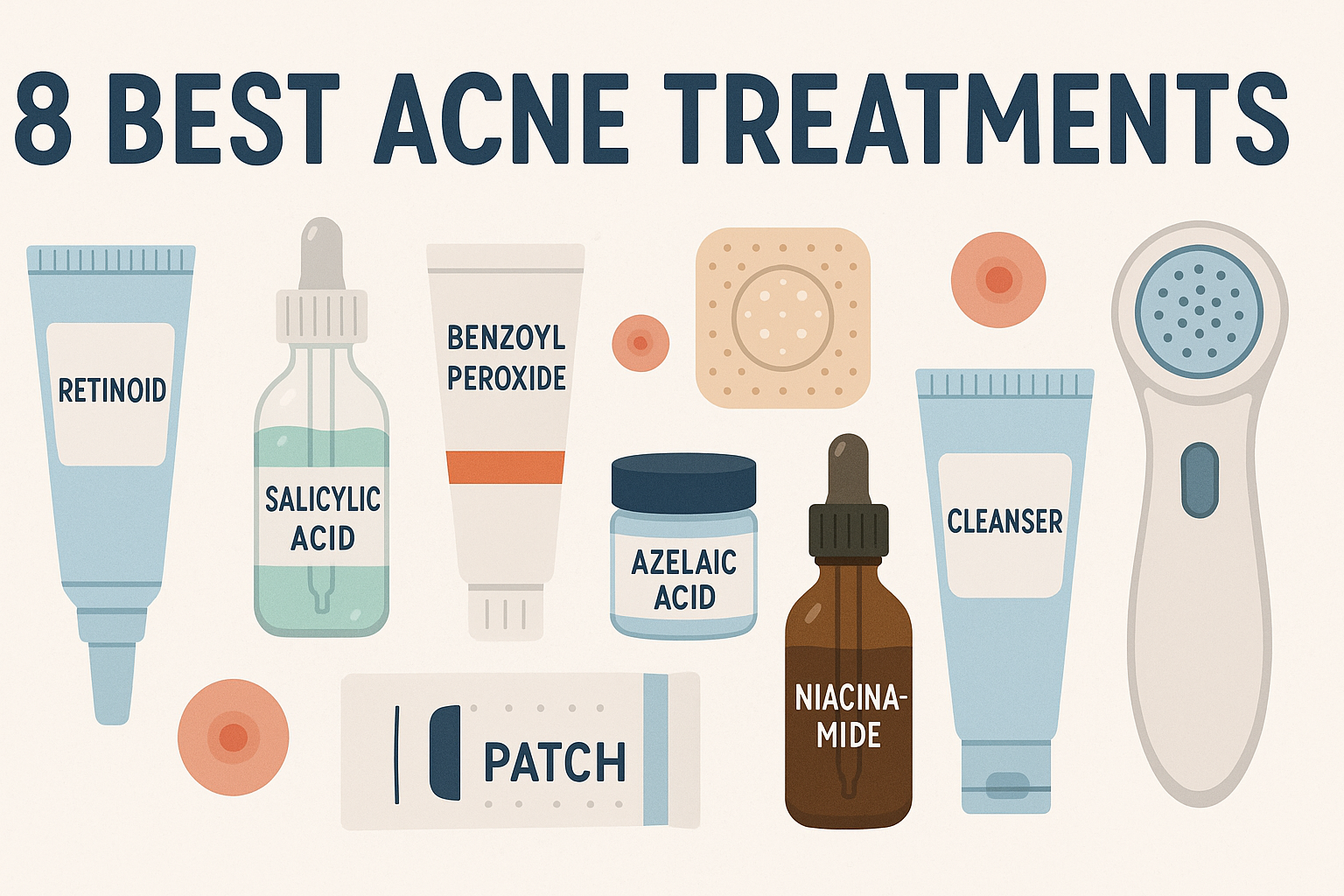
While it may give a temporary feeling of cleanliness or slight exfoliation, these short-term effects don’t outweigh the long-term risks. Dermatology professionals recommend using clinically tested acne treatments like salicylic acid or benzoyl peroxide instead.
Before applying kitchen ingredients to your face, it’s best to consult a dermatologist and prioritise skin safety over DIY trends.
What Is Baking Soda (and Why It’s Used in Skincare)?
Baking soda, or sodium bicarbonate, is an alkaline compound with a pH of around 9.[2Byrdie: Here’s the Truth About Using Baking Soda as a DIY Acne Treatment.] It’s commonly used in cooking, cleaning, and even personal care routines thanks to its neutralising properties.
In DIY beauty, baking soda is often praised for its ability to exfoliate, absorb oil, and soothe minor skin issues. It’s been used in homemade face scrubs, deodorants, and even toothpaste. Because of its texture and low cost, some people experiment with it as a natural acne treatment.
However, according to dermatologists like Dr Whitney Bowe, baking soda’s alkalinity can disrupt the skin’s natural pH, which typically sits around 4.5–5.5. This disruption can strip away protective oils and weaken the skin barrier.
Even though baking soda feels natural and accessible, it’s not automatically safe—especially for acne-prone or sensitive skin. If you’re new to skincare, be cautious before incorporating ingredients that haven’t been clinically formulated for facial use.
The Claimed Benefits of Baking Soda for Acne
Despite the warnings, baking soda continues to gain attention as a potential acne solution. Here’s why some people swear by it:
- Gentle physical exfoliation:
Its fine, slightly gritty texture can remove dead skin cells and help unclog pores—potentially reducing blackheads and small pimples. - Temporary soothing effect:
Baking soda may calm mild inflammation or redness, which is why it’s sometimes used for bug bites or minor rashes. - Balancing excess oil:
On very oily skin, its alkaline nature might temporarily reduce surface oil and give a matte finish.[3Prakash C, Bhargava P, Tiwari S, Majumdar B, Bhargava RK. Skin surface pH in acne vulgaris: insights from an observational study and review of the literature. J Clin Aesthet Dermatol. 2017;10(7):33-39.]
While these benefits sound appealing, they’re not universal. Dr Rachel Nazarian from Mount Sinai Hospital notes that any positive effects are often short-lived and can be outweighed by long-term irritation. For most skin types—especially sensitive or acne-prone—these “benefits” are not worth the risk.
If you’re looking for real results, it’s safer to stick with ingredients backed by dermatological research.
Potential Side Effects
Using baking soda on your face might seem harmless, but it comes with real risks—especially for acne-prone skin.
The main issue is pH imbalance. Baking soda’s pH is around 9, while your skin’s natural pH ranges from 4.5 to 5.5. This significant difference can strip your skin of its natural oils, leading to dryness, sensitivity, and inflammation.
Disrupting the skin barrier also means your face becomes more vulnerable to bacteria, pollutants, and environmental stressors. In the long run, this can trigger more acne, irritation, or even premature ageing like fine lines and uneven texture.
Dermatologists generally advise against using strongly alkaline products like baking soda on the face. If you’re dealing with breakouts, it’s better to use clinically tested treatments that support your skin’s health rather than compromise it.
Remember, just because something is natural doesn’t mean it’s gentle—or suitable for your skin.
How to Use Baking Soda for Acne (Safely)
If you’re still curious about using baking soda for acne, use it with caution—and never as a full-face treatment.
Start by identifying your skin type. Oily or combination skin might tolerate occasional use better than dry or sensitive skin, which is more prone to irritation.
Safe method:
Mix 2 teaspoons of baking soda with a few drops of water until it forms a paste. Apply it as a spot treatment only—directly on individual pimples, not all over your face. Leave it on for 5 to 10 minutes, then rinse with warm water.
Limit use to once a week at most. Always follow up with a gentle moisturiser and sunscreen, as your skin may become more vulnerable to UV damage.
Watch for signs of irritation such as redness, stinging, or flaking. If these appear, stop immediately and consult a dermatologist.
Trying something “natural” may sound simple—but your skin deserves more than guesswork.
Is Baking Soda Safe for Acne-Prone Skin?
Natural remedies like baking soda may sound harmless, but are they really safe for acne-prone skin?
Baking soda has a high pH of around 9—much higher than your skin’s natural pH, which sits between 4.5 and 5.5. This difference matters. According to dermatologists, maintaining a balanced skin pH is crucial for preventing bacterial growth and protecting the skin barrier.
While baking soda may offer light exfoliation or temporary relief from inflammation, its long-term effects can be damaging. Regular use can disrupt the skin’s protective layer, leading to dryness, irritation, and more severe breakouts.
For those with sensitive or acne-prone skin, using baking soda is considered risky. Even though it’s a “natural” ingredient, that doesn’t mean it’s safe for facial use.
Skin experts strongly recommend sticking to clinically tested acne treatments—products specifically designed to be gentle yet effective. These are far more reliable for improving skin health without unwanted side effects.
In short, baking soda is not considered safe for acne-prone skin and is best avoided if you want clear, balanced, and healthy skin in the long run.
Natural Alternatives to Baking Soda
Looking for a natural acne treatment without the harsh effects of baking soda? Good news: there are safer, skin-friendly alternatives that work with your skin—not against it.
- Tea Tree Oil
Known for its antibacterial and anti-inflammatory properties, tea tree oil can help reduce acne-causing bacteria. Use it as a spot treatment in diluted form with a carrier oil like jojoba to avoid irritation. - Raw Honey (Especially Manuka)
Raw honey has natural antimicrobial properties and helps soothe inflamed skin. It’s gentle enough to use as a face mask or directly on blemishes to speed up healing. - Aloe Vera
This soothing plant is rich in enzymes and antioxidants. Aloe vera calms redness, reduces swelling, and supports skin regeneration. It’s ideal for sensitive and irritated skin. - Green Tea
Packed with catechins and antioxidants, green tea reduces inflammation and helps fight acne bacteria. Use cooled brewed green tea as a toner or compress for a calming effect.
These natural alternatives are not only gentler than baking soda but also help maintain your skin’s natural pH. They’re ideal for anyone new to skincare who wants effective yet safe solutions for clearer, calmer skin.
Final Thought
While baking soda might sound like a convenient home remedy for acne, the science says otherwise. Its high alkalinity can disrupt your skin’s natural pH, strip away protective oils, and actually make acne worse—especially if your skin is sensitive or already inflamed.
Yes, it offers temporary benefits like exfoliation or oil control, but these are often outweighed by long-term damage. Just because something is natural doesn’t mean it’s skin-safe.
If you’re just starting your skincare journey, it’s better to stick with dermatologist-approved products or gentle natural ingredients like tea tree oil, aloe vera, or raw honey. These offer real benefits without compromising your skin barrier.
In the end, baking soda belongs in your baking drawer—not on your face. Protect your skin, be kind to it, and choose solutions that work with your skin, not against it.
Clear skin isn’t about shortcuts—it’s about smart, safe choices.
ARTICLE SOURCES
You might also like


 Acne
Acne Anti-Aging
 Business
 Digital Marketing
 Economics
 Exfoliation
 Hair Removal
 Movies
 Personal Finance
 Websites