Can You Use CBD While Breastfeeding? Know the Risks
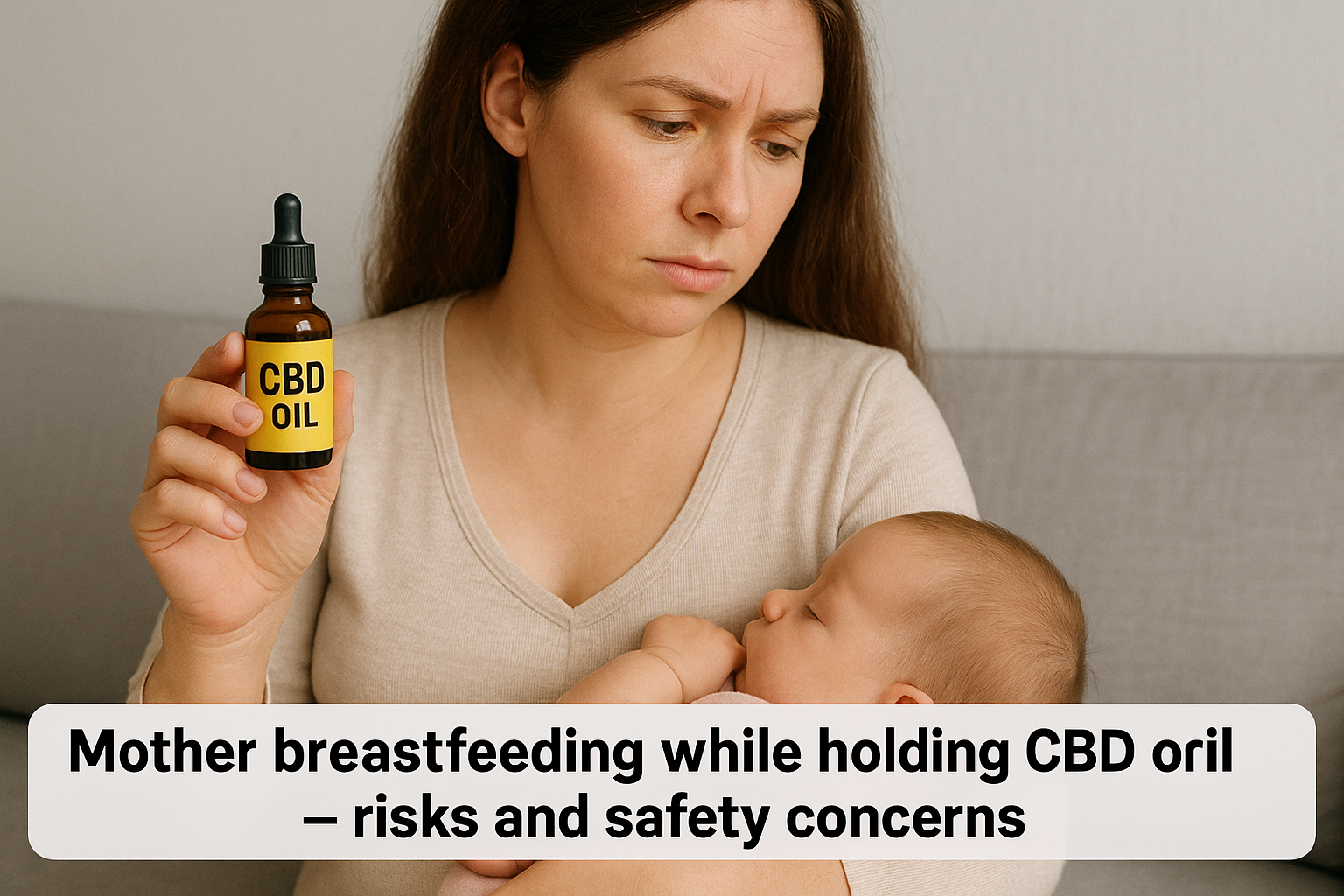
Using CBD while breastfeeding is a growing concern among health professionals. Although CBD is non-psychoactive and derived from the Cannabis plant, there is limited scientific evidence confirming its safety for nursing mothers and infants.
Early lab studies suggest that CBD compounds may pass into breast milk and potentially affect a baby’s developing brain and immune system. Pediatric experts warn that a newborn’s endocannabinoid system is still maturing, making it vulnerable to external substances—even natural ones like CBD.
Another major issue is product quality. Many CBD products on the market are poorly regulated, and some may contain trace amounts of THC, heavy metals, or pesticides. Without strict quality control, there’s no guarantee of safety.
Until larger clinical studies confirm its harmlessness, the safest route is to avoid CBD while breastfeeding. Always consult a healthcare provider before using any wellness product during this sensitive period.
Why Some Moms Consider CBD During Breastfeeding
Many new mothers explore CBD as a natural way to cope with stress, anxiety, and postpartum sleep issues. The hormonal shifts and emotional toll of early motherhood can feel overwhelming, prompting some to look for non-prescription relief.
CBD is often seen as a safer, more “natural” alternative to medications like antidepressants or sleep aids—especially because it doesn’t cause a high like THC. However, perception doesn’t equal proof. Scientific research on how CBD affects nursing infants remains scarce.
Some health experts acknowledge the potential benefits of CBD for maternal mental health, but they emphasize that safety for the baby must come first. Until we know more, the risks may outweigh the rewards.
If you’re struggling postpartum, seek guidance from a medical professional. There are safe, evidence-based options that don’t carry unknown risks for your baby.
What Medical Experts Say About CBD and Breastfeeding
Experts generally advise against using CBD while breastfeeding, citing the lack of reliable safety data. While CBD itself doesn’t produce a high, its impact on an infant’s development—especially through breast milk—is still unknown.
Newborns have developing metabolic systems, and even trace levels of CBD could influence brain development, immune function, or hormone balance. According to Dr. Sarah Mitchell, a pediatric specialist, “Even minimal exposure could affect sensitive biological systems in babies.”
Pharmacologists also raise red flags about inconsistent labeling and contamination in over-the-counter CBD products. With no strict oversight, some products might include THC or toxic residues without disclosing them.
Until rigorous studies confirm safety, most experts recommend staying away from CBD during nursing. The lack of regulation and the potential risks to infant health are too significant to ignore.
The Potential Dangers of Using CBD While Nursing
Despite being plant-based, CBD is not without risk—especially during breastfeeding. The compound can pass into breast milk and may be ingested by infants, whose bodies and brains are still developing.
Medical professionals are concerned that CBD may interfere with a baby’s endocannabinoid system, which plays a role in regulating mood, sleep, and immunity. Without long-term studies, the full impact of CBD on infants is still unknown.
Another risk is the unpredictability of product quality. Many commercial CBD products lack third-party testing and may contain THC, pesticides, or heavy metals. As Dr. James Liu, a pharmaceutical scientist, points out: “Unregulated products can pose hidden dangers, especially for nursing infants.”
For these reasons, doctors and pediatricians widely advise against CBD use during breastfeeding. When it comes to your baby’s safety, it’s better to be cautious and wait for more solid research.
Safe and Natural Alternatives to CBD for Nursing Moms
If you’re breastfeeding and looking for natural ways to manage anxiety, stress, or sleep problems, there are safer options than CBD. Experts recommend lifestyle-based approaches that support mental and physical health without exposing your baby to active compounds.
Gentle activities like yoga, deep breathing, or guided meditation can help relax your mind and body. Talking therapies—such as cognitive behavioral therapy (CBT) or postpartum counseling—offer safe emotional support without side effects.
Good nutrition, hydration, and consistent rest can also improve mood and resilience. Some mothers find relief using herbal teas like chamomile or magnesium supplements, but it’s essential to consult your doctor before trying any remedy.
According to lactation consultant Emma Rowe, “Emotional support from partners, family, or parenting groups can make a big difference in maternal wellbeing.”
If you’re still struggling, don’t hesitate to speak with a healthcare provider. Help is available, and safe solutions do exist.
Is Any Amount of CBD Safe While Breastfeeding?
Currently, there is no medically approved safe dose of CBD for breastfeeding mothers. Research is ongoing, but experts caution that even small amounts may pose unknown risks to an infant’s developing brain, immune system, and metabolism.
Early studies suggest that CBD can pass into breast milk, although typically in low concentrations. However, pediatricians warn that newborns are highly sensitive, and even trace exposure could impact their long-term development.
Another major concern is product purity. Many CBD items contain contaminants—like THC, heavy metals, or chemical solvents—that aren’t listed on the label. With such inconsistencies, it’s impossible to define a truly safe dosage.
Due to these uncertainties, most medical professionals advise avoiding CBD altogether while nursing. If you’re dealing with postpartum anxiety or sleep issues, it’s best to explore safer, drug-free options and seek guidance from a healthcare provider.
Can CBD Pass into Breast Milk?
Yes, CBD can potentially transfer into breast milk. As a fat-soluble compound, CBD is easily stored in body fat—including breast tissue—and may be excreted through milk. While human data is limited, pharmacological studies and animal research support this likelihood.
Toxicologists point out that infants have immature detox systems. Even minimal CBD exposure could affect their neurological development or immune responses—especially if the product contains hidden contaminants like THC or chemical solvents.
Since no official guidelines define a safe level of CBD in breast milk, most medical experts recommend a cautious approach. Avoiding CBD while breastfeeding helps prevent unknown risks to the baby’s health.
If you’re seeking symptom relief, speak with a healthcare provider about safe, supportive options tailored to nursing mothers. Your well-being matters—but so does protecting your baby’s early development.
Are There Any Safe CBD Products for Breastfeeding Moms?
For non-pregnant and non-nursing adults, some CBD products may be considered relatively safe if sourced responsibly. Reputable brands offer third-party lab testing, label transparency, and THC-free formulas.
However, for breastfeeding mothers, experts agree: no CBD product can be guaranteed safe. There is a lack of long-term research on how CBD—or other cannabis-derived compounds—might affect nursing infants.
Even products labeled “broad-spectrum” or “THC-free” may still contain minor cannabinoids or impurities that can transfer through breast milk. Dr. Helen Cruz, a pharmaceutical toxicologist, notes, “CBD labeling is not always reliable, and quality varies widely across brands.”
Until more evidence becomes available, the safest choice for nursing moms is to avoid all CBD products. Talk to your doctor if you’re considering CBD for therapeutic reasons—there may be safer ways to support your well-being during this time.
Final Thoughts
CBD offers wellness benefits for many adults—but during breastfeeding, the risks outweigh the rewards. To date, there is no conclusive research proving that CBD is safe for nursing infants, even in small doses.
Healthcare professionals emphasize caution, citing potential impacts on a baby’s brain development, metabolism, and immune system. Add to that the inconsistent quality of CBD products, and the uncertainty grows.
If you’re dealing with postpartum anxiety, insomnia, or stress, you’re not alone—and you do have options. Safer alternatives such as talk therapy, natural relaxation techniques, or emotional support networks are clinically proven and carry no risk to your baby.
In the end, protecting your child’s health is a priority. Making informed decisions, with input from trusted medical professionals, ensures both you and your baby can thrive—safely and confidently.
 Acne
Acne Anti-Aging
 Business
 Digital Marketing
 Economics
 Exfoliation
 Hair Removal
 Movies
 Personal Finance
 Websites