7 Tips to Get Rid of Acne Between Your Eyebrows
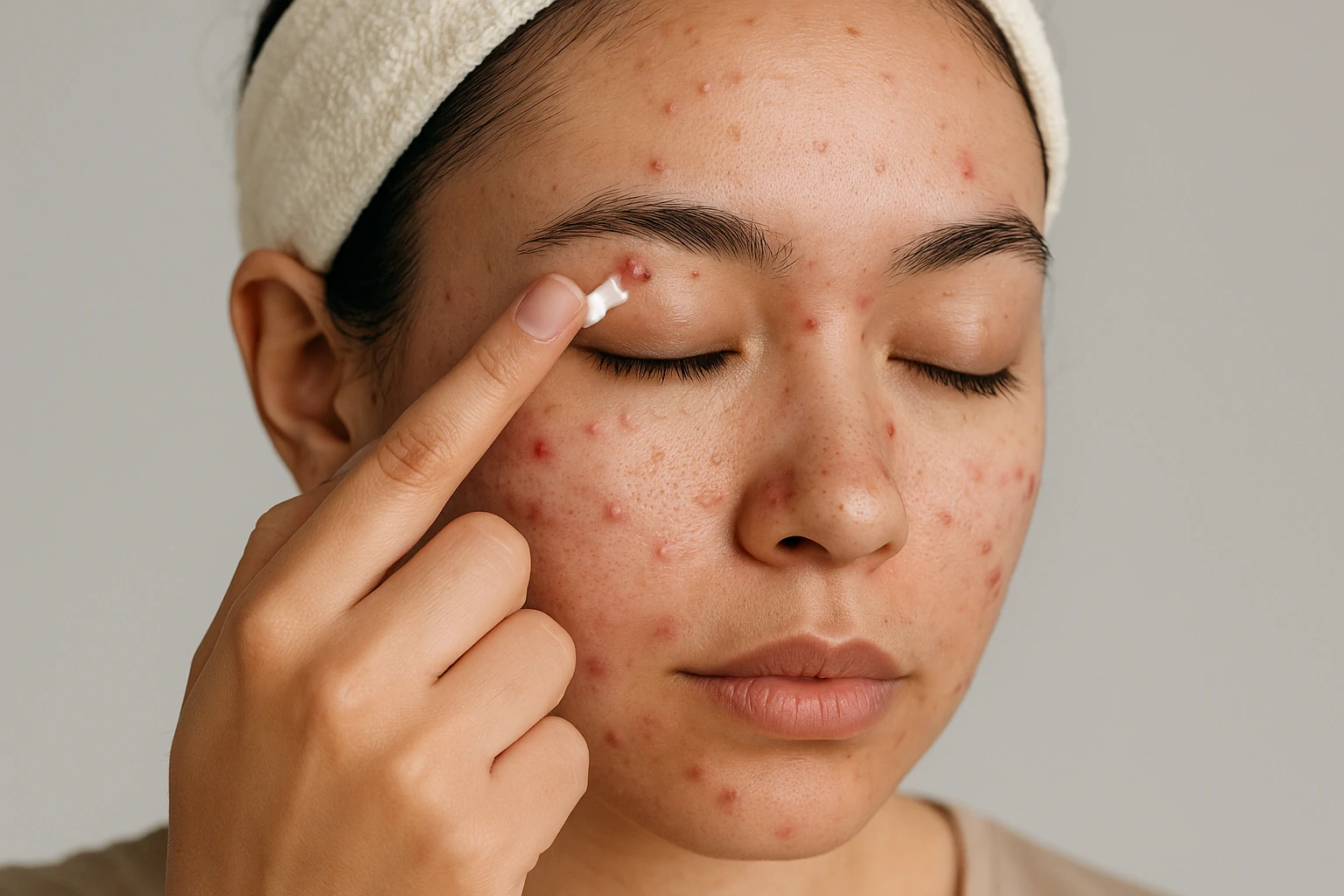
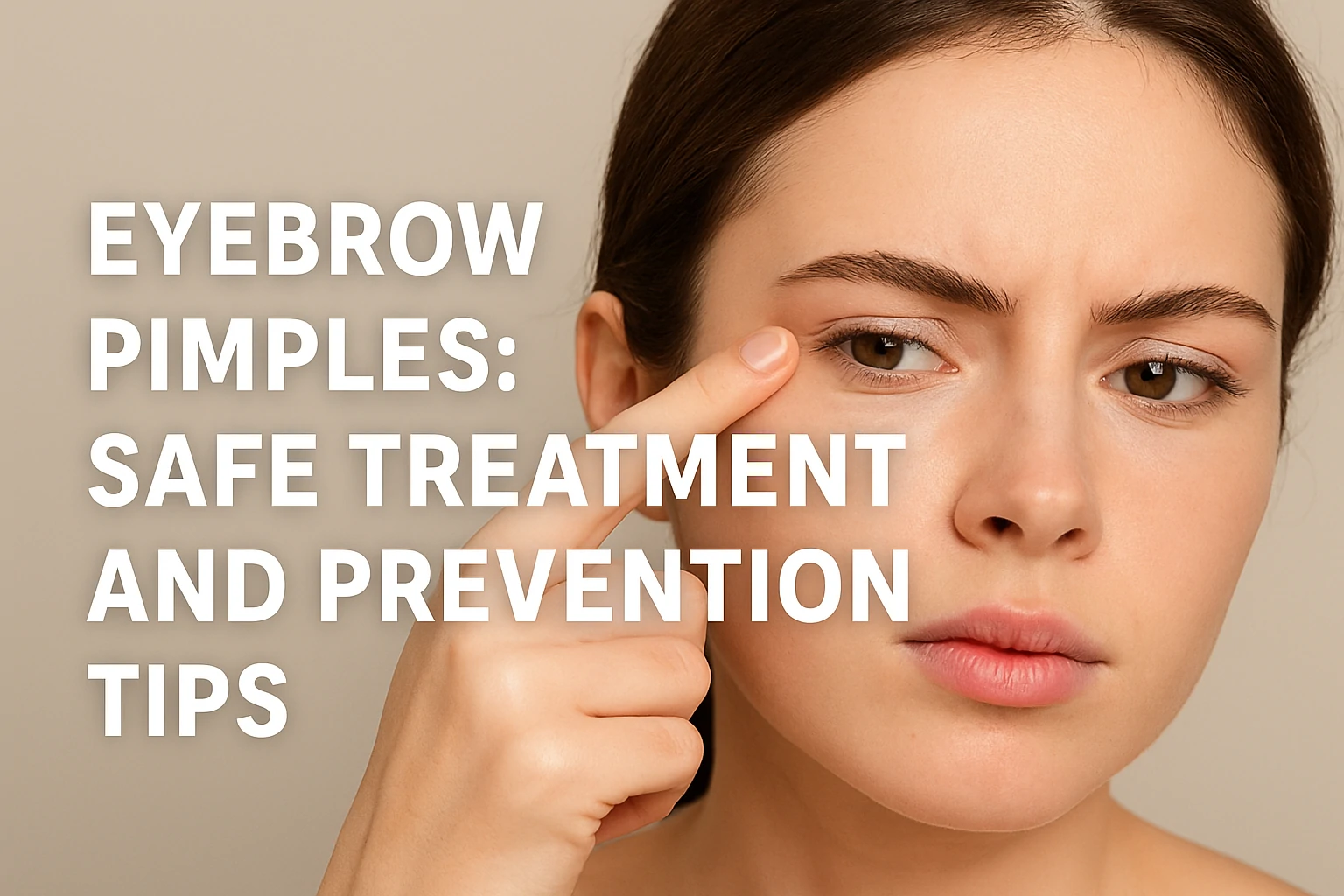
Acne between the eyebrows can be especially frustrating—it’s right in the center of your face and often hard to ignore. This area, part of the oily T-zone, contains many active oil glands that make it prone to clogged pores and inflammation. Even minor imbalances in skincare or internal factors can trigger breakouts here.[1Cleveland Clinic. What does it mean when acne is on certain areas of your face? Updated June 8, 2020.]
According to dermatologists, eyebrow acne can result from poor hygiene, unsuitable skincare, hormonal changes, or even stress. The good news? It’s manageable with the right approach.
Using non-comedogenic products, maintaining a clean skincare routine, and managing diet and stress levels are proven strategies. Gentle eyebrow grooming and consistent self-care can also make a big difference.
In this article, we’ll walk you through 7 simple yet effective tips to help reduce and prevent acne in the eyebrow area—without harsh methods or confusion. Keep reading to find what works for you.
Types of Acne That Commonly Appear Between the Eyebrows
The skin between your eyebrows is part of the T-zone, which is naturally more oily than other facial areas. This excess oil makes the region vulnerable to different types of acne:
- Pustules
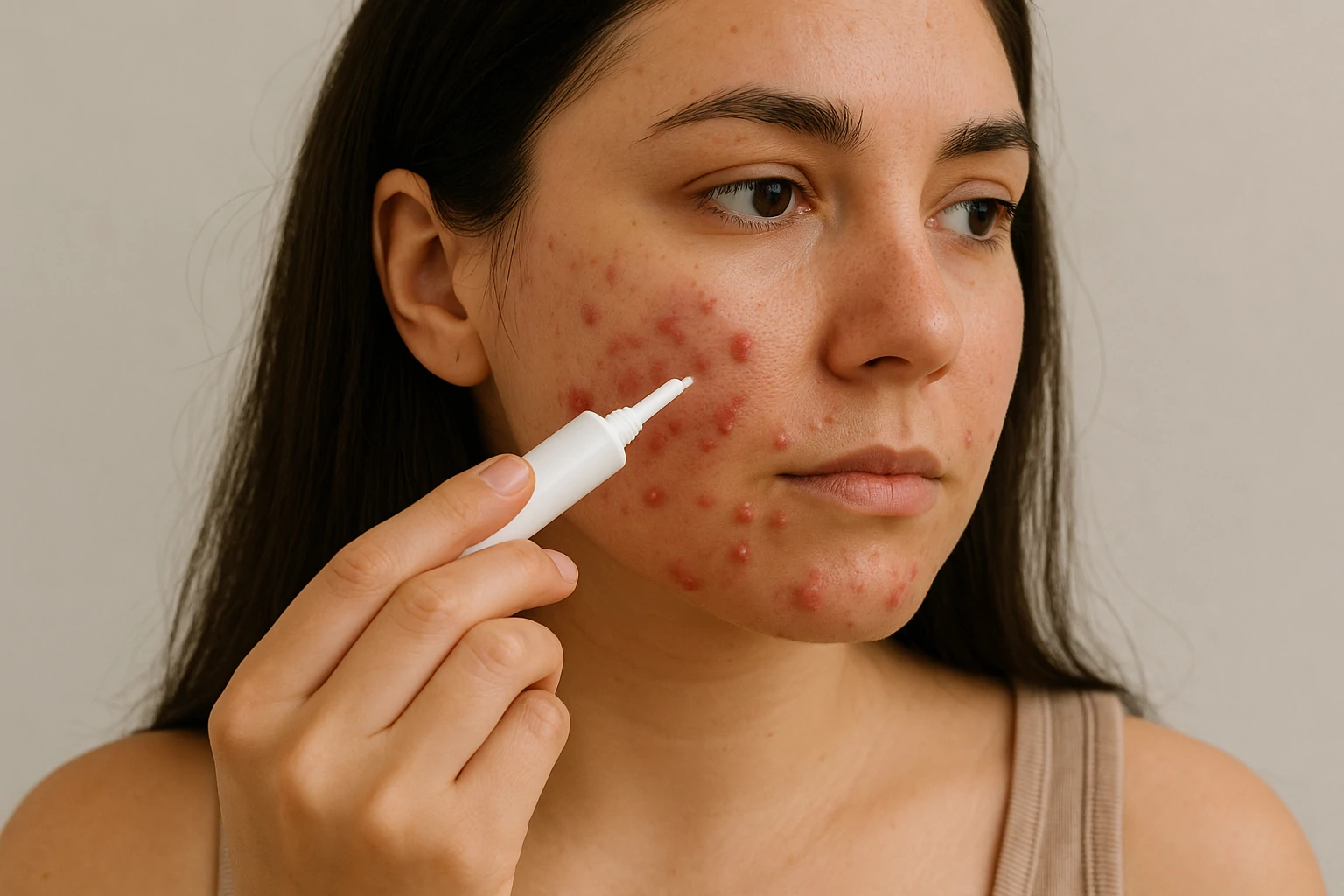
These red, swollen pimples contain pus and are often painful to the touch. Pustules are typically caused by trapped oil and bacteria. High sebum levels in the T-zone often contribute to their development. - Papules
Unlike pustules, papules are solid, inflamed bumps without pus. They usually result from clogged pores and can appear after eyebrow grooming methods like waxing or threading that irritate the skin. - Cystic Acne
This is the most severe form—deep, painful, and often long-lasting. Triggers include hormonal imbalance, pollution, comedogenic makeup, or ingrown hairs. Cystic acne requires targeted treatment, often with help from a dermatologist, as it can leave scars.
Knowing which type of acne you’re dealing with is key to choosing the right treatment plan.
Main Causes of Eyebrow Acne and How to Prevent It
Multiple triggers can lead to breakouts between the eyebrows. One of the main culprits is excess oil production, which clogs pores and leads to inflammation. According to dermatologists, this blockage can evolve into various acne types depending on your skin’s reaction.
Eyebrow grooming practices like waxing or tweezing may irritate the skin, leading to breakouts. Try gentler methods like sugaring, which is less abrasive and reduces inflammation risk. Still, always exfoliate with care before hair removal.
Diet also matters. Skim milk and dairy have been linked to acne, while omega-3-rich foods like salmon may improve skin health. Drinking more water and reducing sugar intake can also help.
Avoid touching or squeezing pimples—this often worsens inflammation and increases the risk of scarring. Use gentle, non-abrasive skincare products to soothe your skin, not aggravate it.
Lastly, hair hygiene is key. Dirty bangs or oily hair that touches your forehead can transfer bacteria to your brows. Wash your hair regularly, especially if you use styling products.
How to Treat Acne Between Your Eyebrows
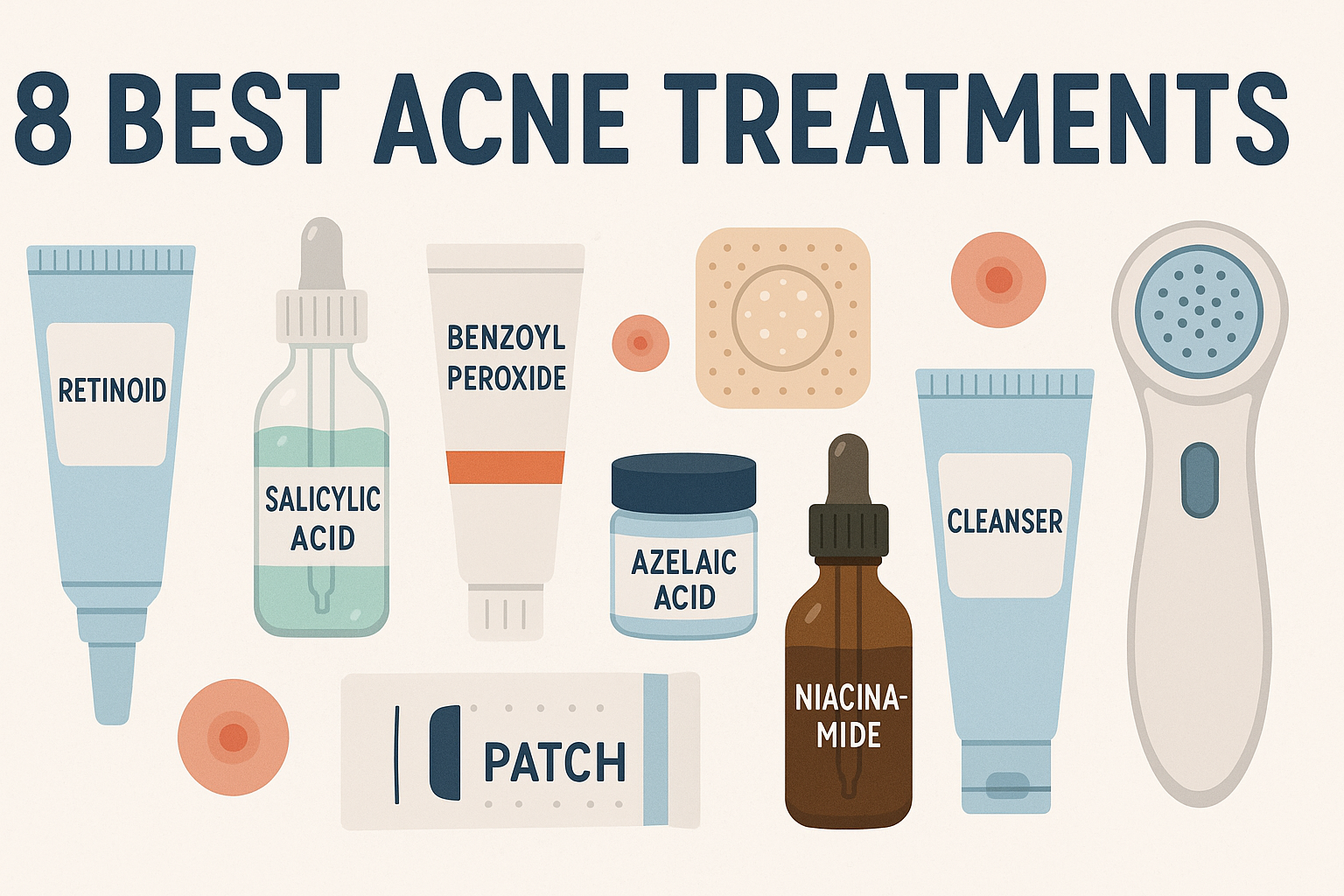
1. Start With a Retinoid for Clearer Skin
Retinoids, including over-the-counter retinol, are proven to treat mild to moderate acne by accelerating skin cell turnover and preventing clogged pores. They also help improve overall skin texture with regular use.[2Zasada M, Budzisz E. Retinoids: active molecules influencing skin structure formation in cosmetic and dermatological treatments. Postepy Dermatol Alergol. 2019;36(4):392-397. doi:10.5114/ada.2019.87443.]
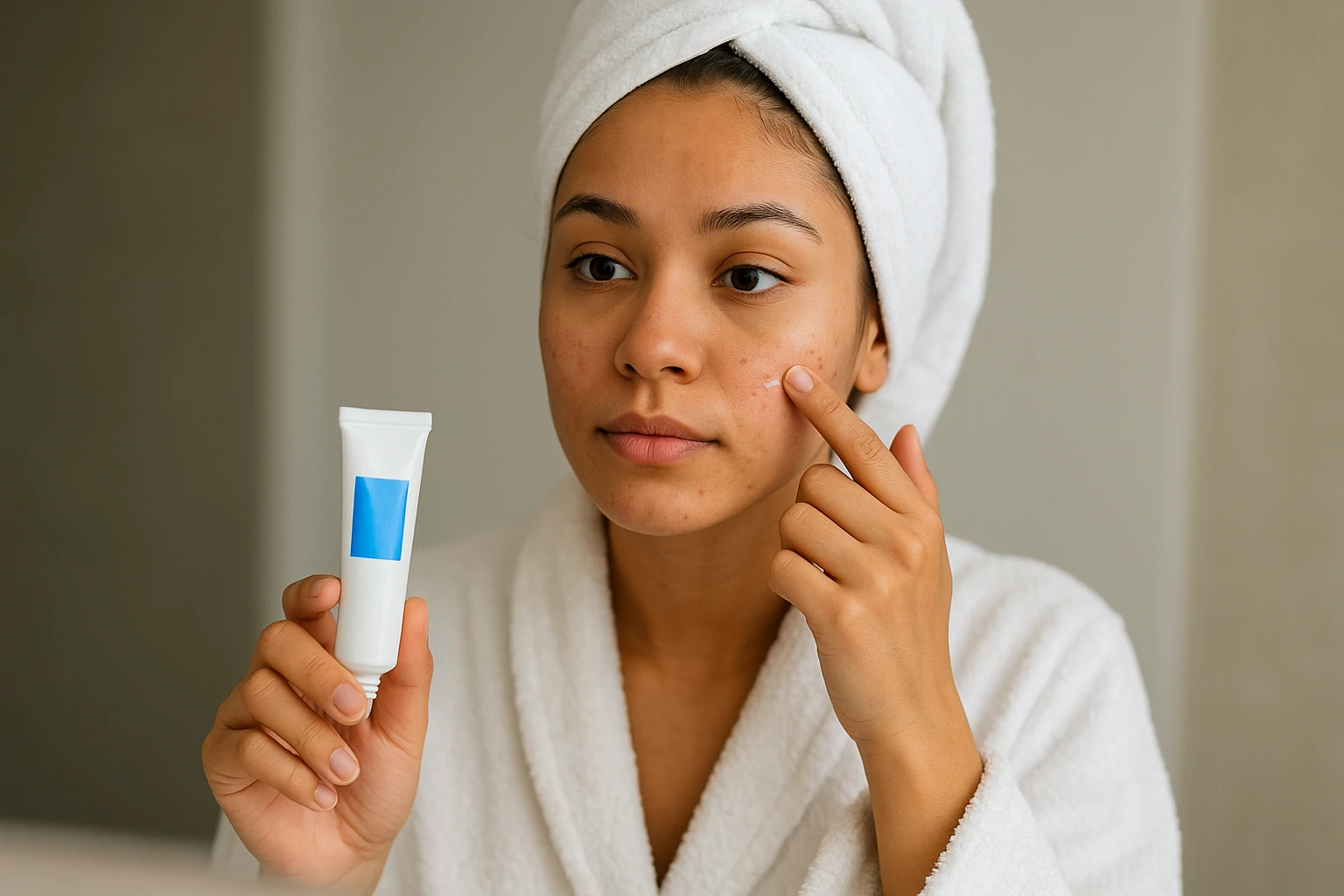
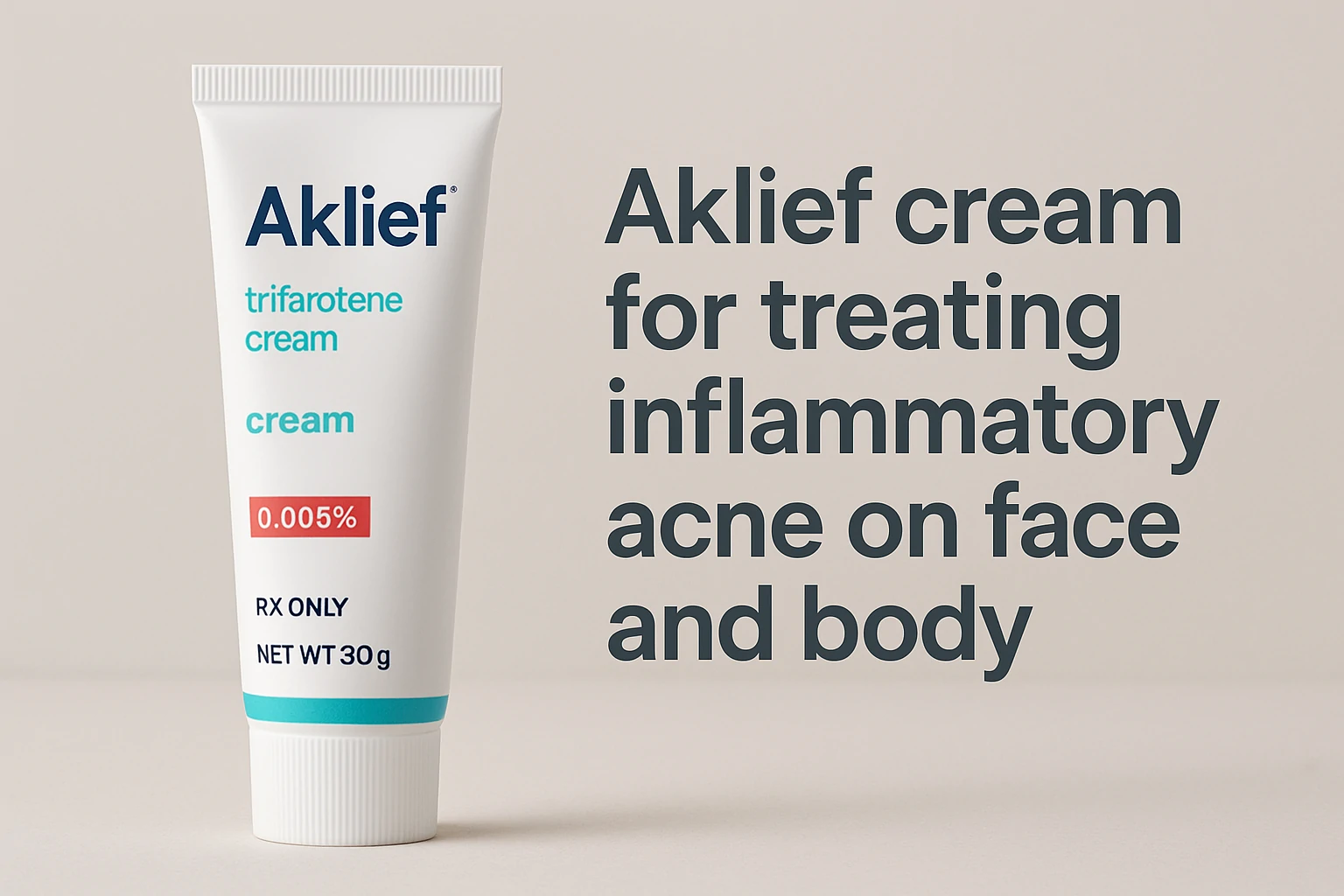
Dr. Shereene Idriss, a board-certified dermatologist, recommends starting with a low-strength retinoid to minimize irritation. Differin Gel (adapalene) is a popular beginner-friendly option, safe for once-daily use. However, for sensitive skin, start with 2–3 applications per week and increase gradually.
You may experience temporary dryness, peeling, or redness, but this usually subsides as your skin adjusts. Don’t mix retinoids with harsh exfoliants or acne spot treatments to avoid over-irritation.
If retinoids don’t show improvement after several weeks, consult a dermatologist about alternatives like benzoyl peroxide, salicylic acid, or prescription treatments based on your skin’s condition.
2. Try a Clarifying Clay Mask
Clarifying masks are excellent for drawing out excess oil, unclogging pores, and detoxifying the skin—especially in oily zones like between the eyebrows.
Look for masks containing kaolin or bentonite clay, both known for absorbing oil and impurities. These ingredients help reduce breakouts without over-drying. To prevent skin from feeling tight, choose a formula that also includes hydrating components like glycerin or aloe vera.
Recommended products include L’Oréal Pure Clay Mask and Kiehl’s Rare Earth Deep Pore Cleansing Mask—both frequently praised by skincare professionals.
Apply a clay mask 1–2 times per week, depending on your skin’s oiliness. Overuse can strip the skin’s natural barrier, so moderation is key. Always follow with a gentle moisturizer.
3. Use Benzoyl Peroxide to Kill Acne-Causing Bacteria
Benzoyl peroxide is a powerful acne-fighting ingredient that works deep in the pores to eliminate bacteria and speed up skin cell turnover. It also helps dry out existing pimples and reduce oil production, preventing future breakouts.[3Fox L, Csongradi C, Aucamp M, du Plessis J, Gerber M. Treatment modalities for acne. Molecules. 2016;21(8):1063. doi:10.3390/molecules21081063]
Because of its strength, it’s best used cautiously—especially if you have sensitive skin. Experts recommend starting with lower concentrations and always pairing it with a non-comedogenic moisturizer to prevent dryness or irritation.
One dermatologist-recommended option is the Neutrogena Clear Pore Cleanser/Mask, which can be used daily or as a weekly mask. Apply it only on affected areas and avoid mixing it with other strong actives like retinoids or exfoliants in the same routine.
If you’re new to benzoyl peroxide, use it 2–3 times a week before gradually increasing frequency. It’s an effective solution for inflamed acne between the eyebrows—just remember to protect and hydrate your skin along the way.
4. Detox Oily Skin with Activated Charcoal
Activated charcoal is a natural ingredient known for drawing out impurities, absorbing excess oil, and helping to minimize the appearance of pores. While not as aggressive as retinoids or benzoyl peroxide, it’s gentler and great for regular use—especially if you have sensitive or combination skin.
Charcoal masks are ideal for targeting oily zones like between the eyebrows. One top-rated option among estheticians is the Eminence Balancing Masque Duo, which combines a purifying formula for the T-zone with a hydrating one for drier areas like the cheeks.
Use a charcoal mask 1–2 times a week to help keep pores clean and reduce the risk of breakouts. Don’t overuse, as it can lead to dryness or irritation, especially if your skin is already using active acne treatments.
Charcoal offers a mild, balanced way to manage oily skin and can be a great addition to a gentle yet effective acne care routine.
5. Wash Your Face Regularly to Keep Pores Clear
Washing your face might seem basic, but it’s a crucial part of preventing acne—especially between your eyebrows. Cleansing twice a day, in the morning and before bed, helps remove dirt, oil, and makeup that can clog pores and trigger breakouts.
Dermatologists recommend using a gentle, non-comedogenic cleanser that matches your skin type. For oily or acne-prone skin, gel-based cleansers or those with salicylic acid are ideal for managing sebum without stripping the skin.
Avoid harsh soaps or scrubbing aggressively, which can damage your skin barrier and cause more irritation. Instead, massage the cleanser in with clean hands for about 30 seconds, then rinse with lukewarm water.
Cleansing properly creates a clean base for the rest of your skincare products to work more effectively—and it’s one of the simplest steps you can take to keep your skin clear.
6. Dry Out Pimples Naturally with Sulfur
Sulfur is a gentle yet effective acne treatment that works by removing dead skin cells, absorbing excess oil, and helping pimples dry out without causing harsh irritation. It’s especially useful for inflamed or sensitive areas like between the eyebrows.
Compared to more aggressive actives like benzoyl peroxide, sulfur is better tolerated by sensitive skin types. It also has mild antibacterial properties, making it a great option for reducing acne-causing bacteria.
Many dermatologists recommend sulfur-based spot treatments, such as the Derma E Sulfur Spot Treatment, for targeting active breakouts. You can also find sulfur in clay masks designed for oily zones.
Apply it only on affected areas, and always follow the product’s instructions to avoid dryness or flaking. With regular, controlled use, sulfur can significantly reduce the size and redness of eyebrow pimples without damaging the skin barrier.
7. Treat Acne with Tea Tree Oil
Tea tree oil is a natural essential oil known for its antibacterial and anti-inflammatory effects. It’s a popular spot treatment for mild to moderate acne, including pimples between the eyebrows that may be triggered by dirt, sweat, or leftover makeup.
According to skincare experts, tea tree oil targets acne-causing bacteria while reducing redness and swelling. Unlike many harsher treatments, it doesn’t dry out the skin as long as it’s used properly.
Apply a drop directly onto clean skin over the blemish and let it sit for a few hours. For a gentler approach, dilute it in a toner, mist, or moisturizer. Products with 5% tea tree oil concentration are typically effective yet safe for most skin types.
Always patch-test before using, especially if your skin is reactive. When used regularly, tea tree oil can help calm active breakouts and support a clearer complexion—naturally.
Daily Skincare Routine to Prevent T-Zone Acne
The T-zone—covering your forehead, nose, and chin—is naturally oilier than other parts of the face. Because of this, it’s more prone to clogged pores and breakouts, including acne between the eyebrows. A simple, consistent skincare routine is key to keeping oil in balance and breakouts at bay.
Morning Routine:
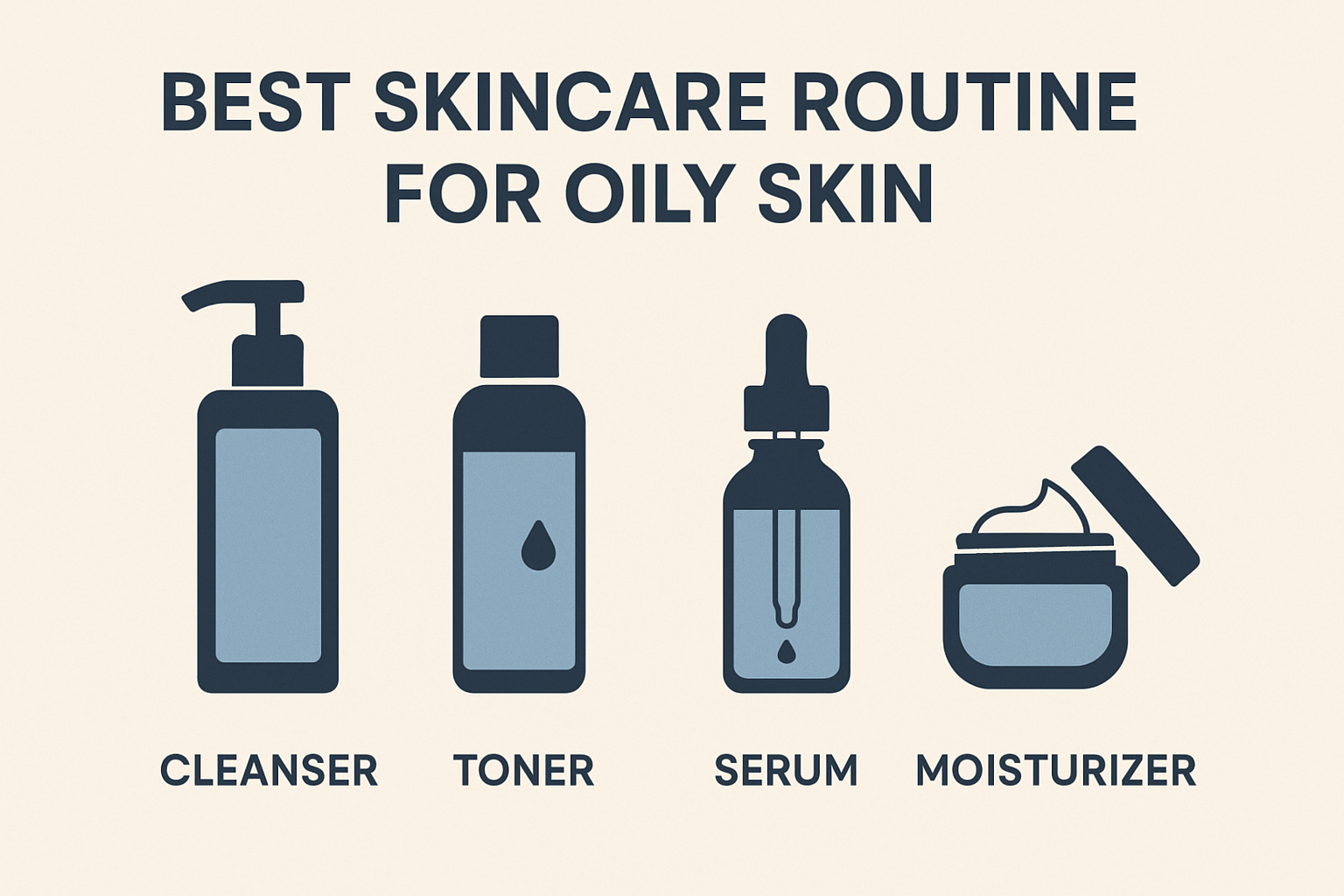
- Start with a gentle cleanser to remove oil and sweat.
- Use an alcohol-free toner to refresh and balance your skin’s pH.
- Apply a lightweight, non-comedogenic moisturizer to maintain hydration.
- Finish with broad-spectrum sunscreen (SPF 30 or higher) to protect your skin from UV damage.
Evening Routine:
- Double-cleanse to remove makeup and pollutants.
- Exfoliate 2–3 times a week with a mild BHA like salicylic acid.
- Apply treatment products such as retinoids or benzoyl peroxide based on your skin’s needs.
- Lock in moisture with a calming, non-clogging moisturizer.
According to dermatologists, a consistent routine not only prevents acne but also improves skin texture and long-term health—without the need for overly complicated steps.
Safe Non-Comedogenic Products for the Eyebrow Area
The skin around your eyebrows is often overlooked in skincare, but it’s just as prone to clogged pores—especially if you use heavy makeup or grooming products. To avoid acne flare-ups in this area, opt for non-comedogenic formulas that won’t block pores.
- Eyebrow Products:
Choose lightweight, water-based eyebrow pencils, gels, or pomades labeled “non-comedogenic.” Products like NYX Micro Brow Pencil and Glossier Boy Brow are popular for being gentle on breakout-prone skin. - Sunscreen and Primers:
Use oil-free options like La Roche-Posay Anthelios Clear Skin SPF 60 or EltaMD UV Clear, both of which protect sensitive skin without leaving a greasy film. - Cleansers:
A mild cleanser is essential for thoroughly removing leftover makeup and skincare products from around the brows, preventing buildup that could lead to acne.
Dermatologists emphasize that clean skin and product choice go hand-in-hand. With the right formulas, you can enhance your brows without irritating the skin underneath.
ARTICLE SOURCES
You might also like
 Acne
Acne Anti-Aging
 Business
 Digital Marketing
 Economics
 Exfoliation
 Hair Removal
 Movies
 Personal Finance
 Websites