Hairline Acne: Causes and Best Treatments That Work
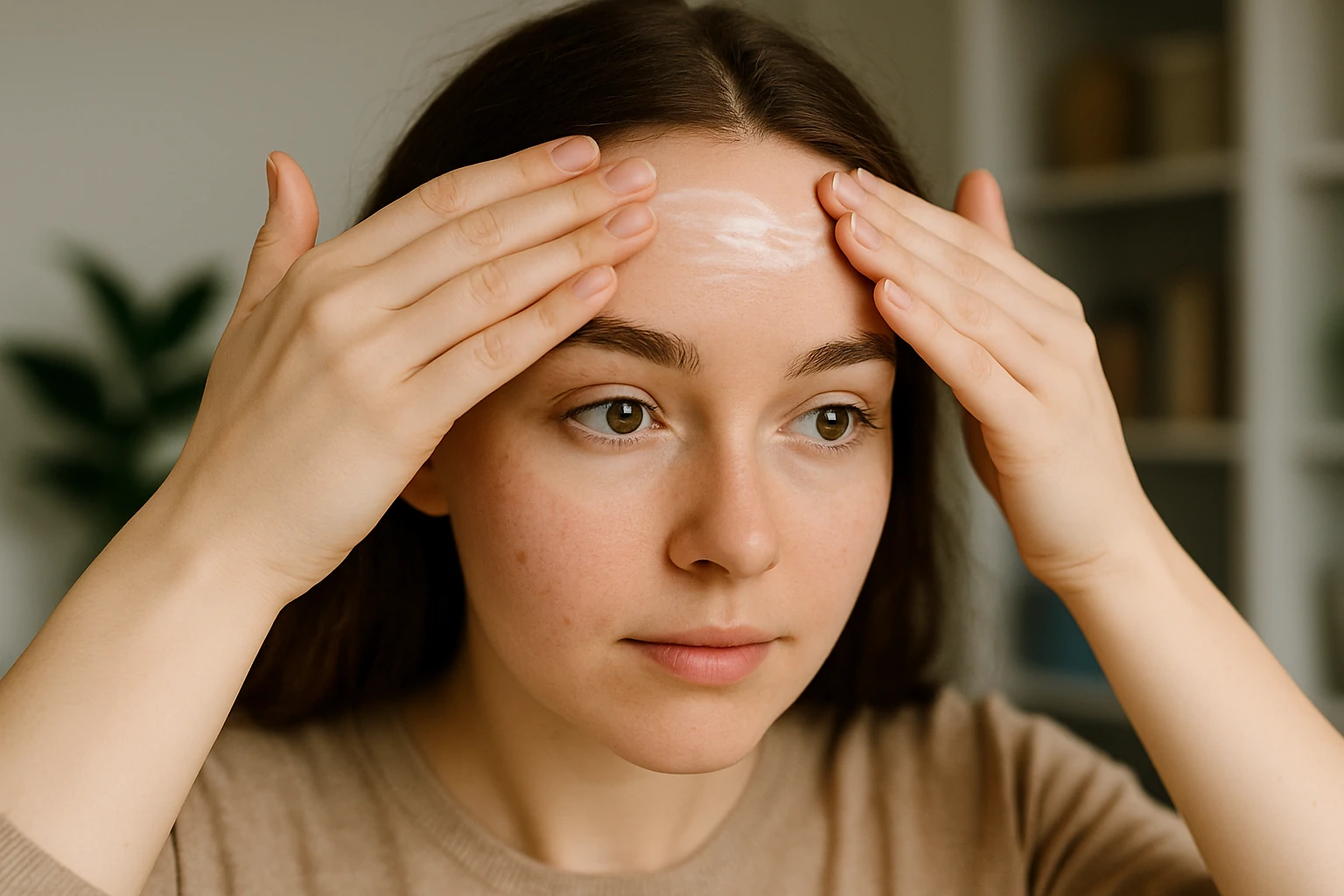
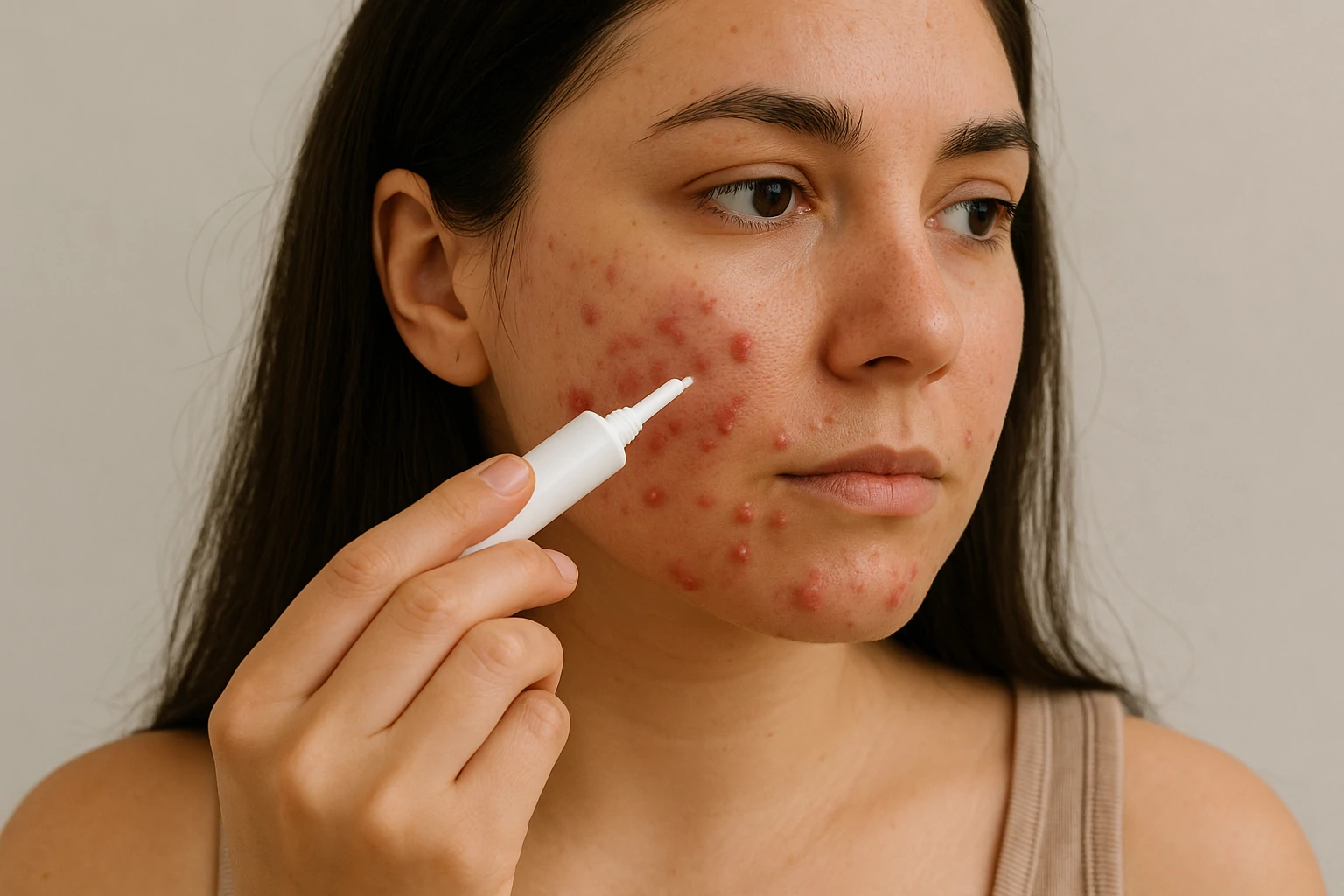
Hairline acne refers to breakouts that occur along the edge where the forehead meets the scalp. Though often overlooked, this area is prone to clogged pores due to sweat, oil, and residue from hair products.
According to Dr. Marisa Garshick, a board-certified dermatologist, build-up from styling products and poor scalp hygiene are major triggers. Using oily pomades or heavy conditioners can worsen the situation, especially if not cleansed properly.
This type of acne can be painful and frustrating, especially because it’s easy to miss during your skincare routine. Fortunately, it’s treatable with the right care.
In this article, we’ll break down the most common causes of hairline acne, how to prevent it, and dermatologist-approved treatments that actually work.
Types of Hairline Acne You Should Know
Different types of acne can appear along the hairline, but some forms are more common in this area due to its unique environment.
Inflammatory papules are small red bumps that may feel tender. Dermatologists report these as the most frequent type around the scalp area. You may also see whiteheads, blackheads, or pustules with pus. In more severe cases, cystic acne may develop—painful, deep lesions that require medical treatment.
There’s also fungal acne (Pityrosporum folliculitis), often confused with bacterial acne. It’s caused by yeast overgrowth and usually appears as uniform bumps along the hairline, forehead, or neck. Dr. Whitney Bowe warns that oil-based hair products—like coconut oil—can feed this fungus. Unlike typical acne, fungal breakouts don’t respond to benzoyl peroxide and need antifungal treatment.
Main Causes and Smart Prevention of Hairline Acne
Hairline acne is often linked to blocked pores due to excess oil, product build-up, and sweat. However, deeper lifestyle and hygiene factors are frequently involved.
Hair products like pomades, butters, or oils can clog pores—this is known as pomade acne. Ingredients like marula oil or flaxseed oil may worsen breakouts. Silicones, though debated, can trap dirt beneath the skin surface.
Head accessories like helmets, caps, or bandanas, especially if rarely cleaned, can cause friction and trap sweat, leading to inflammation.
Scalp hygiene also matters. Infrequent shampooing or skipping the hairline can allow bacteria and fungi to thrive. Use a gentle cleanser and wash thoroughly, especially after workouts.
Lifestyle choices like high sugar or dairy intake, poor sleep, and dehydration can also contribute. Boost skin balance from within by eating well and staying hydrated.
How to Treat Hairline Acne That Keeps Coming Back
The first step is identifying what’s triggering your breakouts. Is it your pomade? A dirty hat? Or is it a buildup of sweat post-gym?
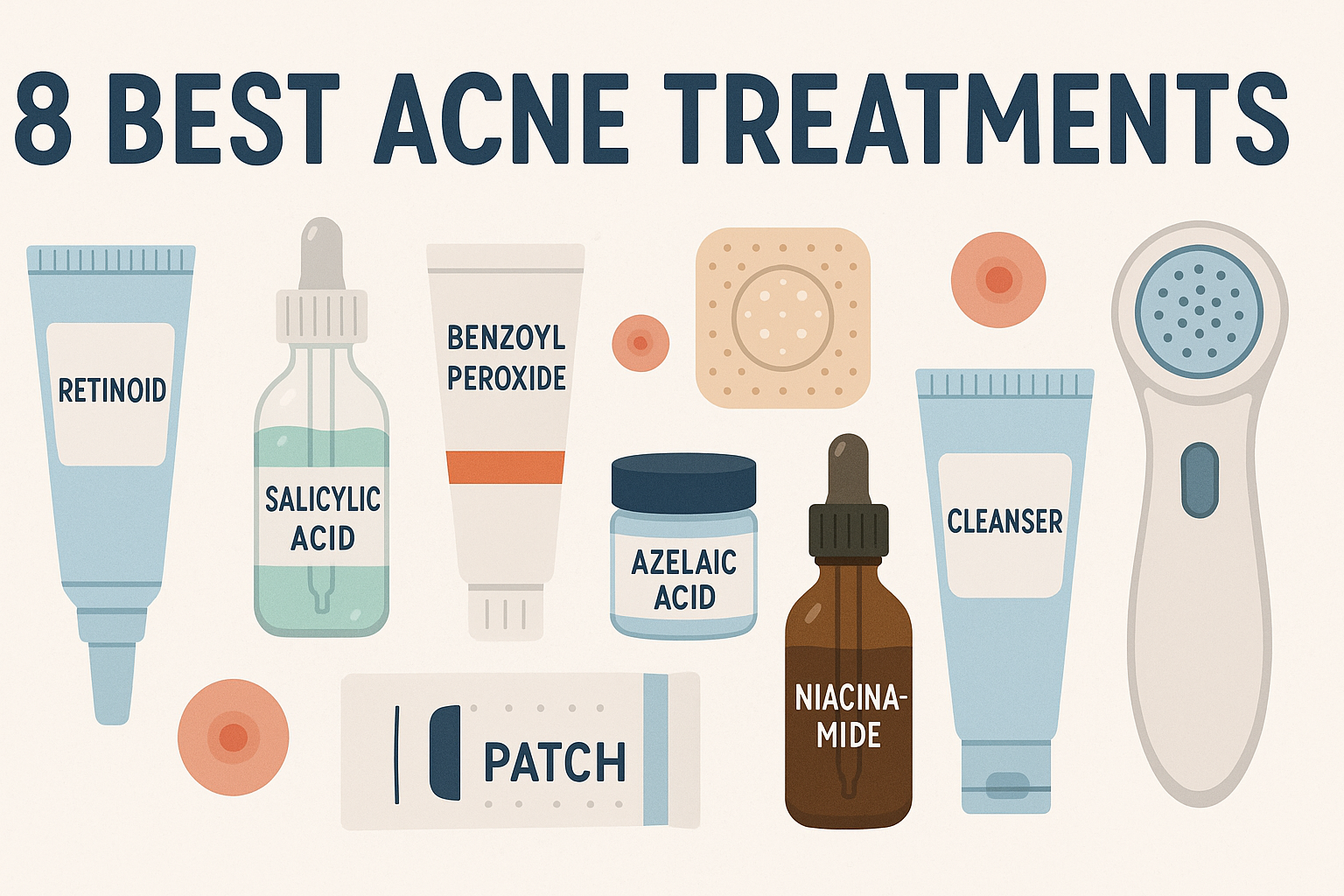
Start by switching to non-comedogenic products and wash your hair more frequently, especially after applying styling items. Salicylic acid cleansers help unclog pores, while benzoyl peroxide targets acne-causing bacteria.
For fungal acne, over-the-counter antifungal shampoos like those containing ketoconazole or zinc pyrithione are more effective than standard acne treatments.
If acne persists or worsens, consult a dermatologist. Prescription-strength treatments, such as topical retinoids or oral medications, may be necessary for long-term relief.
1. Know What’s Causing Your Breakouts
Everyone’s skin is different. What causes acne for one person may not for another.
Dr. Sandra Lee (aka Dr. Pimple Popper) emphasizes identifying personal triggers—whether it’s oily hair products or friction from a favorite cap. Once you know the cause, you can tailor your routine for better results.
Tracking your breakouts and adjusting your hair and skincare routine accordingly can significantly reduce flare-ups and improve skin health in the long run.
2. Stick to a Consistent Skincare Routine
A steady routine is key to preventing clogged pores and managing inflammation. Use non-comedogenic products and avoid switching routines too often.
Dermatologists recommend gentle, targeted ingredients like salicylic acid, witch hazel, prebiotics, and plant-based extracts such as sage or calendula. These support gentle exfoliation and barrier repair without over-drying your skin.
Staying consistent helps your skin adjust and regenerate naturally—especially around sensitive zones like the hairline.
3. Don’t Skip Shampoo Days
Washing your hair regularly is essential—especially if you use hair products like gel, pomade, or leave-in treatments.
According to skincare experts, these products can accumulate at the roots and lead to acne if not properly removed. Use a clarifying shampoo once or twice a week to eliminate buildup.
Highly recommended: Living Proof Perfect Hair Day Triple Detox Shampoo. It’s strong enough to cleanse deeply, yet gentle enough to use without drying your scalp or hair.
4. Choose Antibacterial and Antifungal Products
For acne-prone scalps, look for shampoos and cleansers with antibacterial or antifungal ingredients.
Dermatologist Dr. Michele Green suggests ingredients like tea tree oil, sulfur, and zinc pyrithione to prevent bacterial or fungal overgrowth. These are commonly found in dandruff shampoos and acne cleansers, offering dual-action cleansing for both skin and scalp.
Using these products 2–3 times a week can make a noticeable difference in reducing breakouts and keeping your hairline clear.
5. Cleanse Your Scalp Between Washes
If you can’t wash your hair every day, dry shampoo can help absorb excess oil—but it’s not without drawbacks. Dermatologists warn that dry shampoos often leave behind residue that clogs pores, especially around the hairline.
To keep your scalp fresh between washes, gently massage it with cool water to loosen dirt and sweat. This simple habit supports scalp hygiene without the need for daily shampooing.
Another smart option is using antimicrobial sprays that are safe for scalp use. A recommended product is Visha Skincare Cheek2Feet Spray, which contains witch hazel, tea tree oil, and thyme oil. It’s gentle, multi-purpose, and can be used on the scalp, face, or body—plus, it works as a natural deodorant.
Keeping your scalp clean between wash days can make a noticeable difference in reducing clogged pores and preventing hairline acne flare-ups.
Can Hairstyles Trigger Hairline Acne?
Yes—your hairstyle can actually impact your skin. Bangs or hair that rests on the forehead can trap sweat, oil, and styling products, leading to clogged pores along the hairline.
According to dermatologists, tight hairstyles like ponytails or braids may create friction or pressure on the scalp, irritating the hair follicles. Constantly touching or adjusting your hair can also transfer dirt and oils from your hands to your skin.
If you’re struggling with breakouts near the scalp, consider styling your hair away from your forehead. Also, choose hair products that are non-comedogenic and avoid applying them too close to the hairline.
Your hairstyle may seem harmless, but adjusting it slightly can significantly reduce hairline acne—especially when paired with a good skincare routine.
Makeup and Skincare Tips Near the Hairline
Makeup residue is a common—but overlooked—cause of breakouts along the hairline. Foundations, primers, or sunscreens can build up and clog pores, especially if not removed properly.
To prevent hairline acne:
- Use non-comedogenic and oil-free products
- Don’t apply makeup too close to the hairline unless necessary
- Always clean your brushes and sponges regularly
- Double-cleanse if you wear heavy makeup or sunscreen daily
When applying skincare products, go gently around the forehead and temples. Light formulas with salicylic acid or calming plant extracts are ideal.
Dermatologists agree: keeping your makeup and skincare clean—not just the products, but the tools and techniques too—is crucial to maintaining clear skin around the hairline.
Best Non-Comedogenic Products for Hairline Acne
Using non-comedogenic products is essential when managing acne-prone skin near the scalp. These products are specially formulated to avoid clogging pores, making them ideal for preventing hairline acne.
Here are dermatologist-approved picks:
- CeraVe Foaming Facial Cleanser – with niacinamide, great for oily or combination skin
- Neutrogena Oil-Free Acne Wash – contains salicylic acid to clear pores
- Living Proof Triple Detox Shampoo – clarifying yet gentle for sensitive scalps
- La Roche-Posay Effaclar Duo+ – lightweight spot treatment that fights acne without irritation
The key is to choose products with gentle, active ingredients that target bacteria, excess oil, and buildup—without stripping or over-drying your skin.
A clean, balanced routine with the right formulas can prevent new breakouts while calming the ones you already have.
Final Thoughts
Hairline acne may seem minor, but it can be frustrating if left untreated. The causes are often a mix of hair products, scalp hygiene, hairstyles, and makeup habits.
The good news? It’s highly preventable. Identify your personal triggers, stick to a clean and consistent routine, and prioritize non-comedogenic products.
Whether it’s your shampoo, your ponytail, or the way you apply sunscreen—small adjustments can make a big difference. And if you’ve tried it all and still get breakouts, don’t hesitate to see a dermatologist.
Healthy skin starts with daily habits. Treat your scalp like part of your skincare routine—it deserves just as much care.
You might also like

 Acne
Acne Anti-Aging
 Business
 Digital Marketing
 Economics
 Exfoliation
 Hair Removal
 Movies
 Personal Finance
 Websites