How to Get Rid of Neck Acne Fast, per Dermatologists
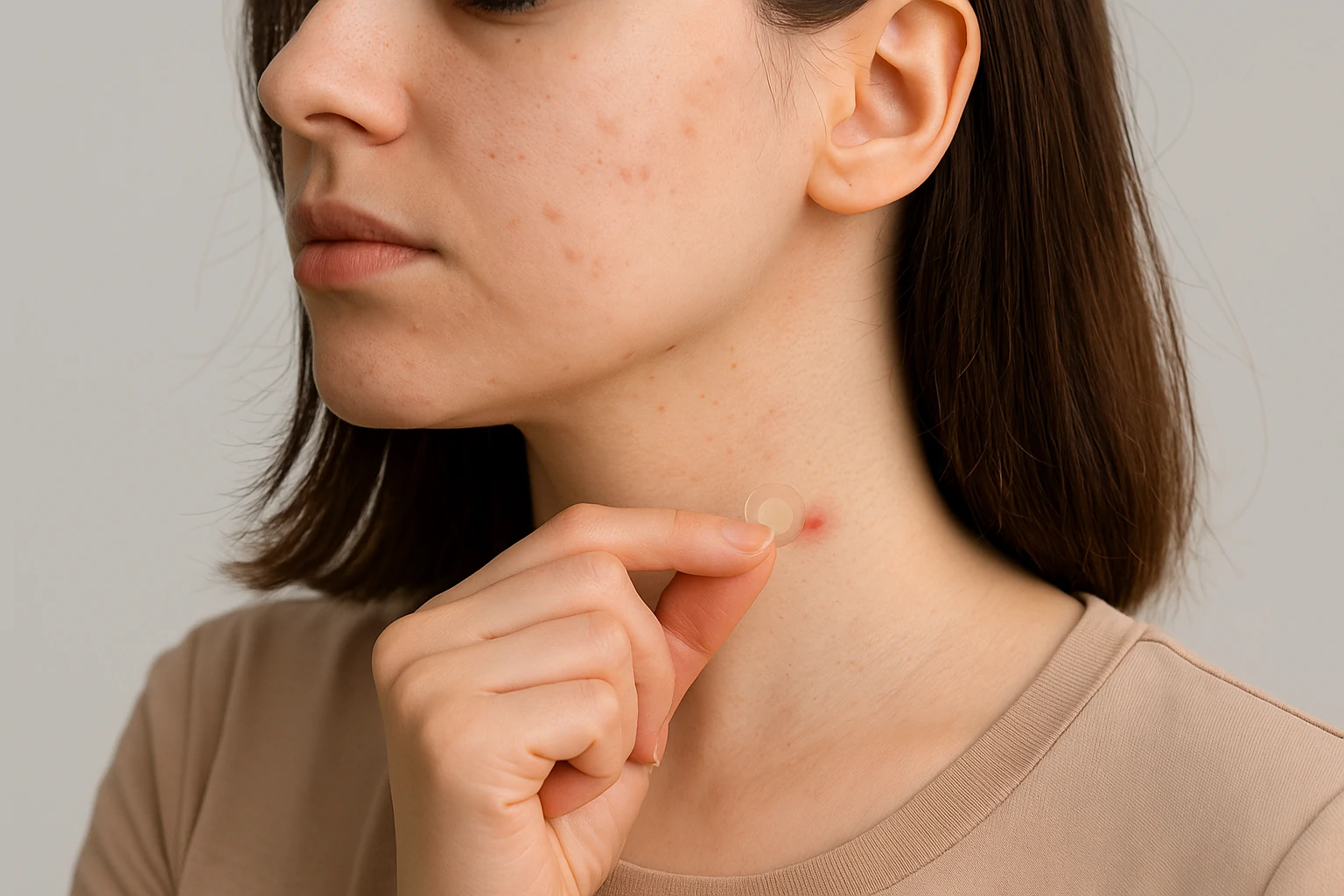
Neck acne can be just as frustrating as facial breakouts—sometimes even more so. It’s often painful, visible, and can lower your confidence. While scarves and high collars might hide it temporarily, the real solution lies in targeted care.
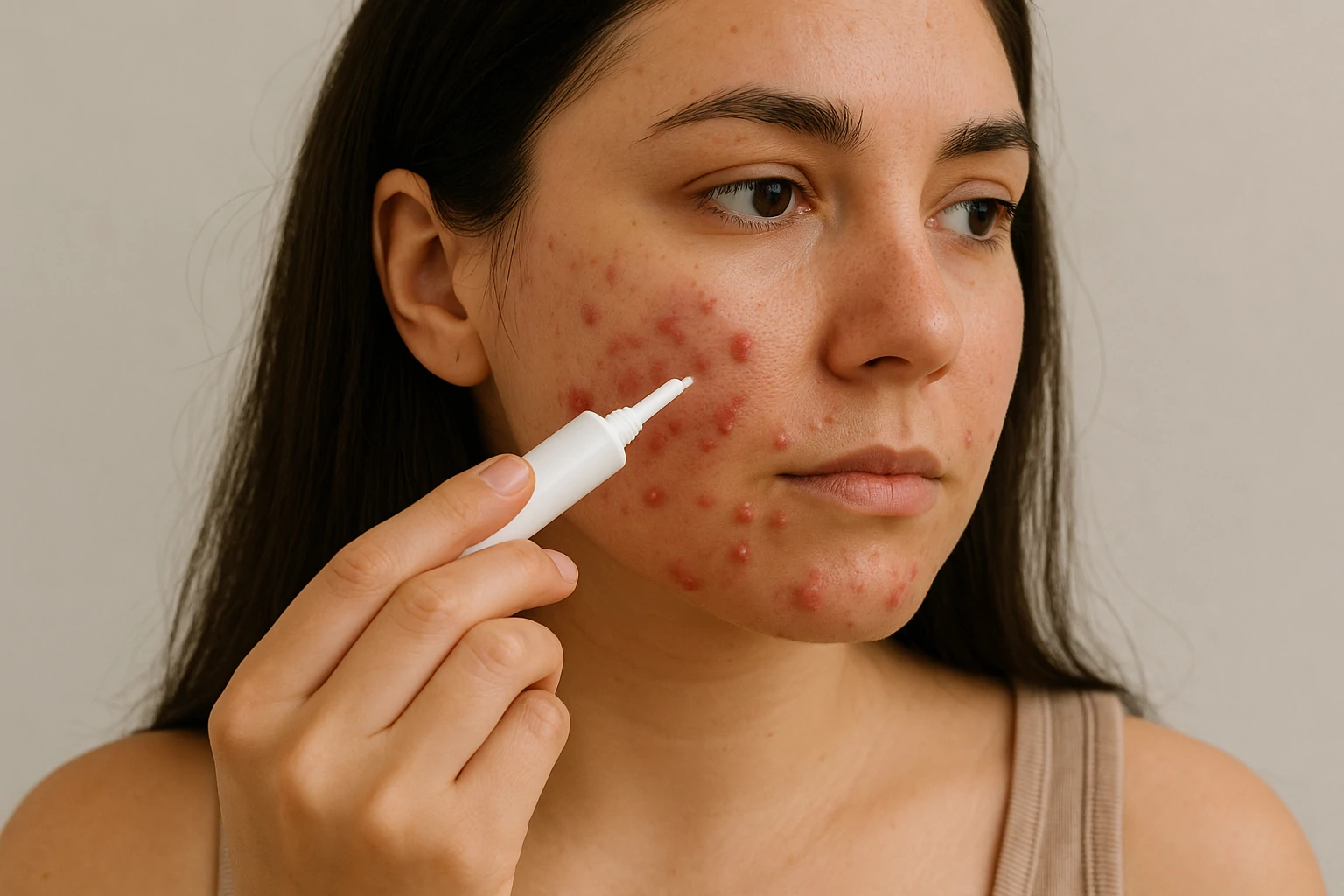
Dermatologists explain that acne can appear anywhere hair follicles exist, including the neck. Though the follicles are fewer here than on the face, clogged pores can still cause inflammation. Factors like hormonal shifts, friction from clothing, excessive sweat, or oil buildup are common triggers.
The good news? Neck acne is treatable with the right approach. This article breaks down the common types of breakouts that occur in this area and shares expert-backed tips to clear them fast. Whether you’re new to skincare or just starting to take your routine seriously, you’ll find practical guidance here. Ready to uncover clearer skin and regain your confidence? Let’s dive in.
Common Types of Neck Acne
Knowing what kind of acne you’re dealing with is key to treating it effectively. Different types of neck acne respond to different treatments—so understanding the cause is step one.
Here are four common types:
- Pustules: These are inflamed, red pimples with white or yellow pus at the center. Painful and visible, they’re often considered “ready-to-pop” acne.
- Papules: Small, solid bumps without pus. They often form in clusters along the jawline and neck and feel tender when touched.
- Nodules: These deep, hard, painful lumps form under the skin and require professional treatment due to their severity.
- Hormonal cystic acne: These painful, under-the-skin breakouts are triggered by hormonal changes and often appear during menstrual cycles.
Understanding these acne types helps you choose the right products or when to consult a dermatologist for stronger solutions.
What Causes Neck Acne and How to Prevent It
Neck acne often stems from a mix of factors. Identifying the root cause is crucial for preventing future breakouts and choosing the right treatments.
- Excess oil production: Overactive sebaceous glands clog pores. In men, beard areas are often affected; in women, hormonal hair growth may irritate follicles.
- Pore-clogging products: Even “non-comedogenic” makeup, sunscreen, or sweat can build up and block pores—especially on sensitive skin. Stick to fragrance-free, oil-free formulas.
- Poor cleansing habits: Not cleaning your neck thoroughly, especially after workouts or applying products, can trap dirt and bacteria.
- Overuse of actives: Too much exfoliation or harsh ingredients can weaken your skin barrier, worsening acne.
- Stress: Emotional stress increases sebum production and slows skin healing, making breakouts more likely.[1Zari S, Alrahmani D. The association between stress and acne among female medical students in Jeddah, Saudi Arabia. Clin Cosmet Investig Dermatol. 2017;10:503-506. doi:10.2147/CCID.S148499.]
By addressing these triggers, you’ll reduce flare-ups and build a healthier skincare routine.
How to Treat Neck Acne Effectively
1. Use Targeted Acne Skincare on the Neck
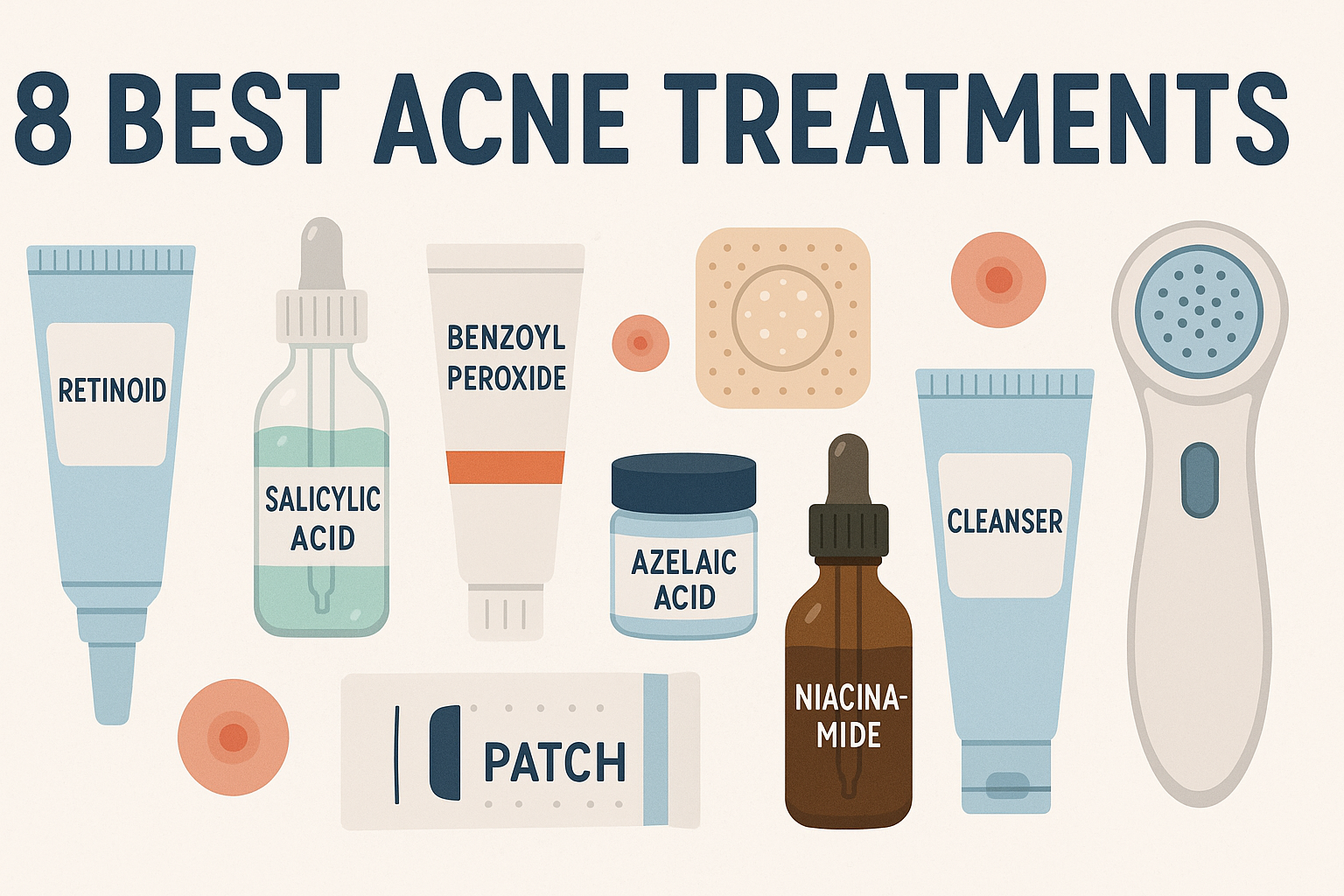
Just like your face, your neck deserves a dedicated acne routine. Experts recommend using proven ingredients such as salicylic acid, benzoyl peroxide, and sulfur to manage breakouts in this area.
Benzoyl peroxide fights acne-causing bacteria and clears excess oil and dead skin cells from pores. Salicylic acid, a beta-hydroxy acid, penetrates deep to unclog pores and gently exfoliate from within.
Dermatologist-recommended products like Murad Acne Control Clarifying Cleanser and Paula’s Choice CLEAR Daily Treatment blend these ingredients for effective results. Apply them consistently to the neck to dry out active breakouts and prevent new ones from forming.
Remember: treating neck acne isn’t just about spot-treating. Consistency and the right actives are key to long-term clarity.
2. Moisturize with Non-Comedogenic Products to Support Healing
Using acne treatments without moisturizing can lead to dryness and irritation—especially in delicate areas like the neck. A balanced routine requires hydration to support skin barrier repair and prevent new breakouts.
Dermatologists emphasize choosing a lightweight, oil-free moisturizer that won’t clog pores. Look for labels like “non-comedogenic” and “fragrance-free” to reduce the risk of sensitivity.
One expert-recommended option is Kate Somerville Oil-Free Moisturizer—gentle enough for sensitive skin yet effective in maintaining hydration.
Keeping your neck moisturized helps your skin tolerate acne-fighting ingredients better, accelerates healing, and prevents the overproduction of oil—a common acne trigger.
3. Wash Clothes Regularly to Prevent Breakouts
Your neck comes into constant contact with clothing, so fabric hygiene matters. Wearing dirty shirts or synthetic fabrics like polyester can trap sweat, cause friction, and block pores—leading to neck acne.
If you exercise often, opt for moisture-wicking clothes that dry quickly to reduce sweat buildup around the neck area.
Dermatologists also warn about detergent residue on clothes. Fragrance-free, dye-free detergents are best, especially for sensitive skin.
It’s not just clothes—items like pillowcases, sheets, and even your phone screen can harbor bacteria and oil. To reduce exposure, wash pillowcases every 3–7 days.
Small changes in laundry habits can significantly improve your skin’s condition and reduce breakouts.
4. Try LED Light Therapy for Neck Acne
LED light therapy is a non-invasive treatment gaining popularity for acne, including on the neck. Dermatologists explain that LED lights penetrate the skin to kill acne-causing bacteria and reduce inflammation—without harming healthy tissue.
Blue light targets bacteria, while red light calms the skin and promotes healing.
At-home LED devices like CurrentBody’s LED Neck & Dec Perfector are now widely available. Designed specifically for neck and chest areas, these tools offer clinical-level benefits when used consistently.
For beginners, this method is a painless and effective add-on to your skincare routine, especially if breakouts are persistent.
5. Consider Laser Hair Removal for Ingrown-Related Breakouts
Recurring acne on the back of your neck may be caused by ingrown hairs or folliculitis, often mistaken for acne. These inflamed bumps can worsen with shaving or poor hygiene.
According to dermatologists, laser hair removal is an effective long-term solution. It not only removes hair but also reduces inflammation, prevents infection, and keeps pores clearer.
This treatment is especially helpful for acne keloidalis nuchae, a severe form of follicular acne on the scalp and neck. A 2012 study found laser therapy significantly improved symptoms in affected individuals.[2Esmat SM, Abdel Hay RM, Abu Zeid OM, Hosni HN. The efficacy of laser-assisted hair removal in the treatment of acne keloidalis nuchae; a pilot study. Eur J Dermatol. 2012;22(5):645-650. doi:10.1684/ejd.2012.1830.]
For best results and safety, have the procedure done by a certified professional in a licensed clinic.
6. Always Remove Makeup Thoroughly
Leftover makeup is a hidden trigger of acne, especially around the neck. Failing to cleanse properly—before bed or post-workout—can lead to clogged pores and inflammation.
Dermatologists recommend using gentle, oil-free cleansers that effectively lift makeup without irritating skin. One trusted option is Almay’s Biodegradable Oil-Free Micellar Makeup Removing Pads, designed for sensitive skin and non-comedogenic.
Make it a habit to cleanse your neck, not just your face, especially if you wear foundation, sunscreen, or hair products that can transfer to this area.
Consistent cleansing helps prevent new breakouts and keeps your skin clear and refreshed.
7. Keep Neck Pores Clean with Deep-Cleansing Masks
Like facial skin, the pores on your neck can become congested with oil, dead skin, and grime. If neglected, these clogged pores can easily turn into breakouts.
Dermatologists recommend incorporating a deep-cleansing mask into your weekly routine. One top choice is First Aid Beauty Fab Pharma Calamine Pore Purging Mask, which blends kaolin clay, bentonite, and salicylic acid.
This formula helps:
- Absorb excess oil
- Exfoliate dead skin cells
- Calm irritation
- Prevent future breakouts
Apply the mask once or twice a week to maintain clean, healthy pores—especially if you sweat a lot or use products near the neck.
8. Use Acne Patches to Speed Up Healing
When a pimple pops up, avoid touching or squeezing it. Picking can worsen inflammation, trigger infections, or leave scars. A smarter, dermatologist-recommended solution is to use acne patches.
These hydrocolloid stickers—like Hero’s Mighty Patch—draw out excess fluid while shielding the blemish from bacteria and friction. They also create a moist environment that speeds up healing.
Acne patches work best when worn overnight, allowing them to do their job without disrupting your routine. They’re especially useful for sensitive areas like the neck, where popping pimples can easily lead to irritation.
Choose patches that match your skin type and stick well on curved areas like the neck. They’re a quick, clean, and effective fix for breakouts—no harsh chemicals needed.
9. Consider Seeing a Dermatologist for Persistent Neck Acne
If home treatments aren’t working, it’s time to consult a dermatologist. A professional can pinpoint whether your neck acne is caused by hormones, bacteria, irritation, or another underlying issue.
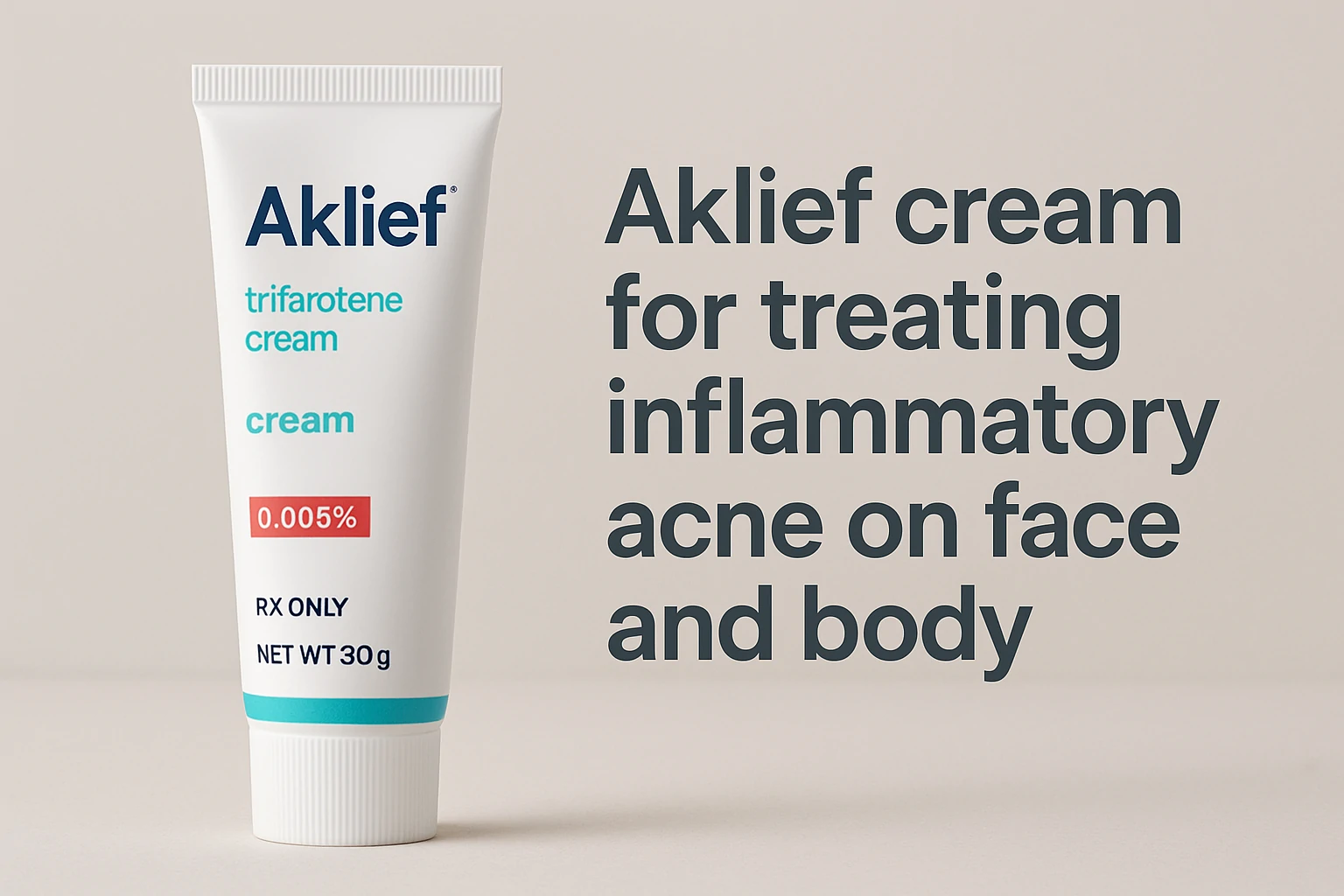
Dermatologists may prescribe topical retinoids to boost cell turnover or spironolactone to treat hormonal acne—especially in women. In more severe cases, oral antibiotics might be used to reduce inflammation, though long-term use is discouraged due to antibiotic resistance.
Seeing a skin expert doesn’t just speed up recovery—it also helps prevent scarring and long-term damage. Getting a tailored treatment plan is often the turning point for stubborn neck acne.
Could Neck Acne Be a Sign of a Health Issue?
Neck acne isn’t always just a skin problem. Sometimes, it signals internal imbalances, especially hormonal ones.
Dermatologists note that breakouts along the jawline or lower neck often relate to hormone fluctuations. These can be due to menstrual cycles, pregnancy, puberty, or conditions like PCOS (Polycystic Ovary Syndrome).
Other possible triggers include reactions to medication, chronic stress, or sensitivity to certain ingredients in body care products.
If your neck acne is persistent, painful, or resistant to over-the-counter treatments, a medical check-up is wise. Identifying the root cause helps you choose the right treatment—whether it’s hormonal therapy or adjusting your daily habits.
Ingredients to Avoid If You Have Neck Acne
Certain ingredients in body care products can clog pores or irritate the skin, especially on the neck. If you’re acne-prone, being ingredient-aware is key.
Dermatologists suggest avoiding:
- Synthetic fragrances: Found in lotions and shampoos, they can trigger irritation.
- Heavy oils like mineral oil or lanolin: These can block pores in sweat-prone areas.
- Coconut oil: Though natural, it’s comedogenic for some people.
- Denatured alcohol: Dries out skin and may cause rebound oil production.
Opt for non-comedogenic, fragrance-free products designed for sensitive or acne-prone skin. Also, wash your hair regularly and ensure styling products don’t transfer onto your neck.
Being selective with what you put on your skin (and hair) helps prevent unwanted breakouts.
Can You Use Anti-Aging Skincare on Acne-Prone Necks?
Yes, you can use anti-aging products on your neck even if you’re dealing with acne—if you do it right.
Ingredients like retinol and peptides help reduce signs of aging and fight acne by promoting skin renewal. However, if your skin is already irritated or sensitive, strong actives like retinol might cause peeling or dryness.
Dermatologists recommend starting with low-strength retinol or alternatives like niacinamide, which offers anti-aging and soothing benefits. Always pair actives with a non-comedogenic moisturizer to maintain skin balance.
And don’t forget sunscreen—anti-aging ingredients can make your skin more sun-sensitive. A gentle, balanced approach ensures you get both clear and youthful-looking skin without irritation.
ARTICLE SOURCES
You might also like
 Acne
Acne Anti-Aging
 Business
 Digital Marketing
 Economics
 Exfoliation
 Hair Removal
 Movies
 Personal Finance
 Websites