Best Birth Control Pills for Acne: Clear Skin Fast

Acne isn’t just a teenage issue—it can persist well into adulthood, especially when hormones play a role. If your breakouts seem linked to your cycle, birth control pills may be a viable solution.[1Lortscher D, Admani S, Satur N, Eichenfield LF. Hormonal contraceptives and acne: a retrospective analysis of 2147 Patients. J Drugs Dermatol. 2016;15(6):670-674.]
Hormonal contraceptives, particularly combination pills, help regulate and balance hormone levels that often trigger excess oil and acne flare-ups. Dermatologists often prescribe them for adult women dealing with persistent hormonal acne.
But not all birth control pills work the same for everyone. Your medical history, lifestyle, and type of acne must be considered. That’s why consulting with a dermatologist or OB-GYN is essential before starting treatment.
In this guide, we’ll explore how birth control affects your skin, which options are medically recommended, and what results you can realistically expect. Whether you’re just exploring your options or considering switching methods, understanding the science behind hormonal acne treatment can help you make the best decision for your skin.
How Birth Control Helps Regulate Hormonal Acne
Combination birth control pills contain synthetic versions of estrogen and progestin. These hormones work by suppressing ovulation and stabilizing overall hormonal fluctuations—especially those linked to acne.
Throughout your cycle, hormones like FSH and LH rise and fall, often increasing oil production during certain phases. Birth control levels out these shifts by providing steady hormone levels, reducing androgen spikes that commonly lead to breakouts.
According to dermatology experts, lowering androgen levels like testosterone reduces sebum (oil) production, minimizes clogged pores, and leads to fewer breakouts.
So while birth control primarily prevents pregnancy, its hormone-regulating properties make it a dual-purpose solution—especially for those struggling with hormonally-driven acne.
How Birth Control Can Clear Up Acne
Birth control pills don’t just prevent pregnancy—they also balance hormone levels that can trigger acne. The main culprit? Androgens like testosterone.[2Cleveland Clinic: Birth Control Methods That Clear Up Acne: What To Look For and How It Works.]
During the menstrual cycle, hormonal shifts may increase androgen levels relative to estrogen. This imbalance can cause oil glands to overproduce sebum, which clogs pores and leads to inflammation.[3Trivedi MK, Shinkai K, Murase JE. A review of hormone-based therapies to treat adult acne vulgaris in women. Int J Womens Dermatol. 2017;3(1):44-52. doi:10.1016/j.ijwd.2017.02.018]
Experts say some women are especially sensitive to these hormonal fluctuations, making them more prone to breakouts.
By lowering excess testosterone and keeping hormones steady, combination pills help reduce oil production and inflammation over time. The result? Calmer skin and fewer breakouts.
It’s important to be patient, though—most users start seeing improvements in acne after 2–3 months of consistent use.
Birth Control vs. Skincare: What Works Best for Acne?
While birth control can target hormonal acne from the inside, skincare remains essential. Dermatologists often recommend starting with topical treatments before turning to hormonal options.
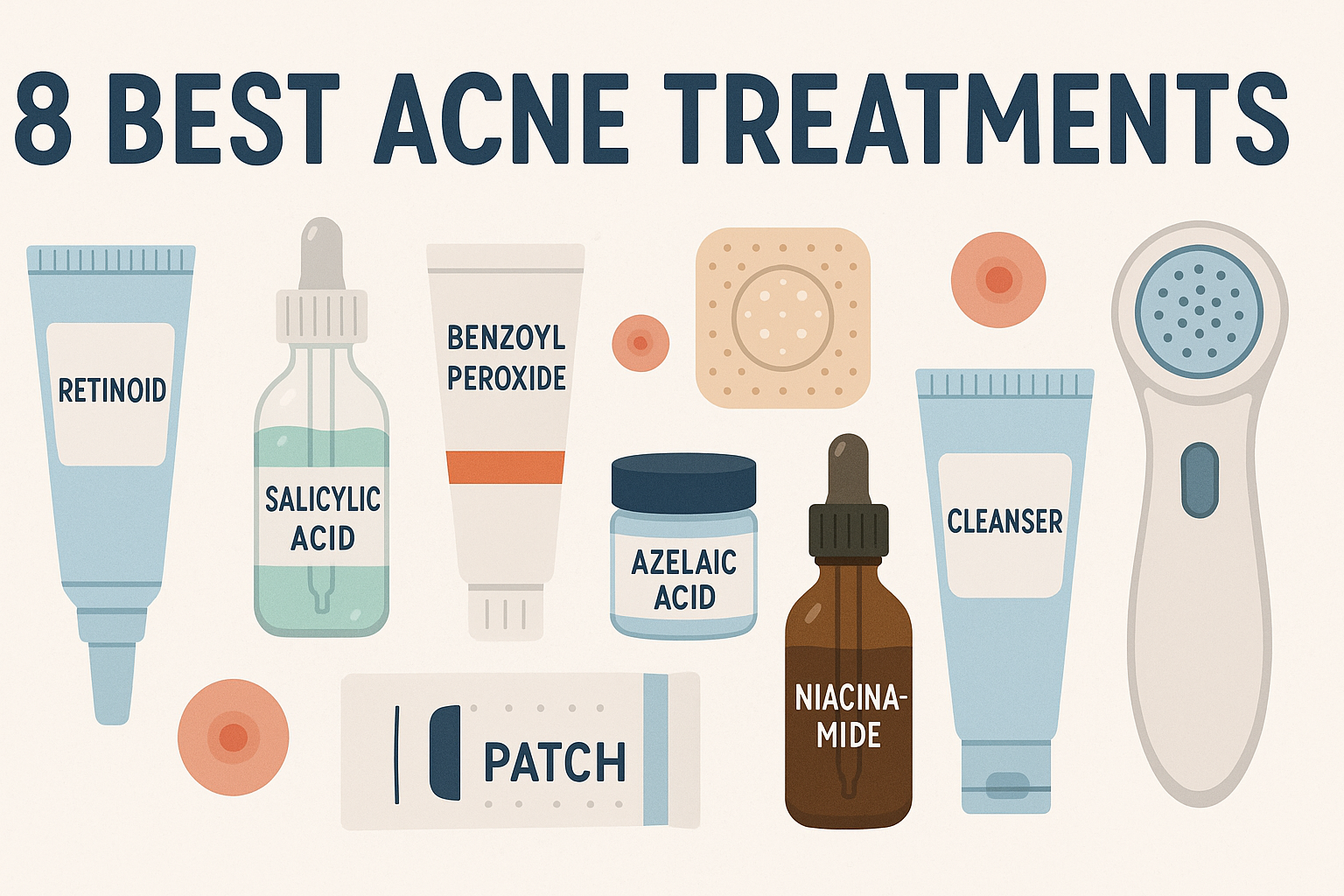
Retinoids like adapalene (e.g., Differin Gel) are widely used as first-line treatment. They increase cell turnover and help prevent clogged pores—the starting point for most acne.
Experts warn against overcomplicating your skincare routine. Too many products or harsh exfoliants can irritate the skin, worsen inflammation, and compromise the protective barrier.
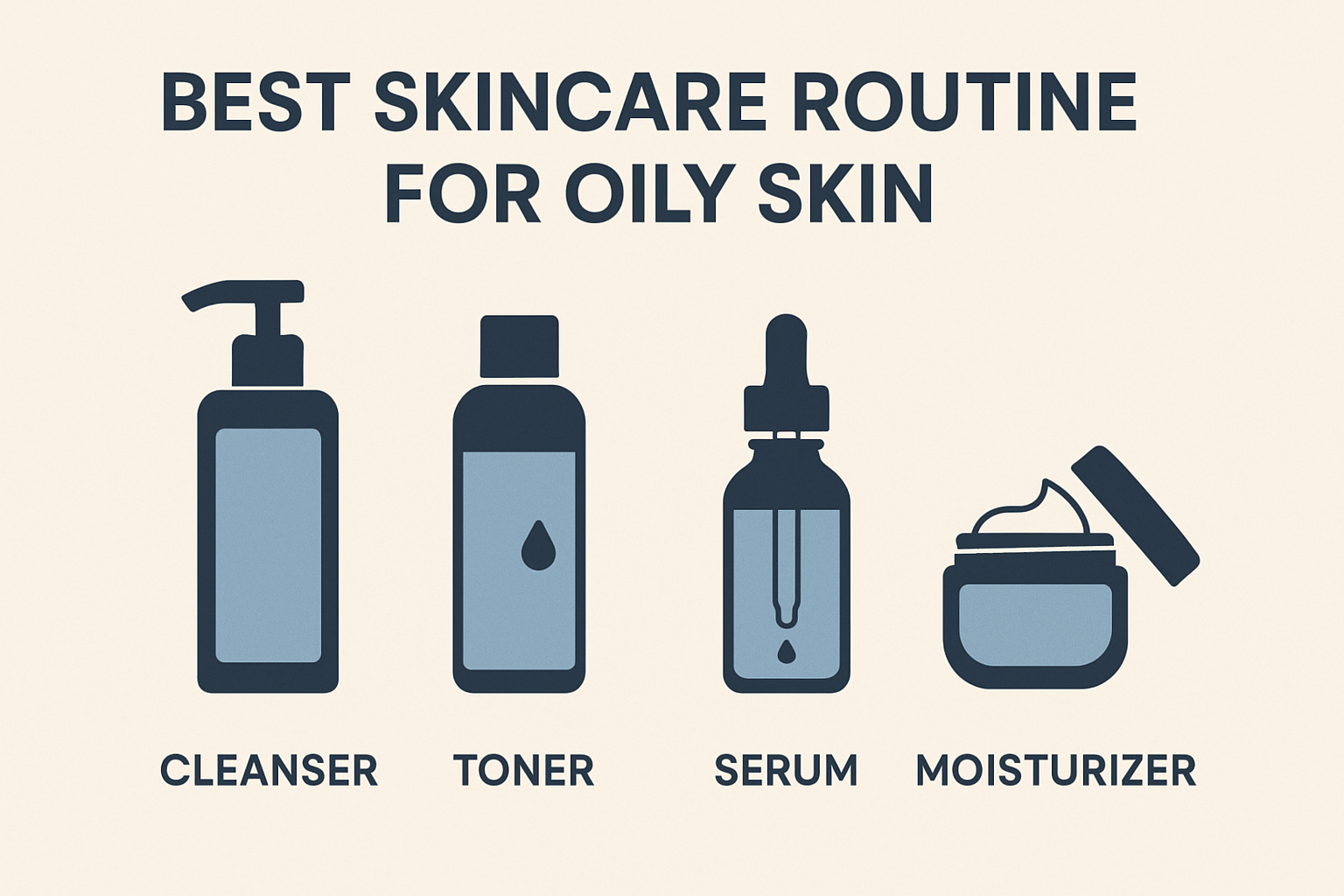
Stick to gentle cleansers—like CeraVe Foaming Facial Cleanser—and non-comedogenic moisturizers. Simplicity is key when managing acne-prone skin.
Think of birth control and skincare as partners. When used together under professional guidance, they can tackle acne more effectively than either method alone.
Birth Control vs. Oral Antibiotics for Acne: Which Is Better?
Choosing between birth control and oral antibiotics depends on your acne type and triggers. Both work differently, and each has its strengths.
Oral antibiotics like doxycycline or tetracycline fight inflammation and bacteria (C. acnes),[4Yale Schol of Medicine: Antibiotics for Acne: Groundbreaking Study Shows Why One Works Best.] making them ideal for inflamed, widespread breakouts. They’re often prescribed for moderate to severe acne—but only short-term due to resistance risks.
Birth control, on the other hand, targets hormonal imbalances by lowering androgen levels. This makes it more effective for adult women with cyclical or persistent hormonal acne.
Dermatologist Dr. Rachel Nazarian notes that antibiotics are better suited for adolescent acne or sudden flare-ups, while birth control is preferred for hormonally-rooted acne.
The best treatment depends on your unique condition. Consult a dermatologist to determine whether hormonal therapy, antibiotics, or a combination approach is right for your skin.
Types of Acne Birth Control Can Treat
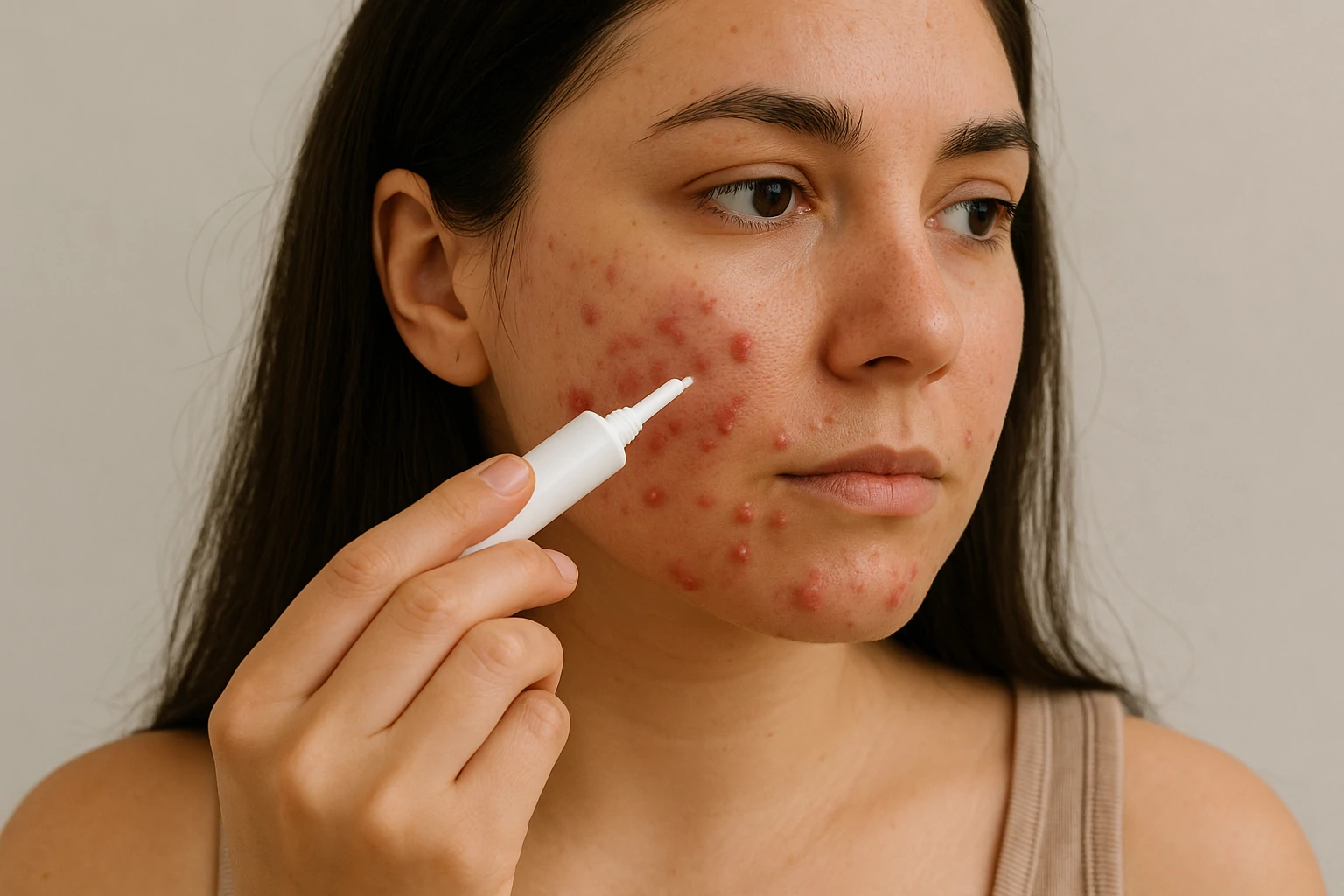
Not all acne is the same—and not all types respond well to hormonal treatments. Birth control pills are most effective for treating hormonal acne, which is triggered by excess androgens like testosterone.
Signs of hormonal acne often include:
- Flare-ups that sync with your menstrual cycle
- Breakouts along the chin and jawline
- Deep, painful cysts or nodules
These symptoms point to internal hormone imbalances, which topical products often can’t fix alone.
If your acne is persistent and seems to follow a pattern, it may be hormonally driven. In this case, a dermatologist may recommend birth control pills as a long-term solution. When used under medical supervision, hormonal therapy can help regulate oil production and reduce inflammation from within.
Understanding your acne type is key to choosing the right treatment—and hormonal acne often responds best to internal regulation, not just surface care.
Best Birth Control Pills for Hormonal Acne
Three birth control pills are FDA-approved specifically for treating acne: Ortho Tri-Cyclen, Estrostep, and Yaz. All are combination pills containing estrogen and specific types of progestin that help suppress androgens.[5Słopień R, Milewska E, Rynio P, Męczekalski B. Use of oral contraceptives for management of acne vulgaris and hirsutism in women of reproductive and late reproductive age. Prz Menopauzalny. 2018;17(1):1-4. doi:10.5114/pm.2018.74895]
Yaz, for example, contains drospirenone—a progestin with strong anti-androgenic effects. It reduces testosterone levels, which can lower oil production and improve skin clarity over time.
While other birth control pills may not be officially labeled for acne, many dermatologists prescribe them “off-label” based on clinical success. Even women who start using birth control for other reasons often notice clearer skin as a side benefit.
Experts agree that most combination pills can help hormonal acne, but results vary by individual. That’s why working with a doctor is essential to find the safest and most effective option for you.
How Long It Takes to See Results
Clearer skin doesn’t happen overnight. Most users start noticing subtle improvements after 4–6 weeks, but consistent results usually take 3 to 6 months of daily use.
Birth control works by gradually stabilizing hormone levels—particularly by reducing androgens. As oil production decreases and hormone fluctuations even out, acne tends to become less frequent and less inflamed.
Keep in mind: If you stop taking the pill, your hormones may return to their original patterns, which can bring acne back. That’s why birth control is considered a long-term acne management strategy, not a quick fix.
Consistency and patience are key. Regular check-ins with your doctor can help assess progress and make adjustments if needed.
Potential Side Effects of Taking Birth Control for Acne
Like any medication, birth control pills come with potential side effects—especially when used long-term.
Common short-term effects may include:
- Nausea
- Breast tenderness
- Spotting between periods
Longer use might affect your mood, libido, or cause fluid retention. Most side effects are mild, but everyone responds differently.[6Cleveland Clinic: Birth control: the pill]
Some people shouldn’t use hormonal contraceptives at all. If you have a history of blood clots, migraines with aura, or smoke regularly, birth control may increase health risks.
Dermatologists advise a full health screening before starting birth control for acne. This ensures the treatment is both safe and appropriate for your body.
Discuss any concerns with your doctor—it’s the best way to weigh benefits versus risks before committing to hormonal therapy.
Who Can Prescribe Birth Control for Acne?
Several medical professionals can prescribe birth control for acne, including:
- Dermatologists
- OB/GYNs (gynecologists)
- General practitioners
Which provider you choose may depend on your main concern. A dermatologist can help if acne is the primary issue, while an OB/GYN may focus on hormonal health.
Before prescribing, the doctor will assess your medical history, acne type, and treatment goals. This helps ensure the method chosen fits your skin’s needs and your overall health.
Don’t hesitate to discuss your reasons—whether it’s contraception, clearer skin, or both. A personalized, medical approach is the safest path toward healthy skin and effective acne control.
When to Talk to Your Doctor About Birth Control for Acne
If your acne is worsening or not responding to basic skincare, it’s time to consult a doctor. A general practitioner, dermatologist, or OB/GYN can help identify the root cause and create a targeted treatment plan.
Hormonal acne often appears around the menstrual cycle, which may suggest a hormonal imbalance. If you suspect this, ask your doctor whether birth control might be an option. However, keep in mind that it’s rarely the first-line treatment.
Doctors typically begin with topical treatments like retinoids and may suggest skincare or lifestyle adjustments. Nutrition also plays a role—high-sugar diets and dairy have been linked to breakouts in some people, while antioxidant-rich foods may reduce inflammation.Veith WB, Silverberg NB. The association of acne vulgaris with diet. Cutis. 2011;88(2):84-91.
An open conversation with your doctor helps ensure the right combination of treatments, tailored to your skin and overall health.
How to Choose the Right Birth Control for Acne
Not all birth control pills are created equal—especially when treating acne. Combination pills that contain estrogen and progestin are most commonly used to reduce androgen levels, the hormones that often trigger oil production and breakouts.
One example is Yaz, which includes drospirenone—a progestin known for its strong anti-androgenic effects. However, it’s not suitable for everyone, particularly those with certain medical risks.
Here’s what to consider when choosing a pill for acne:
- Type of acne (hormonal vs. inflammatory)
- Personal health history (e.g., blood clot risk)
- Need for birth control in addition to acne treatment
Experts recommend discussing your options with a licensed healthcare provider, rather than choosing based on brand popularity. A personalized approach ensures the safest and most effective outcome.
Can Birth Control Treat All Types of Acne?
While birth control can help manage hormonal acne, it’s not effective for all acne types. Breakouts can be caused by clogged pores, bacteria, or even harsh skincare habits.
Hormonal acne is typically identified by:
- Cyclical flare-ups before menstruation
- Breakouts on the jawline and chin
- Deep, painful cysts
If your acne doesn’t follow this pattern, you may respond better to topical treatments, oral antibiotics, or lifestyle changes.
Dermatologists caution against using birth control unless there’s clear evidence of hormonal involvement. For non-hormonal acne, targeting inflammation or bacterial causes may yield faster and more appropriate results.
Alternatives to Birth Control for Hormonal Acne
Birth control isn’t the only solution for hormonal acne. If you experience side effects, have health concerns, or simply prefer a non-contraceptive approach, other treatments are available.
One popular option is spironolactone, an oral medication that blocks androgen activity in the skin. It helps reduce oil production and is often prescribed for adult women with persistent hormonal acne.
Other alternatives include:
- Topical retinoids (like adapalene)
- Diet and lifestyle changes (low sugar, better sleep, less stress)
- Omega-3 supplements and other natural anti-inflammatory agents
Your doctor may also suggest non-contraceptive hormonal therapy, especially if acne is tied to underlying endocrine conditions.
As always, consult a healthcare provider to find a safe, effective plan tailored to your skin and hormonal health.
ARTICLE SOURCES
You might also like
 Acne
Acne Anti-Aging
 Business
 Digital Marketing
 Economics
 Exfoliation
 Hair Removal
 Movies
 Personal Finance
 Websites