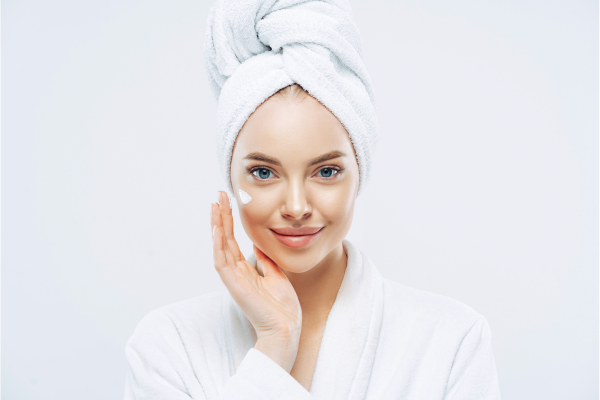
Can Cold Showers Clear Acne? Dermatologists Reveal Truth

Cold showers are trending as a quick fix for acne, with social media claiming ice baths or cold water splashes can improve skin. Dermatologists, however, clarify that the benefits are mostly temporary. Cold water can tighten blood vessels briefly, reducing redness, and offer a soothing, refreshing sensation for irritated skin.
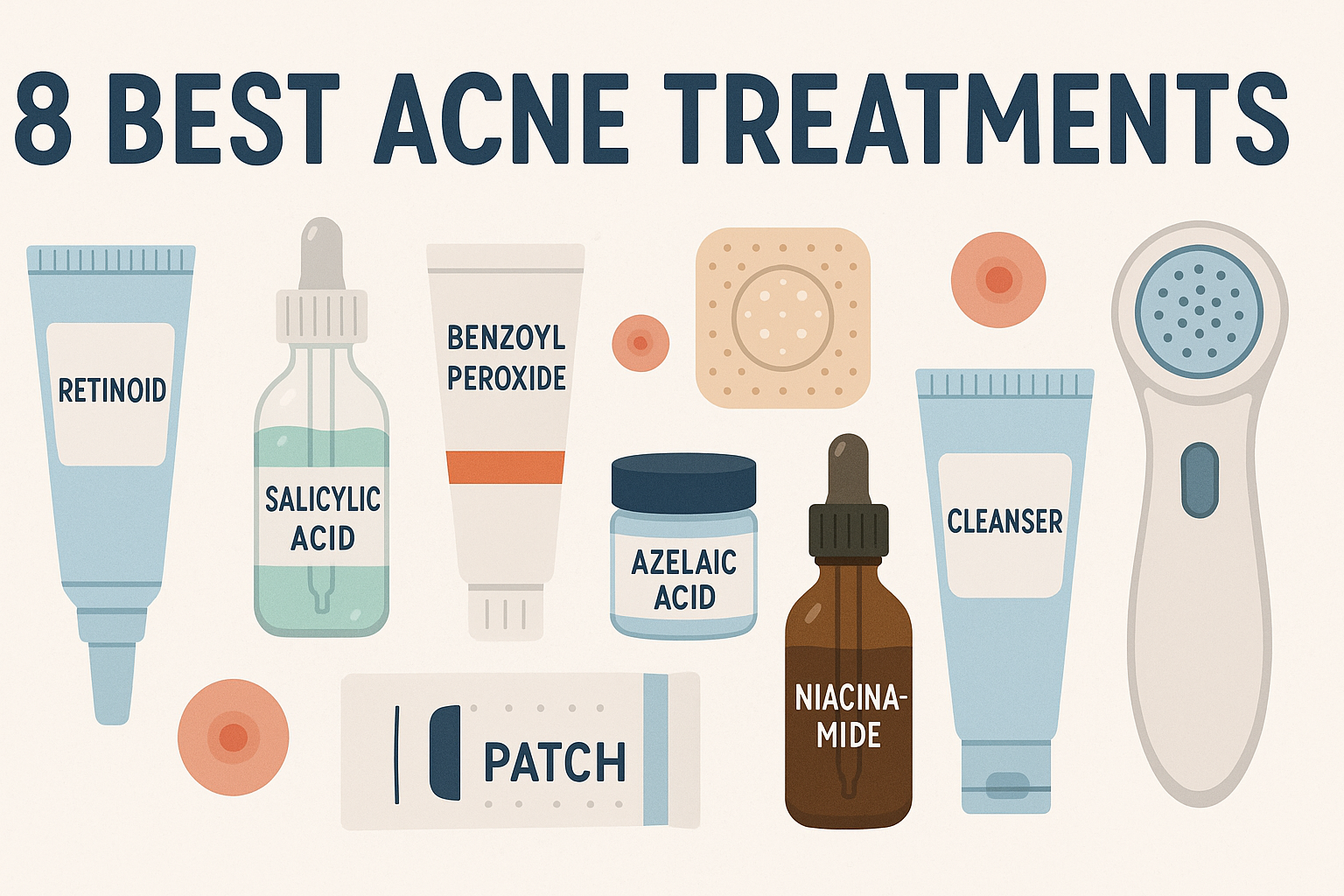
Yet, cold showers do not address the root causes of acne such as bacterial inflammation, excess oil, or hormonal changes. Consistent skincare remains key—gentle cleansers, light exfoliators, and active ingredients like salicylic acid or benzoyl peroxide are far more effective.
Dermatologists recommend seeing cold showers as a supplementary step, not a solution. Combining proper skincare with healthy lifestyle choices remains the most reliable approach to managing acne and maintaining clear, balanced skin.
Cold Showers and Acne: The Basics
Many believe cold showers help acne by controlling oil and reducing inflammation. Experts explain that cold water can slow oil release from pores and temporarily calm inflamed, irritated skin. Unlike hot water, which can damage the skin barrier and worsen redness, cold water is gentler.
However, dermatologists warn against trusting social media claims blindly. Short videos often skip essential details, leading to misunderstandings about effective acne care. Medically, cold showers may provide a soothing sensation but cannot replace core acne treatments such as gentle cleansing, anti-inflammatory ingredients, and consistent skincare routines.
Cold showers can complement your skincare, but relying on them alone will not deliver long-term acne control.
Do Cold Showers Actually Work for Acne?
Cold showers can temporarily reduce swelling, redness, and irritation by constricting blood vessels, giving the skin a calmer appearance. However, they do not treat the main acne causes—clogged pores, excess oil, or bacterial growth.
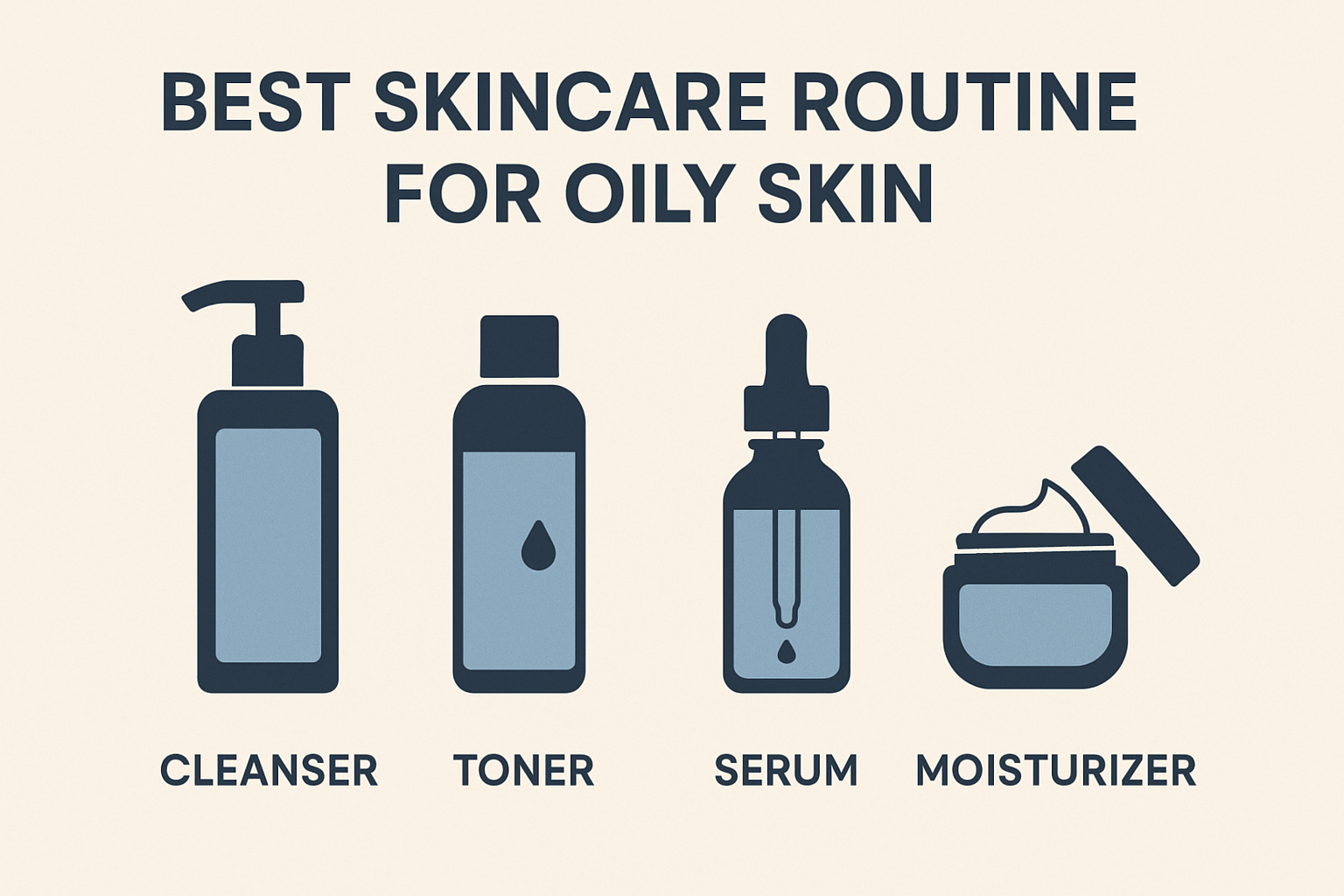
Dermatologists recommend a comprehensive acne routine:
- Gentle, proper cleansing
- Consistent use of salicylic acid or benzoyl peroxide
- Avoiding comedogenic products
- Maintaining a healthy skin barrier
- Balanced lifestyle and hormone management
- Prescribed topical or oral treatments if needed
Cold showers can enhance comfort and reduce visible redness, but they are an adjunct, not a replacement. The combination of effective skincare and lifestyle management is essential for clearer skin.
Potential Side Effects of Cold Showers for Acne
Despite their popularity, cold showers can sometimes worsen acne. Cold water is less effective at dissolving oil, leading to clogged pores and new breakouts. Oil hardens in cold water, making cleansing harder compared to warm water, which better removes impurities.
Extreme cold can also compromise the skin barrier, increasing sensitivity, redness, and irritation. Some people may even experience cold urticaria, a skin reaction causing hives from exposure to cold.
Dermatologists emphasize that cold showers should be used cautiously and never replace proper skincare. Gentle cleansing, active treatments, and consistent routines remain far more effective for long-term acne management.
Benefits of Cold Showers for Acne
Cold water washes or showers can benefit the skin when tolerated. Dermatologists note that cold water constricts blood vessels, reducing puffiness and facial swelling. This temporary effect shifts blood flow to deeper layers, improving circulation and giving the skin a healthier, more radiant look for a few hours.
Additionally, cold showers or face washes increase overall freshness, wake up the skin, and prepare the body for the day. While the benefits are real, cold water should complement—not replace—your main acne routine. Proper cleansing, active ingredients like salicylic acid, and lifestyle management remain essential for long-term acne control.
Used wisely, cold water can enhance skin comfort, reduce temporary redness, and offer a refreshing start to the day without compromising your skincare goals.
How Water Temperature Affects Skin Medically
Water temperature plays a crucial role in skin health, including acne-prone skin. Cold water tightens blood vessels, temporarily reducing redness and swelling while boosting circulation to deeper tissues, giving the skin a fresh, radiant appearance.
In contrast, excessive hot water can strip natural oils, weaken the skin barrier, and trigger irritation. This makes acne worse as the skin loses its protective layer and becomes prone to inflammation.
Understanding how water temperature affects skin allows you to adjust your cleansing and shower routine to soothe acne without disturbing the skin’s natural balance.
Safe Tips for Using Cold Water on Acne-Prone Skin
Start gradually when trying cold water. Briefly splash your face or body instead of plunging into ice-cold water. Short exposure helps reduce inflammation without shocking the skin.
Never rely on cold water as the main acne treatment. Pair it with gentle cleansers, anti-inflammatory actives, and non-comedogenic moisturizers. This approach keeps skin clean, calm, and less prone to breakouts while avoiding irritation from extreme temperatures.
Cold water can be a refreshing addition to your routine but should always work alongside proven skincare methods.
The Final Takeaway
Cold showers or face washes offer temporary relief by calming inflammation, reducing redness, and refreshing the skin. However, dermatologists emphasize that cold water is not a primary solution for acne.
A more effective approach is to avoid extreme temperatures and use lukewarm water for cleansing. Gentle water helps protect the skin barrier, maintain natural moisture, and prevent irritation.
Acne treatment still requires a complete routine:
- Proper cleansing
- Consistent use of active ingredients
- Avoiding comedogenic products
- Healthy lifestyle and hormone management
Combining effective skincare with mindful water temperature preserves skin health, reduces breakouts, and promotes clearer, balanced skin.
You might also like

 Acne
Acne Anti-Aging
 Business
 Digital Marketing
 Economics
 Exfoliation
 Hair Removal
 Movies
 Personal Finance
 Websites