8 Expert Ways to Treat Sun-Damaged Skin, Backed by Experts
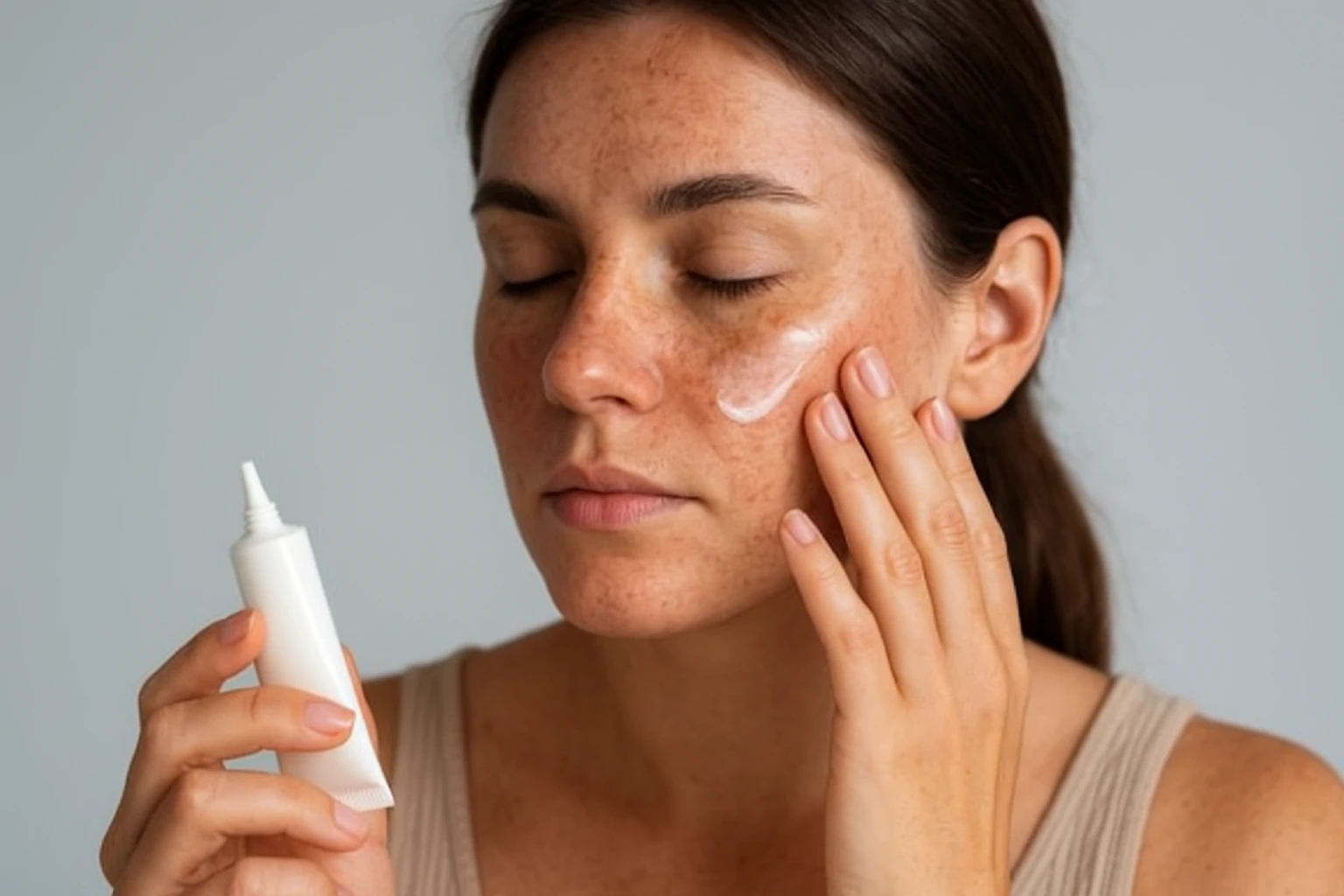
Sun damage occurs when long-term UV exposure disrupts the skin’s structure, triggering collagen breakdown, oxidative stress, and visible premature aging. Dermatologists often describe this process as cumulative—meaning the skin stores years of UV exposure before showing clear signs of damage. Fine lines, uneven tone, dark spots, and reduced firmness are among the most common indicators.
Understanding this process is essential, especially for readers in their 20s to 40s who are just beginning their skincare journey. While sun exposure is unavoidable, science-backed treatments can help restore the skin’s appearance and strengthen its natural barrier. Experts emphasize a combination of daily topical care and, when necessary, in-office dermatology procedures for best results.
This guide outlines eight dermatologist-approved methods to help repair and protect sun-damaged skin. Each step is designed to be practical, beginner-friendly, and effective for long-term skin health—so readers can confidently decide what their skin needs and how to start improving its condition.
What Is Sun Damage?
Sun damage is a skin condition caused by excessive ultraviolet (UV) exposure that alters both surface and deeper layers of the skin. Cosmetic dermatologist Michele Green, MD, explains that UV radiation penetrates into the dermis and can trigger DNA changes that accelerate aging and may increase the risk of skin cancer over time. This makes sun damage more than a cosmetic concern—it’s also a long-term health issue.
One of the biggest challenges is that sun damage often develops silently. The skin may look fine on the surface, but deeper changes can be detected through UV imaging long before visible symptoms appear. This slow progression is why many people underestimate the impact of their daily sun habits.
Recognizing that even brief, repeated exposure contributes to long-term damage helps build better awareness—especially for beginners. Early understanding encourages consistent protection and proper treatment, both of which play key roles in preserving healthy, resilient skin.
How Long Does It Take to See Sun Damage?
According to Michele Green, MD, sun damage often becomes visible years after the exposure occurs. UV rays disrupt cellular activity in the deeper layers first, which means signs like dark spots, fine lines, reduced elasticity, and uneven texture tend to appear gradually rather than immediately.
When these changes start showing, it’s normal to feel concerned—but dermatologists recommend approaching treatment calmly. Early action is beneficial, and even long-standing sun damage can be improved with the right combination of skincare and professional treatments.
For readers in their 20s or 30s, this is a critical reminder: today’s sun habits shape tomorrow’s skin. By understanding how slowly sun damage develops, beginners can stay motivated to protect their skin early and consistently. Repair is possible, but prevention always offers the strongest long-term results.
Apply Vitamin C Daily
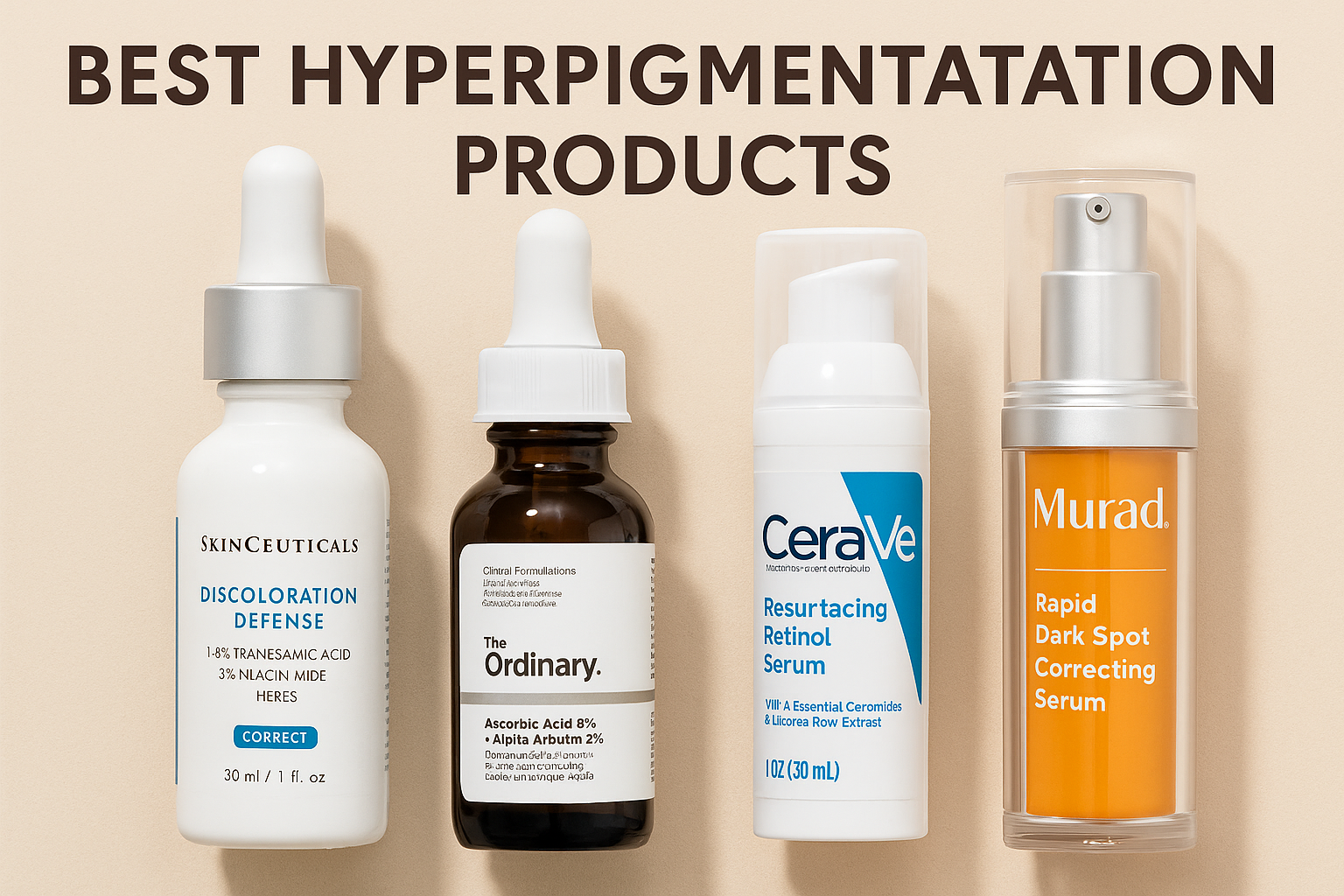
Daily vitamin C is one of the most effective beginner-friendly steps for repairing sun-damaged skin. Dermatologist Michele Green, MD, highlights that vitamin C—especially in its active form, L-ascorbic acid—is a powerful antioxidant that helps brighten dark spots, reduce fine lines, and support overall skin recovery.
Vitamin C works by boosting collagen and elastin production, two essential proteins that maintain skin firmness and youthful texture. This makes it especially valuable for those experiencing uneven tone or dullness from prolonged UV exposure. Most experts recommend applying a vitamin C serum in the morning to enhance protection against environmental stressors throughout the day.
Results typically appear gradually over several weeks, but consistent use leads to brighter, stronger, and healthier-looking skin. For beginners, vitamin C offers an accessible and impactful way to start reversing visible UV damage while preventing further discoloration and aging.
Don’t Be Afraid of Retinol
Retinol is widely regarded as one of the most effective ingredients for improving sun-damaged skin. Dermatologist Adeline Kikam, MD, describes topical retinoids as the “gold standard” of anti-aging treatments, second only to sunscreen in terms of long-term skin protection. Retinoids increase cell turnover, smooth rough texture, fade dark spots, and help correct uneven tone caused by UV exposure.
They also stimulate collagen and elastin production—two structural components that naturally decline with age and sun damage. Prescription retinoids offer faster, stronger results, while over-the-counter retinol provides a gentler option for beginners or sensitive skin.
Dermatologists typically recommend a gradual introduction: start with a low concentration and apply only a few nights per week. This allows the skin to adapt while minimizing redness or peeling. When used consistently and correctly, retinol becomes a transformative step in restoring healthier, firmer, and more even-toned skin affected by long-term UV exposure.
Add Chemical Exfoliants to Your Routine
Although the term chemical exfoliant can sound intimidating, gentle acids can be incredibly helpful for repairing sun-damaged skin. Dermatologist Hope Mitchell, MD, notes that mandelic, glycolic, salicylic, and trichloroacetic acids all support faster skin-cell turnover, allowing healthier, brighter skin to rise to the surface. This process helps soften rough texture, improve dullness, even out tone, and in some cases, reduce fine lines or early precancerous changes caused by long-term UV exposure.
Chemical exfoliants work by loosening dead skin cells, which often accumulate after prolonged sun exposure. Because of their effectiveness, beginners must use them strategically. Mitchell cautions against layering multiple acids in a single routine, as this can trigger irritation—especially in sun-sensitive or reactive skin types.
If you want to use more than one acid, alternate them rather than combining them. For example, apply one in the morning and another at night. As Adeline Kikam, MD, also advises, always perform a patch test first. This simple step helps ensure that your skin can tolerate the ingredient before applying it across your face.
Book a Professional Chemical Peel
Because at-home exfoliants often have lower strength, Hope Mitchell, MD, recommends professional chemical peels for anyone showing more visible signs of sun damage. In-clinic peels use significantly higher concentrations of acids, making them far more effective at treating dark spots, uneven texture, and deeper lines caused by cumulative UV exposure.
Dermatologists tailor each peel to your skin’s needs—whether you’re dealing with hyperpigmentation, surface roughness, or photoaging. This level of customization allows for targeted, predictable results that over-the-counter products simply can’t match.
Mitchell emphasizes that professional expertise plays a key role in both safety and outcome. A trained provider can select the right acid blend, control application time, and guide proper aftercare to minimize downtime. Because of these benefits, in-office peels remain one of the most popular cosmetic treatments for rejuvenating sun-damaged skin quickly and effectively.
If you want visible improvement with minimal guesswork, a professional peel can be a powerful step in restoring smoother, brighter skin.
Consider Dermaplaning
Dermaplaning is a mechanical exfoliation technique that removes dead skin cells and peach fuzz to instantly smooth the skin’s surface. Home versions are designed to be gentle, while professional dermaplaning goes deeper for more noticeable results. Esthetician Edyta Jarosz explains that in clinics, dermaplaning is often combined with a chemical peel to enhance overall skin renewal.
By lifting buildup caused by UV exposure, dermaplaning allows fresher skin to emerge and improves the penetration of active ingredients. This combination frequently results in a brighter complexion, improved texture, and healthier-looking skin.
Jarosz notes that pairing dermaplaning with a peel makes the skin more receptive to treatment, amplifying the rejuvenating effect. This approach is widely used in modern aesthetics to address early signs of sun damage—such as dullness, rough patches, and uneven tone—without jumping straight into stronger procedures.
For beginners who want a safe, low-commitment option with visible results, professional dermaplaning can be an excellent first step toward restoring smoother, more radiant skin.
Schedule Dermabrasion After Summer
Summer is the season when sun damage tends to intensify due to higher UV exposure and more outdoor activities. Because procedures like chemical peels and dermabrasion can make the skin temporarily more sensitive to sunlight, esthetician Edyta Jarosz recommends waiting until fall to begin these treatments.
Autumn offers a safer environment for recovery, reducing the risk of irritation or post-inflammatory hyperpigmentation. Jarosz often suggests pairing dermabrasion with treatments like the DiamondGlow Facial, which exfoliates the surface, deeply cleanses pores, and infuses customized serums into the skin. One popular option is the TNS Advanced+ Serum, designed to target coarse wrinkles, fine lines, laxity, and uneven texture.
With its blend of exfoliation and nutrient-rich infusion, DiamondGlow helps regenerate the skin and reverse much of the dullness and roughness accumulated over summer. For anyone looking to restore clarity, smoothness, and hydration after months of UV exposure, fall dermabrasion treatments can offer a strategic—and highly effective—reset.
Book an RF Microneedling Treatment
RF microneedling is one of the most effective clinical treatments for improving sun-damaged skin. According to Adeline Kikam, MD, long-term UV exposure can lead to uneven tone, rough texture, loss of elasticity, and the early formation of fine lines and wrinkles. RF microneedling addresses all these concerns by combining two powerful mechanisms in one session.
Traditional microneedling uses fine needles to create micro-injuries that stimulate natural collagen and elastin production. This alone helps refine texture and smooth early signs of aging. When paired with radiofrequency energy, the treatment becomes even more potent. RF delivers focused heat into deeper layers of the skin, enhancing firmness and promoting stronger collagen remodeling.
This dual approach makes RF microneedling a popular choice in modern aesthetics, especially for those wanting a noticeable improvement without surgical procedures. It can significantly enhance skin smoothness, reduce sun-induced lines, and restore a firmer, more youthful appearance.
Consider Fraxel
Fraxel is often described as the “Magic Eraser” of professional dermatology because of its ability to dramatically improve sun-damaged skin. According to Michele Green, MD, this fractional laser technology is one of the most effective ways to refine texture, even out skin tone, and target deep UV-induced damage.
Fraxel works by creating controlled micro-injuries using precise laser pulses. While the process sounds intense, the mechanism is designed to activate the skin’s natural healing response. As the skin repairs these microscopic zones, collagen production increases, new cells form, and damaged tissue is gradually replaced with fresher, healthier skin.
Because the laser treats only a fraction of the skin at a time, recovery is generally quicker than with traditional resurfacing methods. Dermatologists frequently recommend Fraxel for stubborn sunspots, fine lines, rough texture, and long-term photoaging.
With results that build over time but remain highly visible, Fraxel is a trusted, science-backed option for anyone seeking significant rejuvenation after years of sun exposure.
How to Prevent Future Sun Damage
Preventing future sun damage requires consistency—not just occasional sunscreen use. Dermatologists emphasize a combination of daily protection, smart habits, and products that support your skin’s long-term resilience.
Here are expert-backed steps to maintain healthier skin:
- Wear sunscreen every day. Experts such as Michele Green, MD, recommend SPF 30 or higher with zinc oxide or avobenzone for broad-spectrum protection. Popular options include EltaMD UV Clear and La Roche-Posay Anthelios.
- Reapply every 2–3 hours, especially when sweating or spending time outdoors.
- Use physical protection. Wide-brimmed hats, UV-blocking sunglasses, and UPF clothing help significantly reduce direct UV exposure.
- Avoid peak sunlight hours. Dermatologists suggest limiting outdoor activities between 10 a.m. and 4 p.m., when UV radiation is strongest.
When done consistently, these habits can drastically reduce long-term UV damage and help preserve your skin’s clarity and firmness.
Daily Skincare Routine for Sun-Damaged Skin
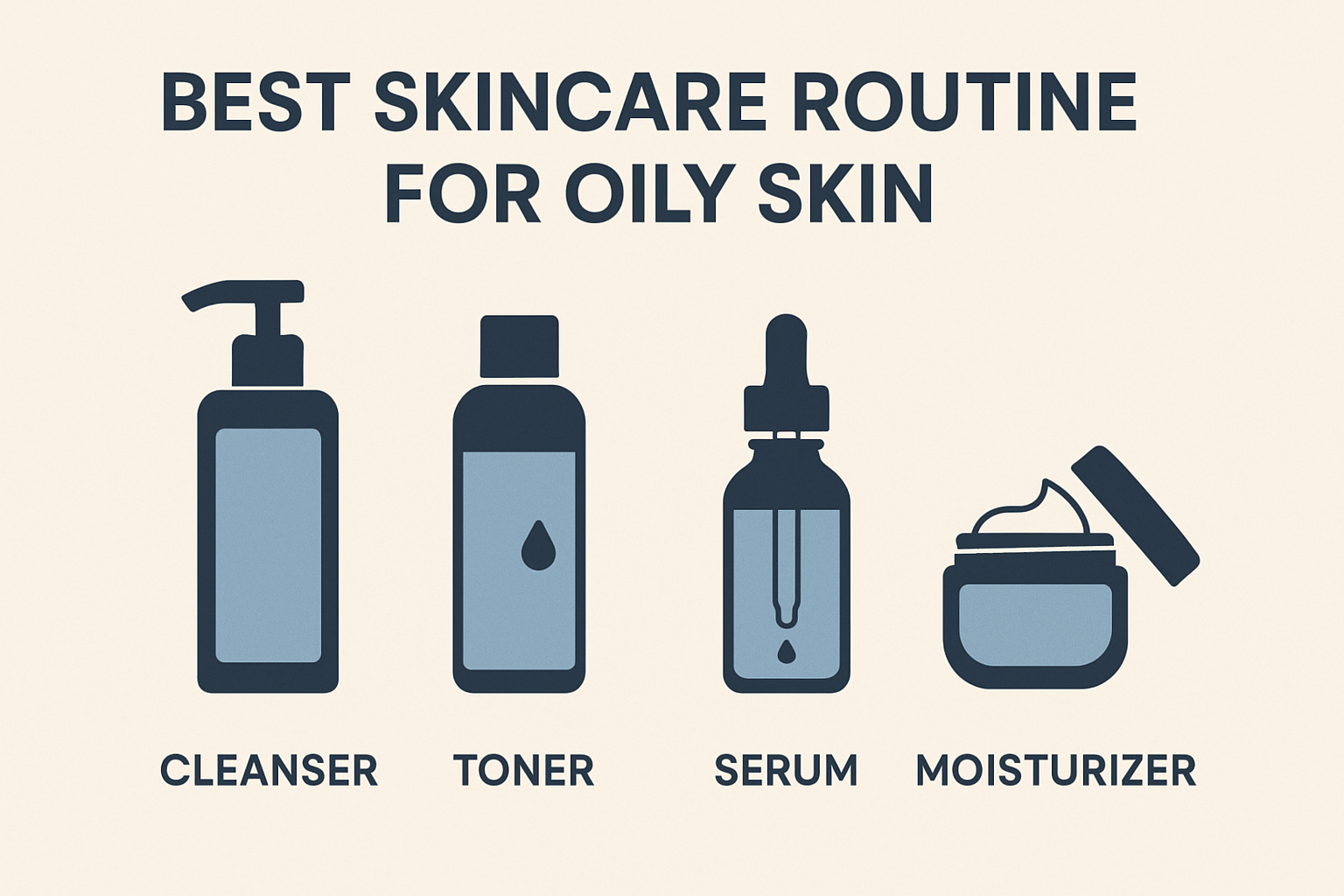
A consistent daily routine is essential for helping sun-damaged skin recover while also preventing additional UV-related aging. Dermatologists often highlight the importance of gentle cleansing, antioxidant support, and barrier repair to strengthen the skin’s resilience.
Morning Routine
- Gentle cleanser to avoid stripping essential moisture.
- Vitamin C serum—as noted by Michele Green, MD—to brighten the skin and defend against free radicals.
- Moisturizer with ceramides or hyaluronic acid to maintain hydration.
- Sunscreen SPF 30–50, the most important step for preventing further damage.
Night Routine
- Double cleansing to remove sunscreen, sweat, and pollutants.
- Retinol or a mild retinoid to support cell turnover and smooth texture.
- Repairing moisturizer with peptides, niacinamide, or panthenol to calm and replenish the skin.
With consistency, this routine helps accelerate recovery, improve tone and texture, and support healthier, more radiant skin over time.
Best Sunscreens for Sun-Damaged Skin
Choosing the right sunscreen is crucial for protecting skin that has already suffered UV damage. Experts agree that broad-spectrum protection against UVA and UVB is non-negotiable. Here are dermatologist-loved options:
- Dermalogica Invisible Physical Defense SPF 30 – a lightweight mineral formula with zinc oxide that blends without a white cast.
- Supergoop! Zincscreen 100% Mineral SPF 40 – ideal for sensitive or easily irritated skin.
- Dear Klairs All-Day Airy Mineral Sunscreen SPF 50 – airy texture with high protection that feels comfortable for daily wear.
Additional options include Rodan & Fields Essentials SPF 50 for face and body, Cetaphil Sheer Mineral SPF 30 for sensitive skin, and Vaseline Serum Sun + Pollution for added environmental defense. For a healthy glow, Supergoop! Glow Oil SPF 50 is a popular pick, while Derma XP UV Protector Cream SPF 50 offers high hydration with clinical-level performance.
Remember: applying enough product and reapplying every 2–3 hours is essential. Proper use makes all the difference in how well your sunscreen protects your skin.
Final Thoughts
Sun damage can develop quietly over many years, but the right skincare strategy can repair visible concerns while preventing new issues from forming. Evidence-based ingredients—such as retinoids, vitamin C, niacinamide, and hydrating moisturizers—help improve texture, tone, and overall skin resilience. Professional treatments like chemical peels and laser therapy, including Fraxel, provide deeper correction when needed. Still, prevention remains the most powerful tool. Daily sunscreen, consistent reapplication, physical sun protection, and reducing excessive UV exposure are essential to maintaining long-term skin health. Combined with a gentle, structured daily skincare routine, sun-damaged skin can gradually recover and look brighter, stronger, and more even. With steady habits and mindful protection, the results will continue to improve over time.
You might also like
 Acne
Acne Anti-Aging
 Business
 Digital Marketing
 Economics
 Exfoliation
 Hair Removal
 Movies
 Personal Finance
 Websites