Are SPF Oils as Safe and Effective as Sunscreen Lotions?
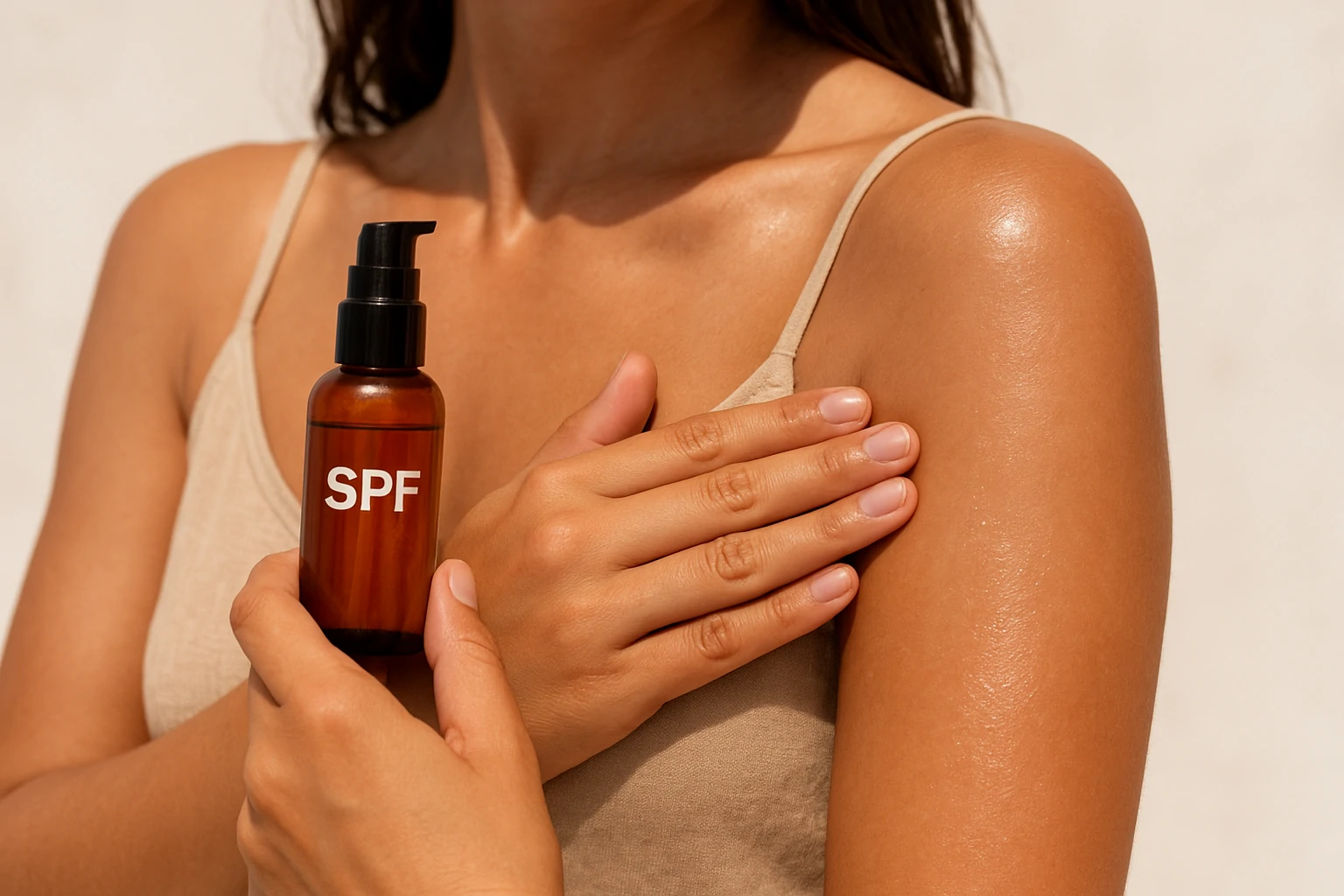
As awareness of sun protection grows, sunscreen use has surged, and the market is evolving beyond lotions and sprays. Enter sunscreen oils—lightweight, luxurious formulas reminiscent of tanning oils but infused with SPF to shield skin from harmful UV rays.
This trend raises an important question: are SPF oils as safe and effective as traditional lotions? Dr. Amanda Lee, a licensed dermatologist, notes that sunscreen effectiveness depends largely on application method and SPF concentration, not just texture. Dr. Michael Tan adds that while SPF oils feel comfortable on the skin, proper usage is key to maintaining full UV protection.
This article explores sunscreen oils’ safety, efficacy, and proper application tips, helping readers make informed choices to protect their skin daily. Whether you prefer a glowy finish or lightweight feel, understanding how SPF oils compare to lotions ensures your skin stays healthy and radiant under the sun.
Sunscreen Basics: What You Need to Know
Sunscreen is essential for everyday skincare, no matter your skin type or outdoor activity level. According to the American Academy of Dermatology, there are three core criteria for choosing effective sun protection:[1American Association of Dermatology “How Do I Know If I’m Using the Right Sunscreen?” Www.aad.org, www.aad.org/public/everyday-care/sun-protection/shade-clothing-sunscreen/choosing-right-sunscreen.]
- SPF 30 or higher – blocks UVB rays that cause sunburn.
- Broad-spectrum protection – shields skin from both UVA and UVB, reducing premature aging and skin cancer risk.
- Water resistance – crucial for outdoor activities or sweating.
Once you grasp these basics, the next step is selecting a product suited to your skin type and lifestyle. Sunscreen oils are gaining popularity because they are lightweight and easy to spread, but their efficacy and safety must be understood. The following sections dive deeper into what sunscreen oils are and how to use them properly, ensuring optimal protection and skin health.
What Are Sunscreen Oils?
Sunscreen oils are oil-based sun protection products designed to moisturize while shielding skin from UV damage. Dr. Brendan Camp explains, “These products not only hydrate and soften skin but also provide transparent UV protection.”[2Rawlings, A V, and K J Lombard. “A review on the extensive skin benefits of mineral oil.” International journal of cosmetic science vol. 34,6 (2012).]
It’s important to distinguish SPF oils from tanning oils. Tanning oils often contain mineral oil that absorbs UV, offering less protection. SPF oils, however, are specifically formulated to deliver reliable sun defense, making them safer and more effective.
Dr. Lindsey Zubritsky highlights the appeal: “SPF oils usually contain moisturizers, spread easily, and feel lighter than traditional lotions or creams. They also give a subtle glow, making daily application more enjoyable.” For beginners seeking hydration with sun protection, SPF oils can be a stylish and functional choice.
Are Sunscreen Oils Really as Effective as Lotion?
The short answer: yes—SPF oils can be just as effective as lotions. Dr. Zubritsky notes, “When applied generously—about one ounce for the entire body—and reapplied every two hours or after swimming/sweating, any SPF 30+ product offers adequate protection.”
However, effectiveness depends on application technique. Dr. Brendan Camp advises, “SPF oils contain active ingredients that absorb into the skin and convert UV rays into heat. Apply at least 20 minutes before sun exposure for maximum protection.”
In summary, sunscreen oils are a convenient and practical alternative, as long as usage follows proper guidelines. Choosing a product suited to your skin type and daily routine ensures optimal UV defense while enjoying the lightweight, glowing finish that SPF oils provide.
How to Choose the Right Sunscreen Oil
Not all SPF oils are created equal. Choosing the right one requires attention to both active ingredients and skin-friendly additives. Dr. Camp recommends looking for oils enriched with moisturizers, squalane, humectants like aloe vera or hyaluronic acid, and antioxidants such as vitamin E. Sensitive skin types should opt for fragrance- and color-free formulas.
SPF value matters. Dr. Zubritsky emphasizes, “Higher SPF provides better protection, especially for long outdoor exposure. Pair it with added hydration and antioxidants for dual benefits.”
For example, Sol de Janeiro Rio Radiance SPF 50 Body Oil combines patauá oil for nourishment, pongamia seed extract for environmental defense, and mica for instant glow, offering protection, comfort, and aesthetic appeal. Choosing a sunscreen oil that fits your skin type and lifestyle ensures both effective sun defense and enjoyable application.
How to Use a Sunscreen Oil Effectively
Proper application is just as important as choosing the right sunscreen oil. Dr. Lindsey Zubritsky advises, “Shake the oil before use, spray evenly over all sun-exposed areas 15–20 minutes before heading outdoors, keeping a 10–15 cm distance for even coverage. Rub gently to ensure full skin coverage and reapply at least every two hours, or more frequently when swimming or sweating.”
The process is similar to using body oil or lotion but focuses on complete skin coverage. Dr. Brendan Camp adds, “Sunscreen oils work well for normal and dry skin, providing hydration and softness. Oily skin types can also use them, but should monitor for potential breakouts or stickiness.”
Following these steps ensures optimal UV protection while leaving skin smooth and glowing. For beginners seeking a practical, effective alternative to traditional lotions, mastering this technique makes daily sun defense easy, enjoyable, and skin-friendly.
Safety and Regulatory Considerations
Safety is a key factor when choosing sunscreen oils. Dr. Amanda Lee stresses, “Select products that are officially tested and comply with regulations, such as FDA-approved in the U.S. or European Commission standards. Uncertified products may not provide the SPF protection claimed.”
Formula stability also affects effectiveness. Store SPF oils in a cool, shaded place and avoid using expired products, as heat and light can degrade active ingredients, reducing UV protection.
Additional ingredients like antioxidants, vitamin E, and natural oils enhance skin defense against free radicals while maintaining moisture. For sensitive skin, opt for fragrance- and color-free formulas to minimize irritation.
By considering regulations, storage, and composition, sunscreen oils can be a safe and effective alternative to traditional lotions or creams, providing reliable UVA/UVB protection while supporting long-term skin health.
Potential Side Effects and Irritation
Although generally safe, sunscreen oils may cause irritation in some individuals, especially those with sensitive or acne-prone skin. Dr. Brendan Camp recommends, “Choose fragrance-, color-, and alcohol-free products. Always perform a patch test on a small area to check for redness, itching, or breakouts.”
SPF oils often contain moisturizers, humectants, and antioxidants that nourish while protecting skin. However, some oil-based formulas can feel heavy on oily skin, potentially clog pores and exacerbate acne if overused.
Minor side effects like stickiness or excess shine are usually temporary and manageable with the right product. Dr. Lindsey Zubritsky adds, “Lightweight, non-comedogenic SPF oils are safe for daily use when applied correctly.”
With proper product selection and application technique, skin remains effectively protected from UV rays without discomfort or irritation.
How Application Technique Impacts Sunscreen Oil Effectiveness
The effectiveness of sunscreen oils depends not only on formulation but also on how they are applied. Dr. Lindsey Zubritsky advises, “Apply SPF oil 15–20 minutes before sun exposure, using enough product—around one ounce for the entire body—and cover often-missed areas like the neck, ears, and back of hands.”
Reapplication is critical. Oils should be reapplied every two hours, or more frequently when swimming or sweating, to maintain UVA and UVB protection. Incorrect application can significantly reduce SPF effectiveness.
Dr. Brendan Camp explains, “Chemical-based SPF oils work by absorbing UV rays and releasing them as heat. Allowing the oil to fully absorb before sun exposure is essential for maximum protection.”
Understanding proper application ensures optimal sun defense, hydration, and a glowing skin finish, making sunscreen oils a practical, effective alternative to traditional lotions or creams.
Final Thoughts
Sunscreen oils offer a lightweight, hydrating, and aesthetically pleasing alternative to traditional lotions, while providing effective UV protection when used correctly. Experts agree that application technique, SPF level, and product formulation are key to ensuring optimal defense against UVA and UVB rays. Oils enriched with moisturizers, antioxidants, and humectants not only protect but also nourish the skin, making them suitable for daily use.
Safety is equally important—choose certified products, store them properly, and select formulas suited to your skin type to minimize irritation or breakouts. Reapplying every two hours, covering all exposed areas, and applying 15–20 minutes before sun exposure ensures maximum effectiveness.
For beginners and skincare enthusiasts alike, sunscreen oils combine protection, comfort, and a glowing finish, making them a practical and enjoyable option for maintaining healthy, radiant skin under the sun.
ARTICLE SOURCES
You might also like
 Acne
Acne Anti-Aging
 Business
 Digital Marketing
 Economics
 Exfoliation
 Hair Removal
 Movies
 Personal Finance
 Websites