Does Sunscreen Trigger Acne or Actually Help It?
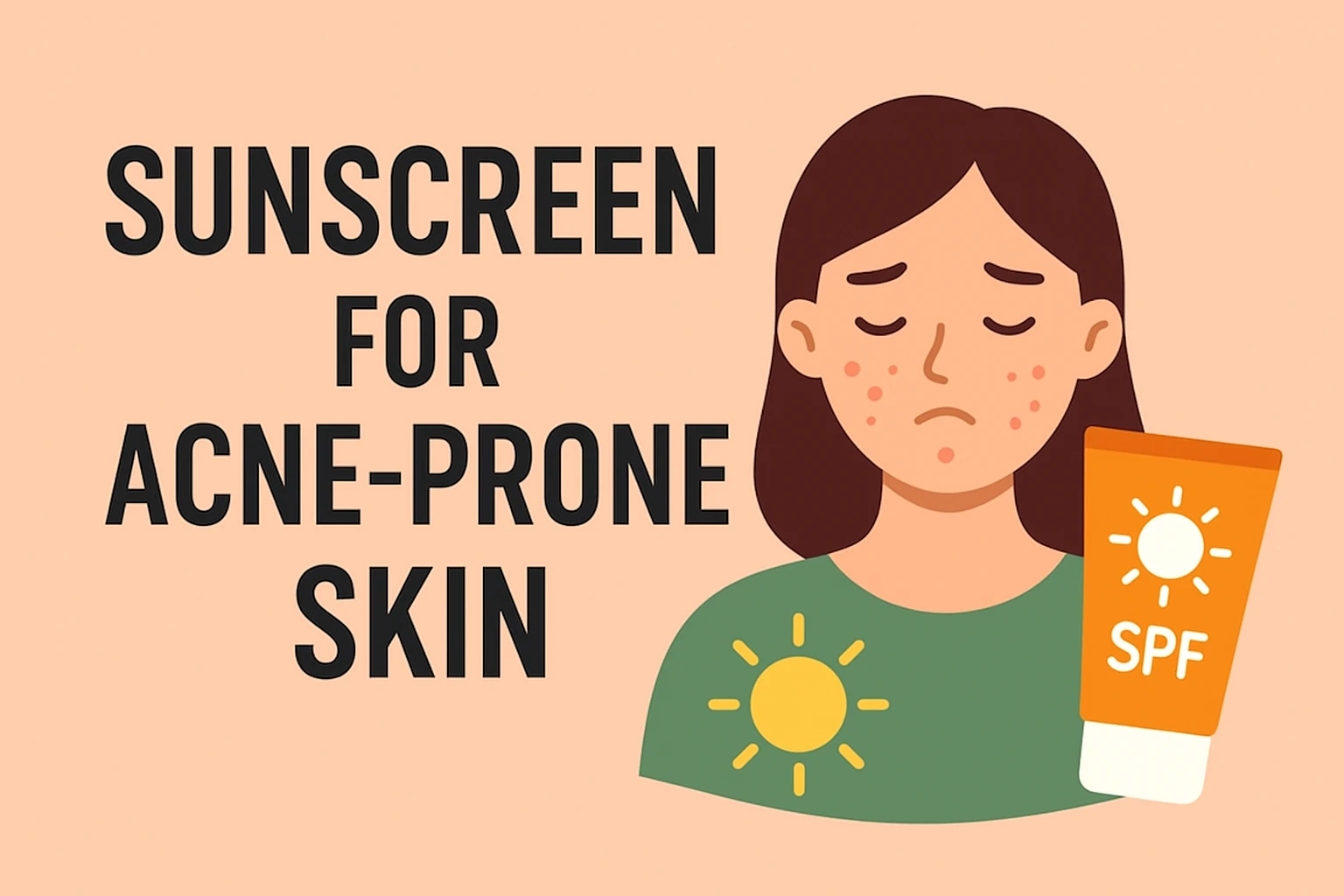
Daily sunscreen is one of the strongest foundations of modern skincare, protecting the skin from premature aging and reducing the lifetime risk of skin cancer. Yet many people with sensitive or acne-prone skin still hesitate to use SPF, worried that it might clog pores or worsen breakouts. This fear is common, but dermatologists emphasize that UV exposure actually increases inflammation, deepens post-acne marks, and destabilizes the skin barrier—making sunscreen even more essential.
Board-certified dermatologists Elizabeth Hale, MD, and Dustin Portela, DO, FAAD, explain that the key lies in choosing the right formula. Lightweight, non-comedogenic sunscreens can protect the skin without triggering congestion, while the wrong formula may feel greasy or irritating.
Their guidance highlights what matters most when selecting SPF for breakout-prone skin: safe ingredients, textures that suit daily use, and proper application habits. When chosen correctly, sunscreen not only shields you from UV damage but also supports overall skin balance.
Keep reading to learn how the right SPF can protect your skin while helping prevent inflammation and future breakouts.
Can Sunscreen Cause Acne—or Help Prevent It?
Dermatologists agree that certain sunscreens may cause breakouts in some individuals—mainly due to heavy textures or pore-clogging ingredients.[1Magin P, Pond D, Smith W, Watson A. A systematic review of the evidence for ‘myths and misconceptions’ in acne management: diet, face-washing and sunlight. Fam Pract. 2005;22(1):62-70. doi:10.1093/fampra/cmh715.] According to Dustin Portela, DO, the skin’s reaction depends largely on personal sensitivity. Elizabeth Hale, MD, adds that the natural characteristics of someone’s skin often determine how it responds to different SPF formulas.
Body sunscreens, which tend to be richer and more occlusive, can clog pores when used on the face. Fortunately, modern formulations now offer facial sunscreens that are lightweight, non-comedogenic, and sometimes even infused with skin-soothing ingredients such as niacinamide or zinc oxide.
For acne-prone skin, dermatologists recommend:
- Choosing sunscreens labeled non-comedogenic
- Opting for gels, lightweight lotions, or gentle mineral sunscreens
- Avoiding heavy, oily, or occlusive textures
Research consistently shows that sun exposure does not improve acne; instead, UV radiation can worsen inflammation and deepen post-inflammatory hyperpigmentation. With the right sunscreen, you can protect your skin while also supporting the healing process.
How to Choose the Right Sunscreen for Acne-Prone Skin
To avoid flare-ups, dermatologists offer clear guidelines for selecting SPF tailored to acne-prone skin. Dustin Portela, DO, recommends always choosing sunscreens formulated specifically for the face, as these are designed to be lighter, faster-absorbing, and less likely to clog pores. Many facial sunscreens now contain ingredients that actively support skin balance.
Key ingredients to look for include:
- Niacinamide — Portela highlights this as a top choice because it helps regulate oil, calm inflammation, fade dark spots, and smooth skin texture.
- Zinc oxide — Elizabeth Hale, MD, notes that mineral sunscreens with zinc offer natural anti-inflammatory benefits and help control excess sebum.
- Antioxidants — These neutralize oxidative stress that can trigger new breakouts.
- Squalane or ceramides — Portela explains that these strengthen the skin barrier, making it less reactive and more stable.
- Fragrance-free formulas — Hale emphasizes that added fragrance is a common irritant for breakout-prone skin.
Choosing ingredients that support rather than overwhelm your skin can make SPF a comfortable, daily essential.
Sunscreen Ingredients That May Trigger Breakouts
While the right sunscreen can help stabilize acne-prone skin, certain ingredients may cause congestion or irritation. Dermatologists advise paying close attention to formulas—especially if your skin reacts after trying a new SPF.
Avoid the following when possible:
- Heavy, occlusive ingredients — Dustin Portela, DO, warns that coconut oil, cocoa butter, mineral oil, and beeswax can trap heat and sebum on the skin, increasing the likelihood of clogged pores and inflamed breakouts.
- Certain chemical UV filters — Elizabeth Hale, MD, notes that ingredients like avobenzone may trigger irritation in sensitive or acne-prone skin. Mineral SPF formulas can offer a gentler, more stable alternative.
- Added fragrance — Synthetic perfumes frequently cause irritation, which can then lead to redness, swelling, or new pimples.
Understanding which components to avoid helps you choose a sunscreen that protects your skin without compromising its clarity or comfort.
Sunscreen and Acne Scarring
Acne scars—especially post-inflammatory hyperpigmentation (PIH)—often remain long after a breakout fades. Dermatologist Dustin Portela, DO, explains that PIH commonly appears as red, purple, or brown marks that may linger for weeks to months. Sun exposure can intensify these dark spots and significantly slow their fading process, which is why daily sunscreen is essential for preventing new PIH and protecting existing marks from deepening. While SPF helps maintain even skin tone, Portela notes that it cannot dramatically improve pitted or textured acne scars.
Elizabeth Hale, MD, adds that people with deeper skin tones or those prone to hyperpigmentation are at an even higher risk of darkening without proper UV protection. She recommends choosing a lightweight lotion sunscreen for smoother application and a finish that blends easily without leaving a white cast—an issue often experienced with mineral formulas.
To maintain consistent protection throughout the day, Hale suggests using a powder sunscreen for easy reapplication. This format is especially convenient for oily skin types or makeup wearers, offering extra sun protection without adding heaviness or disrupting your base. With the right routine, sunscreen becomes a powerful partner in managing acne scarring.
Chemical vs. Mineral Sunscreen for Acne-Prone Skin
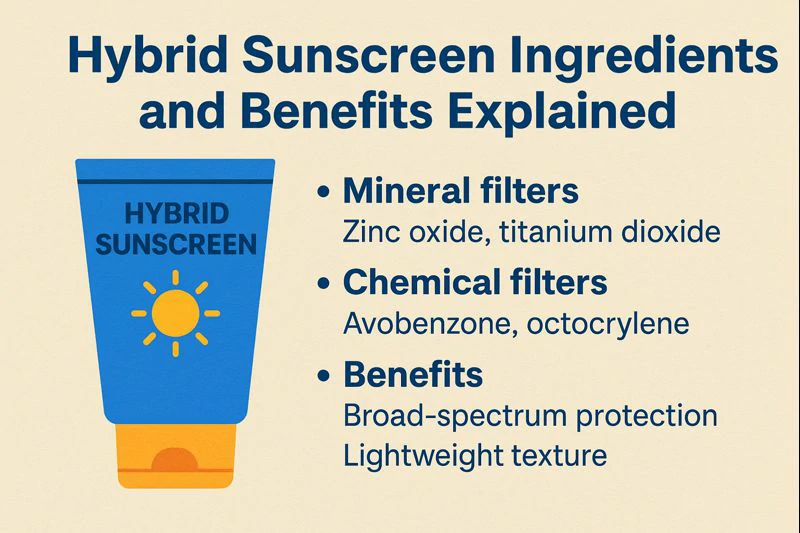
Understanding the difference between chemical and mineral sunscreens is key for anyone with acne-prone skin. Chemical sunscreens work by absorbing UV rays and converting them into heat before releasing them from the skin. While they offer a lightweight, easy-to-blend texture, some sensitive individuals may react to certain chemical filters—such as avobenzone or oxybenzone—which can lead to irritation or clogged pores.
Mineral sunscreens, on the other hand, use zinc oxide or titanium dioxide to physically deflect UV rays. Dermatologist Elizabeth Hale, MD, often recommends mineral formulas for acne-prone or reactive skin because they’re non-irritating, stable in sunlight, and naturally soothing to inflammation.
For choosing the best option:
- Very sensitive or inflamed skin: mineral sunscreen is generally safer.
- Prefer a silky, weightless finish: chemical sunscreen may feel smoother and blend more seamlessly without a white cast.
Brands like La Roche-Posay, EltaMD, and Beauty of Joseon provide both mineral and chemical options suitable for breakout-prone skin. By understanding how each type works, you can pick an SPF that protects effectively without triggering irritation.
How to Reapply Sunscreen Without Triggering Breakouts
Reapplying sunscreen is essential for maintaining UV protection, but many with acne-prone skin worry about clogging pores or building up too many layers. Dermatologists emphasize that the key is choosing textures that stay lightweight and non-comedogenic throughout the day.
For oily or acne-prone skin, gel or fluid sunscreens are ideal for touch-ups because they absorb quickly and avoid the heavy, greasy feeling that can contribute to congestion. If you wear makeup, experts often recommend non-comedogenic sunscreen powders or sprays, which add protection without disturbing your base or creating product buildup.
To keep reapplication breakout-safe:
- Dab away excess oil with blotting paper before adding SPF.
- Stick to non-comedogenic formulas, especially during active breakouts.
- Avoid layering too heavily—apply just enough to refresh exposed areas.
Brands such as Supergoop!, Colorescience, and Shiseido offer convenient on-the-go SPF options designed to stay light on the skin. With the right method, you can protect your skin all day long without increasing the risk of breakouts.
Best Sunscreen Ingredients for Acne-Prone Skin
Choosing sunscreen for acne-prone skin requires paying close attention to its active ingredients. Dermatologists highlight that certain components not only protect from UV rays but also help balance oil production, calm inflammation, and support the skin barrier. Understanding these ingredients can make your sunscreen work harder for your skin—without causing breakouts.
Experts recommend looking for:
- Niacinamide — A multitasking ingredient that regulates sebum, reduces redness, fades pigmentation, and strengthens the barrier.
- Zinc oxide — A gentle mineral filter with natural anti-inflammatory properties, ideal for sensitive or easily irritated skin.
- Titanium dioxide — Another mild mineral UV filter rarely associated with irritation.
- Squalane & ceramides — Help reinforce the skin barrier, keeping the skin stable and less reactive.
- Antioxidants — Ingredients like vitamin C or green tea extract reduce oxidative stress and prevent inflammation that can trigger breakouts.
Brands such as EltaMD, La Roche-Posay, and KraveBeauty often include these skin-friendly components in their acne-safe sunscreen formulas. Choosing the right ingredients ensures strong UV protection without compromising clarity or comfort.
ARTICLE SOURCES
You might also like
 Acne
Acne Anti-Aging
 Business
 Digital Marketing
 Economics
 Exfoliation
 Hair Removal
 Movies
 Personal Finance
 Websites