Is Your Sunscreen Expired? Dermatologists Explain How

Choosing sunscreen isn’t only about picking the right SPF. For beginners, understanding whether your skin prefers a mineral or chemical formula, what “broad-spectrum” really means, and why daily protection matters—even indoors—can make a big difference in preventing UV damage. Many people focus on texture, finish, and brand, then learn the importance of reapplying sunscreen every two hours. Still, one critical detail is often missed: sunscreen expires, and expired sunscreen may look normal but protect far less.
When a formula breaks down, its UV filters weaken, leaving your skin vulnerable to sunburn, dark spots, and premature aging. That’s why board-certified dermatologists, including Dr. Marisa Garshick, emphasize checking your sunscreen’s freshness as part of your routine.
This guide explains why sunscreen expires, how to spot the warning signs, and practical ways to keep your favorite product performing at its best. With the right habits, you can maintain strong daily protection—whether you spend most of your time commuting, working indoors near windows, or enjoying outdoor activities.
Does Sunscreen Expire?
Yes—sunscreen does expire, and once it does, its protection decreases significantly. Dermatologist Dr. Marchbein explains that sunscreen can break down over time, similar to how food loses freshness. As the active ingredients degrade, the formula becomes less effective at blocking harmful UV rays, increasing your risk of sunburn and long-term skin damage.
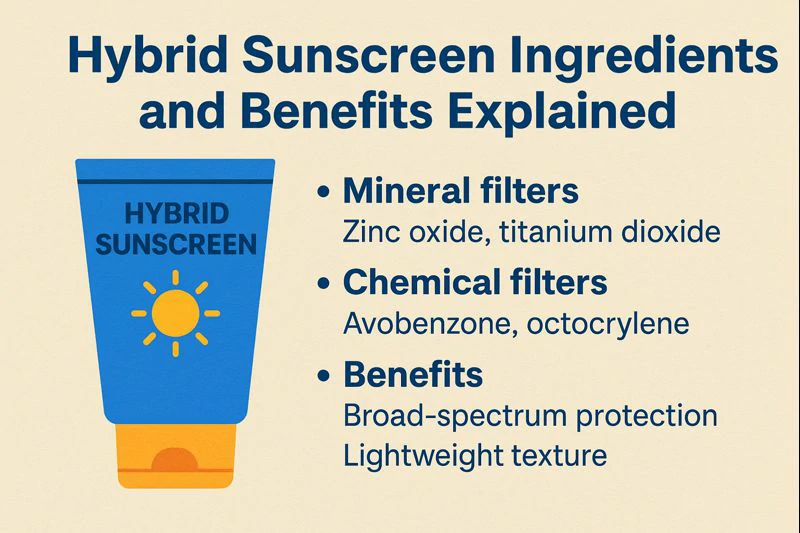
Chemical sunscreens containing oxybenzone, octinoxate, octocrylene, or octisalate are particularly vulnerable to oxidation. This chemical reaction alters the structure of the UV filters, causing the SPF to drop even if the product appears unchanged.
Mineral sunscreens with zinc oxide or titanium dioxide are generally more stable, but not immune to deterioration. Over time, mineral particles can clump, separate, or lose their uniform spread on the skin—making the protective layer inconsistent.
Dermatologists agree on one thing: expired sunscreen can give you a false sense of security. Using it means your skin may not receive the level of defense promised on the label.
How Long Does Sunscreen Last?
Most sunscreens remain effective for up to three years, following stability requirements set by the U.S. Food and Drug Administration (FDA). Dermatologists note that manufacturers test their formulas to ensure the SPF stays reliable throughout this period—as long as it’s stored correctly.
Heat exposure is the biggest factor that shortens shelf life. Sunscreen left in a car, beach bag, or near a sunny window can break down much faster, even before the printed expiration date. For beginners, a good rule of thumb is to monitor how long a bottle lasts. If you rarely finish sunscreen within a year, you may not be applying enough for proper coverage.
Replacing sunscreen regularly ensures you’re getting the SPF protection your skin truly needs for daily safety.
How to Tell If Your Sunscreen Is Expired
Checking whether your sunscreen is still safe to use is simple and doesn’t require technical knowledge. A few signs can help you determine its condition.
- Look for the Expiration Date
As an over-the-counter drug, sunscreen must list an expiration date based on FDA-regulated testing. You’ll usually find it on the top crimp, bottom seam, or outer box. If the date has faded, use the general guideline of three years from the manufacturing date—but only if the product was stored properly. Sunscreen repeatedly exposed to heat may expire much earlier. - Observe the Smell, Texture, and Color
Dr. Marchbein notes that a runny or separated texture often signals ingredient breakdown. Other warning signs include clumping, a yellowish tint in formulas that should be white, or an unusual or rancid smell.
Even if the sunscreen looks “almost normal,” dermatologists warn that invisible chemical changes may already be reducing UV protection. When in doubt, replace it to keep your skin safe.
What Is the Best Way to Store Sunscreen?
Proper storage plays a big role in keeping your sunscreen effective. Excess heat and humidity can speed up ingredient breakdown, making the formula less reliable. According to board-certified dermatologist Dr. Marchbein, sunscreen should be stored at room temperature or in a slightly cooler place. This is why leaving it inside a hot car is never recommended, especially during warm weather.
When stored consistently in a shaded, dry area—and away from extreme temperature changes—most sunscreens can last from one season to the next. Still, many dermatologists encourage a “better safe than sorry” approach. Dr. Joshua Zeichner, for example, suggests replacing sunscreen at the start of each season to ensure you’re always using a fresh, stable formula.
In dermatology, using new sunscreen is seen as a simple but effective way to prevent UV exposure caused by unnoticed degradation. By storing sunscreen correctly and replacing it regularly, you reduce the risk of sunburn, premature aging, and other long-term UV-related skin damage.
Does Sunscreen Expire If the Bottle Hasn’t Been Opened?
Yes—even unopened sunscreen expires. Dermatologists explain that active UV filters continue to undergo slow degradation and oxidation over time, regardless of whether the seal is broken. Packaging helps protect the formula, but it can’t stop natural chemical aging.
This means the sunscreen’s stability and SPF performance will still decline as the expiration date approaches. An unopened bottle stored in ideal conditions may last the full shelf life printed on the label, but it will not remain effective indefinitely.
For anyone new to skincare, the rule is simple: always check the expiration date, even if the product has never been used. Relying on an expired, unopened sunscreen may leave your skin under-protected during sun exposure.
What Should You Do With Expired Sunscreen?
If your sunscreen is past its expiration date, the safest choice is to discard it and replace it with a fresh product. This also applies when the expiration date is rubbed off, when it has been stored in questionable conditions, or when you notice changes in texture or smell.
Dermatologists emphasize that sun protection is too important to risk on degraded formulas. Using expired sunscreen may leave your skin exposed to harmful UV rays, even if the product seems normal at first glance.
Switching to a new sunscreen ensures you get the full SPF protection promised on the label. For beginners building a skincare routine, this simple habit helps prevent sunburn, uneven pigmentation, and long-term skin damage.
How Bad Is It to Use Expired Sunscreen?
Using expired sunscreen can be more harmful than most people realize. Even when the texture or scent appears unchanged, the active ingredients may have deteriorated significantly. This reduces the UV protection your skin receives.
Dermatologist Dr. Marchbein notes that expired formulas often become far less effective, increasing the likelihood of sunburn, worsening hyperpigmentation, and elevating long-term risks such as skin cancer. Other experts agree that while some expired products may still offer minimal protection, it is rarely enough to shield the skin properly.
Because UV exposure accumulates over time, relying on weakened sunscreen can have lasting consequences. Ensuring your sunscreen is within its shelf life is a simple yet essential step for maintaining healthy, well-protected skin—especially if you spend time outdoors or near windows daily.
How to Choose the Right Sunscreen for Your Skin Type
Choosing the right sunscreen for your skin type ensures effective protection without irritation. Dermatologists recommend starting by understanding your skin’s basic needs—whether it’s oily, sensitive, dry, or acne-prone.
For oily or breakout-prone skin, lightweight formulas are ideal. Look for oil-free, non-comedogenic gels or lotions that won’t clog pores. Chemical sunscreens often absorb faster, but many people with acne-prone skin still prefer mineral formulas with zinc oxide. Products like La Roche-Posay Anthelios Oil Control are frequently recommended for their matte, non-greasy finish.
For sensitive skin, board-certified dermatologists such as Dr. Marisa Garshick often favor mineral sunscreens, since zinc oxide and titanium dioxide are gentler and less likely to trigger redness or stinging.
If you have dry skin, choose sunscreens enriched with hydrating ingredients like ceramides, hyaluronic acid, or nourishing emollients. Cream textures help maintain your skin barrier throughout the day.
By understanding your skin’s behavior and reading labels carefully, choosing a sunscreen becomes far easier—and ensures consistent, comfortable UV protection every day.
SPF, Broad-Spectrum, and Water Resistance: What Do They Really Mean?
Sunscreen labels can be confusing, but understanding these terms is key to getting proper UV protection. Dermatologists emphasize three important features: SPF, broad-spectrum, and water resistance.
SPF (Sun Protection Factor) measures defense against UVB rays, which cause sunburn. Experts generally recommend SPF 30 for daily use, as it blocks most UVB exposure. Higher SPF levels can offer added safety for intense outdoor activities.
Broad-spectrum means the sunscreen shields against UVA and UVB. UVA rays penetrate deeper and contribute to premature aging and long-term cellular damage. Dermatologists like Dr. Joshua Zeichner often stress that broad-spectrum protection is non-negotiable for modern sunscreen.
Water-resistant doesn’t mean waterproof. Instead, it indicates that the sunscreen maintains protection for 40 to 80 minutes while sweating or being in the water. After that, reapplication is essential.
Understanding these terms makes it easier to choose a sunscreen that truly fits your lifestyle, whether you’re commuting daily or spending hours outdoors.
How to Apply and Reapply Sunscreen Correctly
Correct application is just as important as choosing the right sunscreen. Dermatologists emphasize that the amount, timing, and reapplication determine how well your sunscreen protects your skin.
For adequate coverage, use about one teaspoon of sunscreen for each major body area. Your face needs roughly ¼ to ½ teaspoon. Apply it evenly without rubbing too hard, as excessive pressure can disturb the formula. Dermatologists like Dr. Marisa Garshick advise applying sunscreen 15 minutes before sun exposure to allow the active ingredients to work effectively.
For a simple measurement, many experts recommend the “two-finger rule”: apply a strip of sunscreen along two fingers for your face and neck.
Reapplication is crucial. Dermatologists advise reapplying every two hours, or sooner if you swim, sweat, or towel-dry. For reapplying over makeup, sunscreen sprays or powders—such as those from Supergoop!—offer practical solutions.
With the right technique, you maintain strong UVA and UVB protection throughout the day.
Final Thoughts
Memahami cara memilih, menilai, dan menggunakan sunscreen dengan benar membantu memastikan perlindungan kulit tetap optimal. Dermatolog menekankan pentingnya memilih formula sesuai jenis kulit—mulai dari non-comedogenic untuk kulit berminyak, mineral sunscreen untuk kulit sensitif, hingga krim dengan pelembap tambahan untuk kulit kering. Istilah penting seperti SPF, broad–spectrum, dan water-resistant juga menentukan seberapa efektif produk bekerja melindungi dari UVA dan UVB.
Namun, sunscreen bisa menjadi kurang efektif jika tidak digunakan dengan benar atau tidak diperbarui secara berkala. Aplikasi harus cukup, diratakan merata, dan dilakukan 15 menit sebelum keluar rumah. Reapply setiap dua jam sangat penting, terutama setelah berkeringat atau terkena air. Memahami karakter kulit, membaca label dengan teliti, dan mengikuti aturan pemakaian membantu memastikan sunscreen Anda tidak “outdated” dalam fungsinya dan tetap memberikan perlindungan maksimal setiap hari.
You might also like
 Acne
Acne Anti-Aging
 Business
 Digital Marketing
 Economics
 Exfoliation
 Hair Removal
 Movies
 Personal Finance
 Websites