How to Apply Spray, Stick, and Liquid Sunscreens Properly
Protecting your skin from UV rays is no longer optional—it’s an essential part of everyday skincare. Dermatologists agree that consistent sunscreen use helps prevent premature aging, sun damage, and even skin cancer. Without proper SPF protection, the benefits of other skincare steps become far less effective.
Today’s innovations make sunscreen easier and more comfortable to use. Beyond thick creams, we now have spray, stick, and liquid sunscreens that feel lightweight and practical for daily wear. Still, this variety often leaves beginners unsure about which formula offers the best protection and experience.
To clarify these differences, board-certified dermatologists Dr. Asmi Berry and Dr. Nava Greenfield highlight how each type works, how to apply them correctly, and how to match them with your skin’s needs. With the right guidance, you can choose a sunscreen that fits your lifestyle—whether you prefer convenience, precision, or maximum coverage.
What Is Spray Sunscreen?
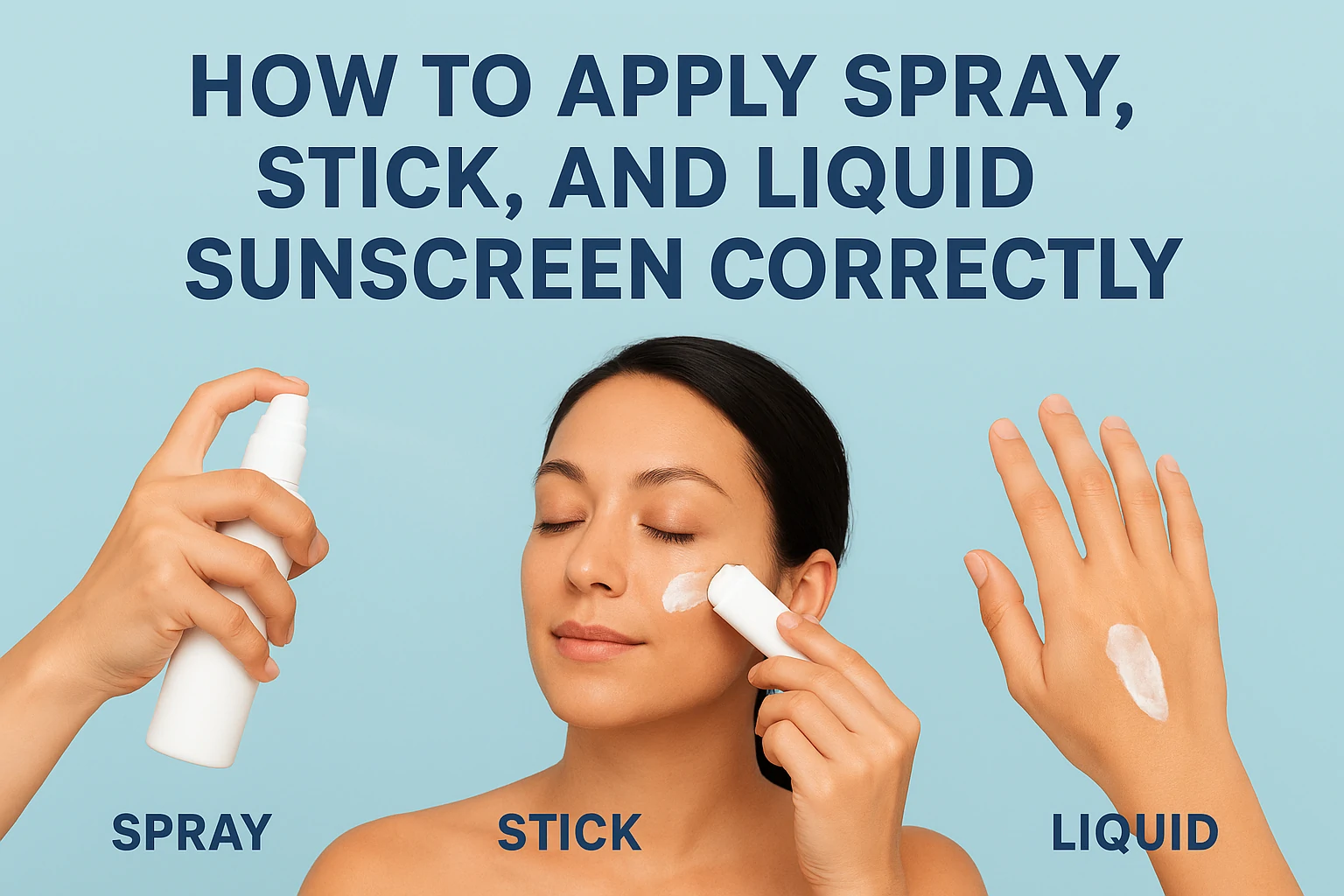
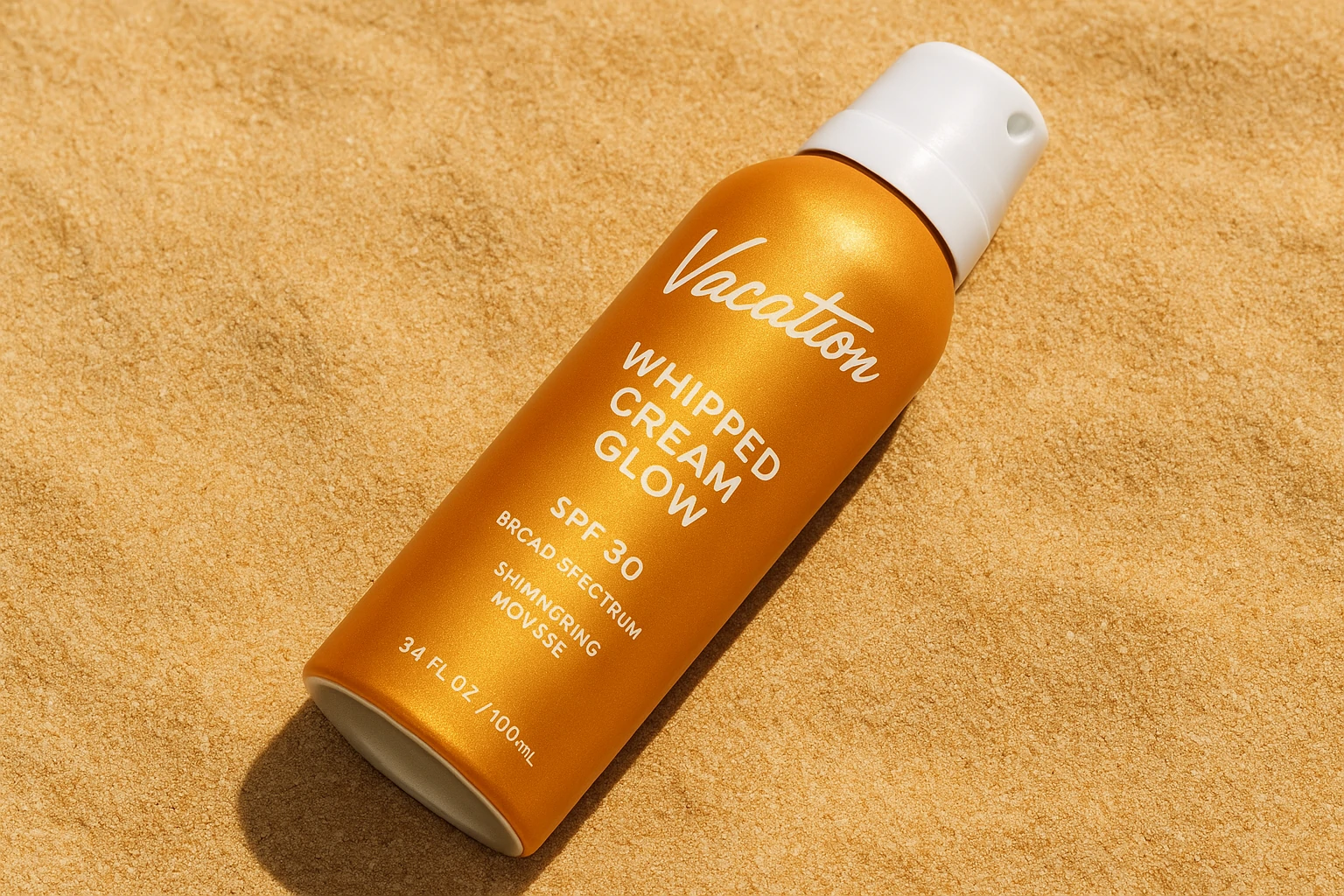
Spray sunscreen is a lightweight mist or aerosol designed for quick, easy application—perfect for those who want sun protection without the greasy feel. According to Dr. Asmi Berry, some sprays feel like a fine mist, while others create a thin layer that still needs to be spread with your hands. Its non-sticky texture makes it popular for covering large body areas efficiently.
There are two main types of spray sunscreen:
- Aerosol spray – It produces tiny droplets that disperse widely, meaning you often need more product for proper SPF protection. Dr. Nava Greenfield notes that aerosol sprays can be less precise and may have environmental drawbacks due to propellants.
- Manual pump spray – This version offers a more controlled and targeted spray, making it easier to ensure even coverage. Dr. Berry highlights that pump sprays are generally more user-friendly for beginners.
Understanding these differences helps you choose a spray sunscreen that matches your comfort level, application style, and environmental considerations.
How to Use Spray Sunscreen
To get full SPF protection, Dr. Asmi Berry recommends applying spray sunscreen until the skin looks evenly shiny, then spreading it with your hands to ensure proper coverage. This simple step significantly improves how well the sunscreen performs throughout the day.
However, Dr. Nava Greenfield warns that aerosol sprays pose a risk of inhalation, especially when used around the face. For this reason, spray sunscreen is better suited for the body, outdoor activities, and quick reapplication—particularly on hard-to-reach areas like the back.
If you prefer using spray sunscreen on your face, choose a formula labeled safe for facial use. Dr. Berry suggests the safest method: spray the product onto your hands first, then apply it evenly to your face. This technique minimizes inhalation risks while ensuring the sunscreen spreads correctly.
With proper technique, spray sunscreen becomes a practical, travel-friendly option for maintaining UV protection wherever you go.
What Is a Stick Sunscreen?
Stick sunscreen is a solid, balm-like formula housed in a twist-up tube—similar to lip balm or a deodorant stick. Dr. Asmi Berry explains that its waxy or creamy texture creates a durable protective layer, making it ideal for sweat-prone activities or frequent outdoor exposure.
Because of its thicker consistency, stick sunscreen can be slightly harder to blend compared to liquid or spray formulas. Dr. Nava Greenfield notes that while it doesn’t always need to be fully rubbed in, you must apply it generously to ensure no areas are missed—especially spots that receive direct sunlight.
Some people may notice a mildly tacky finish, but the precision and mess-free format make stick sunscreen excellent for the face, around the eyes, and other targeted areas. It’s particularly useful for on-the-go touch-ups and for those who prefer a clean, controlled application without spills.
How to Use Stick Sunscreen
Applying stick sunscreen requires attention to both technique and quantity, especially because its clear or semi-clear finish can make it easy to underestimate how much you’ve used. Dermatologist Dr. Nava Greenfield recommends gliding the stick firmly across the skin in a single, even pass. Meanwhile, Dr. Asmi Berry suggests a more generous approach: swipe the same area four to five times to ensure a thick, protective layer.
Both dermatologists emphasize reading the product’s instructions, as formulas and recommended application methods can vary widely. Dr. Greenfield also reminds users to be mindful of commonly missed areas. “Uneven sunburns often happen because certain spots were never coated with stick sunscreen,” she explains.
Thanks to its precision and clean application, stick sunscreen is especially useful for the face, around the eyes, and small or curved areas that liquid sunscreen may not reach easily. When applied correctly, it offers reliable, targeted protection without mess.
What Is Liquid Sunscreen?
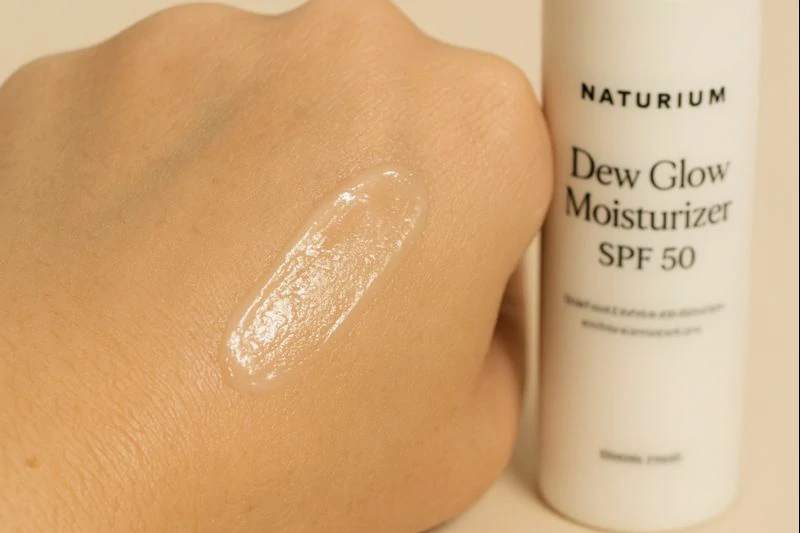
Liquid sunscreen is a versatile UV protector available in various textures, from rich creams to ultra-light fluids. Dermatologist Dr. Asmi Berry explains that this variety allows users to select a formula that aligns with their skin type and hydration needs.
Common categories include:
- Creamy formulas – Thicker and more moisturizing, ideal for dry or mature skin needing extra nourishment.
- Gel sunscreens – Smooth, spreadable, and often silicone-based, delivering a soft, velvety finish.
- Serum-style sunscreens – Lightweight, fast-absorbing, and typically infused with skincare ingredients; excellent for combination or oily skin and suitable under makeup.
- Watery fluids – Thin, essence-like formulas that are comfortable for layering and feel nearly weightless on the skin.
This broad range makes liquid sunscreen one of the most adaptable options. Whether you want hydration, a matte finish, or something that disappears instantly on the skin, there is a texture to match your routine while still delivering strong UV protection.
How to Use Liquid Sunscreen
Using the correct amount is essential for liquid sunscreen to deliver full SPF protection. Dermatology experts recommend applying a coin-sized amount—roughly the size of a nickel to a quarter—for the face. For the entire body, the guideline is around one shot-glass amount (approximately 30 ml).
Liquid sunscreen is often considered the gold standard for initial application because its fluid texture spreads easily and absorbs evenly. Dr. Asmi Berry highlights that this even distribution helps maximize UV protection, making it more reliable than thicker or harder-to-blend formats.
Thanks to its lightweight feel, liquid sunscreen pairs well with makeup and layers comfortably over skincare products without leaving a heavy or greasy residue. When used consistently—especially before sun exposure—liquid sunscreen helps reduce long-term skin concerns such as dark spots, fine lines, and sun-induced damage.
With proper measurement and application, liquid sunscreen becomes a dependable, everyday choice for effective sun protection.
How to Choose
Choosing the right sunscreen depends on your skin type, daily routine, and how often you reapply. Dermatologist Dr. Asmi Berry notes, “The best sunscreen is the one that matches your skin and lifestyle—and the one you’ll actually reapply.”
Key guidelines include:
- Active or outdoors often: Opt for water-resistant spray or stick sunscreens for convenience and durability.
- Makeup wearers or skincare-focused users: Select lightweight serums or fluid sunscreens that layer seamlessly under makeup.
- Dry or sensitive skin: Go for creamier textures that offer extra hydration.
Texture preference also matters. Acne-prone skin benefits from non-comedogenic, lightweight formulas, while those who sweat frequently should choose sunscreens that stay put. Dr. Nava Greenfield adds that experimenting with different formats can help you find what feels best. You can use a liquid sunscreen in the morning, then reapply throughout the day with a spray or stick for practicality.
Most importantly, always choose a broad-spectrum SPF 30 or higher—and apply enough to ensure full, reliable protection.
Common Mistakes When Using Sunscreen
Even people who wear sunscreen daily often make mistakes that weaken its protection. According to dermatologist Dr. Asmi Berry, understanding these common errors can significantly reduce long-term UV damage and improve overall skin health.
Using too little product is the most frequent mistake. A thin layer won’t deliver the SPF written on the label. Many users think they’ve applied enough, but the skin often needs more than expected for proper coverage.
Skipping reapplication is another major issue. Dr. Nava Greenfield emphasizes that sunscreen must be reapplied every two hours—especially after sweating, swimming, or spending extended time outdoors.
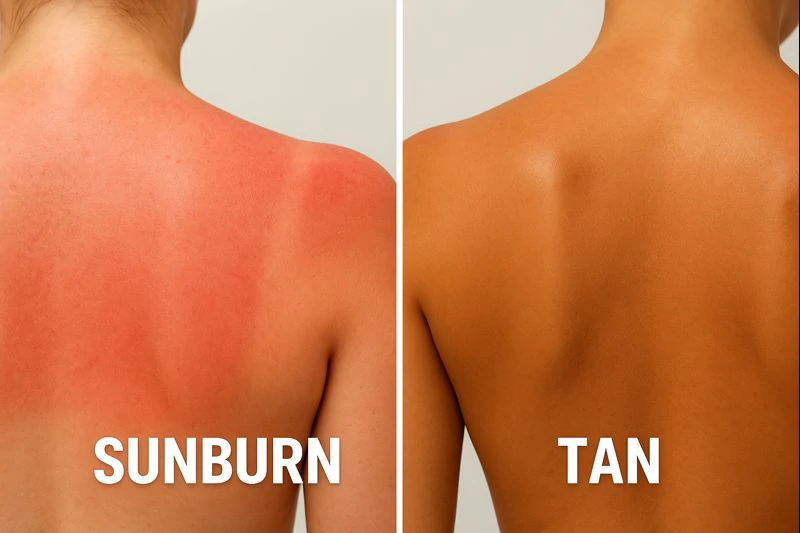
People also miss certain areas, such as the ears, back of the neck, hairline, and tops of the feet. These spots burn easily and are often neglected.
Another overlooked issue is using expired or degraded sunscreen. Once a product has passed its expiration date or has been exposed to excessive heat, its UV filters become less effective.
By avoiding these mistakes, your sunscreen can work as intended—helping prevent sunburn, premature aging, and uneven pigmentation.
When and How Often to Reapply Sunscreen
Sunscreen protection doesn’t last all day, even with high SPF. Dermatologist Dr. Nava Greenfield stresses that reapplying sunscreen is essential to maintain consistent defense against UV rays. Factors like sweat, swimming, heat, and friction from clothing gradually break down its effectiveness.
Experts generally recommend:
- Reapply every two hours when outdoors, especially under direct sunlight.
- Reapply immediately after swimming or heavy sweating—even if the formula is labeled water-resistant.
- Pay extra attention to areas often forgotten, such as the ears, neck, hands, and feet.
Dr. Asmi Berry also highlights the importance of reapplication when wearing makeup. Using a spray or stick sunscreen makes touch-ups easier without disturbing foundation or other products.
By following these reapplication rules, your skin stays protected throughout the day, helping reduce the risks of sunburn, premature aging, and long-term UV damage.
Final Thoughts
Choosing and applying sunscreen correctly is one of the most effective ways to protect your skin from sun damage, premature aging, and long-term UV risks. With multiple formats—spray, stick, and liquid—there’s a suitable option for every skin type and lifestyle. Liquid sunscreens provide smooth, even coverage for daily use, while stick and spray formulas offer convenience and precision for quick touch-ups throughout the day.
Regardless of the formula, using enough product, covering all areas, and reapplying every two hours are essential steps that many people still overlook. Dermatologists emphasize that consistent use, proper technique, and awareness of commonly missed spots significantly improve UV protection. By understanding how each sunscreen works and avoiding common mistakes, you can build a sun-safe routine that keeps your skin healthy, protected, and comfortable every day.
You might also like
 Acne
Acne Anti-Aging
 Business
 Digital Marketing
 Economics
 Exfoliation
 Hair Removal
 Movies
 Personal Finance
 Websites