Does SPF Makeup Actually Protect Your Skin? Dermatologists Weigh In
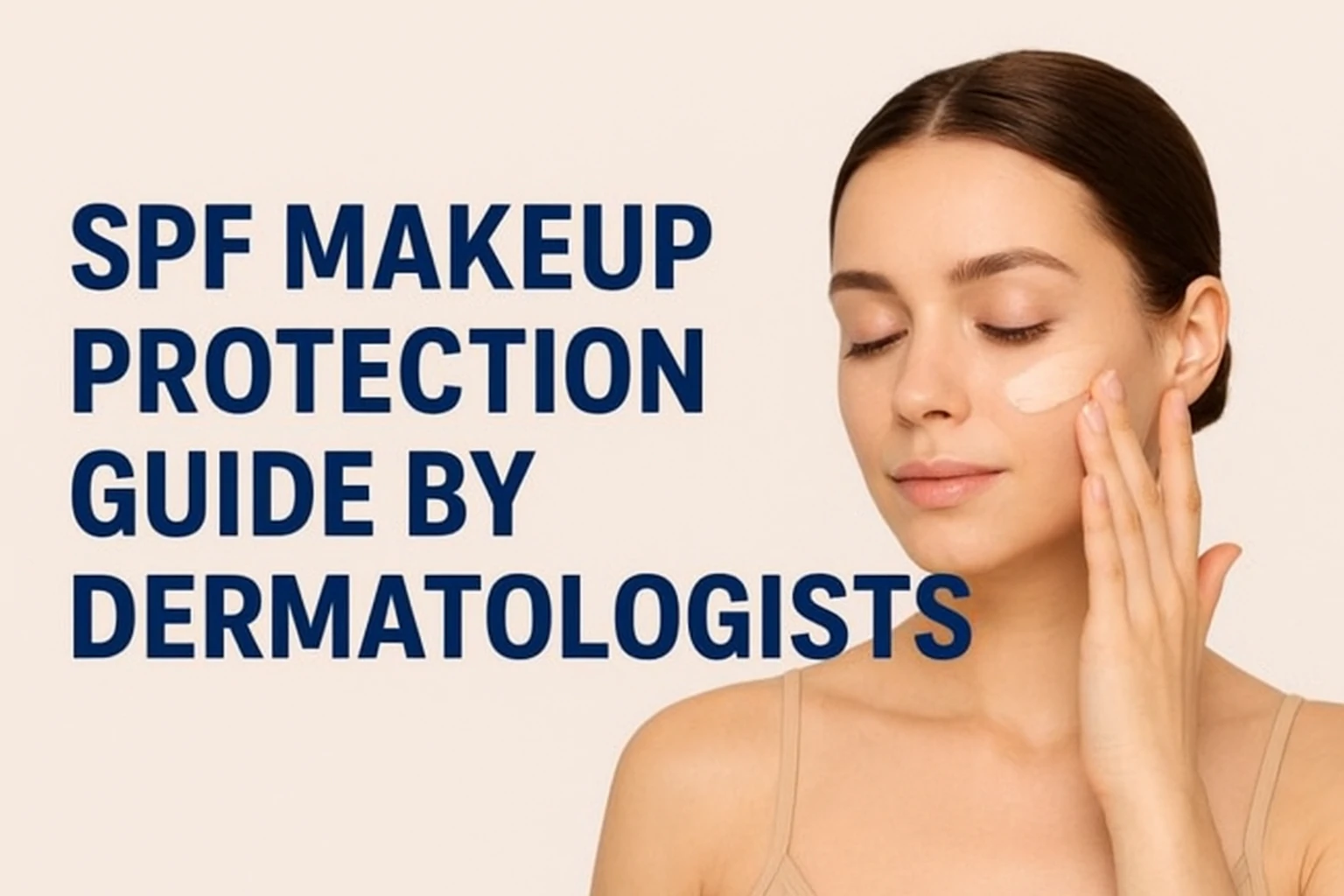
Sunscreen is a must in daily skincare routines, shielding your skin from harmful ultraviolet (UV) rays that accelerate aging and increase skin cancer risk. For convenience, many turn to multi-functional products like makeup with SPF.
However, dermatologists warn that SPF makeup alone doesn’t provide the same level of protection as traditional sunscreen. Dr. Asmi Berry, a board-certified dermatologist, explains that SPF makeup is best used as a complementary layer, not a replacement. Dr. Dendy Engelman adds that the thin application and blending of makeup usually reduce its actual SPF effectiveness compared to labeled claims.
Relying solely on SPF makeup leaves skin vulnerable to long-term UV damage. This article explores how SPF makeup works, its limitations, and expert tips for keeping your skin protected—even during intense sun exposure. Understanding these details helps beginners incorporate SPF safely into their beauty routine while maintaining healthy skin.
What Is SPF Makeup and How Does It Work?
SPF makeup combines cosmetic coverage with sun protection. It helps even skin tone while offering a layer of defense against UV rays. Dr. Dendy Engelman highlights that daily UV exposure accelerates skin aging and can increase skin cancer risk, making SPF-infused products valuable in everyday routines.
SPF isn’t limited to foundation or primer. Dermatologists suggest:
- Tinted moisturizers, BB/CC creams: Provide hydration plus light SPF protection.
- Powder or setting sprays: Maintain SPF coverage throughout the day.
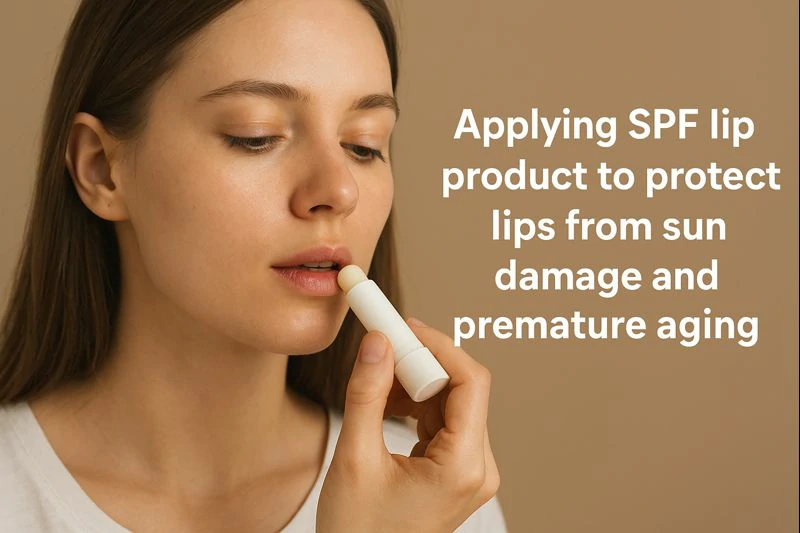
- Blush, bronzer, lip products: Some now contain SPF to protect smaller facial areas.
While SPF makeup adds convenience, it shouldn’t replace traditional sunscreen. Think of it as a supplementary layer that enhances protection without compromising your beauty routine. Proper usage ensures your skin stays healthier while enjoying the benefits of makeup.
Do You Still Need Sunscreen If Your Makeup Contains SPF?
Even with SPF makeup, dermatologists emphasize that standalone SPF makeup rarely provides sufficient protection. Dr. Asmi Berry notes that most products have low SPF levels, insufficient to block UV rays effectively.
Dr. Dendy Engelman explains, “To reach labeled SPF levels, you’d need to apply makeup heavily across all layers—foundation, powder, concealer—but even then, protection remains partial.”
Experts recommend viewing SPF makeup as a secondary layer. Traditional sunscreen, ideally SPF 30 or higher, should be applied before makeup to guarantee reliable protection. Using this combination reduces risks of premature aging, sunburn, and long-term skin damage.
In short, SPF makeup enhances sun defense but cannot replace daily sunscreen—layering remains key for safe, radiant skin.
How to Apply Sunscreen Under Makeup for Maximum Protection
Proper sunscreen application under makeup is crucial for effective UV defense. Dermatologists highlight layering as the main strategy—each product enhances overall protection.
Key tips:
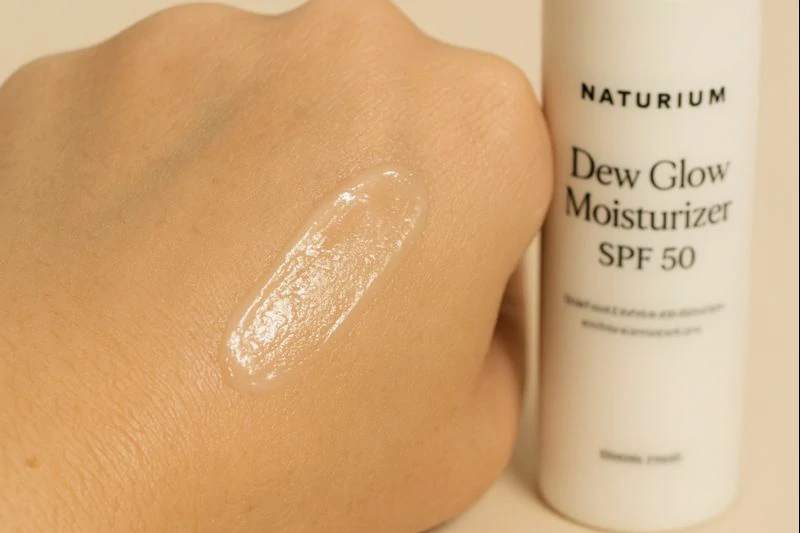
- Choose SPF 30+ sunscreen that is lightweight, non-comedogenic, and free of white cast. Dr. Asmi Berry suggests gel or serum textures for smooth makeup blending.
- Avoid thick or oily formulas that may cause makeup to smudge. Test on inner arm first, per Dr. Dendy Engelman.
- Apply on clean skin: Start from the center (nose, cheeks, chin, forehead) and spread outward to hairline, temples, ears, and neck. Allow absorption for a few minutes.
Follow with SPF primer or foundation, gently pressing with a sponge or fingers, then finish with SPF powder or setting spray. This method keeps makeup intact while maximizing UV protection for all-day skin health.
Should I Apply or Reapply Sunscreen Over My Makeup?
Reapplying sunscreen every two hours is essential for proper UV protection, even when you’re wearing makeup. While it may feel tricky, dermatologists have several practical methods to keep your coverage intact without ruining your look.
Dr. Asmi Berry recommends using powder sunscreen, either pressed or brush-on, for quick midday touch-ups. These formulas help refresh protection while keeping makeup smooth. Dr. Dendy Engelman highlights options like Skinbetter Sunbetter Tone Smart SPF 68 Compact and ISDIN Isdinceutics Mineral Brush, which add subtle tint or reduce shine—perfect for maintaining a fresh finish.
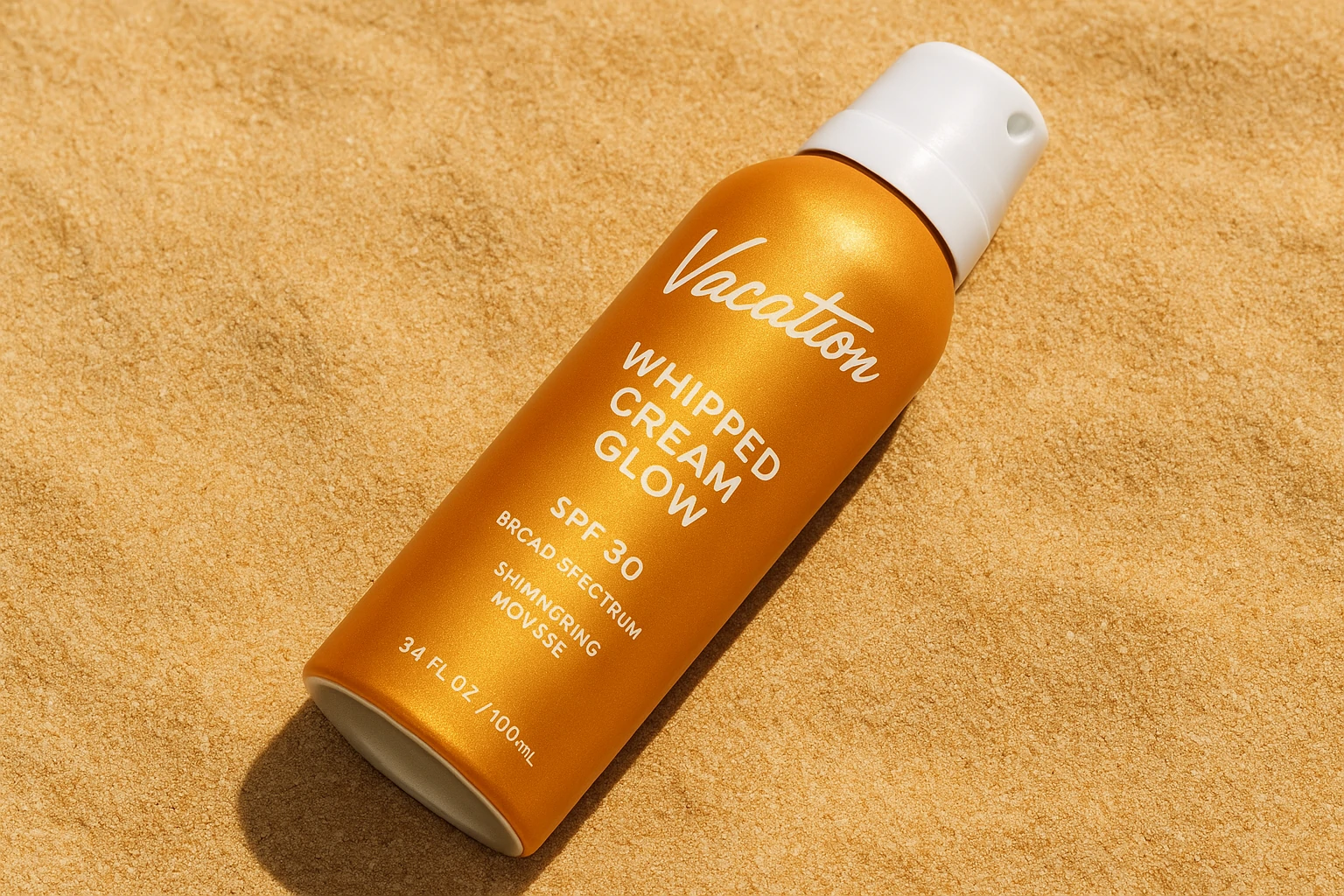
Another beginner-friendly method is using an SPF mist or setting spray, which adds lightweight, even protection without disturbing your foundation. You can also apply a tinted or clear sunscreen using a makeup sponge, gently pressing it onto the skin to avoid patchiness.
With the right technique, reapplying sunscreen becomes simple, allowing your skin to stay protected from UV damage all day—without starting your makeup routine from scratch.
SPF vs PA: Understanding UVA and UVB Protection
Sun exposure doesn’t just cause sunburn—it can also accelerate aging and increase long-term skin risks. That’s why understanding SPF and PA ratings is crucial when choosing daily protection.
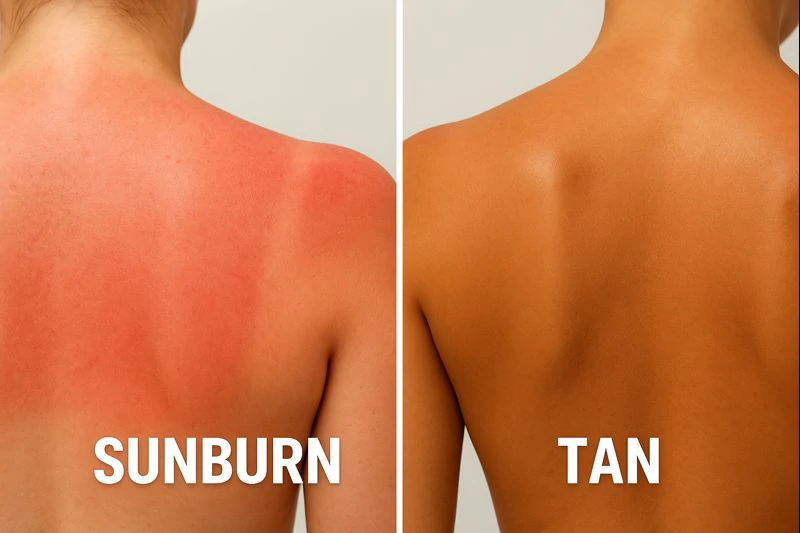
SPF (Sun Protection Factor) measures defense against UVB rays, which burn the skin and cause redness. Higher SPF means stronger UVB protection.
PA, on the other hand, indicates protection against UVA rays, which penetrate deeper and contribute to collagen breakdown, fine lines, and hyperpigmentation.
Dr. Dendy Engelman explains, “A product with high SPF but low PA may prevent burning, but it won’t adequately protect deeper layers from UVA damage.” Because of this, dermatologists always recommend broad-spectrum sunscreen that shields against both UVA and UVB.
Many modern SPF makeup products now include PA ratings or broad-spectrum labels, but their coverage is still too thin to replace proper sunscreen. Layering remains essential, especially in strong sunlight.
What SPF & PA Levels Are Best for Daily Makeup?
Choosing the right SPF and PA for everyday makeup ensures your skin stays protected without compromising your look. Dermatologists recommend at least SPF 30 for daily indoor-outdoor activities. Anything lower may offer protection for only brief sun exposure.
For PA, more plus signs (PA+, PA++, PA+++) signal stronger UVA defense. Dr. Asmi Berry stresses that UVA causes deep damage—collagen loss, pigmentation, and premature aging—making high PA ratings especially important for daily wear.
Makeup labeled broad-spectrum provides balanced protection against UVA and UVB. Foundations or BB creams with SPF 30–50 and PA+++ are excellent for daily routines.
However, dermatologists emphasize that makeup is applied too lightly to reach the full SPF rating. A proper sunscreen layer underneath is still necessary, while SPF makeup acts as bonus protection.
This combination keeps your skin safer from sun damage while ensuring your makeup stays flawless throughout the day.
Mineral vs Chemical Sunscreen — Which Is Better Under Makeup?
Sunscreens fall into two main categories—mineral (physical) and chemical—and knowing the difference helps you choose one that works best with your makeup routine.
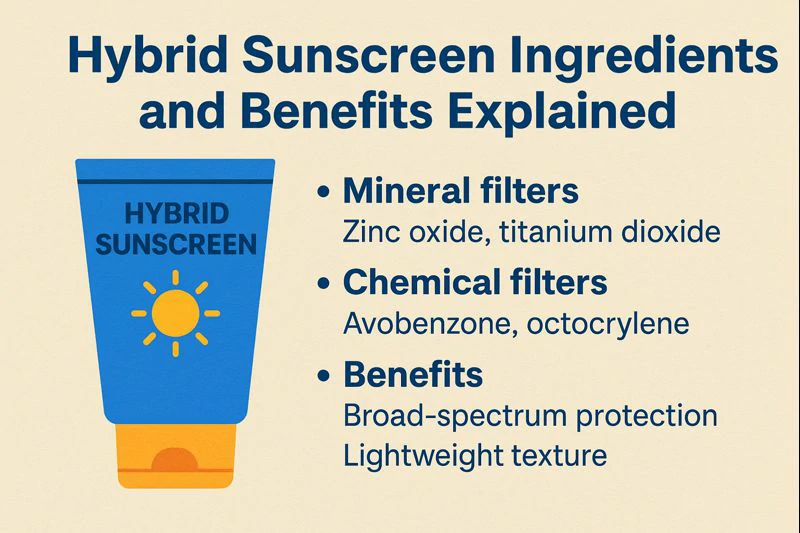
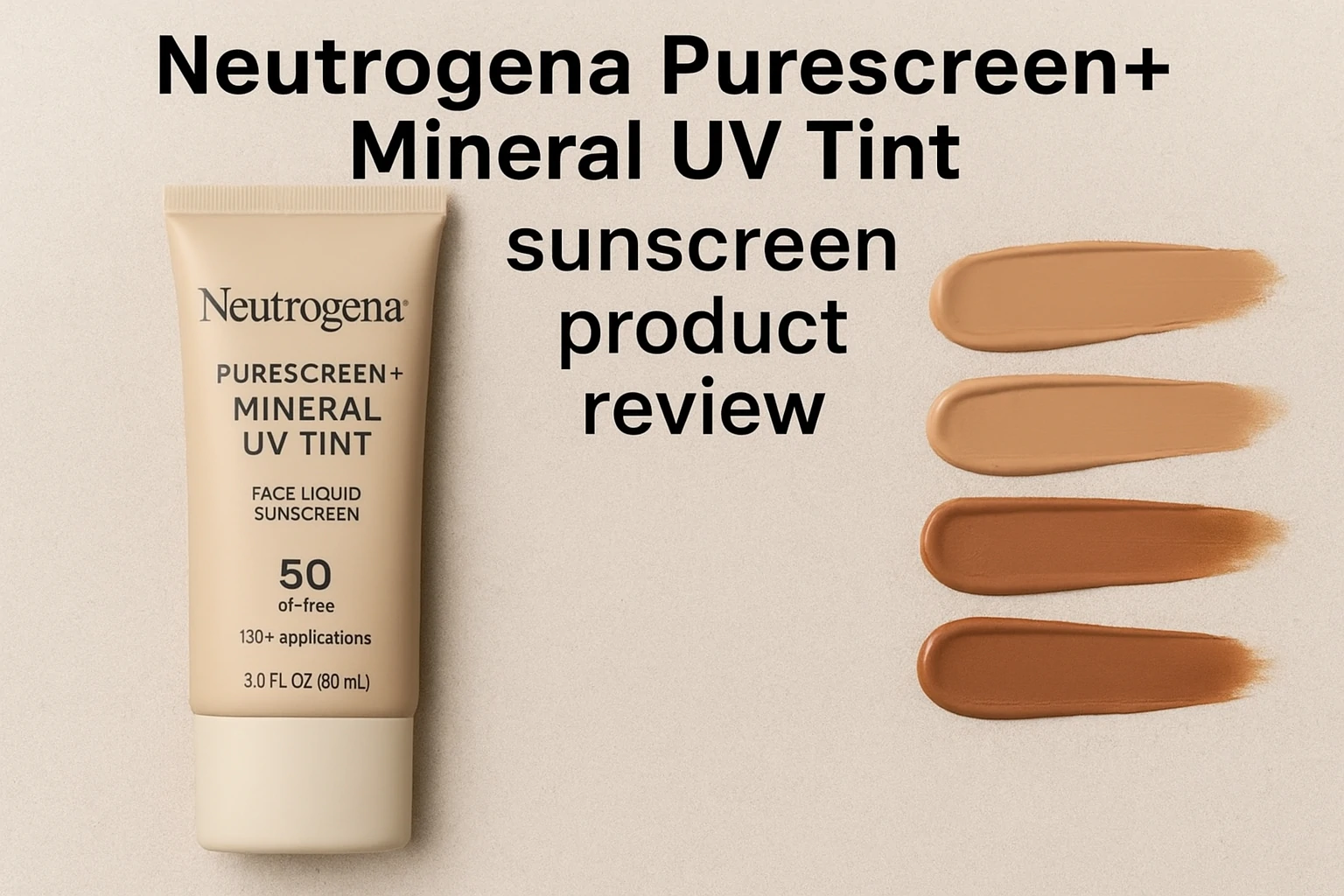
Mineral sunscreens, typically containing zinc oxide or titanium dioxide, sit on top of the skin and reflect UV rays. Dr. Dendy Engelman notes they’re often gentler for sensitive skin and offer immediate protection. However, some formulas may leave a white cast, which can affect makeup application, especially on deeper skin tones.
Chemical sunscreens absorb UV rays and convert them into heat. Dr. Asmi Berry explains that chemical formulas are usually lighter, easier to blend, and ideal for layering under makeup without feeling thick or greasy.
For daily makeup, dermatologists recommend choosing a lightweight broad-spectrum sunscreen, whether mineral or chemical, based on your skin type and texture preference. The right sunscreen ensures strong protection while keeping your foundation smooth and long-lasting.
Tips for Using Sunscreen & Makeup in Tropical or Hot Weather
Hot, humid climates—especially tropical environments—require smarter sunscreen and makeup strategies to keep your skin protected and your look intact. Dr. Asmi Berry emphasizes a combination of the right SPF, lightweight formulas, and consistent reapplication.
Key tips from dermatologists:
- Choose a lightweight, gel, or serum-texture sunscreen with SPF 30+ and broad-spectrum protection for comfortable wear in heat.
- Add extra defense with SPF makeup like tinted moisturizers, BB/CC creams, or SPF powders.
- Avoid heavy or oily products that can melt, crease, or cause makeup to slide in high humidity.
- Reapply SPF every two hours using powder sunscreen or SPF mist to maintain coverage without ruining your makeup.
- Use physical protection—hats, umbrellas, sunglasses—to shield larger areas of skin.
With these techniques, your skin stays protected from UVA and UVB rays while your makeup remains fresh throughout the day—even in intense heat.
You might also like
 Acne
Acne Anti-Aging
 Business
 Digital Marketing
 Economics
 Exfoliation
 Hair Removal
 Movies
 Personal Finance
 Websites