SPF Explained: Meaning, Use & How to Pick the Right Formula
Sun protection awareness has grown significantly in recent decades, especially among young adults starting their skincare journey. Sunscreens with SPF (Sun Protection Factor) are essential tools in preventing UV damage, premature aging, and even skin cancer. According to dermatologists Dr. Anna Guanche and Dr. Bradley Glodny, understanding SPF goes beyond the number on the bottle—it’s about how you apply it, how often, and choosing a formula suitable for your skin type.
Many beginners often wonder how much sunscreen to apply, whether higher SPF is always better, and how product formulations differ. Combining sunscreen with protective clothing, hats, and sunglasses amplifies skin defense. Using the right SPF product correctly ensures your skin stays healthy, radiant, and shielded from harmful UVA and UVB rays.
Investing in proper sunscreen education early helps build lasting habits that protect your skin daily, not just on sunny days. With a simple routine, you can enjoy outdoor activities without compromising long-term skin health.
Decoding Sunscreen Terminology
Understanding sunscreen labels is key to picking the right product. Terms like SPF, broad-spectrum, and UVA/UVB protection often confuse beginners. Knowing the difference ensures your skin gets full protection. Dermatologists emphasize that correct application and reapplication matter just as much as SPF numbers.
In this guide, we break down common sunscreen terms, helping readers choose formulas that fit their lifestyle, skin type, and sun exposure habits. From SPF meaning to broad-spectrum benefits, this knowledge empowers users to make informed choices and avoid sun damage, premature aging, and skin conditions.
1. SPF (Sun Protection Factor)
SPF measures how long sunscreen protects your skin from UVB rays before redness or burning occurs. For example, SPF 30 means your skin takes 30 times longer to burn than unprotected skin. SPF is determined through laboratory testing called Minimal Erythema Dose (MED), ensuring accurate protection levels.
Dr. Anna Guanche explains that while SPF numbers guide your choice, proper application and consistent use are critical. Even high SPF products fail if applied too thinly or irregularly. Beginners should learn to apply a generous amount and reapply every 2–3 hours, especially during outdoor activities.
2. Sunscreen
Sunscreen is the actual product—lotion, cream, or gel—applied to the skin, while SPF indicates its protective strength. Consistent use is vital, even for daily errands, not just beach trips. Dr. Guanche notes that sunscreen protects all skin types and ethnicities from harmful UV rays.
Routine sunscreen use reduces premature aging, dark spots, and the risk of skin cancer. Combining sunscreen with protective clothing, wide-brim hats, and umbrellas maximizes defense. Understanding sunscreen’s role empowers beginners to build a reliable skincare routine and maintain healthy, glowing skin.
3. Broad-Spectrum
Broad-spectrum sunscreens protect against both UVA and UVB rays. UVB causes sunburn, while UVA penetrates deeper, leading to wrinkles, collagen loss, and brown spots. Dermatologists recommend broad-spectrum products for comprehensive skin protection.
Dr. Guanche highlights products like Elta MD UV Clear Broad-Spectrum SPF 46, which combine UV defense with skin-loving ingredients such as niacinamide (reduces redness), hyaluronic acid (boosts hydration), and vitamin E (antioxidant). Broad-spectrum sunscreens not only prevent sunburn but also support long-term skin health, making them ideal for everyday use.
4. Water-Resistant Sunscreen
For swimmers, athletes, or anyone who sweats, water-resistant sunscreen is essential. According to the American Academy of Dermatology, water-resistant formulas remain effective for up to 40 minutes in water or during sweating. Very water-resistant options can last up to 80 minutes.
Dermatologists advise reapplying sunscreen after these time limits or after intense activities, as water and friction can diminish the protective layer. Choosing the right formula matters: quick-absorbing, very water-resistant sunscreens are ideal for pool sessions, beach days, or rigorous exercise.
By selecting water-resistant products and reapplying correctly, your skin stays protected from UV damage, sunburn, and long-term aging. This simple step ensures effective sun protection without interrupting your outdoor fun.
5. Reef-Safe Sunscreen
Environmental awareness has led to growing interest in reef-safe sunscreens. Some chemical sunscreens, like those containing oxybenzone and octinoxate, may harm coral reefs. While further research is ongoing, dermatologists and environmental experts recommend reef-safe products for those wanting to protect both their skin and the ocean.
Reef-safe sunscreens block UVA and UVB rays effectively, ensuring you don’t compromise sun protection while making eco-conscious choices. Understanding this label empowers consumers to care for both skin health and marine ecosystems, making sun safety responsible and sustainable.
6. Chemical vs Mineral Sunscreen
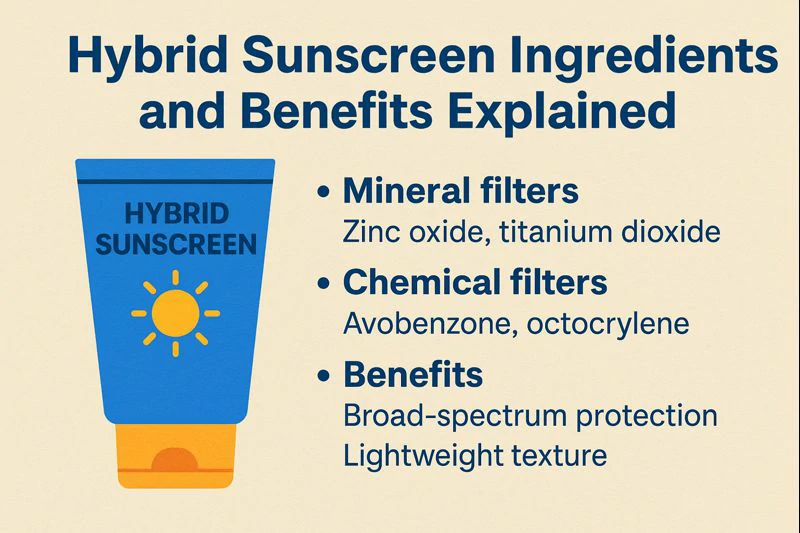
Choosing between chemical and mineral sunscreens depends on personal preference and skin needs. Mineral (physical) sunscreens contain titanium dioxide or zinc oxide, reflecting and blocking UV rays before they penetrate the skin. These often leave a visible white cast and feel heavier, but are gentle on sensitive skin.
Chemical sunscreens, with ingredients like avobenzone or octisalate, absorb UV rays and prevent skin damage. They are typically lightweight, fast-absorbing, and convenient under makeup.
Dr. Anna Guanche emphasizes that both types offer effective UVA and UVB protection when applied adequately and consistently. Beginners should pick the type that suits their lifestyle and comfort, ensuring daily sun protection without compromise.
What SPF Level Should You Use?
Choosing the right SPF level is crucial for effective sun protection. Many beginners wonder if SPF 15 is enough, or if higher numbers truly matter. Dermatologists emphasize that proper application, reapplication, and coverage matter more than SPF alone.
By understanding your skin type, sun exposure, and activity level, you can select an SPF that fits your lifestyle. Combining sunscreen with protective measures—like clothing, hats, and shade—ensures long-term skin health and reduces risks of premature aging, dark spots, and skin cancer.
1. Is SPF 15 Enough?
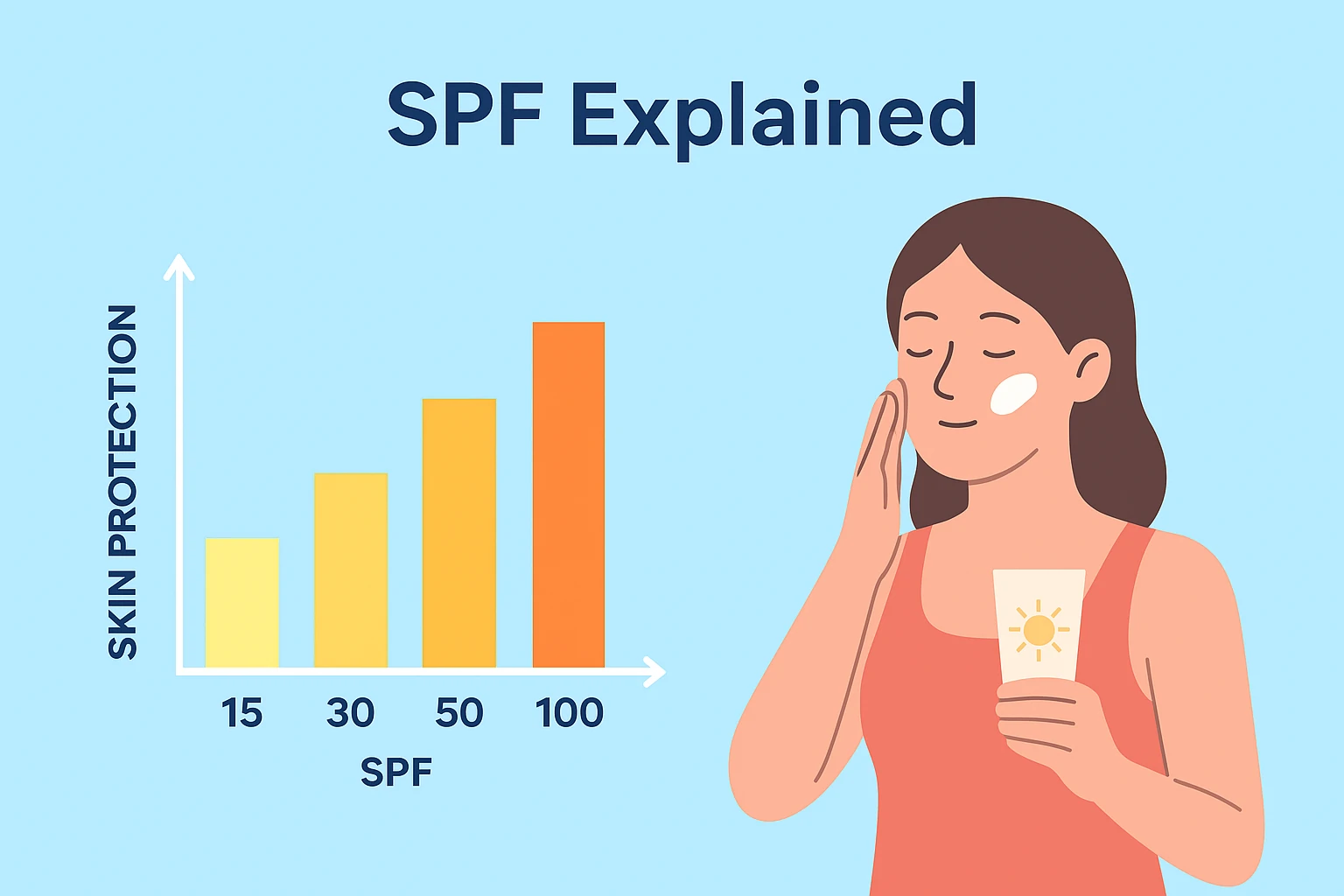
SPF 15 offers low protection, shielding skin about 15 times longer than no sunscreen. However, Dr. Bradley Glodny notes that SPF 15 often falls short, especially if applied too thinly or not reapplied.
For optimal results, beginners should use higher SPF, apply enough sunscreen, and reapply after sweating, swimming, or outdoor activities. Correct usage matters more than SPF number alone. Following these steps helps prevent premature aging, dark spots, and skin cancer effectively.
2. Most People Should Use SPF 30 at Minimum
For daily sun exposure, SPF 30 or higher is recommended. According to the Skin Cancer Foundation, SPF 30 blocks about 97% of UV radiation. Dermatologists advise broad-spectrum and water-resistant formulas for comprehensive UVA and UVB protection.
Reapply every 2 hours or after swimming or sweating, and choose water-resistant formulas for outdoor activities. SPF 30 offers significant protection while emphasizing proper application for maximum skin safety.
3. Is Higher SPF Better?
Higher SPF, like SPF 50, provides a safety margin if application is imperfect. Dr. Anna Guanche explains that adequate quantity—about ¼ teaspoon for face and neck—is key.
Even SPF 30 works effectively if applied correctly and consistently. The focus should remain on proper coverage and reapplication rather than chasing the highest SPF number. Correct usage ensures optimal UV protection and reduces skin damage.
4. Use SPF 70-100 If You Have Risk Factors Like Fair Skin
Individuals with fair skin, a family history of skin cancer, or genetic conditions like Xeroderma pigmentosum may need SPF 70–100. Dr. Bradley Glodny notes that SPF 100 blocks ~99% of UVB rays, offering maximum protection for high-risk individuals.
Pair high-SPF sunscreen with protective clothing, wide-brim hats, and shade to minimize sun damage, premature aging, and long-term skin cancer risk. This tailored approach ensures comprehensive skin protection.
5. Pair Sunscreen With Other Protective Measures
Sunscreen alone isn’t enough for optimal UV defense. Dr. Anna Guanche recommends combining SPF use with protective clothing (UPF-rated), wide-brim hats, shade, and avoiding peak sun hours (10 a.m.–4 p.m.).
This multi-layered strategy maximizes skin protection, reduces dark spots, premature aging, and lowers skin cancer risk. By pairing sunscreen with these measures, daily sun safety becomes practical, effective, and sustainable.
How Much Sunscreen to Use
Using the right amount of sunscreen is essential for effective UV protection. Dr. Anna Guanche recommends about three fingers’ worth for the face and neck, and roughly a small cup for the entire body.
Sunscreen SPF is based on 2 mg per cm² of skin. For an average adult, this equals about six full teaspoons—far more than most people apply. Frequency is equally important: apply every morning and reapply every 2 hours, especially after sweating or swimming.
For those wearing makeup, brush-on sunscreens like Colorescience Sunforgettable Broad-Spectrum SPF 50 make reapplication convenient and effective anytime outdoors, ensuring full coverage without disturbing makeup.
UPF vs. SPF
UPF (Ultraviolet Protection Factor) measures how much UV radiation fabrics block, such as shirts, swimwear, or hats. Dr. Bradley Glodny explains, “The higher the UPF, the less harmful UV reaches your skin, covering both UVA and UVB rays.”
SPF, by contrast, measures how long sunscreen protects the skin from UVB-induced redness. For instance, SPF 50 allows skin to tolerate sun exposure 50 times longer than unprotected skin.
Key difference: SPF protects only from UVB, while UPF protects against both UVA and UVB. Understanding this helps you choose the right combination of sunscreen and protective clothing for maximum skin defense.
Do You Really Need to Wear SPF Every Day?
Yes—daily sunscreen is essential, even during winter or when indoors. Dr. Anna Guanche emphasizes, “Sunscreen should be used every day! Clouds may block direct sunlight, but UV rays still reach your skin, causing potential damage.”
Indoor exposure also matters. While UVB rays don’t pass through glass, UVA rays do, which can contribute to premature aging and unwanted pigmentation. Sitting near windows or working at a computer still exposes skin to UVA damage.
Integrating sunscreen into your daily routine—even indoors—protects your skin long-term, preventing premature aging, dark spots, and reducing the risk of skin cancer. Daily SPF use ensures consistent, reliable defense and helps maintain healthy, radiant skin.
Common Mistakes in Sunscreen Use
Even though sunscreen is essential for UV protection, many people reduce its effectiveness through common mistakes. Dr. Anna Guanche highlights that understanding and avoiding these errors ensures maximum skin defense.
Frequent mistakes include:
- Applying too little: Use about three fingers for face and neck, and a small cup for the body. Thin layers prevent achieving the SPF listed on the product.
- Skipping reapplication: Sunscreen should be reapplied every 2 hours, or after swimming or sweating, to maintain protection.
- Only using it on sunny days: UVA rays penetrate clouds and glass, making daily use necessary, even indoors or on overcast days.
- Missing certain areas: Ears, neck, backs of hands, and feet are often overlooked. Full coverage of exposed skin is key for optimal protection.
Avoiding these mistakes ensures your sunscreen works effectively, reducing the risk of premature aging, dark spots, and long-term skin cancer. Proper habits make daily sun protection simple, practical, and reliable.
How to Apply Sunscreen Properly: Amount, Timing & Re‑apply
Proper sunscreen application is essential for effective UV protection. Dr. Anna Guanche emphasizes that the amount, timing, and reapplication are often overlooked but critical factors.
- Amount: Use about three fingers’ worth for your face and neck, and roughly a small cup for your entire body. SPF calculations are based on 2 mg per cm² of skin, and most people apply too little to achieve full protection.
- Timing: Apply sunscreen 15–30 minutes before sun exposure to allow active ingredients to absorb and work optimally.
- Reapplication: Reapply every 2 hours, or immediately after swimming, sweating, or towel-drying. Brush-on products like Colorescience Sunforgettable SPF 50 make reapplication quick and convenient, even over makeup.
Following these steps ensures protection against both UVA and UVB rays, helping prevent premature aging, dark spots, and long-term skin cancer. Proper application turns your sunscreen into an effective daily defense, keeping skin healthy, radiant, and protected no matter your outdoor activities.
You might also like
 Acne
Acne Anti-Aging
 Business
 Digital Marketing
 Economics
 Exfoliation
 Hair Removal
 Movies
 Personal Finance
 Websites