How to Treat Sunburned Lips: Dermatologist-Approved Tips

Lips are one of the thinnest and most delicate areas of your skin, which makes them highly vulnerable to sunburn. Many people only realize this after feeling a sharp sting, tightness, or intense heat on their lips after a day outdoors. If you’ve never experienced sunburned lips, consider it good luck—but also a reminder that UV protection isn’t only for your face and body. Your lips need it just as much, if not more.
Dermatologists often explain that the lips have a much weaker natural barrier compared to other skin areas. With fewer protective layers, UV radiation can quickly trigger inflammation, peeling, and discomfort. That’s why using a lip balm with broad-spectrum SPF and practicing consistent sun protection are essential steps for maintaining healthy lips.
In the sections ahead, leading dermatologists break down why lips burn so easily, the early symptoms you should watch for, and the most effective treatment and prevention strategies. With the right knowledge and daily habits, you can keep this sensitive area comfortable, healthy, and well-protected—no matter how strong the sun is.
Causes of Sunburned Lips
The main cause of sunburned lips is still ultraviolet exposure, but several biological factors make this area far more sensitive than the rest of your skin. Dermatologists note that the lip structure is extremely thin—made up of only a few cell layers—unlike facial or body skin, which has multiple protective layers. This thinness limits the lips’ defenses when exposed to sunlight.
According to dermatologist Dr. Marnie Nussbaum, fewer layers mean UV damage sets in much faster. Another expert, Dr. Margarita Lolis, explains that lip cells lack keratin, the protein that strengthens and protects the skin’s surface. Without keratin, the lips struggle to maintain moisture and resist irritation caused by sun exposure.
Low melanin levels further increase vulnerability. As Dr. Hadley King highlights, melanin helps absorb UV rays, but the lips contain very little of it. Combined with constant exposure and minimal natural protection, the risk of inflammation, dryness, and sunburn becomes significantly higher. All of these factors reinforce the need for daily SPF lip balm and mindful sun habits.
Signs of Sunburned Lips
Signs of sunburned lips usually appear quickly and are hard to ignore because the discomfort is immediate. Dermatologists note that early symptoms often include increased redness, mild swelling, tightness, and a noticeable burning sensation. These changes signal that the thin lip tissue is reacting to UV-induced irritation.
In more severe cases, small blisters may form. Dr. Margarita Lolis explains that these blisters typically appear as pale, fluid-filled bumps that develop when inflammation pushes fluid beneath the surface of the lips. This response indicates that the skin has sustained deeper damage.
Dermatologist Dr. Hadley King adds that blistering is a strong sign of second-degree sunburn, meaning the injury has reached deeper layers of the skin. At this stage, proper care becomes even more important to prevent infection, worsening pain, or prolonged healing. Recognizing the early symptoms allows you to act quickly, soothe irritation, and avoid further damage—especially if you spend long hours outdoors.
How to Treat Sunburned Lips
Treating sunburned lips requires a gentle, steady approach. Dermatologists emphasize that no single method works for everyone, so it often takes a bit of trial and error to find what calms your lips fastest.
Cold compresses are the first step. Apply a cold, damp cloth to soothe heat and reduce inflammation. Refresh it once it warms up. Cool water is enough, but some dermatologists recommend chilled low-fat milk—the proteins and enzymes may help lightly exfoliate and soothe irritation. Avoid full-fat milk as it can trap heat against the skin.
For discomfort and swelling, over-the-counter pain relievers like ibuprofen or acetaminophen can help when used as directed.
Keep your lips moisturized with a nourishing lip balm containing shea butter, aloe vera, or ceramides. These ingredients support barrier repair and prevent further dryness.
Avoid picking at peeling skin or popping blisters, as this increases the risk of infection and slows the healing process.
Finally, stay well-hydrated. Drinking plenty of water supports skin repair from the inside out and helps your lips recover more comfortably.
How to Prevent Sunburned Lips
Preventing sunburned lips goes hand in hand with overall UV protection, but this area needs extra attention because it’s often overlooked. Dermatologists agree that prevention is always more effective—and far easier—than treating sun damage afterward.
Start with protective clothing. A wide-brimmed hat can shield much of your face and lips from direct sunlight. Some experts also recommend UPF scarves or neck covers for added protection when you’re outdoors for long periods.
Try to avoid peak UV hours, typically between 10 a.m. and 3 p.m. If you must be outside, seek shade whenever possible and reinforce your sun-safety routine.
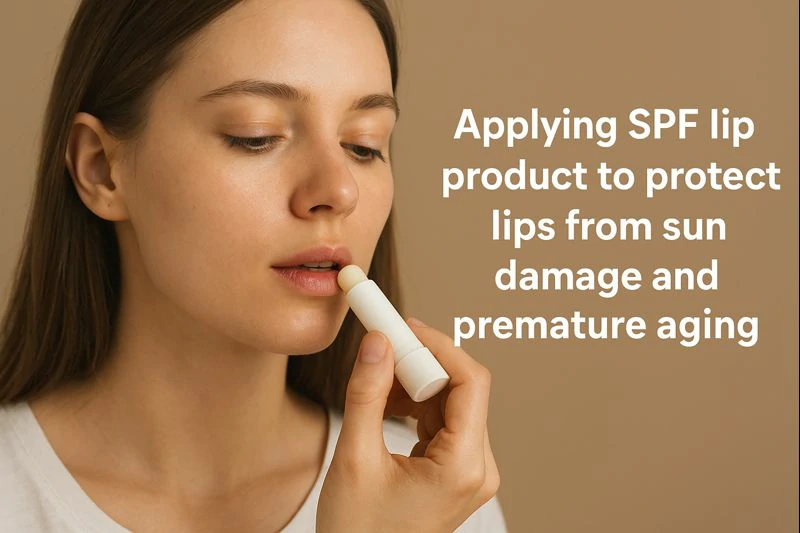
Use a broad-spectrum SPF lip balm, ideally SPF 30 or higher. Many dermatologists prefer matte formulas since glossy finishes can reflect more UV rays onto the lips.
Remember to reapply frequently. SPF on the lips wears off quickly due to eating, drinking, and natural movements, so apply every two hours—or sooner if your lips rub against clothing, food, or cups.
Consistent habits make a major difference in keeping your lips protected and healthy year-round.
How Long Do Sunburned Lips Take to Heal?
Healing time for sunburned lips varies, but most mild cases improve within a few days. Dermatologists note that the initial inflammation phase typically eases within 24–48 hours, marked by less heat, stinging, and tenderness. After that, the lip tissue gradually regenerates until the area feels smooth again.
For mild sunburn, many experts estimate 3–5 days of recovery—especially if you stay hydrated, avoid sun exposure, and apply a moisturizing SPF lip balm regularly. If peeling occurs, healing may take slightly longer as your body sheds damaged skin and replaces it with new cells.
In more severe cases involving small blisters, dermatologists often categorize this as a second-degree burn. Recovery can take 7–10 days, as deeper layers of the skin need time to repair.
To support the healing process, avoid peeling loose skin or popping blisters, which can lead to scarring or infection. Seek professional care if pain worsens, signs of infection appear, or your lips don’t improve after a week of proper at-home treatment.
When to See a Dermatologist for Sunburned Lips
Most cases of sunburned lips improve with gentle at-home care, but there are times when medical evaluation is necessary. Dermatologists advise seeking help if your lips show no improvement after 3–5 days, as this may indicate deeper skin damage that isn’t visible on the surface.
Watch for symptoms that worsen instead of getting better. Increasing pain, expanding swelling, or yellowish discharge can signal a possible infection, which requires professional treatment. Large or multiplying blisters should also be checked, as they can disrupt natural healing and may point to a more serious burn.
UV exposure can also trigger cold sores in some people. If you notice painful, tingling, or clustered blisters, dermatologists recommend getting prompt antiviral medication to control the flare and speed healing.
You should also schedule an appointment if you notice unusual discoloration, persistent sensitivity, or if the skin feels damaged even after inflammation subsides. A dermatologist can assess for long-term tissue injury, ensure proper healing, and prevent complications. Early evaluation provides peace of mind and helps your lips recover safely and completely.
Best Ingredients for Healing Sunburned Lips
Choosing the right ingredients is essential for soothing and repairing sunburned lips. Dermatologists emphasize focusing on formulas that calm inflammation, restore hydration, and rebuild the weakened moisture barrier after UV exposure.
Aloe vera is a favorite among experts due to its polysaccharides, which help cool irritated skin and support tissue repair. Ceramides are another key ingredient because they strengthen the skin barrier and reduce moisture loss, helping your lips feel more comfortable as they heal.
Many dermatologists also recommend panthenol (pro-vitamin B5), known for its ability to soften the skin and accelerate recovery. Nourishing emollients like shea butter and jojoba oil help lock in hydration without causing additional irritation.
For added protection, doctors often suggest petroleum jelly. It seals moisture, shields the lips from friction, and creates a protective layer that supports the healing process.
Avoid ingredients such as menthol, camphor, and essential oils, which can intensify irritation on already sensitive lips. Gentle, fragrance-free formulas are the gold standard for helping sunburned lips recover quickly, comfortably, and safely.
You might also like
 Acne
Acne Anti-Aging
 Business
 Digital Marketing
 Economics
 Exfoliation
 Hair Removal
 Movies
 Personal Finance
 Websites