Why You Should Never Peel Sunburned Skin, According to Dermatologists
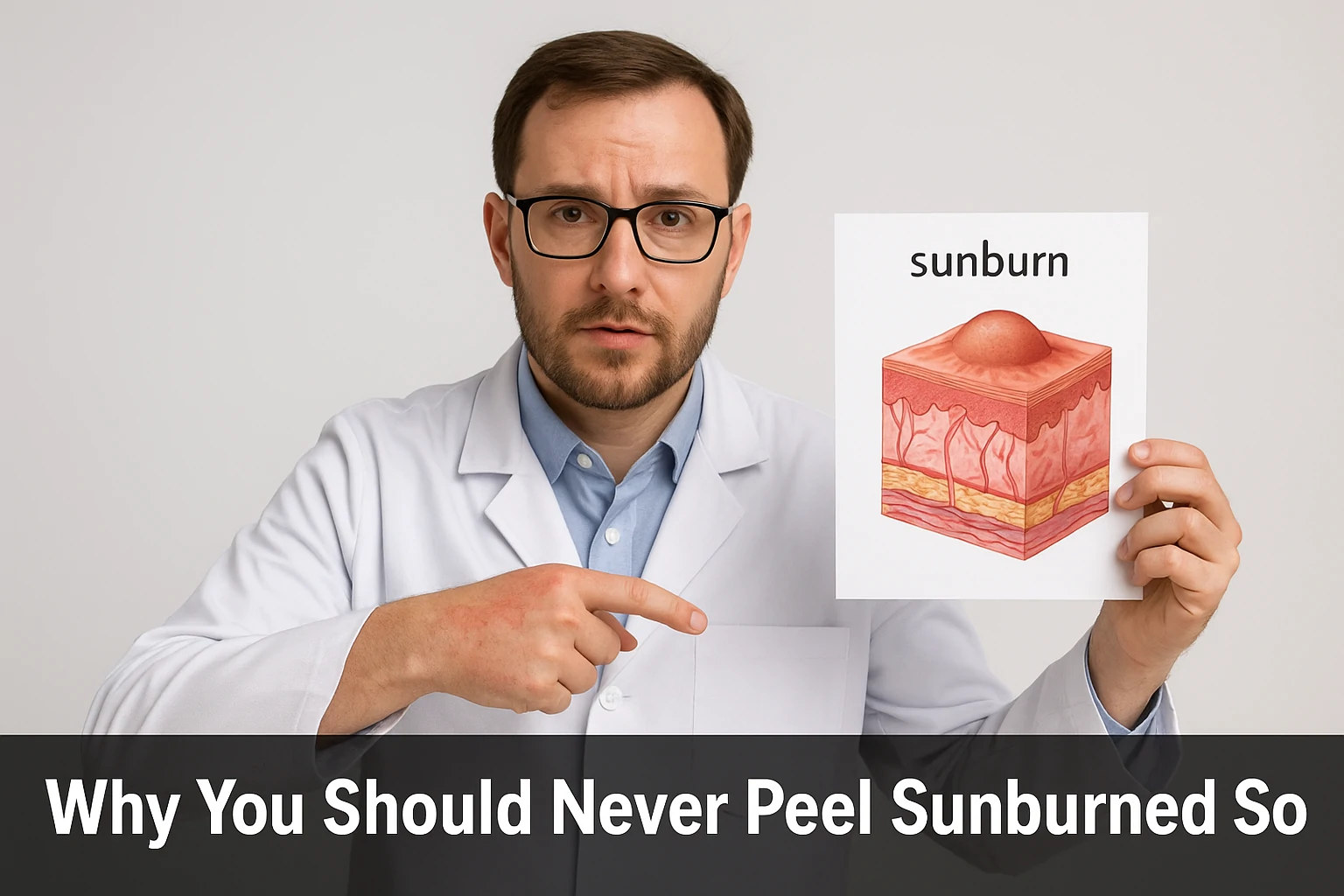
Sun exposure is often unavoidable, and even with proper sunscreen, sunburn can still happen. In the days that follow, your skin may feel hot, tight, itchy, and increasingly sensitive—eventually leading to visible peeling. At this stage, many people feel tempted to pull off the loose skin, hoping it will speed up recovery.
Board-certified dermatologists Dr. Jeremy Brauer and Dr. Kenneth Mark explain that this habit does the opposite. Forcing the skin to peel disrupts your skin barrier right when it’s trying to repair itself. This can trigger new irritation, slow healing, and raise the chance of infection or post-inflammatory hyperpigmentation—one of the most common long-term effects of sunburn.
Proper after-sun care plays a major role not only in soothing discomfort but also in protecting long-term skin health. By understanding how sunburn heals and what you should avoid, you can support a smoother recovery and prevent unnecessary damage.
Their expert insights below will help you manage sunburn safely—without worsening inflammation or interrupting your skin’s natural repair process.
Why Does Sunburned Skin Peel?
Peeling after a sunburn is your skin’s natural repair response. Excessive UV exposure damages the DNA inside skin cells, and when the cells can no longer function properly, the body begins shedding them. According to dermatologist Dr. Kenneth Mark, this shedding is your body’s way of clearing out dead or injured cells so healthier ones can take their place.
Inflammation also plays a role. Sunburn causes swelling within the skin, and this internal pressure can push damaged cells upward faster, making peeling more noticeable around day three. What you’re seeing is the outer layer of the epidermis lifting as new cells form underneath.
While the flaking can look messy, it’s actually a sign of active regeneration. The key, dermatologists emphasize, is to let the process unfold naturally. Interfering with peeling can harm the fresh skin beneath, leading to irritation, uneven tone, or even infection. Allowing your skin to heal at its own pace supports a healthier—and safer—recovery.
Is It Bad to Peel a Sunburn?
Yes—peeling sunburned skin can cause more damage than you think. Dermatologist Dr. Jeremy Brauer notes that the loose, flaky layer you see acts as a temporary shield while new cells strengthen underneath. Pulling it off too early can tear the delicate skin, create uneven pigmentation, and potentially leave scars. In some cases, the exposed area may blister more easily when it meets sunlight again.
Dr. Kenneth Mark adds that picking at peeling skin removes its natural protection against bacteria. New skin is extremely thin and vulnerable, making it easier for germs to enter and slow down the healing process. This increases your risk of secondary irritation or infection—two common reasons sunburn takes longer to resolve.
The safest approach? Let the skin peel on its own. Keep it moisturized, avoid friction, and protect it from UV exposure to support healthy regeneration. Gentle care ensures your skin recovers smoothly without unnecessary complications.
Can You Prevent Sunburn Peeling?
Technically, there’s no way to completely stop skin from peeling after a sunburn. Dermatologist Dr. Jeremy Brauer emphasizes that true prevention begins before UV damage occurs—through consistent sun protection, broad-spectrum sunscreen, SPF clothing, and avoiding peak UV hours.
Once the skin is burned, peeling becomes part of the body’s natural repair cycle. Still, a few strategies can help minimize how intense the peeling becomes by calming inflammation early on. According to Dr. Kenneth Mark, the following two steps are especially helpful:
- Use soothing ingredients.
Aloe vera, chamomile extract, or cooling gels can ease irritation and reduce heat, helping the skin stay more comfortable while it regenerates. - Take OTC anti-inflammatory medication.
Non-steroidal anti-inflammatory drugs like ibuprofen may reduce swelling and early inflammation, slightly lowering the chances of severe peeling.
Even though you can’t fully prevent it, gentle care, hydration, and UV avoidance support a smoother healing process—without worsening the damage.
How Can I Treat a Peeling Sunburn?
Treating a peeling sunburn requires a gentle, barrier-supporting approach. Dermatologists agree that the first step is strict sun avoidance. Keep the affected area covered with broad-spectrum sunscreen and protective clothing until the skin has fully recovered.
Cool showers can ease heat and inflammation, while OTC anti-inflammatory medications like ibuprofen may reduce swelling and early discomfort.
Moisture is the backbone of sunburn recovery. Dr. Jeremy Brauer notes that emollient-rich moisturizers help maintain hydration and strengthen the skin barrier, reducing dryness, redness, and irritation more quickly.
Recommended soothing ingredients include:
- Aloe vera — known for its cooling, calming effect.
- Soy — helps soften the skin and reduce mild inflammation.
Avoid rubbing, scrubbing, or peeling off loose skin, as these actions can damage new cells and prolong recovery. Consistent, gentle care allows your skin to heal cleanly and comfortably.
How Long Does Sunburn Peeling Last?
The length of sunburn peeling varies based on the severity of the burn and individual skin condition. Dermatologists explain that peeling typically begins around day three, once damaged epidermal cells start lifting away. For most people, the process lasts 3 to 7 days, though it may extend longer if the sunburn is severe or if the skin isn’t properly cared for.
During this period, your body is developing fresh, sensitive skin that needs extra protection. Optimal hydration—both through moisturizers and adequate water intake—helps speed up recovery and reduces discomfort.
To keep peeling from lasting longer than necessary, dermatologists recommend:
- Using gentle moisturizers with ceramides or aloe vera.
- Avoiding friction from loofahs, scrubs, or rough fabrics.
- Protecting the area with sunscreen and UV-blocking clothing anytime you’re outdoors.
If peeling persists beyond two weeks or is accompanied by severe pain, dermatology guidelines suggest seeking medical evaluation to rule out deeper skin damage or secondary complications.
Signs Your Sunburn Is Severe — When to See a Doctor
Not all sunburns are mild. In some cases, the damage reaches deeper layers of the skin and requires medical attention. Dermatologists note that large blisters are the clearest sign of a severe sunburn and should never be popped, as this increases the risk of infection.
Other warning signs include intense swelling, throbbing pain, or skin that appears extremely red or purplish. Symptoms such as fever, chills, nausea, or a strong headache may indicate a more widespread inflammatory response caused by excessive UV exposure.
Seek medical help if:
- Pain doesn’t improve after 48 hours, even with OTC anti-inflammatory medication.
- The sunburn covers a large area, such as your back or both arms.
- You notice possible infection—pus, red streaks, or an unusual odor.
Consulting a doctor ensures no deeper tissue damage is present and allows for targeted care, including prescription ointments or additional therapies. Early evaluation can also prevent long-term complications and support faster healing.
Best Ingredients & Skincare Habits to Support Healing
Sunburn recovery relies on the right ingredients and gentle habits. Dermatologists explain that the main goals are to calm inflammation, boost hydration, and restore the weakened skin barrier.
Effective ingredients include:
- Aloe vera — soothes heat and reduces discomfort.
- Ceramides & hyaluronic acid — help lock in moisture and repair the barrier.
- Soy extract — reduces mild redness and irritation.
- Niacinamide — widely recommended for calming the skin and strengthening its protective layers.
Support these ingredients with healthy habits:
- Apply moisturizer consistently, especially after bathing, to seal in hydration.
- Avoid exfoliants, including scrubs, AHA/BHA, retinoids, and alcohol-based formulas, as they worsen irritation.
- Use cool compresses to ease heat and stinging sensations.
- Drink enough water to support hydration from the inside out.
With the right products and a gentle routine, your skin can recover more comfortably while reducing the risk of excessive peeling.
Long-Term Risks of Frequent Sunburn (Aging, Pigmentation, Skin Cancer)
Repeated sunburns don’t just cause short-term pain—they create long-term damage. Each burn represents DNA injury within skin cells, and dermatologists warn that repeated exposure leads to cumulative structural changes that the skin cannot fully repair.
One of the most common consequences is premature aging. UV rays break down collagen and elastin faster, resulting in fine lines, wrinkles, and rough texture. Frequent sunburn also increases the likelihood of hyperpigmentation, including stubborn dark spots and uneven tone.
The most serious risk is skin cancer—including melanoma, basal cell carcinoma, and squamous cell carcinoma. Strong UV exposure can trigger cellular mutations that may progress into skin tumors if left unchecked.
To reduce long-term damage, experts recommend:
- Daily use of broad-spectrum sunscreen.
- Avoiding outdoors when the UV index is high.
- Regular skin checks, especially if you notice changes in moles or new spots.
Consistent sun protection is one of the most powerful investments for lifelong skin health.
You might also like
 Acne
Acne Anti-Aging
 Business
 Digital Marketing
 Economics
 Exfoliation
 Hair Removal
 Movies
 Personal Finance
 Websites