Best Sunscreen for Acne-Prone Skin: Top Tested Picks
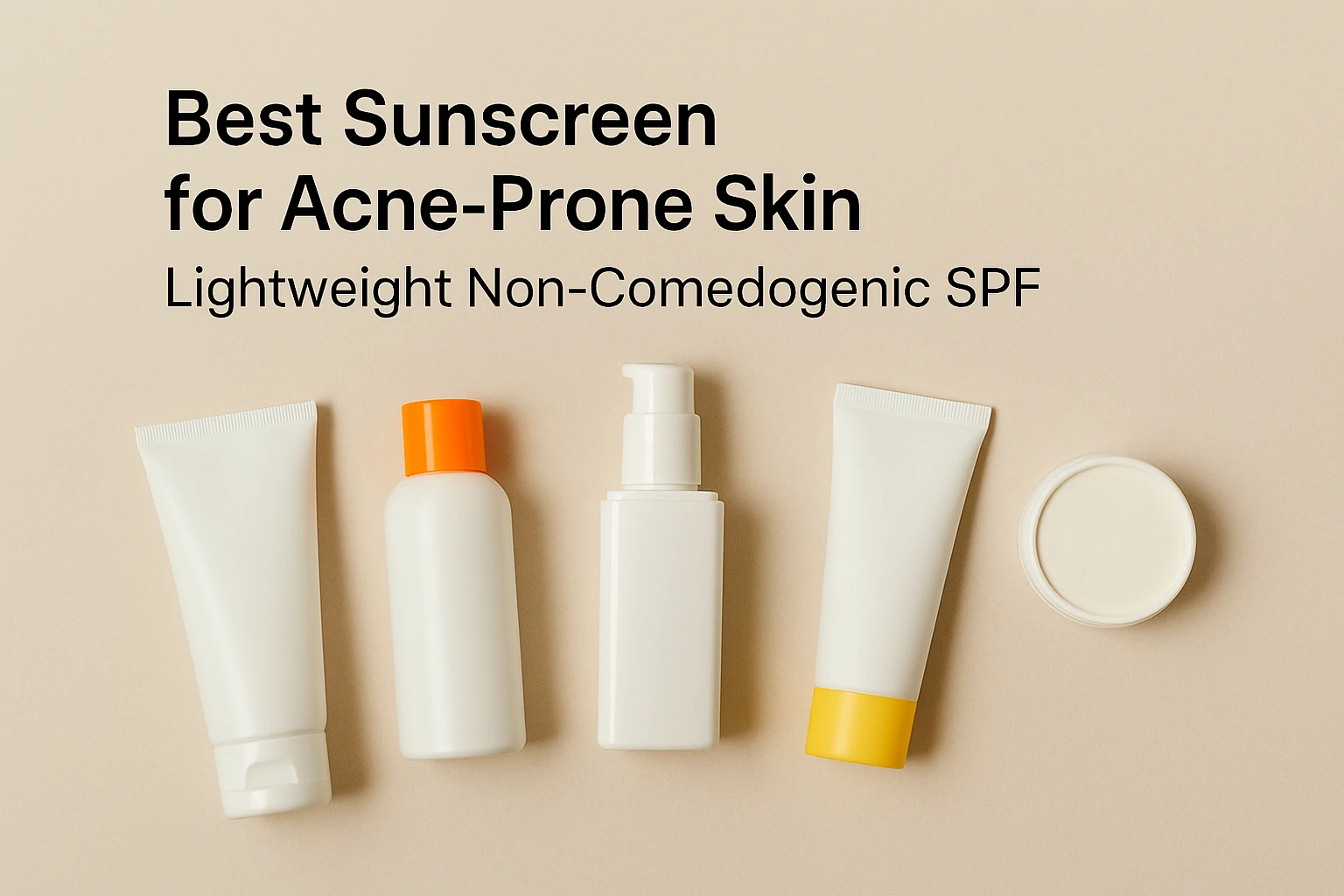
Choosing the right sunscreen can feel overwhelming if you have acne-prone skin. Despite common misconceptions, daily UV protection is essential—even for brief outdoor exposure. The challenge is that some sunscreens can clog pores, irritate the skin, or worsen breakouts.
Dermatologists note that heavy oils, fragrances, or overly occlusive UV filters can trigger excess oil and breakouts. Thick or greasy textures often feel uncomfortable for sensitive skin prone to redness.
Fortunately, skincare innovations now offer lightweight, non-comedogenic sunscreens designed for acne-prone skin. Options range from mineral to chemical formulas, with varying SPF and textures. Evaluation criteria include ease of application, compatibility with makeup, and daily comfort.
Guided by expert dermatologist insights and real user testing, the following top picks help you find a sunscreen that protects without aggravating acne. These products balance skin health, comfort, and effective UV defense—perfect for those starting or refining their skincare routine.
9 Acne-Safe Sunscreens That Actually Work
Finding a sunscreen that protects your skin without causing breakouts is challenging but achievable. Acne-safe sunscreens are specifically formulated to be lightweight, non-comedogenic, and free of irritating fragrances or oils. Many dermatologists emphasize that ingredients like zinc oxide and niacinamide not only shield the skin from harmful UV rays but also help soothe inflammation and redness.
The following nine sunscreens have been tested for comfort, compatibility with makeup, and performance during daily activities. They cater to different skin types, including sensitive and oily skin, and are designed to prevent clogged pores while delivering broad-spectrum UV protection.
These products make it easier for beginners and skincare enthusiasts to stick to a daily sunscreen routine, reducing the risk of acne flare-ups. By selecting acne-safe formulas, you can enjoy effective sun protection without compromising your skin’s clarity or texture.
1. EltaMD UV Clear Broad-Spectrum SPF 46

EltaMD UV Clear SPF 46 is a favorite among acne-prone users for its balanced, lightweight formula combining mineral and chemical UV filters. Zinc oxide and octinoxate protect against UVA and UVB rays while leaving no gray cast, making it comfortable for everyday use. Dermatologists praise its sheer texture, quick absorption, and compatibility with makeup.
Ideal for sensitive skin, this sunscreen is fragrance-free, oil-free, and hypoallergenic. Niacinamide helps calm redness and promotes an even skin tone. Its non-comedogenic formula prevents clogged pores, making it suitable for oily and acne-prone skin.
For best results, apply a thin layer and allow a few minutes for absorption before layering makeup. The finish gives a healthy, natural glow without heaviness, keeping your skin protected and comfortable throughout the day.
2. Supergoop! Unseen Sunscreen SPF 40

Supergoop! Unseen Sunscreen SPF 40 is praised for its smooth, weightless feel, ideal for acne-prone skin. This chemical sunscreen is non-comedogenic and blends seamlessly without leaving a residue. Many skincare experts appreciate its “blur effect,” which doubles as a primer for flawless makeup application.
It contains avobenzone, homosalate, octisalate, and octocrylene for stable UVA and UVB protection. The silky texture spreads evenly without streaks, and the clear finish suits all skin tones. Water-resistant for up to 40 minutes, it’s perfect for outdoor activities or sports.
Although slightly higher in price, a small amount covers the face efficiently, making it cost-effective over time. Its lightweight texture and reliable protection make it a top choice for anyone seeking an acne-friendly, daily-use sunscreen.
3. CeraVe Hydrating Mineral Sunscreen SPF 50

CeraVe Hydrating Mineral Sunscreen SPF 50 is a top pick for those seeking high sun protection at an affordable price. At under $20 for 2.5 oz, it’s frequently recommended by dermatologists and recognized by independent skincare organizations for its safety on sensitive skin.
This mineral sunscreen combines zinc oxide and titanium dioxide to physically block UVA and UVB rays. It also contains CeraVe’s signature trio—ceramides, niacinamide, and hyaluronic acid—to strengthen the skin barrier, soothe mild irritation, and maintain hydration throughout the day. This makes it ideal for redness-prone or acne-prone skin.
The creamy texture spreads smoothly, but like many mineral sunscreens, it can leave a white cast if applied too thickly. Experts suggest layering thin coats to ensure absorption. After a few minutes, it blends naturally into the skin, leaving a comfortable, lightweight finish that works well under makeup or on its own.
4. Black Girl Sunscreen SPF 30

Black Girl Sunscreen is designed specifically for melanin-rich skin, making it ideal for darker skin tones seeking SPF without a white cast. Its chemical filters—including avobenzone, homosalate, octisalate, and octocrylene—provide transparent, streak-free protection. Dermatologists praise its mousse-like, soft texture that spreads easily and absorbs quickly.
This SPF 30 sunscreen also doubles as a lightweight moisturizer, enriched with jojoba, cocoa, and avocado oils. It layers well, making it a convenient primer for makeup. The added hydration helps maintain skin elasticity and gives a natural, healthy glow.
Water-resistant for up to 80 minutes, it’s perfect for outdoor activities. However, those with very oily skin may notice a slightly dewy finish, which could feel slick compared to gel or matte formulas. Overall, it’s a versatile option for daily sun protection while keeping skin nourished and radiant.
5. Beauty of Joseon Relief Sun Sunscreen SPF50+ PA++++

Beauty of Joseon Relief Sun SPF50+ is one of the lightest daily sunscreens, ideal for those who want high protection without stickiness. Though often called a physical sunscreen, it primarily uses modern chemical UV filters like ethylhexyl triazone and diethylamino hydroxybenzoyl hexyl benzoate, which are stable and gentle on sensitive skin.
Rice extract and fermented grains provide extra nourishment, keeping skin hydrated throughout the day. Niacinamide brightens the complexion while adding a subtle, healthy glow. The texture spreads easily, absorbs quickly, and doesn’t clump, even over fine lines.
Free from oxybenzone, octinoxate, and animal-derived ingredients, it’s suitable for various skin types. It layers well under makeup if given a few minutes to absorb fully, ensuring a smooth, non-disruptive finish.
6. Summer Fridays ShadeDrops

Summer Fridays ShadeDrops is a standout mineral sunscreen balancing protection and comfort. Zinc oxide provides effective UV defense, while the lightweight, milky texture absorbs quickly and rarely leaves a white cast—a common concern with physical sunscreens.
Enriched with squalane for hydration, and vitamin E plus bisabolol to combat free radical damage, it suits most skin types, including combination and sensitive skin. A subtle chamomile scent may be noticeable for fragrance-sensitive users.
ShadeDrops doubles as a makeup base, preparing skin for flawless application of other products. For best results, blend evenly before layering makeup to ensure optimal SPF coverage. Its comfortable wear and mineral protection make it a top choice for daily use without compromising skin health.
7. Cocokind Silk Sunscreen SPF 30

Cocokind Silk Sunscreen SPF 30 combines mineral and chemical filters, offering versatile daily protection. Zinc oxide blocks UV physically, while homosalate provides additional chemical defense. Banana flower extract hydrates the skin, giving a natural, healthy glow.
The lightweight, creamy texture absorbs quickly and works well under makeup or as part of a daily routine. Free from synthetic fragrances, it’s suitable for sensitive skin, though those highly sensitive may notice a faint natural scent.
Ideal for various skin types—including combination and acne-prone skin—it provides balanced protection with a luminous finish. As it’s not water-resistant, reapplication is recommended after sweating or swimming. Cocokind Silk Sunscreen is perfect for anyone seeking effective sun defense paired with skin-nurturing benefits.
8. Iris & Romeo Weekend Skin SPF 50 + Vitamin C + Glow

Iris & Romeo Weekend Skin SPF 50 is a mineral sunscreen that protects while delivering skincare benefits. With zinc oxide, vitamin C, and niacinamide, it hydrates, brightens, and helps reduce dark spots. Vitamin C supports skin elasticity and fading of pigmentation, while niacinamide evens skin tone and improves texture for a healthy, radiant complexion.
The formula is lightweight, absorbs quickly, and leaves no white cast, making it ideal for daily wear without feeling sticky or greasy. Its water-resistant properties ensure protection during outdoor activities or exercise.
Available in a subtle tint and three shades, users are advised to select the closest match or test directly for a natural finish. By combining sun protection with skincare benefits, Weekend Skin offers a practical, effective daily solution for acne-prone or sensitive skin.
9. Hero Cosmetics Force Shield Superlight Sunscreen SPF 30

Hero Cosmetics Force Shield Superlight SPF 30 is highly recommended for sensitive and acne-prone skin. Its zinc oxide-based mineral formula delivers gentle UV protection without harsh additives. Free from fragrance, synthetic dyes, parabens, and silicones, it’s safe for redness-prone skin.
The ultra-light texture spreads easily and blends without leaving a heavy white cast. A subtle green tint acts as a color corrector, reducing visible redness while leaving a natural, non-greasy finish. It layers seamlessly under makeup for daily use.
While it doesn’t offer water resistance, its lightweight, breathable feel keeps skin comfortable throughout the day. Ideal for anyone looking for a mineral sunscreen that protects, corrects, and supports sensitive, acne-prone skin without compromising daily comfort.
What to Look for in a Sunscreen for Acne-Prone Skin
Choosing sunscreen for acne-prone skin requires attention to ingredients and formulation. Key factors include:
- Oil-Free Formulas: Dr. Kristina Collins and Dr. Corey Hartman stress oil-free sunscreens to prevent clogged pores and reduce the risk of breakouts, especially for oily skin.
- Non-Comedogenic: Products labeled non-comedogenic won’t block pores. Gel or liquid textures are preferred for quick absorption and a non-greasy feel.
- Broad-Spectrum Protection: SPF 30 or higher is essential to protect against UVA and UVB rays, preventing long-term damage and post-acne hyperpigmentation.
Focusing on these criteria ensures safe, effective daily protection while supporting long-term skin health.
Mineral vs Chemical Sunscreen: Which Is Best for Acne-Prone Skin?
For acne-prone skin, understanding the difference between mineral and chemical sunscreens is key to choosing a product that’s both comfortable and effective.
- Mineral (Physical) Sunscreen: Uses zinc oxide or titanium dioxide to physically reflect UVA and UVB rays. Dermatologists note mineral sunscreens are gentle, hypoallergenic, and rarely irritating, making them ideal for sensitive or inflamed skin. A common drawback is a potential white cast on darker skin tones, though modern formulations are increasingly transparent.
- Chemical Sunscreen: Absorbs UV rays with ingredients like avobenzone, homosalate, or octocrylene. Advantages include lightweight textures, fast absorption, and easy layering under makeup, making them convenient for daily wear. However, sensitive skin may react to fragrances or preservatives in some chemical sunscreens.
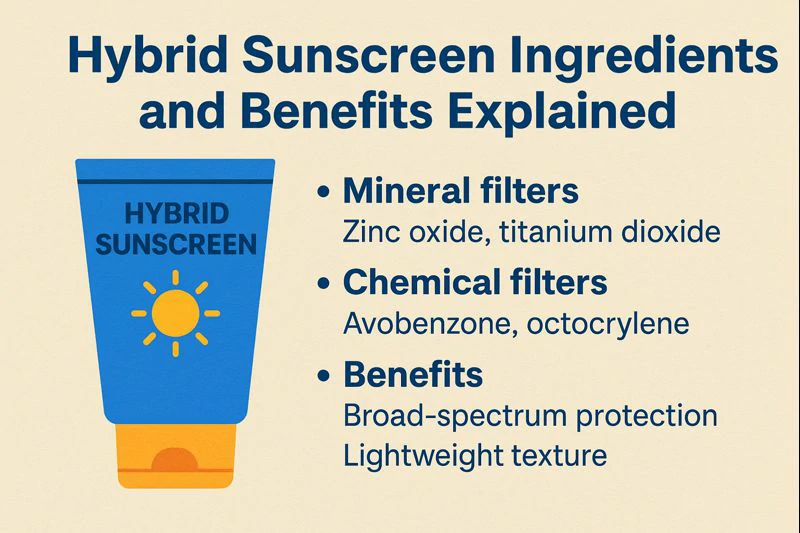
Dermatologists agree both types are suitable for acne-prone skin if they are oil-free, non-comedogenic, and chosen according to your skin type. Mineral sunscreens are safer for sensitive skin, while chemical formulas are ideal under makeup or for active daily routines. Hybrid formulas combine benefits of both, offering maximum protection with a lightweight feel.
Final Thoughts
Selecting the right sunscreen is essential for acne-prone skin to stay protected without triggering breakouts. Experts recommend choosing oil-free, non-comedogenic, and broad-spectrum SPF 30+ formulas to prevent clogged pores, irritation, and post-acne hyperpigmentation. Mineral sunscreens offer gentle, hypoallergenic protection, while chemical sunscreens provide lightweight, fast-absorbing coverage ideal under makeup. Hybrid options combine the benefits of both for maximum comfort and defense.
Top-tested sunscreens like EltaMD UV Clear, Supergoop! Unseen, CeraVe SPF 50, and Beauty of Joseon Relief Sun provide options for different skin types, offering hydration, soothing ingredients, or added skincare benefits. By following dermatologist guidance and selecting products suited to your skin’s needs, daily sun protection becomes simple, effective, and safe—supporting clear, healthy, and radiant skin while minimizing the risk of breakouts.
You might also like
 Acne
Acne Anti-Aging
 Business
 Digital Marketing
 Economics
 Exfoliation
 Hair Removal
 Movies
 Personal Finance
 Websites





You must be logged in to post a comment.