3 DIY Foot Treatments for Salon-Smooth Feet
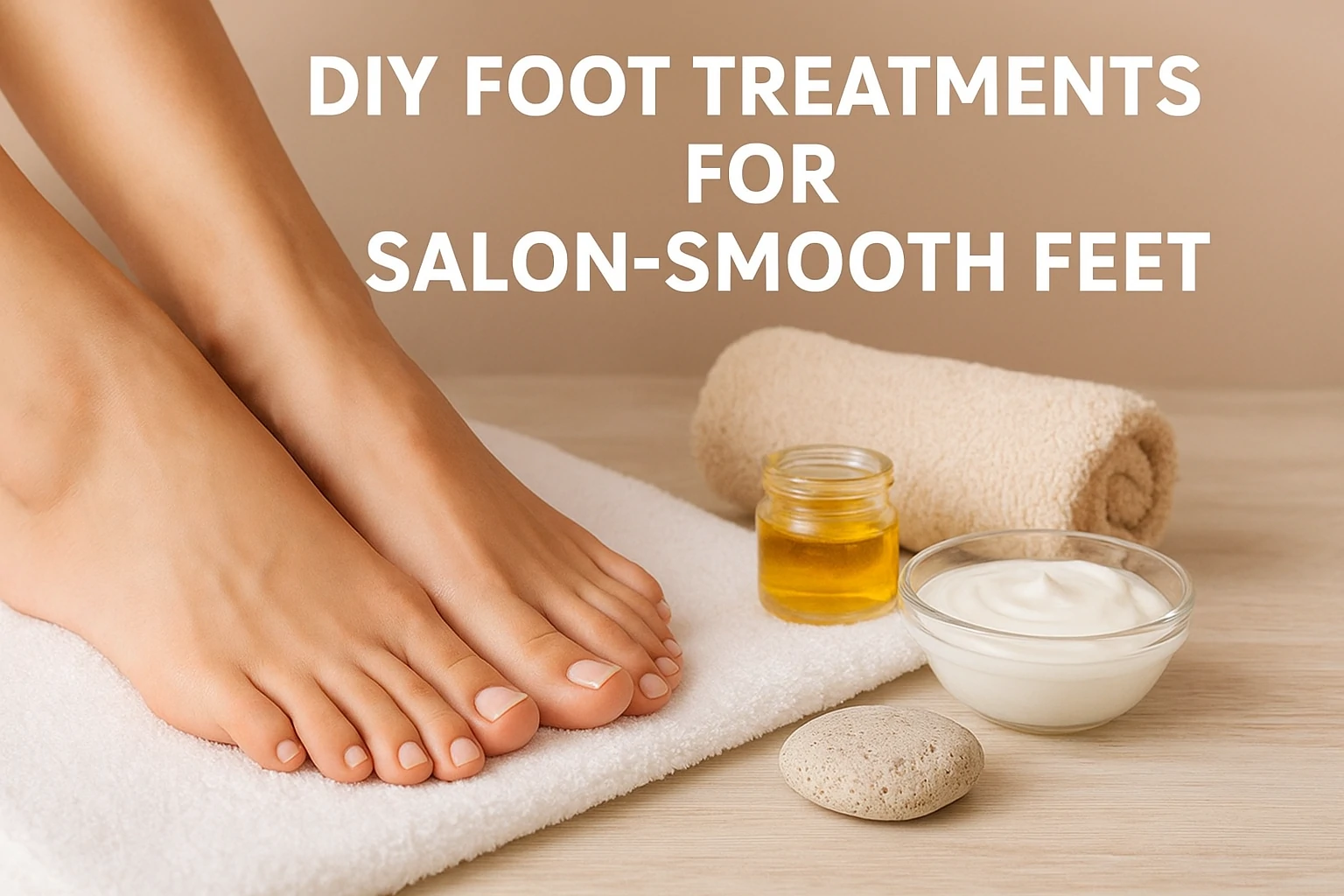
Smooth, well-hydrated feet often feel more satisfying than perfectly polished nails. From a medical perspective, this softness comes from two key factors: effective removal of dead skin cells and long-lasting deep hydration. These are the same principles used in professional pedicure treatments.
The good news? You do not need to rely on salon visits to achieve healthy, soft feet. With the right method and safe ingredients, DIY foot care at home can deliver results that are surprisingly close to clinical standards.
To ensure both effectiveness and safety, we consulted board-certified dermatologists Dr. Rina Allawh and Dr. Arash Akhavan. Their at-home foot care recommendations are designed around two essential goals: improving skin texture by reducing roughness and calluses, while also protecting the skin barrier to prevent irritation or dryness.
If you are new to skincare or just starting to build a foot care routine, these dermatologist-backed DIY foot treatments offer a practical, budget-friendly way to achieve spa-like results—comfortably from home. Keep reading to discover the first gentle yet effective solution.
Dry or Irritated Feet? Try This Gentle Exfoliating Hydration Mask
Caring for dry, sensitive, or easily irritated feet requires a thoughtful approach. According to dermatologist Dr. Rina Allawh, harsh scrubs and strong acids can compromise the skin barrier, making dryness worse over time. Instead, she recommends mild, nourishing formulas with natural exfoliating properties.
The key ingredient in this DIY foot mask is lactic acid, naturally found in milk. Clinically, lactic acid works as a gentle chemical exfoliant that removes dead skin cells while attracting moisture. This dual action makes it suitable even for sensitive skin types.
Formula & Application Protocol:
Blend 1 egg, 1 mashed banana, 3–4 tablespoons of milk, 2 tablespoons of honey, and 5 tablespoons of olive oil until smooth.
- Pre-treatment: Soak your feet to soften the skin and enhance absorption.
- Application: Apply a thin layer evenly and leave on for 40 minutes.
- Removal: Rinse gently using a non-detergent cleanser, such as CeraVe Hydrating Cleanser.
For added comfort, remove the mask with a warm towel to promote relaxation and improve circulation.
Natural Dry Skin Therapy: Coffee and Turmeric Exfoliation for Rough Feet
When rough foot texture is caused by a buildup of dead skin cells, physical exfoliation can be an effective and accessible solution. Dermatologist Dr. Rina Allawh explains that natural, finely textured ingredients can help support safe mechanical exfoliation when used correctly and gently.
In this DIY foot scrub, used coffee grounds act as a natural abrasive to help loosen and remove dead skin. Meanwhile, turmeric provides added skin benefits thanks to its well-documented anti-inflammatory properties, which help calm the skin and reduce the risk of irritation from friction.
Formula & Usage Protocol:
- Mixing: Combine ¼ teaspoon turmeric powder and ½ teaspoon coffee grounds. Slowly add 1 tablespoon of fresh lemon juice while stirring until a paste-like consistency forms.
- Essential Preparation: Before applying the scrub, soak your feet in warm water for 10 minutes. This step softens hardened keratin layers, allowing dead skin cells to lift more easily without damaging healthy skin underneath.
Use gentle circular motions and avoid over-scrubbing to keep your skin barrier intact while improving smoothness.
Moisture Meets Exfoliation: Sugar, Olive Oil, Honey, and Lavender Foot Scrub
An effective foot care routine combines exfoliation and hydration in one simple step. According to dermatologist Dr. Arash Akhavan, granular ingredients like sugar or Epsom salt work best when paired with moisturizing agents to prevent post-exfoliation dryness.
- Exfoliator: Granulated sugar (sucrose) gently removes surface dead skin cells.
- Hydration Boost: Olive oil acts as an emollient, while honey functions as a natural humectant to lock in moisture.
- Soothing Element: Lavender essential oil adds a calming aroma and supports skin comfort.
Formula & Application Method:
- Mixing: Combine ½ cup sugar, ¼ cup olive oil, ⅛ cup honey, and 3–5 drops of lavender essential oil until well blended.
- Preparation: Soak your feet in warm water for about 10 minutes to soften thickened skin and maximize exfoliation results.
This scrub leaves feet smoother, softer, and comfortably hydrated—ideal for beginners building a simple skincare routine.
What to Consider Before Making a DIY Foot Mask
DIY foot masks can be highly effective, but ingredient selection plays a critical role in protecting your skin barrier. Dermatologists emphasize a few essential guidelines to keep your at-home foot care routine both safe and results-driven.
- Avoid Harsh Physical Exfoliants
Dermatologist Dr. Rina Allawh advises against overly abrasive materials such as crushed seeds or baking soda. These ingredients can cause micro-abrasions and disrupt the skin’s natural pH balance. Although the soles of the feet have a thicker outer layer, they are still vulnerable to long-term damage when over-exfoliated. - Stay Away from Drying Ingredients
According to Dr. Arash Akhavan, alcohol-based components can significantly increase moisture loss. Instead, prioritize emollients and humectants that support hydration and barrier repair, including glycerin, ceramides, vitamin E, and gentle essential oils like lavender, tea tree, or peppermint. - Limit Strong Chemical Exfoliants
High-concentration acids such as salicylic or glycolic acid may be too aggressive for routine foot care. While viral peeling masks look tempting, improper use can lead to burning or irritation. Gentle formulations deliver better long-term results.
Why Foot Soaking Matters: The Science Behind Pre-Treatment Care
Have you noticed that nearly every DIY foot treatment starts with soaking your feet in warm water? This step is more than a relaxing ritual—it is a scientifically supported preparation method.
The Scientific Purpose of Foot Soaking
The outermost layer of foot skin, known as the stratum corneum, is thick and densely packed. Warm water helps by:
- Increasing Cellular Hydration: Hydrated dead skin cells become softer and easier to remove.
- Loosening Skin Bonds: Softening weakens the protein connections between dead cells, allowing mild exfoliants to work effectively without aggressive scrubbing.
How to Maximize Soaking Benefits
You can enhance your foot soak by adding active ingredients:
- Epsom Salt (Magnesium Sulfate): Helps ease muscle tension and reduce mild inflammation.
- Apple Cider Vinegar: Its mild acidity supports skin pH balance and offers gentle antifungal properties.
Soaking for 10–15 minutes prepares your skin to absorb masks and scrubs more efficiently, resulting in noticeably smoother, healthier feet.
Long-Term Dermatologist Tips for Treating Cracked Heels
Cracked heels, also known as heel fissures, are a common dermatological concern that often becomes chronic without consistent care. Dermatologist Dr. Arash Akhavan explains that long-term improvement depends on maintaining skin elasticity and preventing severe moisture loss, not just occasional treatments.
The Role of Occlusives and Emollients
After exfoliating—whether with a DIY scrub or gentle peel—the most important step is intensive moisture sealing, often referred to as foot slugging.
- Intensive Application: Use an occlusive-based foot cream containing urea, glycerin, or petrolatum. Urea at concentrations above 10% is especially effective because it softens thick dead skin (keratolytic action) while attracting water into the skin.
- Occlusion: Immediately wear clean cotton socks after moisturizing. This creates an occlusive environment that reduces transepidermal water loss (TEWL) and allows hydration to penetrate deeply overnight.
Smart Footwear Choices
Limit frequent use of open-back shoes like flip-flops. These styles increase moisture loss and allow heel fat pads to spread, which can worsen cracking over time.
How Often Should You Exfoliate? Safe Frequency and Maintenance Tips
Once your feet feel smoother, maintaining results requires balance. Dr. Rina Allawh and Dr. Arash Akhavan stress that over-exfoliation can damage the skin barrier and cause irritation.
Recommended Exfoliation Frequency
Exfoliate your feet no more than once or twice per week, whether using physical scrubs or mild lactic acid-based treatments. More frequent exfoliation increases sensitivity and dryness.
Daily Maintenance Routine
- Consistent Hydration: Apply a foot cream or rich body lotion at least once daily, ideally after showering, to replenish lost moisture.
- Barrier Support: Look for moisturizers containing ceramides or hyaluronic acid, which help restore and strengthen the skin’s protective barrier.
A consistent routine delivers better long-term results than aggressive treatments.
Final Thoughts
Professional-level foot care is achievable at home when guided by science and consistency. The key lies in balancing three essential steps: proper preparation, gentle exfoliation, and intensive hydration.
Dermatologists Dr. Rina Allawh and Dr. Arash Akhavan agree that warm water soaking is a critical first step. It softens the thick outer skin layer (stratum corneum), allowing natural exfoliants like sugar or coffee grounds to work more effectively and safely.
Equally important is choosing non-irritating ingredients and avoiding overly harsh physical or chemical exfoliants. After exfoliation, occlusive hydration, such as urea-based creams paired with cotton socks, is essential—especially for managing cracked heels.
By limiting exfoliation to 1–2 times per week and maintaining daily moisture, you can enjoy healthier, smoother feet and prevent chronic dryness in the long run.
You might also like


 Acne
Acne Anti-Aging
 Business
 Digital Marketing
 Economics
 Exfoliation
 Hair Removal
 Movies
 Personal Finance
 Websites