Stop Body Odor: 6 Secret Deodorant Alternatives
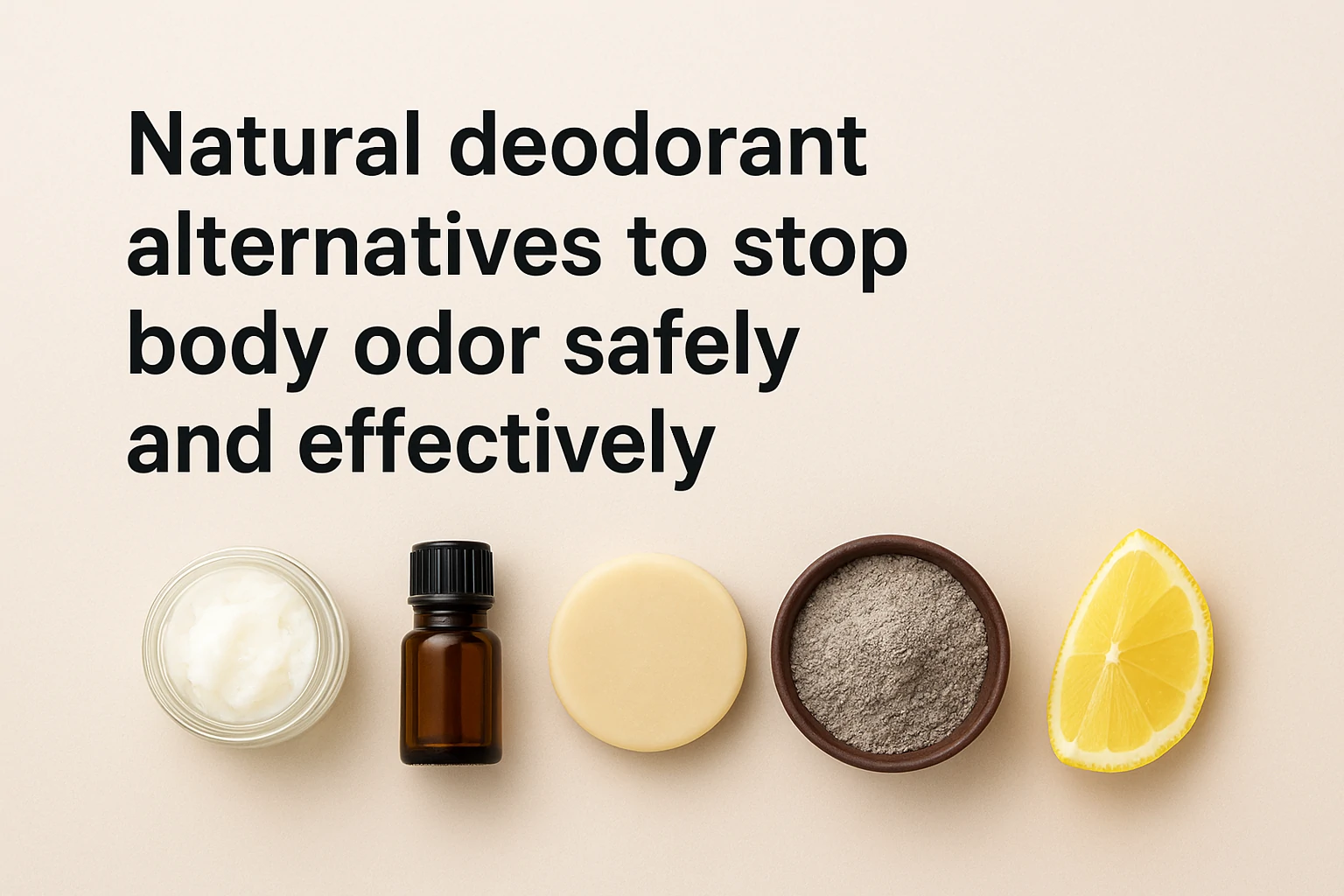
As environmental temperatures rise, awareness of underarm (axillary) hygiene and body odor naturally increases—especially when wearing sleeveless clothing. For many people aged 20–40 who are new to body care or skincare routines, conventional antiperspirants may raise concerns due to aluminum salts, synthetic fragrances, or skin irritation. This has led to growing interest in natural deodorant alternatives that are gentler yet still effective.
However, transitioning to natural options can feel confusing without clear, medically grounded guidance. To provide a reliable starting point, this article is informed by expert opinions from board-certified dermatologists Dr. Aanand Geria and Dr. Hadley King. Their insights help clarify which natural deodorant alternatives are supported by dermatological science rather than trends alone.
Below, we explore clinically relevant, skin-friendly deodorant alternatives that help control body odor naturally—while supporting skin health and long-term comfort.
6 Natural Deodorant Alternatives to Stay Fresh All Day
Natural deodorant alternatives work by targeting odor-causing bacteria instead of blocking sweat glands. These options are especially suitable for beginners seeking a cleaner, minimalist body care routine. Each alternative below offers unique benefits, ranging from antibacterial properties to soothing effects for sensitive underarm skin—without relying on harsh chemicals.
1. Coconut Oil: A Gentle Antibacterial Deodorant Alternative
Coconut oil is widely known for its versatility, but it is also a surprisingly effective natural deodorant alternative. According to Dr. Aanand Geria, coconut oil contains natural antibacterial compounds that help neutralize the bacteria responsible for body odor—addressing the root cause rather than masking the smell.
One key advantage of coconut oil is its low irritation risk, making it suitable for sensitive or newly shaved underarm skin. Its emollient texture also helps maintain skin hydration, which is essential for barrier health.
Additionally, coconut oil serves as an ideal base for DIY natural deodorants. When combined with essential oils like tea tree or lavender, it can provide added antimicrobial benefits and a subtle, personalized scent.
For those new to natural body care, coconut oil offers a simple, affordable, and skin-friendly way to stay fresh naturally.
2. Tea Tree Oil: Powerful Antimicrobial Protection Against Body Odor
Tea tree oil may have a distinctive scent that takes some getting used to, but its effectiveness as a natural deodorant alternative is well supported in dermatology. This essential oil has long been used in skin care due to its strong antimicrobial properties.
According to board-certified dermatologist Dr. Aanand Geria, tea tree oil works particularly well because of its antifungal and antibacterial activity. These properties help control the growth of odor-causing bacteria in the underarm area, which are the primary source of body odor. By addressing the root cause, tea tree oil offers a more targeted and hygienic approach than simply masking smell.
To reduce the risk of irritation, tea tree oil should never be applied directly to the skin. Instead, it should be diluted with an emollient carrier oil.
Recommended dilution:
- 10 drops of pure tea tree oil
- Mixed with ½ cup of coconut oil
This blend creates a gentle yet effective natural deodorant suitable for daily use, especially for beginners transitioning to cleaner body care routines.
3. Activated Charcoal: Absorbing Odor and Moisture Naturally
Activated charcoal has become a popular ingredient in modern skincare—and for good reason. As a natural deodorant alternative, it is frequently recommended by dermatologists, including Dr. Hadley King, due to its unique absorbent properties.
Unlike traditional antiperspirants that block sweat glands using aluminum salts, activated charcoal does not stop sweating completely. Instead, Dr. King explains that charcoal excels at absorbing excess moisture and impurities. This helps reduce the damp environment where odor-causing bacteria thrive, making underarms feel drier and fresher throughout the day.
Activated charcoal also offers mild antibacterial benefits, further supporting odor control without disrupting the skin’s natural functions.
Simple DIY charcoal deodorant formula:
- ½ teaspoon activated charcoal powder
- Mixed with ¼ cup of coconut oil
This combination creates a natural, breathable deodorant option ideal for those seeking effective odor control without harsh chemicals.
4. Baking Soda and Cornstarch: Simple Dual-Action Odor Control
Baking soda and cornstarch are two common kitchen staples that can be combined into an effective natural deodorant alternative. According to dermatologist Dr. Aanand Geria, this pairing works through a complementary, dual-action mechanism that targets both odor and moisture.
Baking soda helps neutralize odor by balancing skin pH and reducing the activity of odor-causing bacteria. Its mildly alkaline nature makes it effective at controlling unpleasant smells rather than masking them. Cornstarch, on the other hand, acts as a moisture absorber. It helps manage excess sweat, keeping the underarm area drier and more comfortable throughout the day.
When used together in the right ratio, these ingredients provide a practical, low-cost solution for people new to natural body care. However, proper formulation is essential to minimize irritation, especially for sensitive skin.
Recommended dry formula:
- 1 part baking soda
- 6 parts cornstarch
Mix thoroughly and apply directly as a dry powder. This minimalist approach offers fuss-free protection with no added fragrances or chemicals.
5. Alpha Hydroxy Acids (AHA): A Smart, pH-Based Odor Solution
Alpha Hydroxy Acids (AHAs) are best known as chemical exfoliants, but they also offer an effective, science-based approach to controlling body odor. Board-certified dermatologist Dr. Hadley King recommends gentle AHA toners as a modern deodorant alternative.
AHAs work by lowering the skin’s pH, creating an environment that is less favorable for odor-causing bacteria. As Dr. King explains, when the underarm skin becomes slightly more acidic, bacterial growth is naturally limited—reducing odor at its source without blocking sweat glands.
For beginners, careful use is essential. AHAs can cause dryness or irritation if applied too strongly or too frequently.
Best practice tips:
- Dilute AHA toner with soothing ingredients such as aloe vera gel or rose water
- Start with a 1:1 ratio and adjust based on skin tolerance
- Reduce frequency or concentration if irritation occurs
This method allows you to benefit from AHA’s odor-control properties while maintaining skin comfort and balance.
6. Lemon Juice: A Natural Acidic Solution for Body Odor
Lemon juice is widely associated with freshness, and it also functions as an effective natural deodorant alternative. Its main benefit comes from its high acidity, which plays a direct role in controlling body odor.
According to dermatologist Dr. Aanand Geria, lemon juice creates a low-pH environment that helps eliminate odor-causing bacteria while leaving a naturally clean scent. By making the underarm area more acidic, lemon juice limits bacterial growth rather than simply masking unpleasant smells.
For practical application, freshly squeezed lemon juice is not the only option. A small lemon wedge can be gently rubbed onto clean underarms. This method is simple and convenient, especially for beginners exploring natural deodorant options. After application, it is important to ensure that no lemon residue remains on the skin to reduce the risk of irritation.
While lemon juice is affordable and accessible, Dr. Geria notes that natural remedies may not always match the strength of commercial deodorants—particularly for individuals with heavy sweating or strong body odor. Effectiveness varies based on skin type, physiology, and consistency of use.
Magnesium Hydroxide: A Gentle Deodorant Alternative for Sensitive Skin
For those seeking a truly gentle yet effective natural deodorant, magnesium hydroxide has emerged as a dermatologist-recommended option—especially for sensitive underarm skin. This natural mineral compound is often considered a skin-friendly alternative to baking soda, which can be too harsh for some users.
Magnesium hydroxide works exclusively on the skin’s surface rather than being absorbed. Its primary function is to raise the underarm pH, creating an environment where odor-causing bacteria struggle to survive. Dr. Aanand Geria explains that this higher pH level effectively disrupts bacterial activity without interfering with the body’s natural sweating process.
Another key advantage is its low solubility compared to baking soda. This allows for slower, more controlled odor neutralization, significantly reducing the risk of redness or irritation. For individuals who frequently experience itching or rashes from natural deodorants, products containing magnesium hydroxide offer a comfortable, everyday solution.
Underarm Detox with Bentonite Clay: Supporting the Transition to Natural Deodorant
When switching from conventional aluminum-based antiperspirants to natural deodorants, many people experience a temporary adjustment phase. During this period—often referred to as an “underarm detox”—body odor may seem stronger as the pores begin releasing built-up residue from long-term antiperspirant use.
This is where bentonite clay can be especially helpful. Derived from aged volcanic ash, bentonite clay is well known in dermatology and skincare for its detoxifying properties.
Board-certified dermatologist Dr. Hadley King explains that bentonite clay carries a natural negative electrical charge. This allows it to act like a magnet, attracting and binding positively charged particles such as toxins, aluminum residue, and impurities trapped within the underarm pores.
Benefits of an underarm detox mask:
- Helps shorten the adjustment period when transitioning to natural deodorant
- Draws out residue that may contribute to lingering odor
- Soothes underarm skin that may feel irritated during the transition
Typically mixed with water or apple cider vinegar, a bentonite clay mask can be applied weekly. Used correctly, underarm detoxing can make the shift to natural deodorants more comfortable, effective, and sustainable over time.
You might also like

 Acne
Acne Anti-Aging
 Business
 Digital Marketing
 Economics
 Exfoliation
 Hair Removal
 Movies
 Personal Finance
 Websites