Thigh Chafing: 9 Expert Ways to Stop Rubbing & Skin Irritation
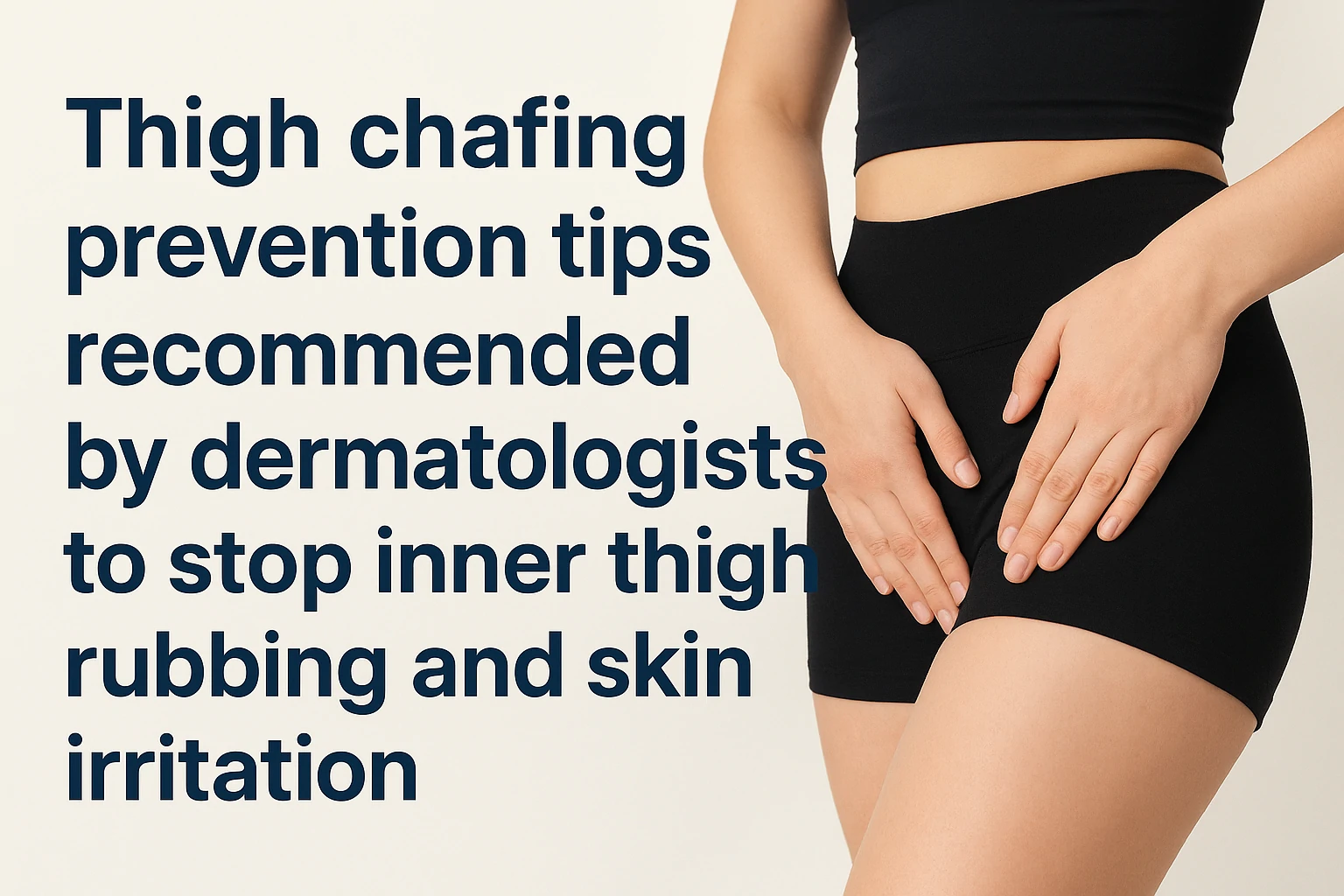
Summer often brings outdoor fun—from sun-soaked walks (with proper SPF, of course) to social gatherings in warm weather. However, heat and humidity also increase the risk of a common yet uncomfortable skin issue: thigh chafing.
Thigh chafing occurs when the inner thighs repeatedly rub against each other or clothing. Combined with sweat and heat, this friction can weaken the skin barrier, leading to redness, stinging, and irritation. While it may seem minor, unmanaged chafing can significantly affect daily comfort and mobility.
The good news is that thigh chafing is both preventable and manageable. Board-certified dermatologists such as Dr. Marisa Garshick, Dr. Anna Guanche, and Dr. Rebecca Marcus emphasize that proper skin protection and friction control are key.
In this expert-guided article, you’ll discover nine dermatologist-approved strategies to stop thigh rubbing, protect sensitive skin, and stay comfortable throughout warm, active days—without disrupting your lifestyle.
9 Ways to Deal With Thigh Chafing, According to Dermatologists
Dermatologists agree that effective thigh chafing prevention focuses on reducing friction, strengthening the skin barrier, and managing moisture. The following expert-recommended methods are practical, evidence-based, and suitable for adults aged 20–40 who may be new to targeted body skincare.
Each solution addresses a specific cause of chafing—whether mechanical rubbing, sweat buildup, or skin sensitivity—helping you choose what works best for your body and daily routine. From topical protectants to supportive skincare habits, these strategies are designed to keep skin calm, intact, and resilient during movement.
Below, we break down the most reliable dermatologist-approved options, starting with one of the most effective and beginner-friendly solutions.
1. Friction / Anti-Chafing Sticks
Thigh chafing begins when repeated friction damages the skin’s protective barrier. According to board-certified dermatologist Dr. Rebecca Marcus, constant rubbing—whether from walking, exercise, or tight clothing—creates mechanical stress that disrupts the stratum corneum, making skin more vulnerable to irritation.
One of the most effective preventative solutions is an anti-chafing stick. These topical products form a smooth, invisible layer on the skin, allowing surfaces to glide instead of rub. By reducing friction at the source, they help prevent redness, burning, and breakdown before it starts.
Dr. Marcus recommends balm-based friction sticks with a dry, non-greasy finish, such as Nakery Beauty Glide & Go Magic Friction Stick, which also contains barrier-supporting ingredients like squalane, aloe vera, and jojoba wax.
Additional dermatologist-approved options include Megababe Thigh Rescue, enriched with aloe vera and vitamin E, and Gold Bond Friction Defense Stick, favored for its fragrance-free, non-comedogenic formula—ideal for sensitive skin.
Applied proactively, friction sticks are a simple yet powerful way to stay comfortable during daily movement.
2. Barrier Creams
In preventive dermatology, barrier creams are a proven solution for reducing thigh chafing caused by friction. Board-certified dermatologist Dr. Marisa Garshick explains that these products work by creating a durable protective layer between two rubbing surfaces—whether skin-to-skin or skin-to-clothing. This barrier helps shield the stratum corneum from mechanical damage and irritation.
Dr. Garshick recommends Body Glide Anti-Chafe Balm, a fragrance-free balm that dries clear and forms a lightweight, non-sticky protective film. Its versatile formula is safe for repeated use on friction-prone areas such as the inner thighs, groin, and other skin folds.
Moisture control is equally important. According to Dr. Anna Guanche, damp skin from sweat or water significantly increases friction, worsening chafing. Keeping the skin dry is therefore essential for prevention.
While powders can help absorb moisture, Dr. Guanche highlights MAELYS B-FOXY Inner Thigh Firming Cream as a more advanced option. Thanks to tapioca starch, it delivers a soft, matte, powder-like finish while absorbing excess moisture—offering dual protection against friction and humidity for smoother, more comfortable skin.
3. Chafing Shorts or Shapewear
Thigh chafing commonly occurs when wearing skirts or dresses, especially during warm weather. A highly effective and practical solution is wearing chafing shorts or supportive shapewear designed to act as a physical barrier between the thighs.
These garments are typically form-fitting yet flexible, made from advanced materials such as bamboo blends or spandex. Their design prevents rolling, bunching, or shifting during movement—key factors in minimizing friction.
According to board-certified dermatologist Dr. Anna Guanche, fabric choice is critical. Moisture-wicking materials help pull sweat away from the skin, keeping the inner thighs dry. “Excess moisture causes skin surfaces to stick together, significantly increasing friction and irritation,” she explains.
Dr. Marisa Garshick adds that products don’t need to be labeled specifically as “anti-chafing” to be effective. Many shapewear styles with extended leg coverage provide the same benefit by creating a smooth, breathable layer between the thighs.
Ultimately, the goal is simple: a comfortable, moisture-managing barrier that allows you to move freely without irritation.
4. Thigh Bands or Body Tape
When outfit choices—such as very fitted or lightweight dresses—make chafing shorts or shapewear impractical, thigh bands or body tape offer a discreet and effective alternative. These options create a direct physical barrier on the skin without adding bulk to your clothing.
Thigh bands are elastic fabric bands designed to sit comfortably around the upper thighs. They provide a soft, breathable layer that reduces skin-to-skin friction while remaining nearly invisible under clothing, making them ideal for minimal or form-fitting styles.
For a more temporary or budget-friendly solution, body tape (often marketed as boob tape) can also be used. Simply cut strips and apply them to friction-prone areas of the inner thighs. The tape works by creating a smoother surface than bare skin, reducing rubbing during movement.
However, removal requires caution. Peel tape off slowly and gently to avoid mechanical irritation. Never apply body tape over already irritated, chafed, or broken skin. If irritation is present, opt for soothing, non-adhesive protective methods instead.
5. Zinc-Based Creams
From a dermatological perspective, thigh chafing closely resembles diaper rash. Both conditions are triggered by excess moisture and repeated friction. Because of this shared mechanism, board-certified dermatologist Dr. Marisa Garshick often recommends zinc-based creams—commonly used for diaper rash—as an effective preventative option.
Zinc oxide is known for its mild astringent and protective properties. “Although designed for diaper rash, zinc oxide creams function exceptionally well as barrier creams,” Dr. Garshick explains.
These creams work in two key ways. First, they form a thick, physical barrier that minimizes direct friction between skin surfaces. Second, their water-repellent nature helps block sweat and moisture, keeping the inner thighs drier.
As a result, zinc-based creams are especially useful for both preventing thigh chafing and supporting early skin recovery when mild irritation has already begun.
6. Deodorant or Antiperspirant
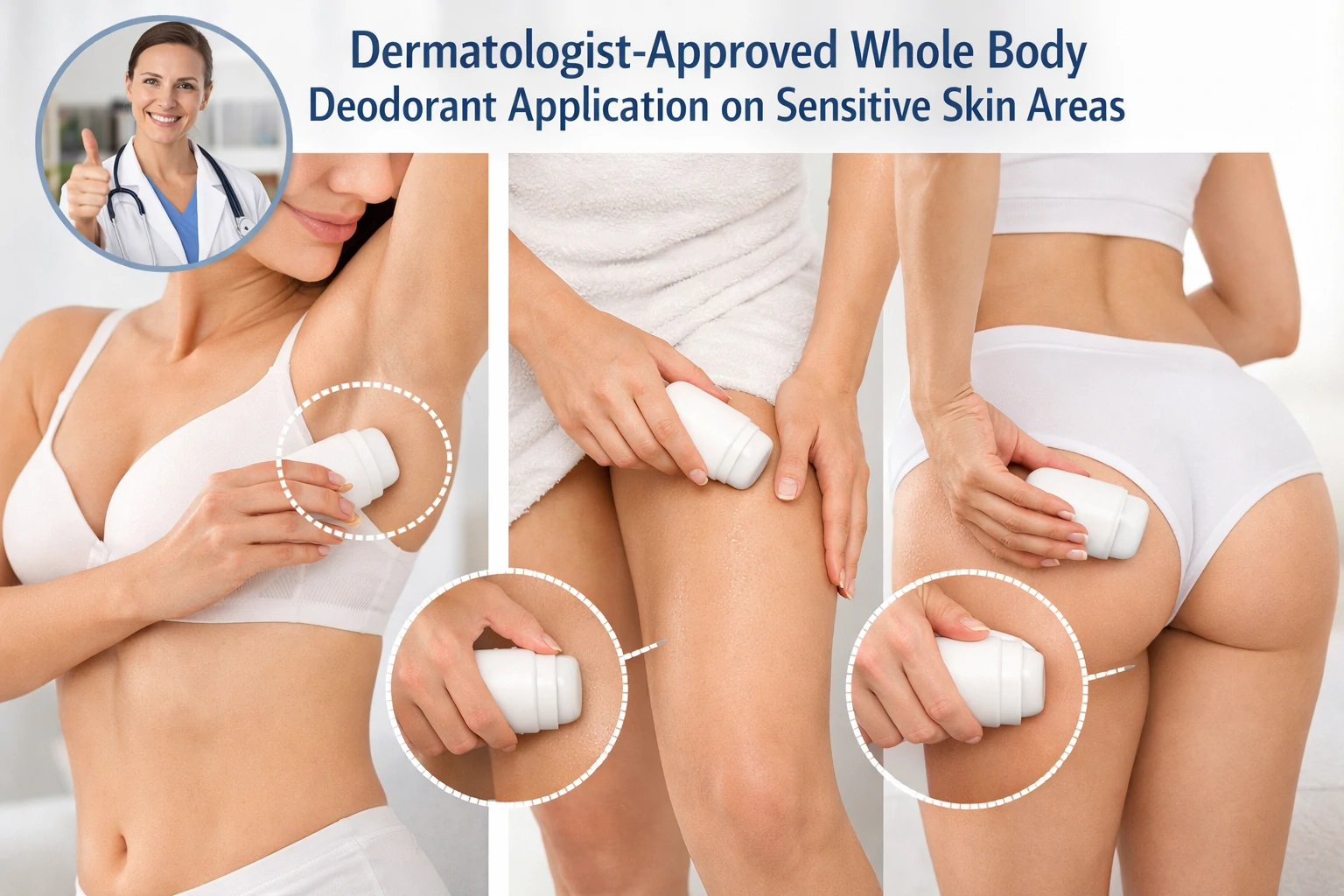
Managing moisture is a critical part of preventing thigh chafing—especially when excessive sweating is a major trigger. For this reason, board-certified dermatologist Dr. Marisa Garshick recommends an unexpected yet practical solution: using deodorant or antiperspirant on the inner thighs.
This approach targets two key contributors to chafing: sweat production and odor-causing bacteria. “If excess sweating is the main factor behind friction, applying a gentle deodorant or antiperspirant to the thigh area can be very helpful,” Dr. Garshick explains.
Antiperspirants typically contain aluminum-based compounds that temporarily block sweat ducts, reducing the amount of moisture reaching the skin’s surface. Less moisture means less friction between the thighs. Deodorants, on the other hand, help control odor by limiting bacterial growth in warm skin folds.
When used appropriately and on intact skin, deodorant can serve as a minimal, travel-friendly solution to reduce humidity, friction, and irritation in the inner thigh area.
7. Thick Moisturizing Ointments
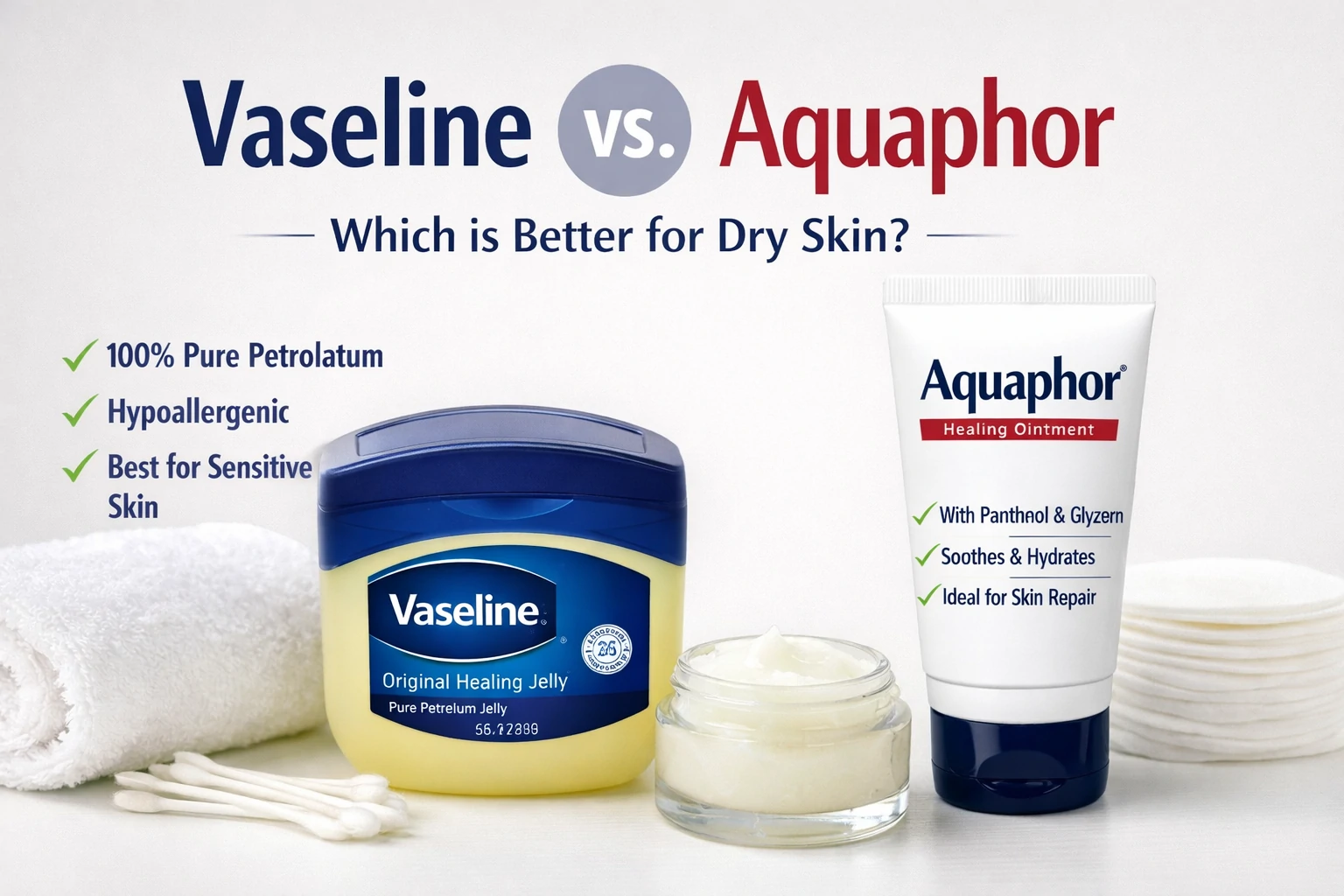
Once inner thigh skin becomes inflamed or visibly chafed, it enters a highly sensitive state that requires a more protective approach. In these cases, Dr. Marisa Garshick recommends thick moisturizing ointments such as Vaseline Healing Jelly or Aquaphor Healing Ointment.
These products function as occlusive barriers, offering two important benefits. First, they provide a highly slippery, cushioning layer that prevents further mechanical friction on already irritated skin. Second, they lock in the skin’s natural moisture, reducing transepidermal water loss (TEWL) and creating an optimal environment for skin repair.
This moisture-sealing effect helps accelerate healing and soothe discomfort. However, Dr. Garshick advises close monitoring. If irritation persists, worsens, or develops into a more severe rash, consulting a dermatologist is essential. In some cases, prescription treatments—such as topical corticosteroids—may be required to control inflammation effectively.
8. Powders (Anti-Chafing Powders)
One of the simplest and most accessible ways to prevent thigh chafing is using loose powders or anti-chafing powders. This method is especially effective because it directly targets excess moisture and sweat—two primary triggers of friction-related irritation.
Powders act as powerful absorbent agents. When applied to the inner thighs, fine particles—often derived from cornstarch or tapioca starch—help absorb sweat and surface oils before they create a damp environment. By keeping the skin dry, powders prevent the thighs from sticking together and reduce friction during movement.
A dry, smooth powder layer also changes the nature of friction. Instead of damaging skin-to-skin contact, movement occurs between powder particles, which significantly lowers irritation risk.
Dermatology experts generally recommend talc-free formulations, particularly cornstarch-based powders, as they effectively manage moisture while minimizing the risk of irritation. Lightweight, non-greasy, and fast-absorbing, powders are an ideal daily solution for mild chafing prevention—especially in warm, humid conditions or during light activity.
9. Anti-Chafing Balms or Sticks
For active individuals, runners, or anyone needing long-lasting protection, anti-chafing balms or sticks are a highly effective option. Products such as Body Glide are specifically formulated to reduce friction on the inner thighs and skin folds without feeling greasy or sticky.
Unlike thick ointments, these balms typically combine natural waxes and silicone-based polymers. Together, they form a thin, transparent, and durable film on the skin with a very low friction coefficient. This allows skin surfaces to glide smoothly during movement without damaging the epidermis.
Key benefits of anti-chafing sticks include being non-occlusive, meaning they won’t clog pores, and water- and sweat-resistant, making them ideal for intense activity or humid environments. Their stick format also allows for clean, targeted, and portable application.
By delivering high-performance, non-greasy protection, anti-chafing balms are a reliable preventive solution for maintaining thigh comfort under sustained physical stress.
Final Thoughts
Effectively managing thigh chafing requires a structured approach that addresses its two main causes: excess moisture and mechanical friction. As outlined by dermatology experts, both prevention and treatment play important roles.
Physical barriers such as chafing shorts, shapewear, or thigh bands reduce direct skin contact, while body tape offers a minimal alternative for specific outfits. Moisture-control strategies—including deodorant, antiperspirant, and absorbent powders—help keep the inner thighs dry and reduce friction risk.
Advanced barrier solutions, such as zinc-based creams and anti-chafing balms, create protective layers that repel moisture and minimize rubbing. When irritation has already developed, thick moisturizing ointments like petrolatum-based products support healing by protecting the skin and locking in moisture.
If symptoms persist or worsen, consulting a dermatologist is essential, as prescription treatments may be required. Ultimately, choosing the right solution depends on your activity level, clothing, and skin sensitivity—ensuring long-term comfort and healthier skin.
You might also like

 Acne
Acne Anti-Aging
 Business
 Digital Marketing
 Economics
 Exfoliation
 Hair Removal
 Movies
 Personal Finance
 Websites