Bar Soap vs. Body Wash vs. Shower Gel: The Derma Difference
In daily hygiene routines, many people choose a —whether bar soap, body wash, or shower gel—based mainly on habit, scent, or convenience. It’s common to stick with one product for years without questioning how it actually interacts with the skin.
But have you ever considered why you prefer that cleanser? Beyond texture and packaging, each type of body cleanser has a distinct formulation that can affect skin pH, hydration levels, and overall skin comfort. These differences matter, especially if you are new to skincare or starting to pay closer attention to skin health.
From a dermatological perspective, bar soaps, body washes, and shower gels are designed with different cleansing agents, moisturizing components, and pH profiles. These factors influence how effectively they cleanse while maintaining the skin barrier. To provide a clear, science-based overview, we reference insights from board-certified dermatologists who regularly evaluate how cleansing products impact various skin types.
Understanding these essential differences can help you make more informed choices—ones that support healthy skin rather than compromise it—while keeping your daily routine simple and enjoyable.
Shower Gel vs. Body Wash: What’s the Real Difference for Your Skin?
At a glance, shower gel and body wash may seem interchangeable. Both are liquid cleansers designed for daily use and are generally less drying than traditional bar soap. According to dermatologist Dr. Mary Alice Mina, both can cleanse effectively when formulated properly. However, their key differences lie in texture and moisturizing focus.
Body Wash
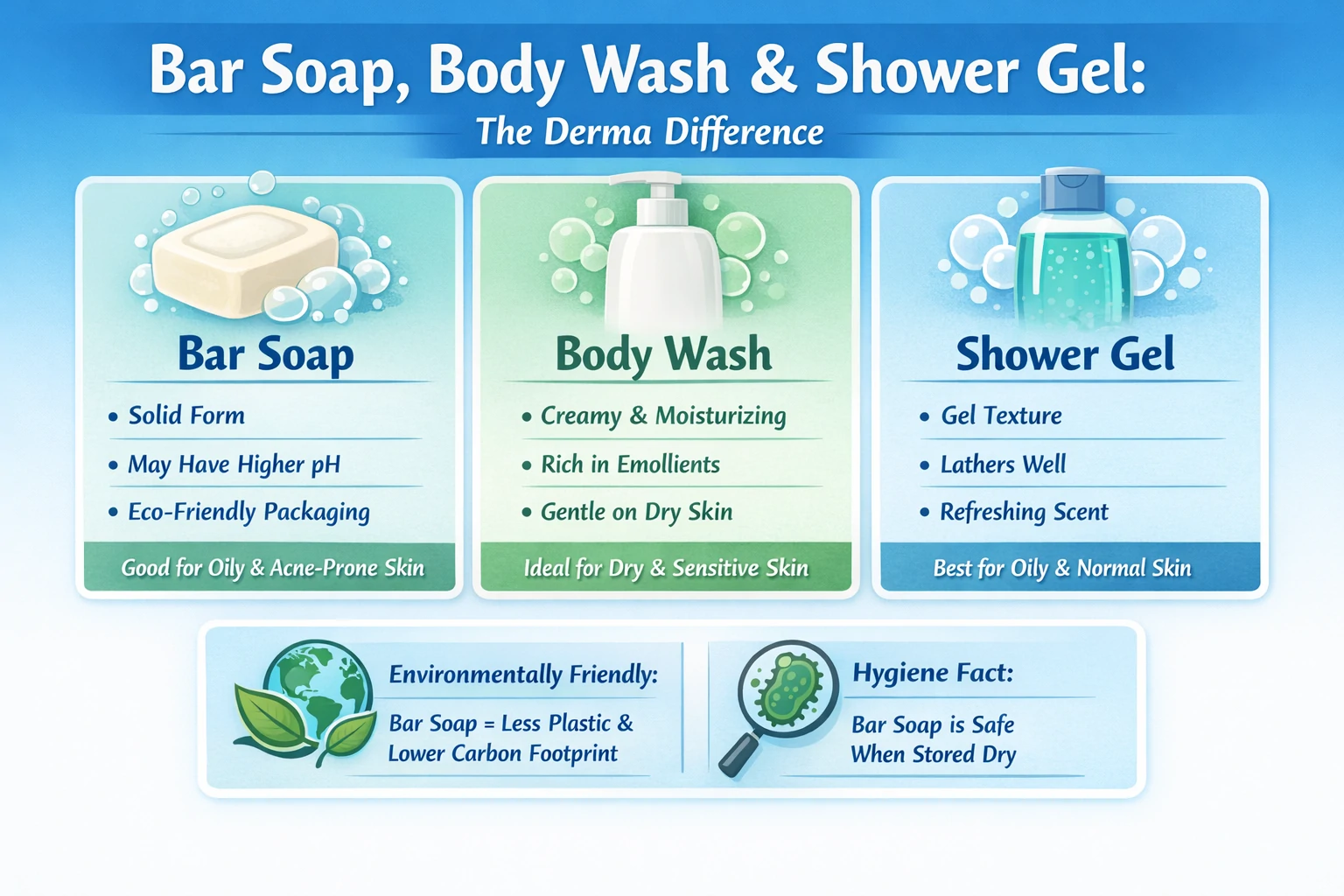
Dermatologist Dr. Kiran Mian explains that body washes typically contain higher levels of emollients and humectants. These moisturizing ingredients help reduce water loss during cleansing, making body wash a smart choice for dry or sensitive skin. The texture is usually creamy and gentle.
Shower Gel
Shower gels, on the other hand, are often lighter in moisturizing ingredients. They tend to have a thicker, gel-like consistency and produce more foam, offering a refreshing feel and strong fragrance experience—something many users enjoy.
As a general guideline, dry skin may benefit more from a hydrating body wash, while oily or normal skin may prefer the lightweight feel of a shower gel.
Bar Soap: Traditional Cleanser with Modern Dermatology Updates
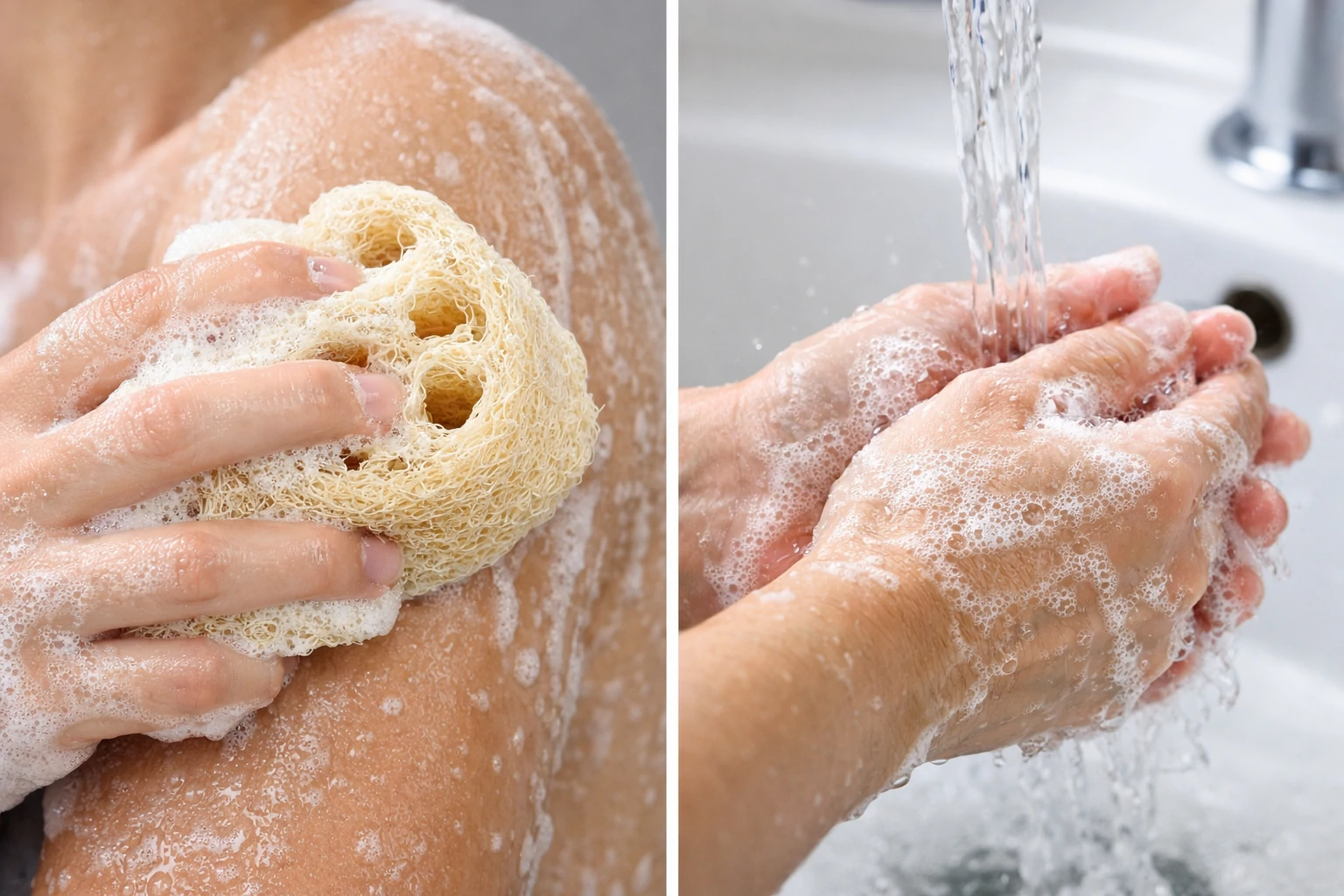
The defining feature of bar soap is its solid form, which clearly sets it apart from liquid body cleansers. Its usage is simple and familiar—wet the bar, create a lather, and apply the foam to the skin. This practicality keeps bar soap relevant even today.
According to dermatologist Dr. Mary Alice Mina, traditional bar soaps are typically made from fats or oils combined with water and an alkaline agent such as sodium hydroxide. In the past, many bar soaps had a relatively high pH, which could strip the skin’s natural oils and weaken the skin barrier, often leading to dryness.
However, Dr. Kiran Mian highlights that modern bar soaps have evolved significantly. Many current formulations are pH-balanced and designed to cleanse effectively without excessive dryness. In general, bar soap works especially well for quick showers or baths and for individuals with oily or acne-prone skin due to its strong cleansing ability.
An added advantage is sustainability. Bar soaps usually require minimal plastic packaging, making them a more eco-conscious option for daily hygiene.
How to Choose the Right Body Cleanser for Your Skin Type
From a clinical standpoint, Dr. Mian explains that bar soap, body wash, and shower gel are all effective at cleansing the skin. The key difference lies not in their ability to clean, but in how they interact with your skin’s moisture balance and barrier.
Choosing the right cleanser depends largely on your skin type, lifestyle, and personal comfort. For those new to skincare, understanding these basics can prevent common issues such as dryness, irritation, or breakouts.
Below is a dermatologist-informed guide to help you select a body cleanser that supports healthy skin—starting with dry skin concerns.
1. Normal to Dry Skin: Focus on Hydration and Comfort
If your skin feels tight or dry after showering, hydration should be your priority. Dr. Mary Alice Mina recommends body washes or shower gels that contain moisturizing ingredients to help maintain skin hydration during cleansing.
Dr. Kiran Mian further emphasizes that body wash is often the best option for normal to dry skin. Its creamy texture and higher emollient content help soothe the skin and reduce moisture loss. These emollients support the skin barrier, leaving the skin feeling softer and more comfortable after bathing.
For beginners, choosing a hydrating body wash is a simple yet effective step toward healthier skin.
2. Oily Skin: Effective Cleansing Without Clogging Pores
If you have oily skin, both shower gel and bar soap can be suitable choices. According to Dr. Mian, these cleansers are effective at removing excess oil, sweat, and daily impurities from the skin’s surface.
That said, product selection still matters. Dr. Mian advises prioritizing cleansers labeled non-comedogenic. These formulations are designed not to clog pores, which is essential for reducing the risk of breakouts and maintaining clearer skin.
With oily skin, the goal is balance—clean skin without triggering excess oil production.
3. Sensitive Skin: Gentle Formulas Are Non-Negotiable
For sensitive skin, body wash is often considered the safest and most skin-friendly option. Dr. Mian explains that sensitive skin is more prone to barrier disruption, and body washes tend to cleanse without stripping away natural oils or significantly altering skin pH.
Dr. Mina recommends choosing products that are clearly labeled gentle, fragrance-free or low-fragrance, and free from harsh chemicals. Minimalist formulas help reduce irritation and support skin comfort.
When it comes to sensitive skin, simpler is better—especially in your daily shower routine.
Bar Soap vs. Liquid Cleansers: Which Is More Eco-Friendly?
Beyond skin health and personal preference, environmental impact is an increasingly important factor when choosing a body cleanser. From a sustainability standpoint, bar soap often has a clear advantage over liquid cleansers such as body wash and shower gel.
The main reason lies in packaging. Bar soaps are typically wrapped in paper or cardboard, materials that are easier to recycle or biodegrade. In contrast, most body washes and shower gels are sold in plastic bottles, which contribute significantly to global single-use plastic waste.
There is also a transportation factor to consider. Because bar soap is solid, it requires less space and weighs less during shipping. Dr. Mary Alice Mina explains that liquid cleansers can contain up to 80% water. This added weight increases fuel use during transport, resulting in a higher carbon footprint.
For consumers who want to reduce plastic waste and support more environmentally responsible skincare habits, bar soap represents a simpler and more sustainable choice—without sacrificing cleansing performance.
Myth vs. Fact: Is Bar Soap Hygienic?
A common concern about bar soap is hygiene. Many people worry that because bar soap comes into direct contact with skin and water—and is sometimes shared—it may harbor germs.
Fortunately, this concern is largely a myth. As Dr. Kiran Mian explains, while bacteria can be detected on the surface of a used bar soap, they are unlikely to transfer to the next user or cause infection, especially when the soap is used by one person.
Soap functions as a surfactant. When lathered and rinsed, it binds to dirt, oil, and microorganisms, washing them away with water. Dr. Mina adds that proper storage plays an important role in hygiene. Keeping bar soap in a well-drained, dry soap dish allows it to dry between uses, which helps limit bacterial growth.
With basic care, bar soap remains a safe, clean, and effective option for daily hygiene.
Final Thoughts
When it comes to body cleansers—whether body wash, shower gel, or bar soap—research and dermatological insight confirm that all three are effective at physically cleansing the skin. The best choice depends on your skin type and everyday priorities.
For normal to dry skin, a creamy, emollient-rich body wash helps maintain hydration and comfort. Oily skin may benefit more from a non-comedogenic shower gel or bar soap that effectively removes excess sebum. If you have sensitive skin, a gentle body wash with minimal fragrance is generally the safest option, as it is less likely to disrupt the skin barrier.
Beyond skin health, Dr. Mary Alice Mina and Dr. Kiran Mian agree that bar soap stands out for sustainability. With minimal plastic packaging and a lower carbon footprint, it offers an environmentally responsible option. When stored properly and used personally, bar soap remains both hygienic and practical for daily use.
You might also like


 Acne
Acne Anti-Aging
 Business
 Digital Marketing
 Economics
 Exfoliation
 Hair Removal
 Movies
 Personal Finance
 Websites