The Perfect Body Care Routine: Expert Steps for Glowing Skin
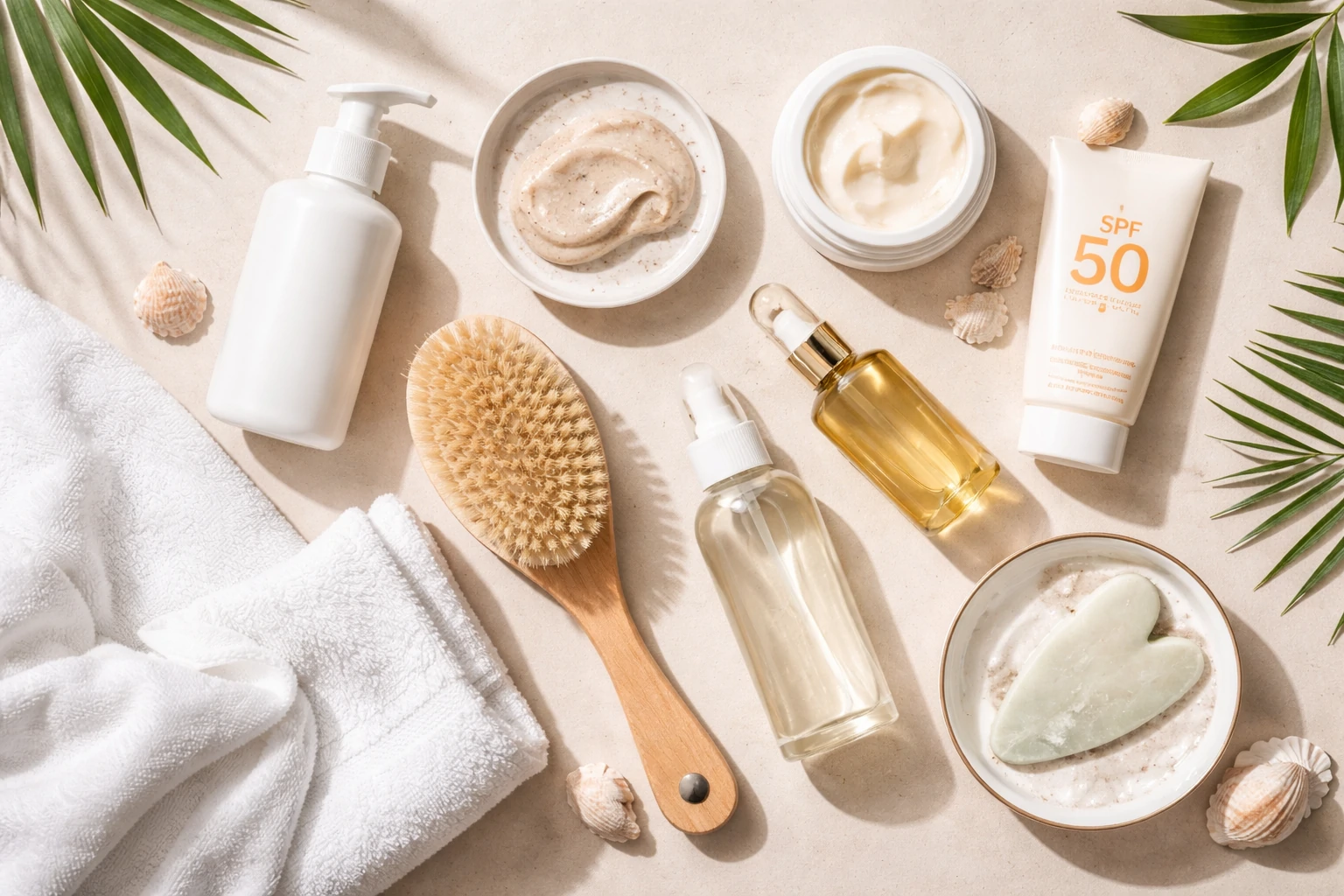
Taking care of your body skin is a long-term investment in overall skin health. As the body’s largest protective organ, skin on areas beyond the face is equally vulnerable to dehydration, acne-related inflammation, and premature aging caused by UV exposure. Yet, body care is often overlooked, even though it plays a vital role in maintaining the skin barrier and overall comfort.
An effective body care routine goes beyond aesthetics. It supports skin resilience, improves texture, and provides a moment of daily self-care that promotes relaxation and well-being. Ending the day with clean, well-hydrated skin can significantly enhance comfort and sleep quality.
To help you build a simple yet effective routine, this guide is based on insights from board-certified dermatologists. According to experts like Dr. Hadley King and Dr. Omer Ibrahim, the key lies in consistent cleansing and proper hydration to maintain a strong skin barrier. Below, we break down the essential first step to help you achieve healthy, radiant body skin—especially if you are new to skincare.
Step 1: Cleansing Your Body the Right Way
Cleansing is the foundation of any effective body care routine. According to board-certified dermatologist Dr. Hadley King, regular cleansing removes excess oil, sweat, dead skin cells, and environmental pollutants that can clog pores and trigger skin issues across the body.
Choosing the right body cleanser should always be based on your skin type:
- Sensitive Skin: Dr. Omer Ibrahim recommends fragrance-free, hypoallergenic body washes to reduce the risk of irritation and redness.
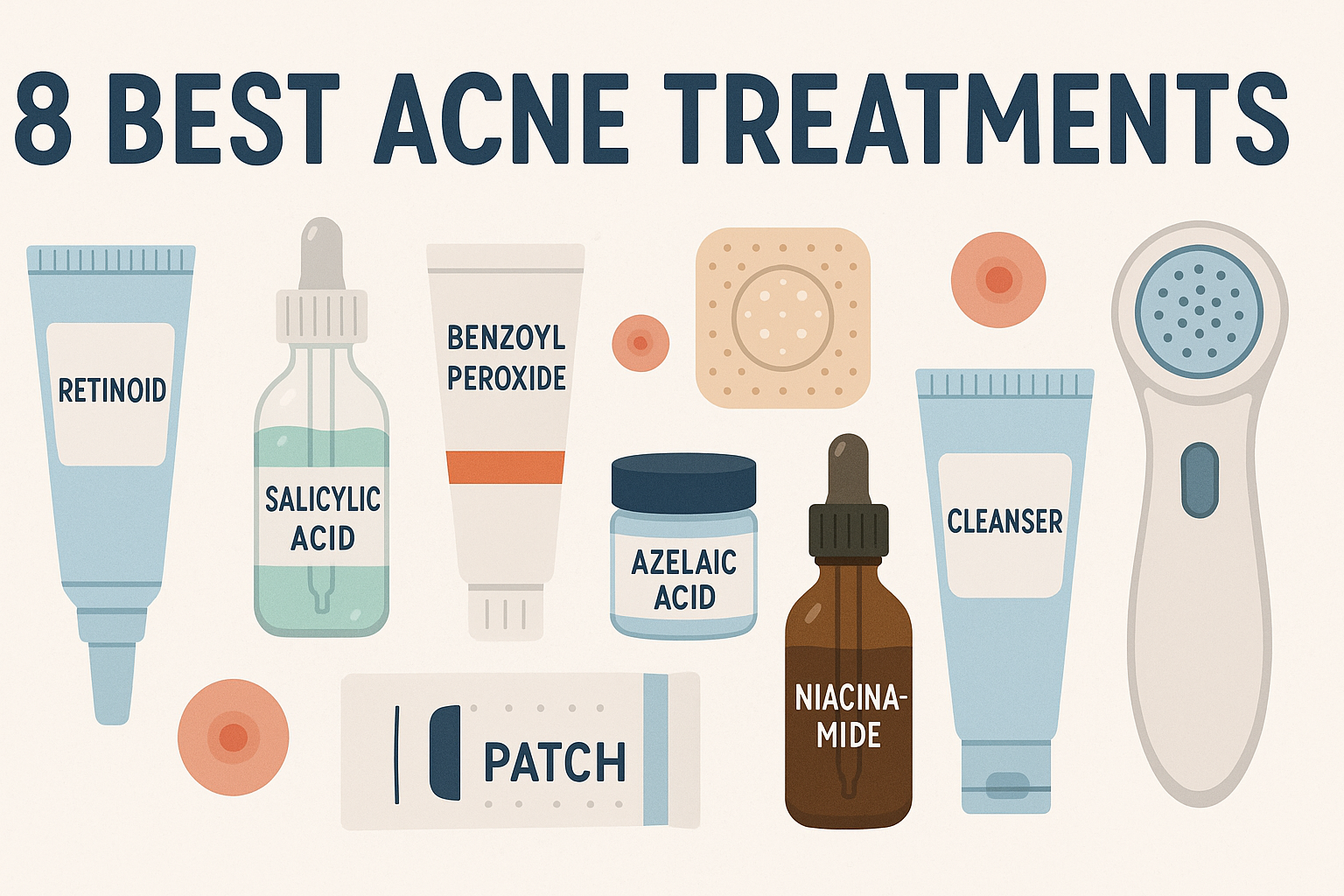
- Acne-Prone Skin: Ingredients such as salicylic acid or glycolic acid can help manage breakouts on areas like the back and chest by gently exfoliating and reducing inflammation.
- Dry or Dehydrated Skin: Dr. King advises using gentle surfactants combined with humectants and emollients to cleanse without stripping moisture, helping to protect the skin barrier.
A well-chosen cleanser prepares your skin to better absorb moisture and active ingredients in the next steps, making it an essential starting point for healthy, glowing body skin.
Best Body Cleansers: Expert-Recommended Product Picks
Choosing the right body cleansing product is an essential step in maintaining healthy, balanced skin. A well-formulated body wash not only cleanses but also supports the skin barrier and enhances overall comfort. Based on ingredient quality, skin compatibility, and expert insight, the following options stand out for different skin needs:
- Youth To The People Superfood Body Wash is rich in plant-based antioxidants that help nourish the skin while protecting it from environmental oxidative stress. It is ideal for those seeking a gentle yet revitalizing daily cleanser.
- Dove Sensitive Skin Body Wash is a trusted choice for reactive or sensitive skin. Its fragrance-free, hypoallergenic formula helps cleanse without stripping natural moisture or triggering irritation.
- Natura Ekos Açaí Revitalizing Triple Phase Shower Oil delivers intense hydration through a unique three-phase texture, making it especially beneficial for dry or fatigued skin.
- Kosas Exfoliating Body Wash combines daily cleansing with mild chemical exfoliation, helping refine skin texture and maintain a smooth, radiant appearance.
Selecting a cleanser that matches your skin type can significantly improve the effectiveness of your overall body care routine.
Step 2: Exfoliation for Smoother, Brighter Body Skin
Consistent exfoliation is a key factor behind healthy, glowing body skin. From a dermatological perspective, Dr. Hadley King explains that both physical and chemical exfoliation help remove accumulated dead skin cells from the epidermis, revealing fresher and more resilient skin underneath.
Regular exfoliation offers several important benefits:
- Clearer Pores: By lifting away debris and excess oil, exfoliation helps reduce the risk of body acne, especially on the back and chest.
- Better Product Absorption: Removing dead skin allows moisturizers and treatments to penetrate more effectively, improving hydration and skin elasticity.
- Support for Skin Renewal: Over time, gentle exfoliation can promote cell turnover and support collagen production, contributing to smoother and more youthful-looking skin.
By eliminating dull surface layers, exfoliation improves texture and radiance. For best results, choose a method suited to your skin’s tolerance and exfoliate in moderation to protect the skin barrier.
Chemical Exfoliation: Gentle Science for Even, Clear Skin
Chemical exfoliation uses active ingredients to remove dead skin cells in a controlled and precise way. According to board-certified dermatologist Dr. Hadley King, this method includes ingredients such as salicylic acid, glycolic acid, fruit enzymes, as well as citric and malic acids. While dermatologists may use higher concentrations in clinical settings, over-the-counter body care products are formulated with lower, skin-safe levels suitable for regular use.
From a scientific perspective, chemical exfoliants work by targeting the bonds between dead skin cells—often described as the skin’s “natural glue”—that keep them attached to the surface of the epidermis.
- AHAs and BHAs help loosen these cellular bonds, allowing dead skin cells to shed naturally.
- Enzymes break down keratin proteins in dead skin cells without affecting healthy skin underneath.
When used consistently and appropriately, chemical exfoliation helps smooth uneven texture, unclog pores, and support healthy cell turnover. This makes it an excellent option for beginners seeking clearer, brighter body skin with minimal irritation.
Physical Exfoliation: Manual Techniques and Best Practices
Physical, or mechanical, exfoliation removes dead skin cells through gentle friction on the skin’s surface. Dermatologist Dr. Omer Ibrahim explains that this method includes tools such as microfiber cloths, sponges, loofahs, and body brushes. In addition, many body scrubs use natural exfoliating particles like sugar, salt, or finely ground plant-based materials.
While physical exfoliation can deliver immediate smoothness, moderation is essential to protect the skin barrier. Dr. Ibrahim highlights several key considerations:
- Limit Frequency: Manual exfoliation should generally be done no more than one to two times per week, depending on skin sensitivity.
- Respect Natural Skin Renewal: The skin naturally sheds dead cells on its own, even without exfoliating products.
- Avoid Over-Exfoliation: Excessive scrubbing can disrupt the skin barrier, leading to dryness and irritation.
For most people, a gentle and mindful approach is more than sufficient to keep body skin clean, smooth, and healthy.
Key Ingredients to Look For in Exfoliating Products
When choosing chemical or physical exfoliants, hydration-focused formulas are essential. Board-certified dermatologist Dr. Hadley King emphasizes that exfoliation should never compromise the skin barrier. Instead, the right ingredients help reduce irritation while maintaining healthy moisture levels during cell turnover.
To support safe and effective exfoliation, Dr. King recommends looking for products that combine the following three ingredient categories:
- Humectants: Ingredients such as glycerin and hyaluronic acid attract and bind water to the skin, providing immediate hydration and reducing post-exfoliation dryness.
- Emollients: Ceramides and triglycerides help fill the gaps between skin cells, improving smoothness while reinforcing the skin’s natural protective barrier.
- Occlusives: Petrolatum and similar ingredients form a protective layer on the skin’s surface to prevent transepidermal water loss (TEWL).
The synergy of humectants, emollients, and occlusives ensures exfoliation remains gentle yet effective. This balance allows skin to look brighter and smoother without sacrificing comfort or long-term skin health—especially important for beginners building a body care routine.
Expert-Selected Cleansing and Exfoliating Product Recommendations
Selecting the right exfoliating body products plays a crucial role in supporting skin renewal without disrupting the lipid barrier. Based on ingredient quality and performance, the following expert-curated options are well-suited for safe, effective body exfoliation:
- OSEA Undaria Cleansing Body Polish combines gentle physical exfoliation with nourishing Undaria seaweed, helping smooth skin while delivering essential minerals.
- Versed Buff It Out AHA Exfoliating Body Scrub offers a dual-action formula with fine exfoliating particles and AHAs, ideal for improving dullness and uneven tone.
- Isle of Paradise Confidently Clear Body Polish Scrub is designed to help keep pores clear and support a more balanced, healthy-looking complexion.
- Sidia The Body Exfoliant focuses on a luxurious yet gentle exfoliating experience, effectively removing dead skin cells without leaving skin dry or tight.
Use these products according to recommended frequency to maintain smooth texture, elasticity, and natural radiance over time.
Step 3: Target Your Body Skin Concerns Effectively
Each area of the body has unique characteristics and may require targeted care. According to board-certified dermatologist Dr. Hadley King, body skin responds well to active ingredients that address specific concerns such as aging, hyperpigmentation, and body acne. Using targeted treatments can significantly improve results, especially for those new to body skincare.
Key ingredients commonly recommended by experts include:
- Niacinamide: Helps refine skin texture and visibly reduce uneven skin tone and discoloration.
- Antioxidants (Vitamin C): Brighten the skin while protecting cells from oxidative stress caused by environmental damage.
- Retinol and Peptides: Support collagen production to improve firmness and reduce early signs of aging.
- Salicylic Acid: A proven solution for body acne and keratosis pilaris by unclogging pores and reducing inflammation.
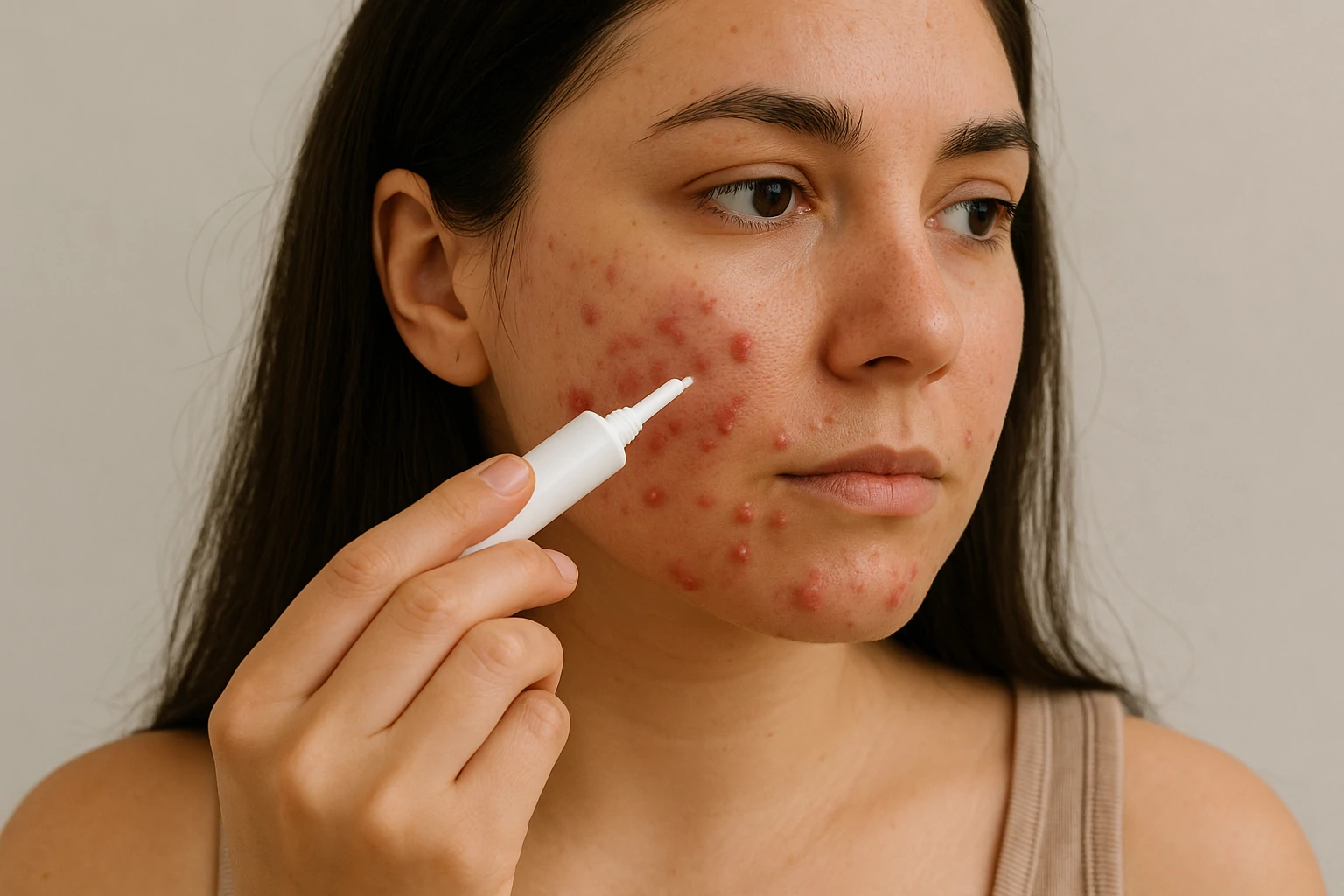
When it comes to body acne, Dr. Anar Mikailov notes that not all bumps are traditional acne. Conditions such as fungal acne or folliculitis require different treatments. For common breakouts, he recommends benzoyl peroxide cleansers, showering promptly after sweating, and wearing loose, breathable clothing. Persistent concerns should always be evaluated by a dermatologist for accurate diagnosis and care.
Expert-Recommended Products for Targeted Body Treatments
Choosing body care products with proven active ingredients is essential for addressing specific skin concerns effectively. The following dermatologist-recommended options are known for their performance and skin-friendly formulations:
- Nécessaire The Body Retinol combines pure retinol with AHAs to encourage cell turnover and visibly soften fine lines and signs of aging.
- Paula’s Choice Retinol Skin-Smoothing Body Treatment blends retinol with antioxidants to improve rough texture while maintaining hydration.
- Naturium Salicylic Acid Body Spray offers a convenient, easy-to-apply solution for hard-to-reach areas, helping treat body acne and clogged pores.
- First Aid Beauty KP Bump Eraser Body Scrub uses glycolic and lactic acids to smooth keratosis pilaris, commonly known as “chicken skin.”
For best results, use these treatments consistently while monitoring your skin’s tolerance to active ingredients.
Step 4: Moisturizing for Long-Lasting Hydration and Skin Health
Moisturizing after showering is a crucial step in any effective body care routine. Skipping this step can lead to chronic dryness, rough texture, and a weakened skin barrier. According to board-certified dermatologist Dr. Hadley King, an effective body moisturizer should combine humectants to attract water, emollients to smooth the skin, and occlusives to seal in moisture and prevent evaporation.
Dermatologist Dr. Anar Mikailov recommends tailoring moisturizer ingredients to your specific skin needs:
- Normal Skin: Look for plant-derived ingredients such as shea butter, squalane, jojoba oil, and ceramides. These provide essential fatty acids and antioxidants that help strengthen the skin barrier.
- Acne-Prone or Inflamed Skin: Hydration remains essential to calm irritation and support healing. Choose lightweight, non-comedogenic formulas to avoid clogged pores.
- Sensitive Skin or Eczema: Avoid added fragrance and opt for minimalist formulas with fast-absorbing, skin-repairing ingredients.
Applying moisturizer immediately after showering helps lock in hydration while the skin is still slightly damp, keeping body skin soft, supple, and comfortable throughout the day.
Expert-Approved Body Moisturizer Recommendations
Maintaining optimal hydration is key to preserving skin elasticity and a healthy glow. Based on ingredient performance and user experience, the following body moisturizers are highly recommended:
- Glossier Body Hero Daily Perfecting Lotion delivers deep hydration while subtle light-reflecting particles enhance the skin’s natural radiance.
- Jergens Melanin Glow Hand and Body Lotion is formulated to boost the skin’s natural luminosity, providing rich moisture that enhances deeper skin tones.
- Charlotte Tilbury Magic Body Cream uses face-inspired technology with caffeine and hyaluronic acid to help firm and smooth the appearance of body skin.
- Eucerin Advanced Repair Body Lotion is a dermatologist-favored option for very dry skin, featuring ceramides and natural moisturizing factors to restore the skin barrier.
For best absorption and visible results, apply these moisturizers right after bathing.
Step 5: Use Sun Protection to Prevent Premature Skin Aging
Daily sun protection is one of the most impactful steps for maintaining long-term skin health. Board-certified dermatologist Dr. Hadley King emphasizes that applying sunscreen every day—and reapplying it every two hours when exposed—is essential to reduce cumulative skin damage. Most UV-related aging does not come from occasional beach days, but from repeated, unprotected daily exposure.
Clinically, consistent sunscreen use offers critical benefits:
- Skin Cancer Prevention: Regular use of SPF 15 or higher has been shown to reduce the risk of melanoma by up to 50%.
- Structural Skin Protection: Sunscreen helps prevent collagen breakdown that leads to wrinkles, sagging, crepey skin, and age spots.
Dermatologist Dr. Anar Mikailov adds that chronic UV exposure weakens the supportive tissue around blood vessels, especially on the arms and neck, making the skin more prone to bruising with age. By protecting your body skin from UV radiation, you preserve not only a youthful appearance but also long-term skin and vascular health.
How to Choose an Effective Body Sunscreen
Selecting the right body sunscreen requires attention to both labeling and formulation. According to Dr. Anar Mikailov, effective sun protection depends on the following key features:
- Broad-Spectrum Protection: Always choose a sunscreen labeled broad-spectrum, meaning it protects against both UVA (aging) and UVB (burning) rays.
- Water Resistance: Since body skin often sweats or comes into contact with water, a water-resistant formula provides more reliable protection.
- Easy Application: A texture that spreads easily helps ensure even coverage across large body areas.
- Spray Sunscreens: If using a spray format, Dr. Mikailov recommends spraying each area at least three times and rubbing it in by hand to avoid missed spots.
Paying attention to these factors ensures your body care routine remains fully protected against long-term sun damage.
Body Sunscreen Recommendations with Reliable SPF Protection
Protecting your skin from ultraviolet radiation requires sunscreens with stable, well-tested formulations. Based on protection level, texture, and skin compatibility, the following body sunscreens are widely recommended by dermatology experts:
- Blue Lizard Sheer Mineral Sunscreen Lotion SPF 50+ is a mineral-based option ideal for sensitive skin. It offers strong broad-spectrum protection while feeling lightweight and leaving minimal white cast.
- CeraVe Hydrating Mineral Sunscreen combines physical UV filters with essential ceramides, helping protect the skin while supporting long-lasting hydration and barrier repair.
- Supergoop! Unseen Body Sunscreen features an innovative invisible gel texture that applies smoothly, feels weightless, and leaves a natural, non-greasy finish on all skin tones.
- Coola Organic Sunscreen Spray is a convenient choice for active lifestyles. Its organic spray formula allows quick, even application and provides a refreshing sensory experience.
Choosing a sunscreen you enjoy using increases consistency, which is key to effective long-term sun protection.
Step 6: Incorporate Body Care Tools When Needed
Body care tools can be a valuable complement to your routine, offering both relaxation and skin benefits when used correctly. Tools such as dry brushes, sculpting massage devices, and Gua Sha are often used to stimulate circulation and enhance skin appearance. Dry brushing, in particular, is a form of mechanical exfoliation performed on dry skin using a soft-bristled brush.
According to dermatologist Dr. Hadley King, dry brushing helps remove surface dead skin cells and temporarily brighten the skin’s appearance. With consistent use, it may also support healthy cell turnover and smoother texture. She recommends starting slowly:
- Begin Gently: Use very light pressure for about 30 seconds, two to three times per week.
- Gradual Progression: Increase duration gradually, up to three minutes per area, depending on skin tolerance.
For sensitive skin, always choose a soft brush to avoid irritation. Dr. Anar Mikailov also advises applying body oil or moisturizer before using Gua Sha or massage tools, allowing them to glide smoothly and minimizing friction that could damage the skin.
Expert-Recommended Body Care Tools for Better Skin Results
Incorporating body care tools into your routine can enhance circulation, improve skin texture, and elevate your overall self-care experience. When used consistently and gently, these tools support exfoliation and relaxation without compromising the skin barrier. Below are high-quality tool recommendations commonly favored by skincare professionals:
- Goop G.Tox Dry Brush features natural bristles ideal for dry brushing, helping remove dead skin cells while stimulating lymphatic flow.
- Kate McLeod The Body Gua Sha is ergonomically designed to massage tense muscles and support smoother, more sculpted-looking body contours.
- The Skinny Confidential Butter Brush offers ultra-soft bristles, making it a suitable option for those seeking gentle circulation stimulation with minimal risk of irritation.
- Love Wellness Bye Bye Bloat Lymphatic Massage Roller focuses on lymphatic drainage, helping reduce temporary water retention and promote a feeling of lightness.
For best results, pair these tools with your favorite body moisturizer or oil to support glide and maximize skin benefits.
The Role of Diet and Hydration in Glowing Skin (Inside-Out Beauty)
Healthy, glowing skin is influenced not only by topical skincare but also by nutrition and hydration from within. The “inside-out beauty” approach highlights how skin structure and function depend on adequate fluid intake and a balanced supply of essential nutrients.
Dermatology experts emphasize that consistent hydration helps maintain skin turgor, keeping it plump and minimizing the appearance of fine lines. In addition to water, several key nutrients support optimal skin health:
- Omega-3 Fatty Acids: Found in fatty fish and seeds, these healthy fats help strengthen the skin’s natural lipid barrier.
- Antioxidants: Vitamins C and E play a crucial role in neutralizing free radicals and supporting collagen production.
- Electrolyte-Rich Foods: Water-dense fruits contribute to cellular hydration and improved moisture retention.
Dr. Hadley King often notes that high-sugar diets can trigger glycation, a process that weakens collagen over time. In contrast, nutrient-rich diets support faster skin recovery. High-quality supplements, such as collagen peptides from brands like Vital Proteins, may offer additional support for skin elasticity and long-term skin health.
Morning vs. Night Body Care Routine: Why Timing Matters
Your skin’s biological needs change between day and night, making timing an important factor in an effective body care routine. Understanding the skin’s circadian rhythm helps active ingredients work at their best while minimizing irritation—especially for those new to skincare.
Morning Routine: Protection and Antioxidants
During the day, the primary goal is defense against environmental stressors such as UV radiation and pollution. According to Dr. Hadley King, antioxidant-rich products help neutralize free radicals generated by daily exposure. Applying a broad-spectrum body sunscreen is essential before going outdoors. Lightweight, fast-absorbing formulas are ideal to keep skin comfortable throughout the day.
Night Routine: Repair and Deep Hydration
At night, the skin shifts into recovery mode. Dermatologist Dr. Anar Mikailov explains that the skin becomes more permeable during sleep, allowing it to absorb richer, treatment-focused products more effectively. This is the ideal time to use retinol-based body treatments to improve texture and tone, along with richer occlusives like body butters to lock in moisture.
Using products such as Paula’s Choice Retinol Body Treatment at night supports repair from daytime sun exposure, helping skin look healthier by morning.
Sustainability in Body Care: Making Eco-Friendly Skin Choices
Sustainability has become an essential part of modern body care, where product performance goes hand in hand with environmental responsibility. Choosing eco-friendly skincare is not just a trend—it helps protect ecosystems while reducing exposure to harsh synthetic ingredients.
Dermatologist Dr. Anar Mikailov notes that informed consumers increasingly consider how products are made and packaged. When selecting sustainable body care, look for these key factors:
- Circular Packaging: Opt for recyclable containers or refill systems to reduce single-use plastic waste.
- Biodegradable Formulas: Ingredients that break down naturally help prevent water pollution after rinsing.
- Ethical Certifications: Labels such as cruelty-free and vegan indicate responsible and humane production practices.
Brands like Natura Ekos lead the way by sourcing ingredients responsibly from the Amazon, supporting local communities while preserving biodiversity. By choosing sustainable body care products, you not only support healthier skin but also contribute to long-term environmental well-being.
You might also like
 Acne
Acne Anti-Aging
 Business
 Digital Marketing
 Economics
 Exfoliation
 Hair Removal
 Movies
 Personal Finance
 Websites