Best Moisturizing Body Wash Guide for Glowing Summer Skin

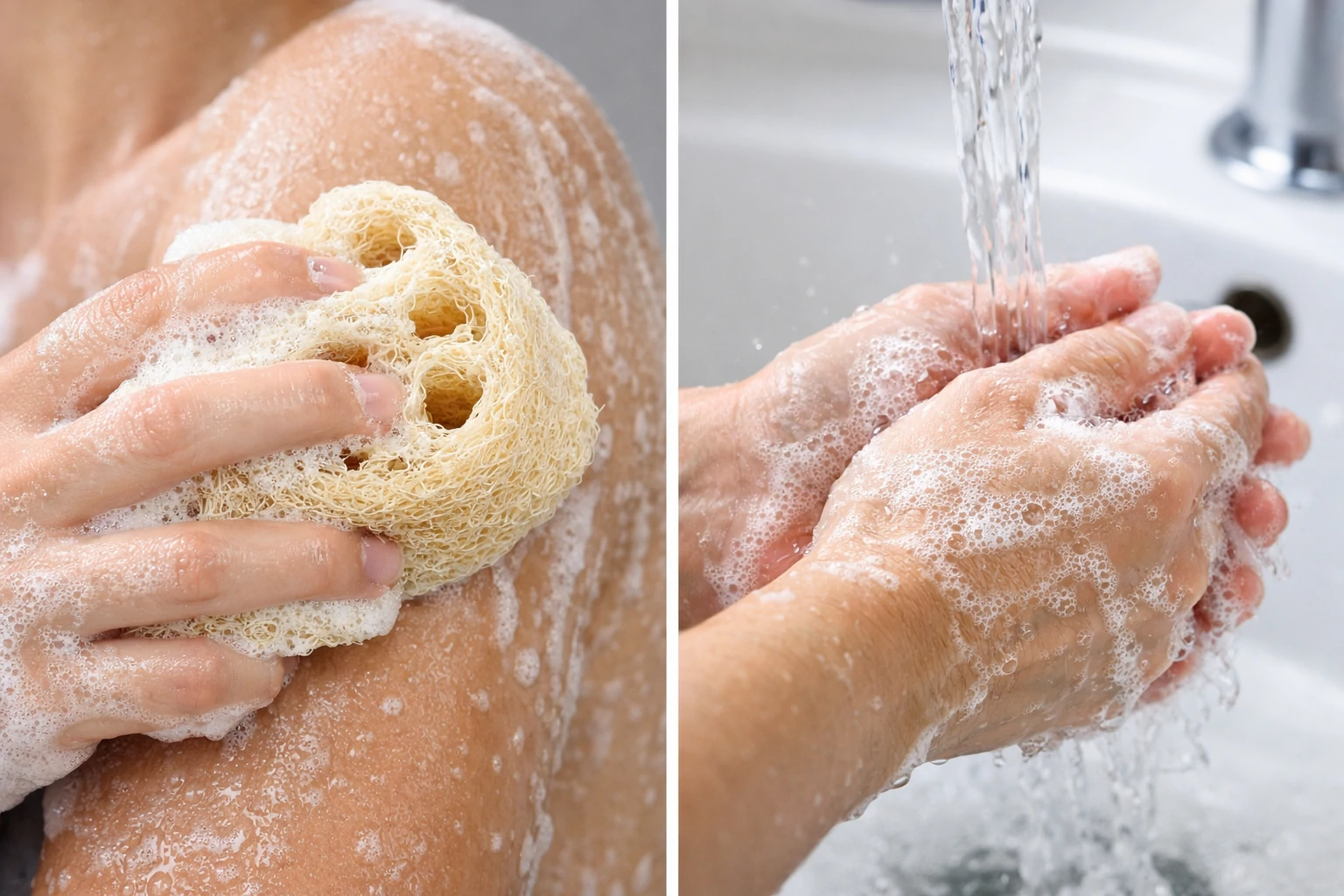
Keeping dry skin hydrated can feel challenging, especially during summer. While lotions and body oils help seal moisture on the surface, true skin hydration actually starts in the shower. Choosing the right moisturizing body wash is a crucial first step to prevent excessive moisture loss during cleansing.
According to board-certified dermatologist Dr. Joshua Zeichner, modern body wash formulas have evolved far beyond basic cleansing. Today’s products are designed to actively support and nourish the skin barrier while gently removing dirt and sweat. This is especially important for beginners who are just starting a skincare routine and may not yet use multiple hydrating products.
Dermatologist Dr. Marisa Garshick and skincare researcher Grace Winckowski emphasize that a well-formulated moisturizing body wash should balance cleansing and hydration without disrupting natural skin oils. To help you choose wisely, experts recommend focusing on these essentials:
- Gentle surfactants to cleanse without stripping
- Humectants like glycerin to attract moisture
- Occlusive ingredients such as plant oils to lock hydration in
Understanding these basics allows you to maintain soft, glowing, and healthy-looking skin all summer long—starting from the very first step of your routine.
What Is a Moisturizing Body Wash?
A moisturizing body wash is specifically formulated to cleanse the skin without compromising its natural protective barrier. Unlike traditional soaps that can feel harsh or drying, these products use advanced cleansing systems designed to be gentle yet effective.
According to dermatologist Dr. Marisa Garshick, moisturizing body washes remove impurities while preserving essential lipids that keep the skin balanced and resilient. Their primary purpose goes beyond cleanliness—they actively support skin hydration during every shower.
Skincare research expert Grace Winckowski explains that hydration retention is the top priority in these formulas. This ensures the skin feels comfortable, soft, and refreshed after rinsing, rather than tight or dry. The effectiveness comes from a thoughtful blend of hydrating and conditioning ingredients working together.
Meanwhile, Dr. Joshua Zeichner highlights that built-in moisturizing agents help strengthen the skin barrier in real time. This means your skin receives protective benefits during cleansing itself, making moisturizing body washes an ideal entry point for anyone new to skincare and looking for simple, effective daily care.
Who Is a Moisturizing Body Wash Best For?
A moisturizing body wash is generally suitable for all skin types and safe for daily use. However, dermatology experts agree that it becomes especially important for individuals with specific skin concerns, where maintaining a healthy skin barrier is essential for long-term skin health.
People with eczema or psoriasis benefit significantly from hydrating body washes. These conditions weaken the skin barrier, making skin more prone to irritation and moisture loss. Gentle, moisturizing formulas help reduce flare-ups and support skin recovery.
Those with acne-prone skin can also benefit. Many acne treatments cause excessive dryness and inflammation. Using a hydrating body wash helps restore moisture balance without clogging pores, which may improve overall skin comfort.
For individuals with mature skin, hydration is key. As skin ages, its ability to retain moisture and maintain elasticity declines. Nutrient-rich, moisturizing cleansers help reinforce the skin’s structure and reduce dryness-related sensitivity.
With the right formula, a moisturizing body wash offers lasting comfort, protection, and softness—without leaving the skin feeling tight after showering.
Key Ingredients to Look for in a Moisturizing Body Wash
The effectiveness of a moisturizing body wash depends largely on its ingredient composition. According to skincare researcher Grace Winckowski, modern formulas rely on proven humectants like glycerin and hyaluronic acid, which attract and bind water to the skin for immediate and lasting hydration.
To seal that moisture in, plant-based oils such as coconut or soybean oil play a crucial role in strengthening the skin’s natural barrier. These ingredients help prevent transepidermal water loss while keeping skin supple.
Rich emollients like shea butter further enhance hydration by smoothing rough texture and delivering skin-supporting vitamins. When combined strategically, these ingredients can help maintain moisture for up to 24 hours and reduce irritation.
Dermatologists Dr. Marisa Garshick and Dr. Joshua Zeichner also recommend looking for:
- Ceramides to repair and reinforce the skin barrier
- Niacinamide to calm redness and inflammation
- Aloe vera to soothe sensitive or irritated skin
These ingredients work together to deliver balanced, beginner-friendly skin hydration.
How to Choose the Best Moisturizing Body Wash Formula
With so many body cleansers available today, choosing the right formula can feel overwhelming. Dermatology experts agree that the most important factor is understanding your own skin type and its specific needs.
According to Dr. Marisa Garshick, a high-quality moisturizing body wash should create a soft, creamy lather that cleanses effectively without feeling harsh. A gentle foam usually indicates the presence of mild surfactants, which help protect the skin’s natural lipids and make the product suitable for long-term, daily use.
Dermatologists often recommend selecting a formula based on the severity of your skin concerns—such as dryness, sensitivity, or acne. For beginners, this step is especially important, as the wrong cleanser can silently disrupt the skin barrier over time.
Focus on ingredient integrity, fragrance tolerance, and how your skin feels after rinsing. A well-chosen moisturizing body wash should leave skin comfortable, balanced, and hydrated, functioning not just as a cleanser but as a daily hydration treatment that supports overall skin health.
Expert-Recommended Moisturizing Body Washes to Consider
Based on ingredient analysis and dermatological performance, experts consistently highlight the following moisturizing body washes for their ability to support skin barrier health and long-term hydration:
- Native Moisturizing Body Wash: Provides deep hydration using clean, minimalist ingredients, making it ideal for everyday use.
- Eucerin Eczema Relief Cream Body Wash: Formulated with colloidal oatmeal to calm irritation and relieve eczema-prone skin.
- Avène XeraCalm A.D Cleansing Oil: An ultra-gentle cleansing oil designed to restore lipids in very dry, itchy skin.
- La Roche-Posay Lipikar Wash AP+: A versatile face and body cleanser enriched with prebiotic thermal water for sensitive skin.
- Cetaphil Acne Relief Body Wash: Helps cleanse acne-prone skin without stripping essential moisture.
- Neutrogena Body Clear Body Wash: Contains salicylic acid to target body acne while maintaining skin comfort.
Each product is carefully curated to ensure safety, hydration, and reliable results for a wide range of skin types.
Best Moisturizing Body Washes for Oily and Acne-Prone Skin
Managing oily, acne-prone skin requires a careful balance between exfoliation and hydration. Dermatology experts agree that effective acne care should never come at the expense of the skin barrier.
- Neutrogena Body Clear Acne Body Wash
This formula contains 2% salicylic acid, the gold standard for treating body acne. According to Dr. Joshua Zeichner, it has been clinically shown to clear breakouts while maintaining skin comfort. Its gentle surfactant system is paired with soothing ingredients like aloe vera and chamomile, helping reduce inflammation and prevent over-drying. - Cetaphil Acne Relief Body Wash
Recommended by Dr. Marisa Garshick, this cleanser also uses 2% salicylic acid to gently exfoliate dead skin cells and unclog pores. What sets it apart is its advanced moisturizing complex, featuring glycerin, shea butter, and soybean oil, which minimizes dryness and irritation commonly associated with acne treatments.
Both options support acne control while preserving hydration, making them ideal for long-term use on oily and breakout-prone skin.
Best Moisturizing Body Washes for Dry and Sensitive Skin
For dry and sensitive skin, avoiding irritants is essential. Experts recommend fragrance-free, barrier-supporting formulas that cleanse gently without triggering reactions.
- Vanicream Gentle Body Wash
Highly recommended by Dr. Marisa Garshick, this cleanser is free from fragrance, sulfates, parabens, and harsh preservatives such as formaldehyde. It also excludes common irritants like cocamidopropyl betaine, making it suitable even for extremely reactive or allergy-prone skin. - La Roche-Posay Lipikar Wash AP+
For sensitivity combined with severe dryness, Dr. Garshick suggests this multi-use face and body cleanser. It contains prebiotic thermal water to support the skin microbiome, shea butter to strengthen the skin barrier, glycerin for deep hydration, and niacinamide to instantly calm inflammation.
These formulas deliver daily comfort and protection, helping sensitive skin stay soft, balanced, and resilient.
Best Moisturizing Body Washes for Eczema-Prone Skin
Eczema-prone skin requires extra care to protect a compromised skin barrier and calm ongoing inflammation. Dermatologists emphasize that choosing the right body cleanser is not optional—it is a core part of eczema management.
- Eucerin Eczema Relief Cream Body Wash
Recommended by Dr. Joshua Zeichner, this ultra-gentle cream cleanser focuses on minimal yet effective cleansing. It is enriched with colloidal oatmeal, a clinically recognized ingredient known for soothing redness, relieving itchiness, and delivering deep hydration to irritated skin. - Avène XeraCalm A.D Lipid-Replenishing Cleansing Oil
As noted by Dr. Marisa Garshick, this cleanser is approved by the National Eczema Association and designed to restore depleted skin lipids. Its formula combines Avène Thermal Spring Water with the I-Modulia® complex, which helps reduce itching sensations and strengthen the skin’s natural defense system.
Both options cleanse without triggering flare-ups, transforming daily showers into a supportive, calming step in eczema care.
Showering Strategies to Maintain Optimal Skin Hydration
Choosing the right moisturizing body wash is only part of the equation. Dermatologists agree that daily shower habits play a major role in preserving the skin barrier and preventing moisture loss.
How your skin interacts with water can determine whether hydration is locked in or stripped away. Experts recommend these simple yet effective strategies:
- Control Water Temperature: Avoid hot water, which dissolves essential skin oils. Use lukewarm water to maintain elasticity and comfort.
- Limit Shower Time: Keep showers between 5–10 minutes. Prolonged exposure increases transepidermal water loss.
- Gentle Drying Technique: Pat skin dry with a soft towel instead of rubbing. Apply moisturizer while skin is still slightly damp to improve absorption.
Consistently following these habits enhances the performance of your moisturizing body wash, helping skin stay soft, resilient, and naturally radiant throughout the day.
Fragrance-Free vs. Unscented: What’s the Real Difference?
For sensitive skin, understanding product labels is a critical preventive step. Although often used interchangeably, fragrance-free and unscented have very different meanings in dermatology—and choosing the wrong one may trigger irritation or allergic reactions.
Here’s the key distinction experts emphasize:
- Fragrance-Free
This label means no fragrance ingredients—synthetic or natural—are added to the formula. Dermatologists widely consider this the safest option for individuals with sensitive skin, contact dermatitis, or a history of allergic reactions. - Unscented
Unscented products may still contain masking agents designed to neutralize the natural odor of raw ingredients. While the product smells like nothing, these chemical neutralizers can still irritate highly reactive skin.
Dermatology experts recommend reading ingredient lists carefully rather than relying solely on front-label claims. If your priority is maximum skin barrier safety and long-term tolerance, fragrance-free products are generally the medically preferred choice.
The Role of the Skin Microbiome in Body Care
Modern body care is shifting from aggressive cleansing toward preserving the skin’s natural ecosystem, known as the skin microbiome. This complex community of beneficial microorganisms plays a vital role in defending against pathogens, pollution, and environmental stressors.
Dermatologists agree that a balanced microbiome helps reduce irritation, inflammation, and sensitivity. Harsh body washes can disrupt pH levels and eliminate beneficial bacteria, weakening the skin barrier over time.
To support a healthy skin microbiome, experts recommend:
- pH-Balanced Formulas to maintain a microbiome-friendly environment
- Prebiotic Support, such as thermal water found in products like La Roche-Posay, which nourishes beneficial bacteria
- Avoiding Overuse of Antibacterials, as excessive antiseptic ingredients may cause microbial imbalance (dysbiosis)
Protecting the microbiome means investing in the skin’s natural ability to repair itself. When this ecosystem is healthy, skin becomes calmer, more resilient, and naturally radiant.
Final Thoughts
Maintaining healthy, glowing skin starts with the right cleansing habits. As this guide highlights, a moisturizing body wash is more than a basic cleanser—it plays a vital role in protecting the skin barrier, preserving hydration, and supporting the skin microbiome. By understanding your skin type and concerns, whether acne-prone, sensitive, dry, or eczema-prone, you can choose formulas that cleanse gently without stripping essential moisture.
Key ingredients like glycerin, ceramides, shea butter, and niacinamide help balance hydration and strengthen the skin’s natural defenses, while fragrance-free and pH-balanced options reduce the risk of irritation. Expert-backed showering habits—such as using lukewarm water and moisturizing immediately after—further enhance results.
Ultimately, the best moisturizing body wash works in harmony with your skin, making daily showers a foundational step toward long-term skin comfort, resilience, and a naturally healthy glow.
You might also like

 Acne
Acne Anti-Aging
 Business
 Digital Marketing
 Economics
 Exfoliation
 Hair Removal
 Movies
 Personal Finance
 Websites