My Smile Makeover: Gum Contouring, Whitening & Veneers Guide
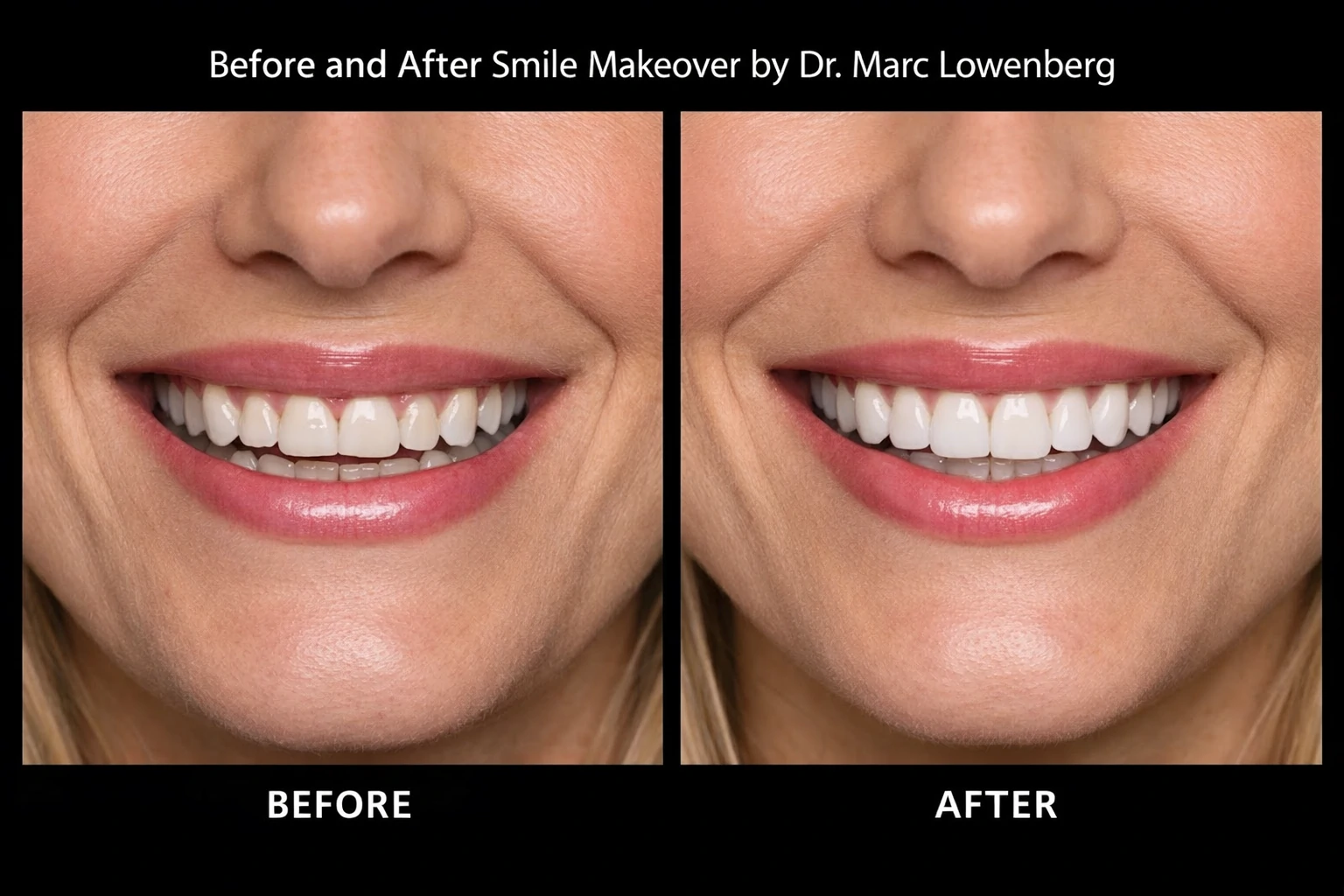
Open conversations about cosmetic procedures are now common, yet aesthetic dentistry is still rarely discussed in depth—despite the smile being both a functional asset and a core element of self-confidence. Many people experience insecurity due to cracked teeth, discoloration, or uneven proportions, often caused by trauma or long-term enamel damage. Psychologically, hesitation to smile freely can affect social interaction and overall well-being.
A modern smile makeover offers a science-based, multidisciplinary solution that blends dental health with facial aesthetics. Rather than focusing solely on appearance, this approach restores balance between teeth, gums, and facial structure.
A comprehensive smile makeover typically includes three key procedures. Gum contouring reshapes the gum line to create better tooth proportions. Teeth whitening safely brightens enamel through controlled oxidation. Dental veneers use ultra-thin porcelain shells to permanently enhance tooth shape, color, and symmetry.
According to cosmetic dentistry expert Dr. Marc Lowenberg, successful smile restoration is not about perfection, but harmony—aligning dental structure with an individual’s facial features and personality. When done correctly, investing in aesthetic dental care can significantly improve confidence, comfort, and quality of life.
Gum Contouring: Reshaping the Gum Line for a Balanced Smile
Teeth that appear small or uneven often create dissatisfaction with one’s smile. In many cases, the issue is not tooth size but excess gum tissue covering the natural crown. This condition, commonly known as a gummy smile, may be influenced by genetics, inflammation, or previous dental trauma.
Gum contouring—clinically referred to as crown lengthening—is a precise dental procedure designed to correct this imbalance. According to Dr. Marc Lowenberg, the goal is to carefully reposition the gum line so more of the natural tooth surface becomes visible. This step is especially important for patients planning dental veneers, as it ensures the final result looks proportional, natural, and facially harmonious.
From a clinical perspective, gum contouring requires high aesthetic sensitivity and technical accuracy. The procedure is typically performed under local anesthesia, making it comfortable with minimal downtime. Healing is generally quick, allowing patients to return to daily activities within days.
It is important to note that gum contouring is not necessary for everyone. A thorough dental evaluation helps determine whether this treatment is appropriate, ensuring both safety and optimal aesthetic outcomes.
Pain, Recovery, and Aftercare: What to Expect After Gum Contouring
Concerns about pain are common before any oral procedure, but clinically, gum contouring is often more comfortable than expected. The treatment is performed by a trained periodontist using local anesthesia, ensuring the gum area is completely numb during the procedure. Most patients report little to no discomfort, and while mild pain relievers may be prescribed, many find they are unnecessary after the first day.
Long-term success largely depends on proper aftercare and patient compliance. In the first few days, a soft-food diet is recommended to minimize pressure on the treated area. Patients are advised to avoid biting directly with the front teeth for up to two weeks to support optimal healing and stitch stability.
Post-procedure care is generally straightforward. Sutures are usually absorbable, meaning they dissolve on their own without requiring removal. Maintaining gentle oral hygiene is essential—brushing should be done carefully, and rinsing with saline solution or diluted hydrogen peroxide may be recommended to reduce infection risk.
With proper care, recovery is typically smooth, allowing patients to return to normal routines quickly while achieving stable, aesthetic results.
Cost: Understanding the Investment Behind Gum Contouring
When planning a smile makeover, cost is a critical and realistic consideration. The price of gum contouring, also known as crown lengthening, varies widely because the procedure is highly customized. As it is often classified as a cosmetic dental treatment, it is usually not covered by standard health insurance.
Globally, the average cost ranges from approximately $2,500 to $8,000, depending on individual clinical needs. One major factor is the number of teeth involved—treating multiple teeth requires greater precision and time. The complexity of the gum and bone structure also plays a role, as each patient’s periodontal condition is unique.
Another key determinant is the expertise of the dental specialist. An experienced periodontist with a strong aesthetic sense can significantly influence both the quality and longevity of the results.
Understanding these cost components helps patients set realistic expectations and plan their smile transformation wisely, ensuring the investment aligns with both aesthetic goals and long-term oral health benefits.
Dental Veneers
For a visible and lasting smile transformation, dental veneers are among the most impactful solutions in aesthetic dentistry. According to cosmetic dentistry expert Dr. Marc Lowenberg, veneers are custom-made porcelain shells bonded to the front surface of teeth to enhance color, shape, and alignment. They are especially effective for correcting deep discoloration, uneven edges, minor misalignment, and age-related wear—often delivering a subtle facial rejuvenation effect.
A common concern is excessive tooth shaving, sometimes described as a “shark teeth” look. Clinically, this is a misconception. When performed by an experienced dentist, enamel reduction is minimal—typically less than one millimeter—just enough to allow seamless porcelain placement while preserving tooth integrity.
The veneer process generally follows three structured phases. The consultation and planning stage focuses on smile design and facial harmony. Next is the temporary veneer phase, allowing patients to test aesthetics, speech, and bite comfort. Finally, permanent veneers are bonded by skilled ceramists for durable, natural-looking results.
In many cases, placing 8–10 veneers on the upper teeth is sufficient to achieve a balanced, functional, and long-term smile enhancement.
Pain, Recovery, and Aftercare for Dental Veneers
From a clinical standpoint, veneer placement is considered a pain-free procedure due to effective local anesthesia. For patients who feel anxious about dental sounds or instruments, nitrous oxide (laughing gas) may be used to promote relaxation. Most individuals can resume normal daily activities immediately after the appointment.
The most sensitive period is during the temporary veneer phase. Because temporary veneers are designed to be easily removed, patients should avoid excessive pressure on the front teeth. For the first one to two weeks, biting directly into hard foods should be limited to prevent dislodgement.
Oral hygiene remains essential during this stage. Gentle brushing, flossing, and rinsing with saltwater or diluted hydrogen peroxide can help maintain healthy surrounding tissues.
Once permanent veneers are placed, longevity can reach 20 years or more with proper care. Dr. Marc Lowenberg advises wearing a night guard for patients with teeth grinding (bruxism) and maintaining regular flossing and professional cleanings. While porcelain naturally ages over time, consistent care helps preserve both function and aesthetics.
Veneer Cost Analysis and Smart Financing Considerations
The cost of dental veneers varies significantly, largely influenced by geographic location and the number of teeth being treated. In major metropolitan areas such as New York, cosmetic dentistry expert Dr. Marc Lowenberg estimates veneer pricing to range between $3,000 and $4,500 per tooth. In regions with lower living and operational costs, fees may be more accessible, typically around $1,000 to $2,000 per tooth.
It is important to understand that veneers are generally classified as elective cosmetic dental procedures. As a result, most standard dental insurance plans do not provide coverage, and costs are usually paid out of pocket. However, partial insurance coordination may be possible in select clinical scenarios.
Coverage considerations may apply when veneers are required for functional reasons, such as restoring severely damaged tooth structure or improving compromised bite alignment. Reconstructive cases involving dental trauma may also qualify for limited reimbursement, depending on the insurer’s policy.
Clear cost transparency allows patients to plan realistically and responsibly. With proper financial preparation, veneers can be approached as a long-term investment in both oral function and aesthetic confidence.
Power Teeth Whitening: Achieving a Naturally Even Smile
In a comprehensive smile makeover, color harmony between restored and natural teeth is essential. When veneers are placed only on the upper teeth, the lower teeth may require whitening to ensure a balanced, uniform appearance. For this purpose, Dr. Marc Lowenberg often recommends professional power teeth whitening.
This treatment commonly uses systems such as Zoom!, which apply a high-concentration hydrogen peroxide gel—approximately 35%—under controlled clinical conditions. The process is designed to safely and efficiently brighten enamel while protecting tooth structure.
One key advantage is the use of high-intensity power light rather than outdated heat-based lasers. This technology activates the whitening agent more effectively, allowing deeper enamel penetration without excessive heat. As a result, post-treatment sensitivity is significantly reduced.
Another benefit is time efficiency. Noticeable whitening results can be achieved in a single in-office session lasting about one hour. The outcome is a clean, natural-looking shade that blends seamlessly with veneers, completing the smile transformation comfortably and safely.
Pain, Recovery, and Aftercare for Power Teeth Whitening
Although power teeth whitening is a non-invasive procedure, it is often the most sensory-challenging step in a smile makeover. During enamel oxidation, some patients experience sudden, sharp sensitivity—commonly described as brief “zaps.” This reaction is a normal biological response of the tooth nerves to high-concentration whitening agents. Sensitivity may persist for several hours after treatment, gradually decreasing in intensity.
Long-term whitening results depend heavily on strict dietary discipline during the first 3–5 days. Dr. Marc Lowenberg advises patients to avoid any substance capable of staining white fabric, as freshly whitened enamel becomes temporarily more porous and susceptible to pigment absorption.
Key aftercare recommendations include following a “white diet,” consisting of foods such as rice, chicken, fish, potatoes, and eggs. Dark-pigmented beverages and sauces—such as coffee, tea, red wine, and soy-based condiments—should be avoided during this period. Despite temporary sensitivity, most patients can continue professional and daily activities without disruption.
With proper aftercare, brightness stabilizes effectively, allowing whitening results to last longer and blend naturally with veneers or other restorations.
Final Results: Aesthetic Harmony and Psychological Impact
The final outcome of a comprehensive smile makeover reveals a clear transformation—teeth appear brighter, more proportional, and harmoniously integrated with facial anatomy. While dental veneers often play a central role, long-term success is achieved through a conservative, well-planned combination of treatments that prioritize preservation of natural tooth structure.
Clinically, aesthetic success is defined by how seamlessly dental enhancements blend with facial features. According to Dr. Marc Lowenberg, the most refined results are those that go unnoticed by others, creating a subtle impression of freshness rather than an obvious cosmetic intervention. Colleagues and patients alike often sense a positive facial change without immediately identifying its source.
The most profound impact, however, is psychological. Patients frequently report increased confidence, greater ease in social interactions, and a renewed willingness to smile openly. Physical appearance begins to reflect emotional well-being more accurately.
This investment demonstrates that aesthetic dentistry extends beyond visual improvement—it restores authentic self-expression, reinforcing both mental comfort and overall quality of life.
Choosing the Right Cosmetic Dentist for Your Smile Makeover
Selecting the right dental provider is the foundation of a successful smile transformation. While general dentists are trained in basic restorative care, advanced procedures such as dental veneers require a cosmetic dentist who combines clinical precision with artistic judgment. Practitioners like Dr. Marc Lowenberg are recognized for their ability to explain every step transparently, allowing patients to feel informed, comfortable, and never rushed.
Beyond the dentist’s expertise, final results are strongly influenced by collaboration with a high-quality ceramic laboratory. Clinics that work closely with skilled ceramists can achieve more natural contours, lifelike translucency, and precise color matching.
When evaluating a clinic, consider whether it has an in-house dental laboratory, such as those led by renowned ceramists like Jason Kim, which allows real-time customization and efficient communication. A strong aesthetic vision is equally important—great cosmetic dentistry should look natural, dynamic, and expressive rather than rigid or artificial.
Patient comfort also matters. A calm, thoughtfully designed clinical environment with supportive amenities can significantly reduce anxiety during treatment. Choosing a practice that balances functional dental health with refined aesthetics ensures your smile investment delivers lasting satisfaction.
Veneers vs. Lumineers: Understanding the Key Differences
In cosmetic dentistry, understanding the difference between traditional porcelain veneers and Lumineers is essential for achieving optimal results. According to Dr. Marc Lowenberg, the right choice depends on your natural tooth anatomy, alignment, and long-term aesthetic goals.
Traditional porcelain veneers typically require minimal enamel reduction—around 0.5 millimeters—to ensure proper fit, alignment, and durability. This preparation allows the veneer to sit flush with the natural tooth, creating a seamless and stable result. Lumineers, by contrast, are often marketed as “no-prep” veneers. While appealing, this approach is only suitable when teeth are already well-aligned and proportioned.
In terms of appearance, Lumineers are extremely thin, similar to contact lenses. However, their high translucency can limit their ability to mask deep stains or discoloration. Standard porcelain veneers are slightly thicker and more opaque, making them more effective for comprehensive color correction.
From a clinical durability standpoint, properly prepared porcelain veneers generally offer stronger bonding and longer-lasting results. A professional consultation remains essential to determine the most harmonious and functional option for your smile.
The Longevity of a Smile Makeover: How to Protect Your Investment
A successful smile makeover does not end when treatment is complete. While porcelain veneers and restorations are highly durable, their longevity depends greatly on consistent aftercare. According to cosmetic dentistry expert Dr. Marc Lowenberg, a well-maintained smile makeover can last 20 years or longer when proper habits are followed.
One of the most important protective measures is managing bruxism. Night-time teeth grinding places excessive force on veneers and is a leading cause of chipping or fractures. Wearing a custom-fitted night guard helps absorb this pressure and protects both restorations and natural teeth.
Advanced oral hygiene is equally essential. Although porcelain does not decay, the underlying tooth structure and surrounding gums remain vulnerable. Daily flossing, gentle brushing, and the use of non-abrasive toothpaste help prevent gum recession and secondary dental issues.
Diet also plays a role in long-term success. Avoid biting hard objects such as ice, pens, or fingernails, and maintain professional dental cleanings every six months. With consistent, mindful care, your smile will remain functional, natural-looking, and confident as you age.
Psychological Benefits of a Smile Makeover: Beyond the Mirror
A smile makeover is often viewed as a cosmetic enhancement, but its psychological impact can be just as profound. Clinically, this effect is linked to the facial feedback hypothesis, which suggests that smiling freely can stimulate the release of endorphins and serotonin—hormones associated with happiness and emotional balance.
Dr. Marc Lowenberg observes that many patients experience a noticeable shift in emotional well-being after treatment. Restored confidence often leads to greater self-efficacy, empowering individuals to pursue social and professional opportunities they once avoided. Reduced self-consciousness around smiling or laughing can also significantly lower social anxiety.
Another key benefit is improved emotional expression. When patients no longer feel the need to hide their teeth, their smiles become more natural and aligned with their true personality. This authenticity strengthens social connections and enhances overall life satisfaction.
Ultimately, a smile makeover is not just an aesthetic upgrade—it is an investment in mental wellness, self-expression, and long-term quality of life.
You might also like




 Acne
Acne Anti-Aging
 Business
 Digital Marketing
 Economics
 Exfoliation
 Hair Removal
 Movies
 Personal Finance
 Websites